1973 Canadian Penny Variations – Small Differences You Can Actually See
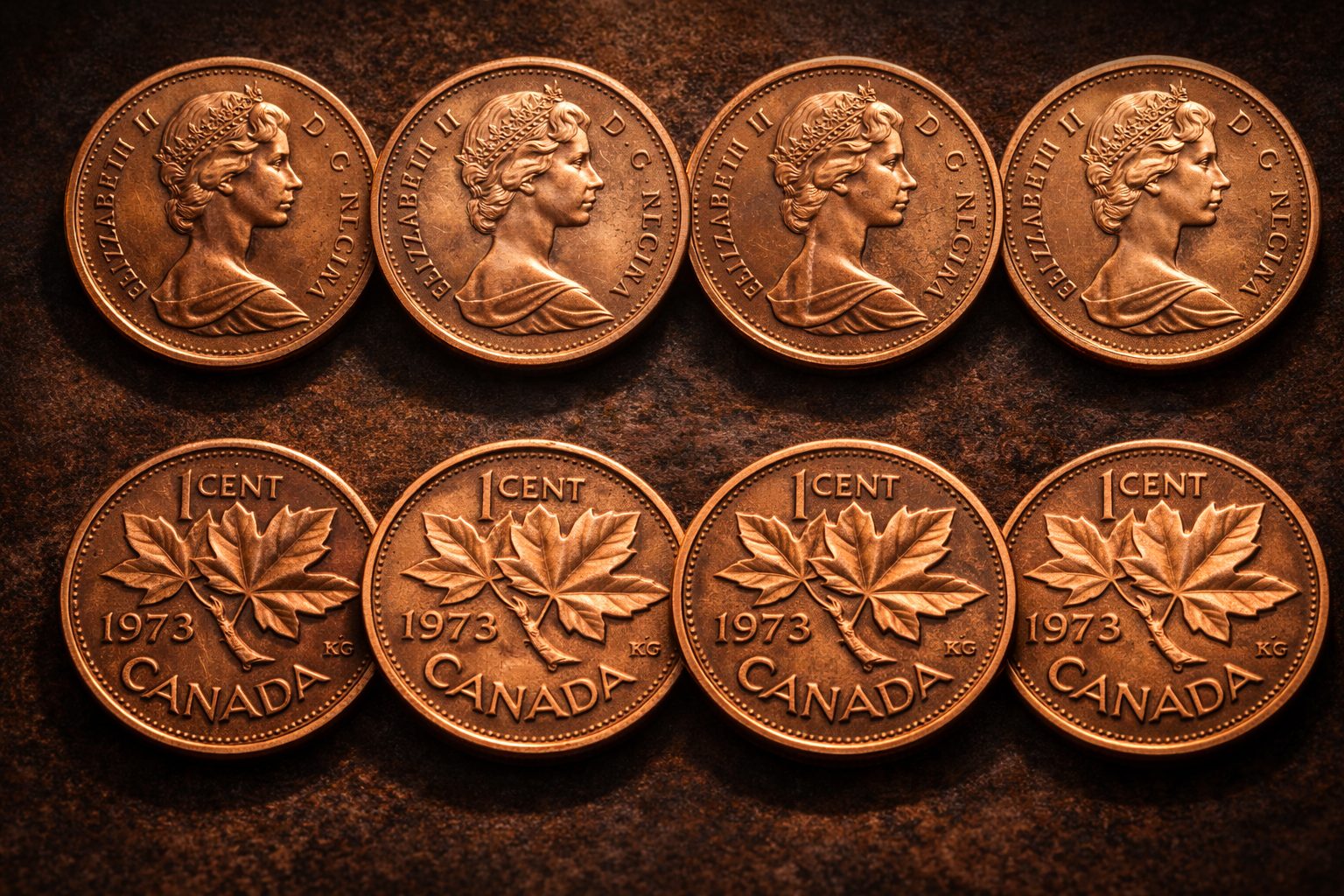
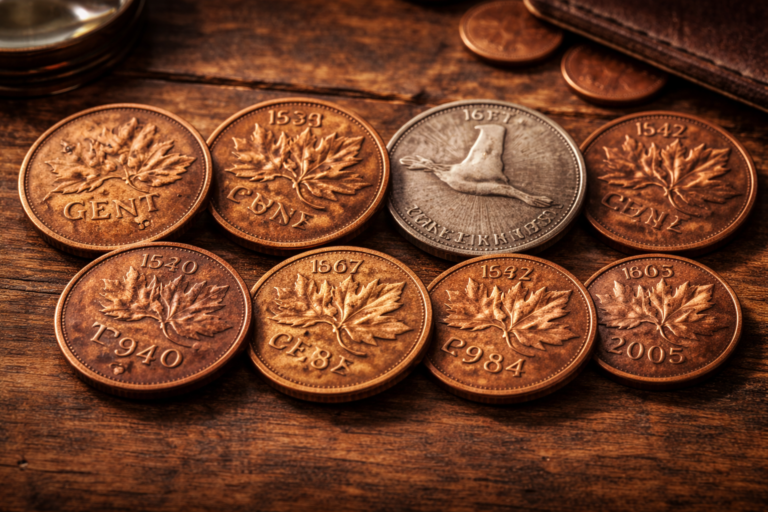
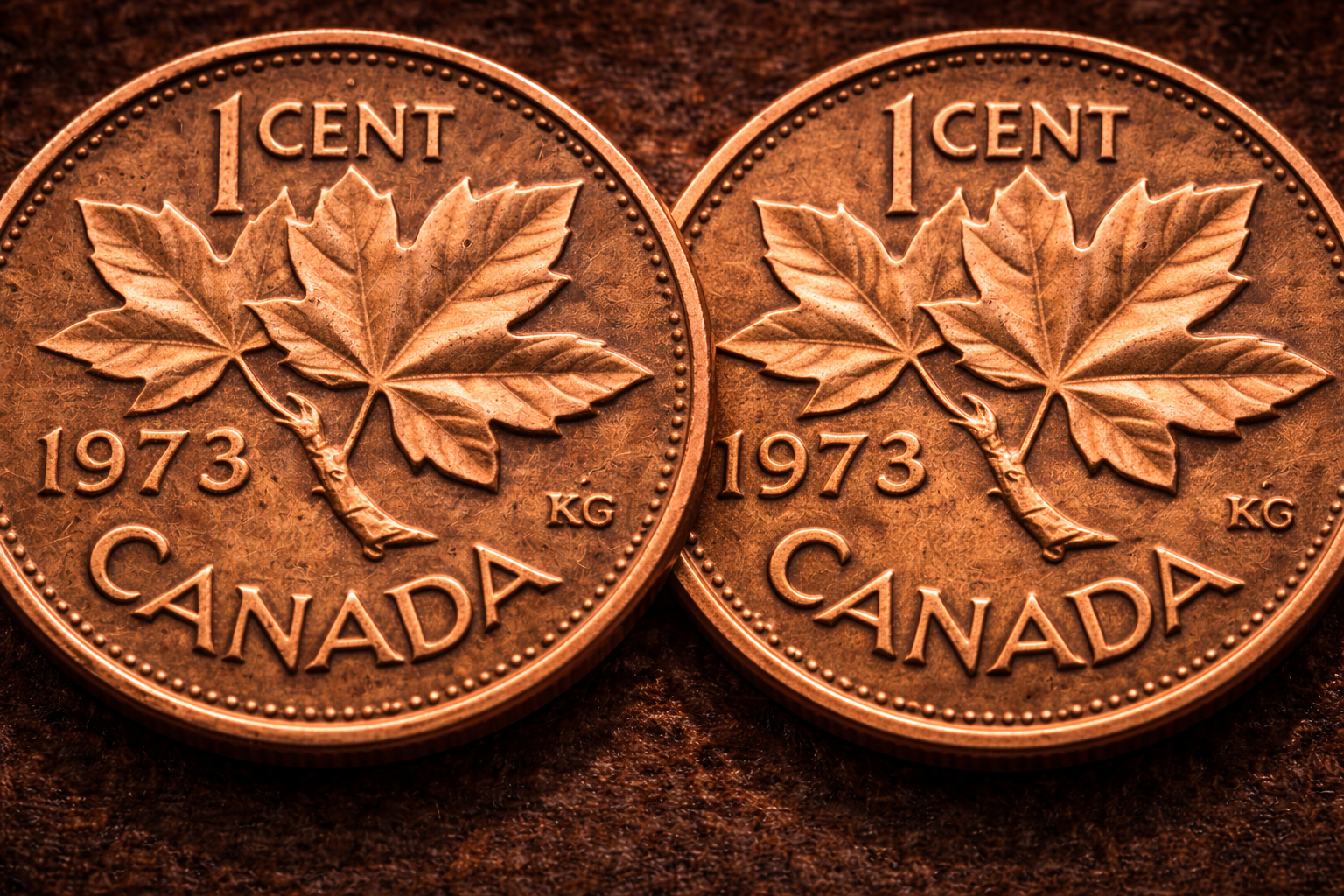
The fastest way to understand coin collecting is to place two coins from the same year on a table and look closely. Suddenly, the “same coin” is not always the same. One looks sharper. One looks darker. One has cleaner fields. Another has softer lettering. That is how variations become real, not just a word you read online.
If you are coming from our first article, start here: rare 1973 Canadian penny . This follow-up focuses on what you can actually see with your eyes. Strike strength, surface character, and small minting differences that make one nineteen seventy-three Canadian cent look unlike another.
Table of contents.
- What “variation” means for a common cent.
- Strike strength. Sharp vs soft details.
- Tone and color. Natural aging vs altered surfaces.
- Surface marks. How coins pick up a life story.
- Portrait side checks. What to compare first.
- Maple leaf side checks. Where differences show up.
- Mid-article table. Quick comparison guide.
- How to compare coins safely at home.
- Storage habits that preserve detail.
- Related HistoraCoin stories.
- FAQ.
What “variation” means for a common cent.
In everyday collecting language, “variation” can mean two different things. Sometimes it refers to a true minting variety that repeats in the same place. Other times it simply means a visible difference between two coins caused by how they were made, used, and stored. For most nineteen seventy-three Canadian cents, the second meaning is the practical one.
The important idea is this. Even when a coin is common, it can still be worth studying. You learn how coins age. You learn what a strong strike looks like. You learn how surfaces change with time. Those lessons are the foundation for spotting truly unusual coins later.
Strike strength. Sharp vs soft details.
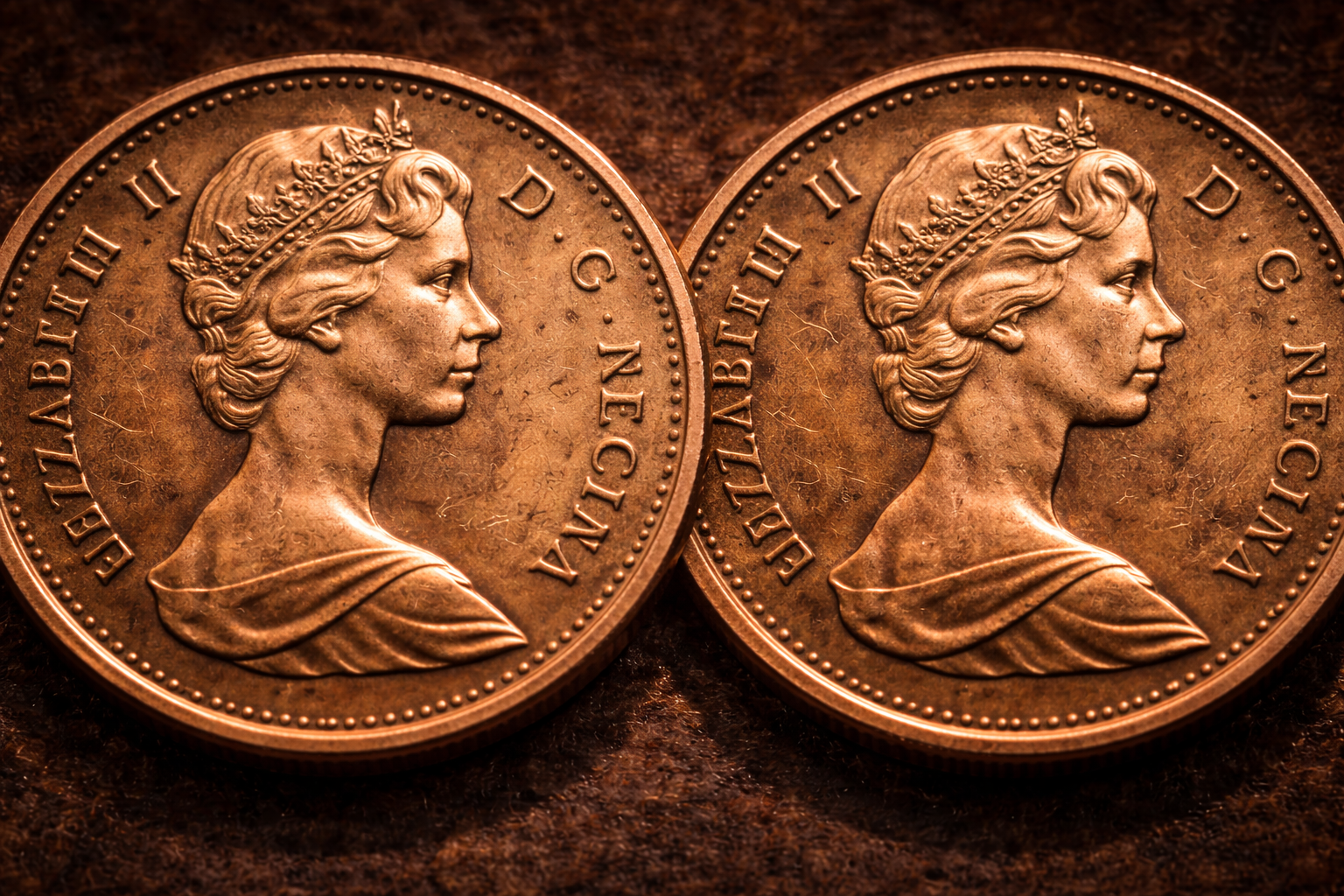
Strike strength is one of the biggest reasons two coins from the same year can look different. If the strike was strong and the die was fresh, details come out crisp. If the strike was weaker or the die was worn, details can look soft even on a coin that did not circulate much.
On the portrait side, strike differences often show up in the finest parts of the design. Look for clarity in the hair detail, the sharpness of the lettering, and the clean separation between raised design and flat fields. A coin with stronger strike often looks more “sculpted,” while a weaker strike looks flatter.
Tone and color. Natural aging vs altered surfaces.
Copper-based coins naturally change color over time. Storage environment, humidity, and handling all influence tone. That is why one nineteen seventy-three cent might look warm and chocolate-brown while another looks brighter. Neither look automatically means rarity. It usually means a different storage story.
A gentle, even tone often suggests calm aging. Uneven, patchy brightness can suggest harsh handling or surface alteration. This does not mean every bright coin was cleaned, but it is a reminder. Color is a clue, and the best clue is consistency across the surface.
Surface marks. How coins pick up a life story.
Surface marks are the most common “variation” you will see. Coins rub against other coins. They bounce in drawers. They slide across counters. Over time, small contact marks build up. The result is that one coin can look smooth and another can look busy, even if both are from the same year.
When you compare, focus on the open flat fields around the portrait and lettering. Those areas reveal contact marks clearly. Then compare the same areas on a second coin. This simple habit trains your eye faster than any long checklist.
Portrait side checks. What to compare first.
On the portrait side, start with three checkpoints. Hair detail, lettering sharpness, and field cleanliness. If one coin has crisp hair lines and clean fields, it will immediately feel different. If another coin has softer detail, it may be wear, or it may be a weaker strike.
The key is to compare coins that have similar overall wear. A heavily circulated coin will always look softer. But if two coins have similar wear and one still looks dramatically sharper, strike strength may be the reason.
Maple leaf side checks. Where differences show up.
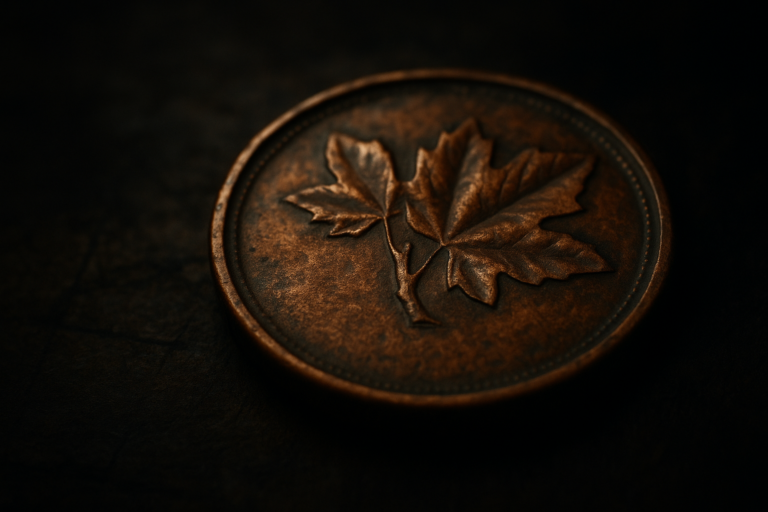
The maple leaf reverse is perfect for studying small differences because it has fine detail. The leaf veins, the twig shape, and the letter edges respond strongly to strike and die wear. This is often where collectors first notice that one coin looks “better made” than another.
Start by comparing the leaf veins. On stronger strikes, veins appear crisp. On softer strikes, they fade into the surface. Then compare the edges of the letters. Crisp edges often suggest stronger strike or better preservation.
Mid-article table. Quick comparison guide.
| Area to check. | What to look for. | What it often explains. |
|---|---|---|
| Portrait hair detail. | Crisp lines vs soft lines. | Strike strength or circulation wear. |
| Letter edges. | Sharp corners vs rounded edges. | Die wear and strike pressure differences. |
| Fields. | Clean surfaces vs heavy contact marks. | Handling history and storage conditions. |
| Leaf veins. | Clear vein separation vs fading detail. | Strength of strike and die condition. |
| Overall tone. | Even natural tone vs patchy brightness. | Aging environment or surface alteration. |
Mobile note. This table scrolls horizontally on phones to keep the layout readable.
How to compare coins safely at home.
You do not need special equipment to learn from these coins. Use calm light and a consistent routine. Hold coins by the edges. Compare under the same lamp. Look at the same checkpoints every time, portrait hair detail, lettering edges, and maple leaf veins.
If one coin looks truly unusual compared to the rest, set it aside and take clear photos. The goal is documentation, not instant conclusions. Over time, this habit builds confidence and makes genuine differences easier to identify.
Storage habits that preserve detail.
If you keep a nineteen seventy-three Canadian cent, store it separately to avoid new marks. A simple coin flip or protective sleeve is enough. Avoid humidity. Avoid rubbing coins together. And avoid cleaning.
Preservation is not about making the coin look new. It is about keeping the coin honest. Honest surfaces teach the clearest lessons and hold the strongest historical character.
Final takeaway.
Most nineteen seventy-three Canadian penny “variations” are visible differences created by strike strength, die wear, storage, and circulation. The best method is simple comparison. Study the same checkpoints on multiple coins and let patterns explain what you see.
Related HistoraCoin stories.
Start with the main story.
If you have not read the first article yet, begin with rare 1973 Canadian penny . It explains why this coin feels unusual to so many collectors.
FAQ.
Are these variations always official varieties.
Not always. Many differences are normal results of strike strength, die wear, circulation, and storage. True varieties are repeatable and show consistent markers.
What is the easiest place to compare two coins.
Start with the maple leaf veins and the sharpness of lettering edges. Those areas respond clearly to strike and wear.
Should I clean a coin to see the details better.
It is best not to. Cleaning can create scratches and artificial shine that hide original surface clues.
Why does one coin look darker than another.
Copper tone changes naturally with storage environment and time. Even coins from the same year can age in different ways.