Mythic American Coins – The Legends That Refused to Disappear

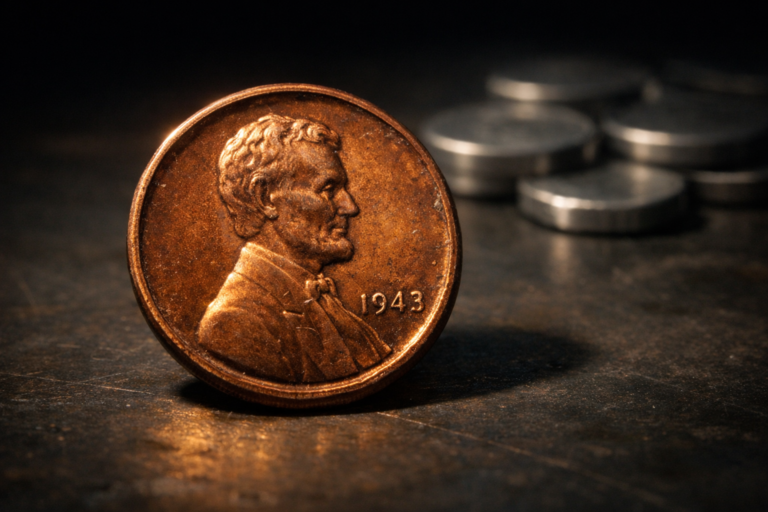
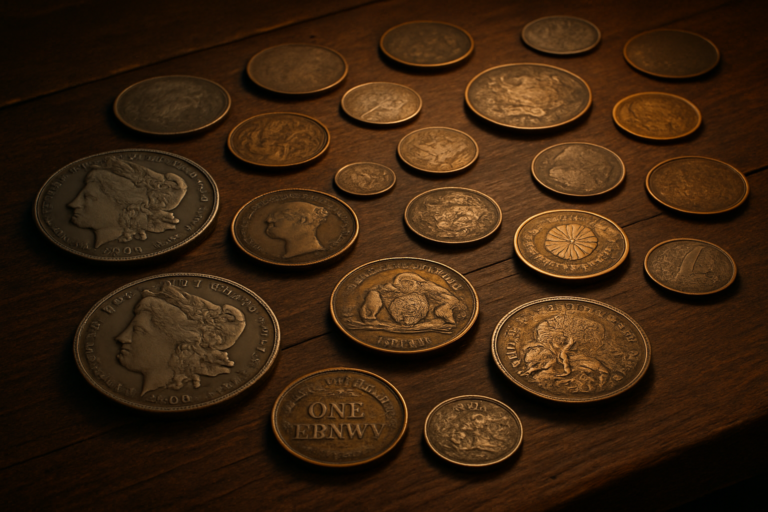
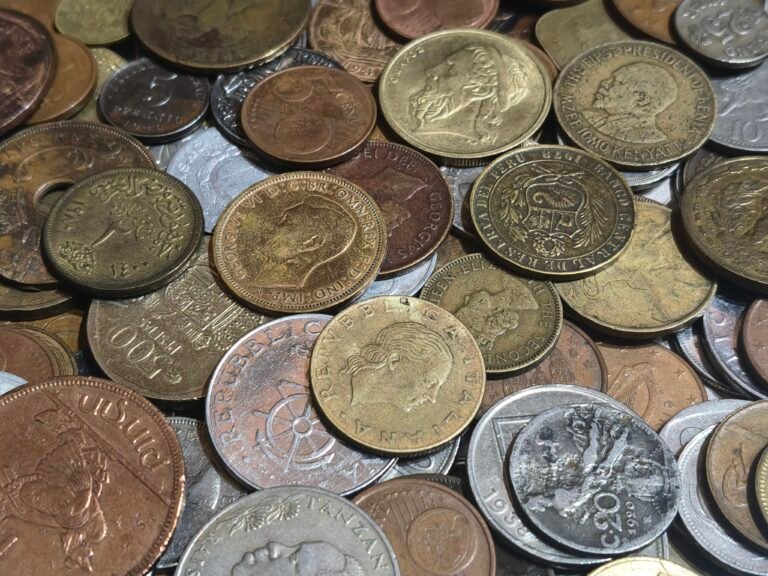
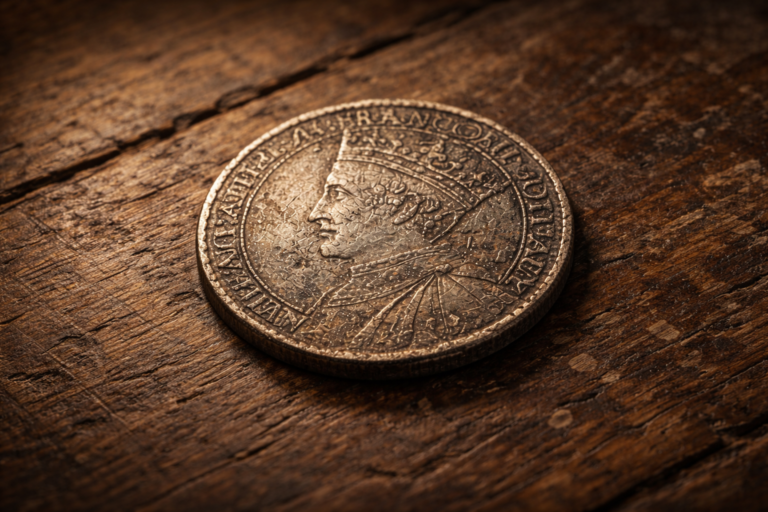
For more than two centuries, American coins have moved quietly through everyday life. They rested in the hands of farmers counting their earnings at the end of a long day, slipped through the fingers of children buying their first sweets, and rattled in the pockets of soldiers marching toward an uncertain future. Most of these pieces disappeared back into circulation, melted, or were simply forgotten. Yet a small group survived — not because people hoped to trade them, but because of the stories they carried.
This journey does not rely on charts or modern trends. Instead, it follows a slower path, like walking through an old museum late in the afternoon when the rooms are quiet and the light is soft. Each coin we meet here is treated like a storyteller. It has a voice, a moment in history, and a reason it refused to vanish when so many others did.
Estimated reading time: 9 minutes

Image credit: HistoraCoin
Why Some Coins Become Legends
Not every rare coin becomes a legend. Many pieces are scarce, yet they never capture the imagination. What sets legendary coins apart is a combination of timing, symbolism, and human emotion. A piece might be tied to the birth of a nation, a sudden change in design, a war, a personal story, or a quiet mistake at the mint that nobody noticed until decades later.
When people talk about these coins, they are often really talking about themselves: about struggle, hope, survival, and the way history leaves traces in everyday objects. A small copper cent can carry the weight of a political revolution. A thick silver dollar can represent pride, peace, or diplomacy. These coins are not just instruments used for trade; they become tiny mirrors reflecting the world that created them.
In the stories that follow, each coin is treated as a character on a long journey. Some were created in very small numbers. Others were struck in large quantities but later disappeared through overuse or destruction. A fortunate few slipped into hidden drawers, envelopes, and boxes, only to re-emerge years later as silent messengers from another era.
The 1793 Chain Cent — A Symbol Born in Turbulence
In seventeen ninety-three, the United States was still learning how to present itself to its own citizens and to the rest of the world. The Chain Cent was one of the first large copper pieces produced for general use by the new government. Its design featured a circle of linked rings, meant to symbolize a union of states holding together.
Reactions were mixed. Some observers thought the chain looked strong and unified, a statement that the states were connected and would not break apart. Others believed it suggested restraint, almost like a reminder of the bondage that many hoped the future would move beyond. In a young country still wrestling with ideas of freedom, the design stirred debate.
Most Chain Cents led ordinary lives, exchanged for goods, wages, and simple everyday needs. The few that remain now are like echoes of those first uncertain years. When someone holds one today, they are in contact with metal that passed through the fingers of people who had just taken their first steps into a new political experiment. The likely scratches, dings, and worn surfaces are not flaws; they are proof that this piece once lived in the real world.
The short lifespan of the design — followed quickly by a different style — only added to the sense that the chain was part of a brief, intense conversation about what the nation wanted to be. The Chain Cent did not last long in production, but its story continues to extend far beyond its original years.
The 1804 Silver Dollar — Phantom of the Early Republic
The 1804 Silver Dollar is often described as a phantom because the date on the coin does not match the era in which most examples were created. Officially, the United States did not strike silver dollars for general use in that year. Instead, coins bearing the eighteen-oh-four date were produced later, as special presentation pieces.
These coins were intended as diplomatic gifts. They travelled with American representatives and were placed in the hands of dignitaries and rulers in faraway lands. In those moments, the coins quietly represented an expanding nation, carrying its emblem, motto, and artistic style into foreign courts.
Over time, these pieces drifted out of sight. Some remained in cabinets or collections overseas; others found their way back to American shores under circumstances that still raise questions. When collectors eventually realized that the date did not line up with public mint records, the 1804 Silver Dollar quickly transformed from a simple presentation piece into a numismatic legend.
Today, each surviving example feels less like everyday currency and more like a diplomatic relic — an object that has moved through both public and private spaces, crossing oceans and generations. Its appearance marks a moment when coinage served as a quiet ambassador for a young and ambitious country.
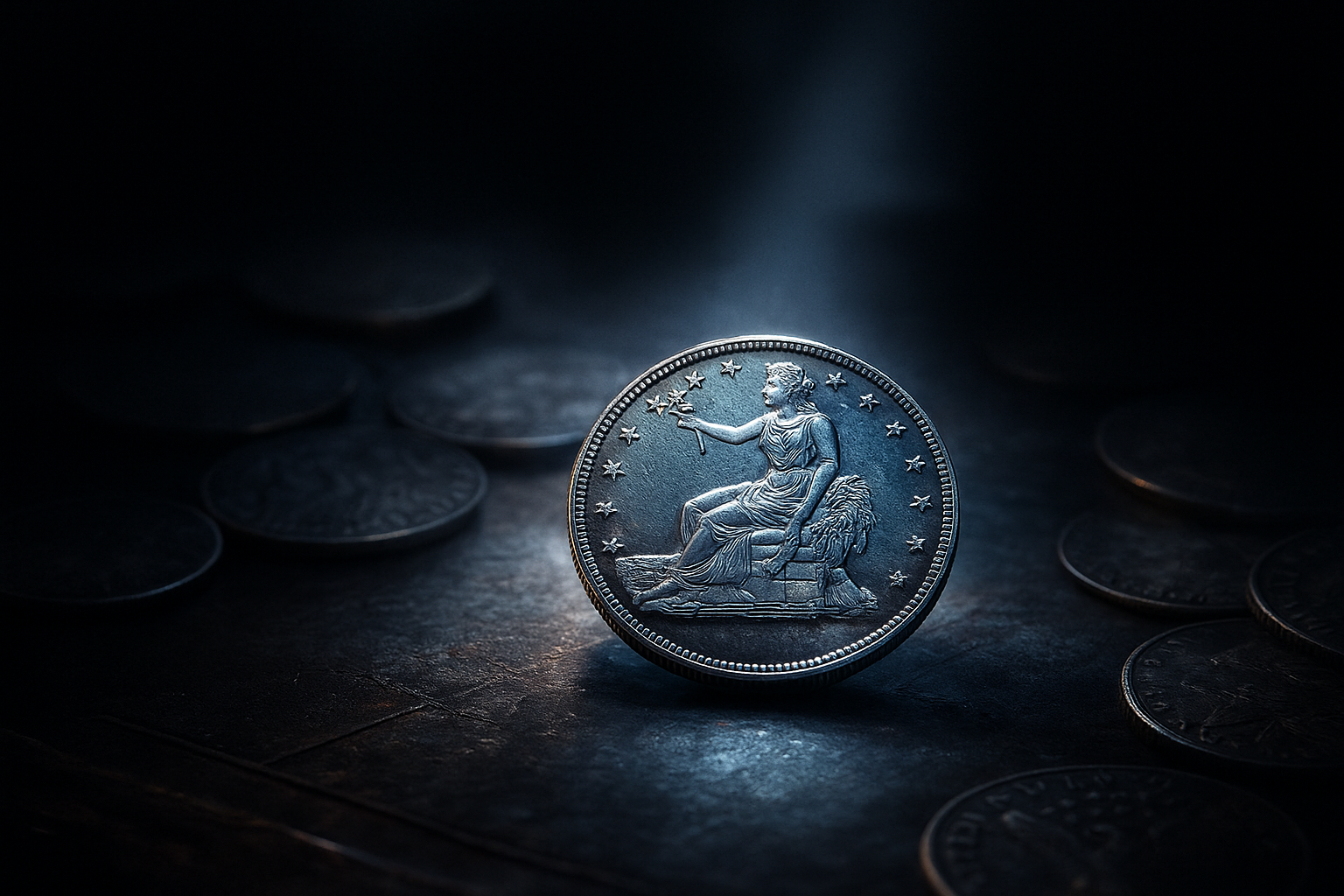
Image credit: HistoraCoin
The 1913 Liberty Nickel — A Coin That Should Not Exist
The Liberty Nickel series was supposed to end quietly when the new Buffalo design replaced it. Yet history rarely follows a simple script. A tiny number of Liberty Nickels carrying the date nineteen thirteen appeared under circumstances that were never fully explained.
These pieces were not listed as part of regular production. No official announcement was made. There was no public notice, no grand design unveiling. Instead, they emerged slowly, almost shyly, through private channels and conversations among early collectors. As word spread, the story of a coin that “should not exist” captured imaginations everywhere.
Over the years, individual examples of this small group experienced very human journeys. One spent time in the hands of a passionate enthusiast who showed it proudly to anyone who cared about history. Another reportedly ended up in a travelling exhibition, crossing countless towns and cities. Each coin collected its own trail of personal stories on top of its already mysterious origin.
The exact reason for their creation remains a subject of discussion. Some believe they might have been struck as experiments or at the request of someone inside the mint. Others think they could have been special impressions made without the expectation that they would ever enter ordinary pockets. Whatever the truth, their presence today reminds us that even carefully organized systems still leave space for unanswered questions.
The 1877 Indian Head Cent — Copper Witness of Hard Times
Not all coins become legendary because of mystery or secret production. Some earn their place in history simply by existing during difficult years. The eighteen seventy-seven Indian Head Cent is closely tied to a period of economic strain in the United States. Fewer coins were needed, and fewer were struck.
Imagine a worker in that era, carefully watching every piece of change received at the end of a long week. A cent did not feel like a trivial object; it represented real effort, trade, and survival. The people who handled these coins did not see them as future collectibles or historic artifacts. They saw them as tools in a daily struggle to meet basic needs.
The limited production in that year means the coin later attracted special attention. But beyond these numbers lies a deeper story. This cent is a reminder of how hard life could be in the late nineteenth century, when each coin earned and spent represented choices, sacrifices, and hopes.
When someone studies an eighteen seventy-seven Indian Head Cent today, they are not just examining a design. They are sharing a thin connection with the people who lived through that economic reality, who carefully saved or reluctantly spent the same type of piece generations ago.
The 1921 Peace Dollar — A Coin Shaped by Relief and Hope
After the turmoil of the First World War, the world needed symbols of calm and recovery. The Peace Dollar, introduced in the early nineteen twenties, was created to embody the idea of peace at last taking shape in metal form.
Its design reflects a mixture of strength and gentleness. The figure on the obverse faces toward a new horizon, suggesting that the country is looking forward rather than backward. The rays, lettering, and overall composition combine to create a sense of quiet determination — not triumphant celebration, but a steady hope that the future could be kinder.
The nineteen twenty-one issue, being part of the initial expression of this design, holds a special place in the series. It stands at the turning point between conflict and reconstruction, between exhaustion and renewal. Families at the time were rebuilding their lives, saying farewell to recent losses, and trying to trust in the idea that such a large conflict might not return.
Holding a Peace Dollar today can feel like holding a small monument. It is a reminder that nations sometimes try to capture complex emotions in very simple objects — and that, occasionally, they succeed.

Image credit: HistoraCoin
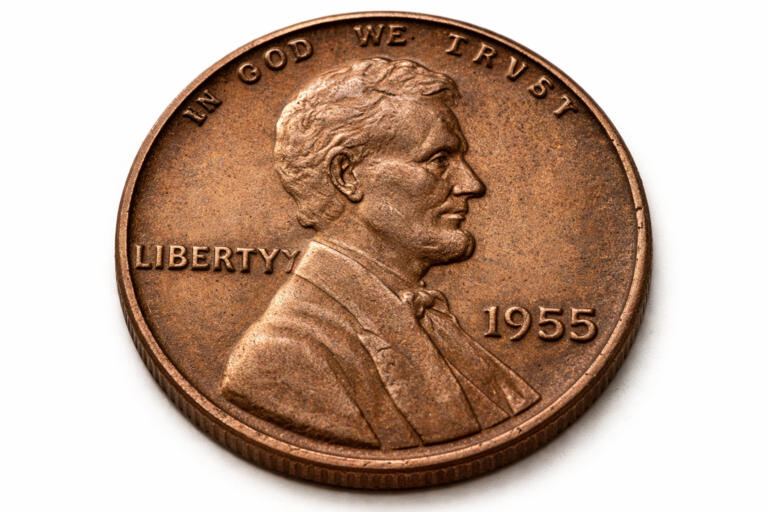
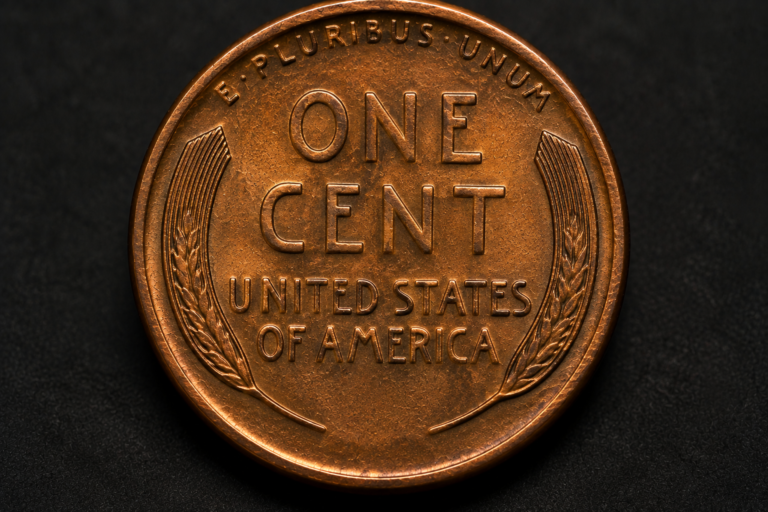
The 1955 Doubled Die Cent — When Error Became Art
Not every legendary coin was carefully planned. Some came into existence through human error and mechanical imperfection. The nineteen fifty-five Doubled Die Cent is a well-known example of how a small mistake can give birth to a powerful story.
Because of a misalignment during the preparation of the dies, the letters and numbers on the coin appear doubled. The effect is subtle at first glance but becomes striking once noticed. What should have been a routine issue turned into a piece unlike the rest of the series.
For many people, the appeal of this coin lies in the contrast between its ordinary purpose and its extraordinary appearance. It was meant to be just another cent, one among countless others, yet somehow it slipped through as something different. Generations of coin enthusiasts have stared at its inscriptions, marveling at how a mechanical process produced such a memorable result.
This cent reminds us that even in highly controlled systems, surprises still happen. It also shows how people can transform an error into something cherished, not because it is flawless, but because it carries a unique visual echo of the moment it was made.
Other American Pieces That Drifted Into Legend
Beyond the well-known examples, there are many other American coins whose stories run quietly just beneath the surface of history. Some were part of limited experimental issues, testing new metals or designs. Others were produced at branch mints far from the centers of political power, reflecting regional needs and local identity.
There are early copper pieces that circulated in small communities, passed from shop to shop until someone noticed a slightly different detail in the design. There are silver issues connected to particular anniversaries, world fairs, or commemorations, each tied to a specific moment in the nation’s cultural memory. There are also coins that survived natural disasters, conflicts, or journeys across continents tucked inside pockets and luggage.
Many of these coins are not widely discussed in headlines, but they carry deep meaning for the people who encounter them. A family might have one kept in a small box, along with letters or photographs. It might not be rare in a strict numerical sense, yet within that household it represents a grandparent, a migration, a difficult decision, or a chapter of life that will not come again.
In this way, the “legends” of American coinage do not belong only to museums or large collections. They also live in private spaces, in quiet drawers and small containers, wherever people decide that one small piece of metal deserves to be saved.
How Collectors Keep These Legends Alive
The role of the modern collector is not limited to organizing albums or preserving metal in protective holders. In many ways, collectors are caretakers of memory. They research mint histories, study design changes, compare dies, and read old documents, not just to understand how a coin was made, but to place it within the story of its time.
When someone chooses to preserve a coin rather than spend it or ignore it, they are making a quiet statement: that this particular object deserves attention. Over years and decades, these individual choices add up. A pattern emerges. Certain issues begin to stand out because more and more people sense that there is something special about them — whether it is a unique design, a historical connection, or a personal association.
Collectors also share their knowledge with others. They write articles, record videos, participate in clubs, and bring coins to educational events. A single piece that once sat unnoticed in a small jar can, through patient research and storytelling, become the centerpiece of a lesson about a specific year, president, conflict, or social change.
In this way, the legends surrounding American coins are constantly renewed. They do not stay frozen in the past. Instead, each generation adds its own perspective, finding fresh meaning in designs that may be more than a hundred years old.
Final Thoughts — Coins as Carriers of Memory
When we look at legendary American coins, it is tempting to see them only as rare objects rescued from the flow of time. But there is a deeper way to understand them: as carriers of memory. Every nick, scratch, and patch of wear tells us that these pieces once lived an active life in the real world.
A Chain Cent reminds us of a fragile union still trying to explain itself. An eighteen-oh-four dollar echoes through diplomatic halls on distant shores. A mysterious nickel from nineteen thirteen hints at untold stories inside the mint. An Indian Head Cent from a difficult economic year speaks softly of struggle and resilience. A Peace Dollar stands silently for a generation trying to heal after conflict. A doubled die cent shows how even mistakes can become part of a shared legacy.
None of these coins need rankings or comparisons to be meaningful. Their power lies in the way they connect us to people who lived before us — people who worked, travelled, worried, and hoped, often with these very pieces resting in their pockets or palms.
For anyone who loves history, coins offer a rare privilege: the chance to hold time itself. Not in a grand, abstract sense, but in a small, tangible way — a reminder that the past is never as distant as it seems. It lives on in stories, in traditions, and yes, in quiet pieces of metal that refused to disappear.
For more journeys into the stories behind historical coins from around the world, visit HistoraCoin.