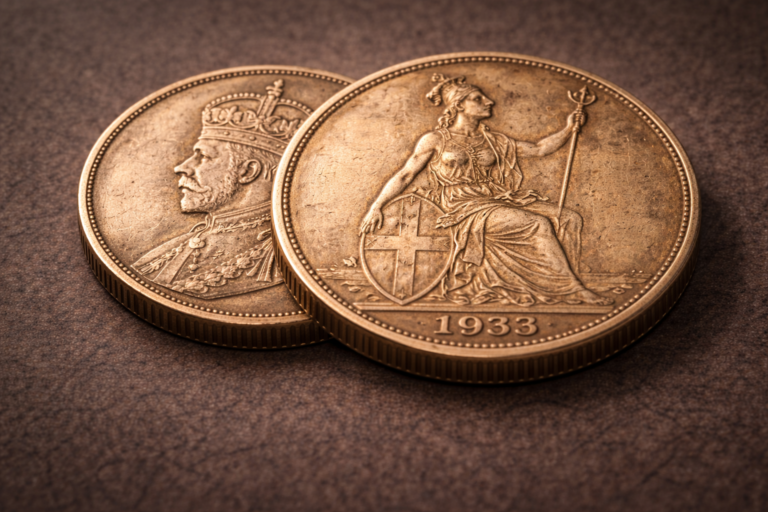
Rare US Coins You Should Watch in 2026
Every year, collectors rediscover old American coins that once passed unnoticed through millions of hands. Some were minted in small numbers, others contain unusual details, and a few carry stories that stretch across generations. As we approach 2026, interest in certain rare US coins is growing once again — not because of exaggerated prices or unrealistic expectations, but because of their history, scarcity, and the mystery surrounding how many remain undiscovered.
Whether a person is new to coin collecting or has been examining tiny mint marks for decades, these are the coins worth paying attention to. They represent forgotten chapters of the United States Mint — experimental strikes, unusual alloys, surprising errors, and special releases that shaped the evolution of American currency.
Why 2026 Matters for Coin Collectors
The year 2026 carries special significance. It marks a period when historical anniversaries, increased public interest, and advancements in digital archiving bring attention to coins that were once overlooked. Museums are updating collections, private owners are re-evaluating their inherited boxes, and new collectors are discovering the hobby through social media.
Additionally, the US Mint continues to review its historical catalogs, releasing updated documentation and revealing new insights about old minting practices. These updates help collectors identify coins that once had no special reputation but are now recognized as historically significant or exceptionally rare.
Early American Coins Worth Watching
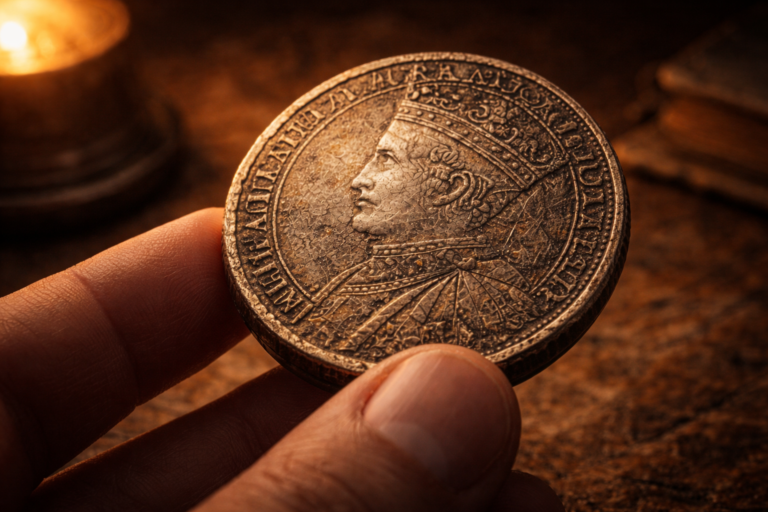
Early US coins carry a distinctive charm. They were struck during a time when machinery was inconsistent, dies were handmade, and small details could vary dramatically from one coin to another. Coins from the eighteenth and nineteenth centuries often have imperfections that reveal the challenges of early minting.
Some early copper cents, for example, can show dramatic shifts in lettering or spacing. Certain shield nickels, liberty head nickels, and barber coinage pieces are reappearing in estate sales and attic discoveries. While many are worn, a few stand out because they reveal unusual die varieties that researchers did not recognize decades ago.
Other early pieces may surface in 2026 because families are digitizing old belongings and discovering collections that relatives had forgotten. These rediscoveries provide fresh excitement for collectors and historians alike.
Important Mint Errors to Watch in 2026
Mint errors have become one of the most fascinating elements of US coin collecting. These are not intentional designs, but natural mistakes in the minting process — moments when machinery misaligned, blanks were shifted, or dies struck coins incorrectly. Such errors create small windows into the mechanical side of coin production.
In 2026, collectors are keeping an eye on error coins for several reasons. First, new technological tools allow more precise identification of micro-errors that were previously missed. Second, awareness of classic errors — like off-center strikes or doubled designs — continues to grow.
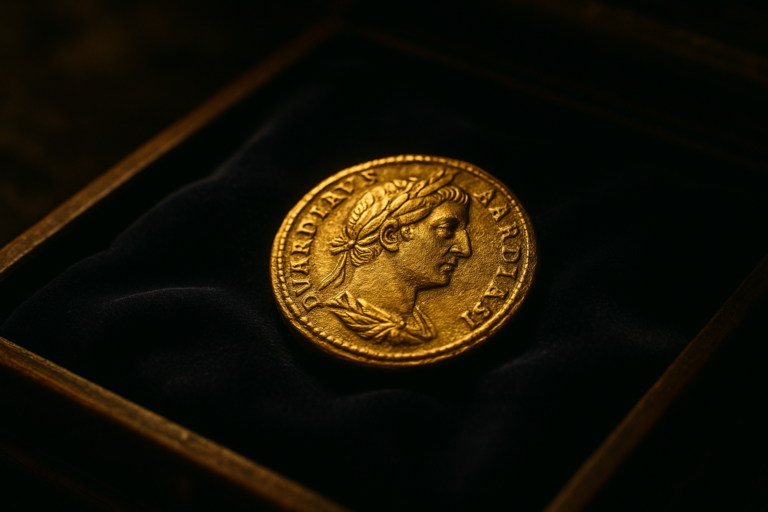
One particular type of error gaining attention is the off-center strike, which produces coins where the design appears shifted toward one side. Another category includes unexpected die rotations or missing details. These errors tell a story of how the mint operated during specific historical periods.
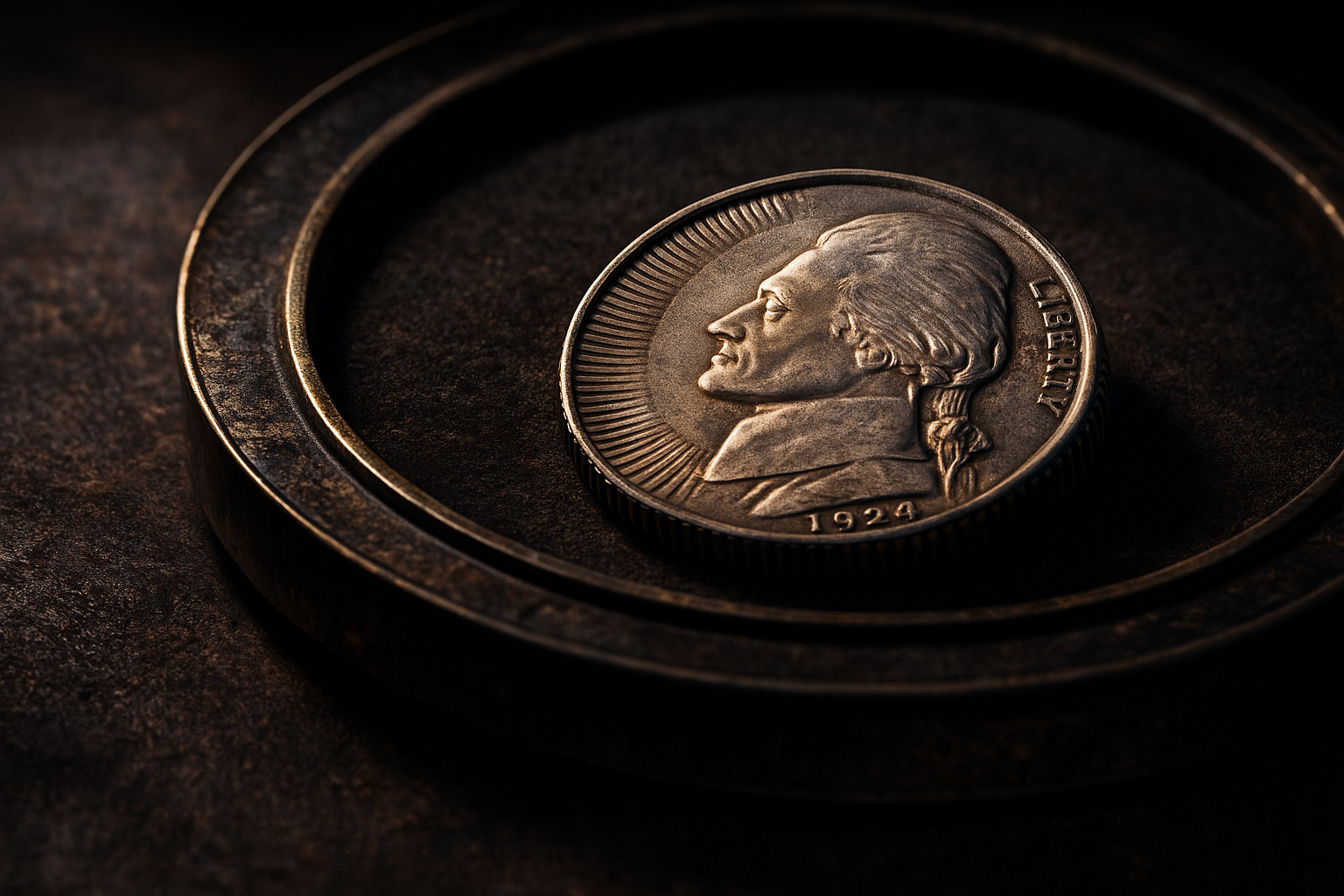
Image © HistoraCoin.com
These coins do not require perfect condition to be interesting. Even worn examples can be historically significant. What matters most is authenticity, uniqueness, and the specific type of minting anomaly.
Old vs Modern Coins: What Makes a Coin Stand Out?
Collectors often compare modern coins to those minted decades ago. Modern production is highly precise and uses advanced machinery, meaning unusual pieces are much rarer today. By contrast, older coins offer more possibilities for subtle variations.
This contrast helps explain why collectors continue to search through change jars, coin rolls, and inherited boxes. A modern dime might look identical to millions of others, but an old dime can carry signs of hand-made die work, artistic interpretation, or unexpected mint variations.
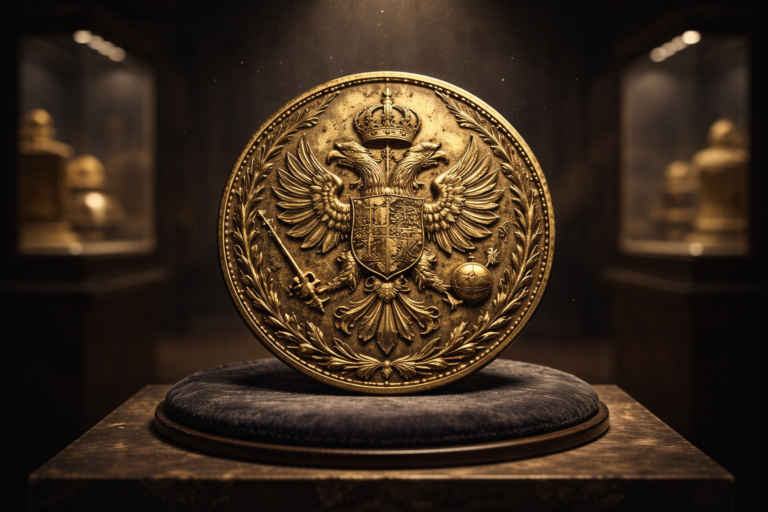
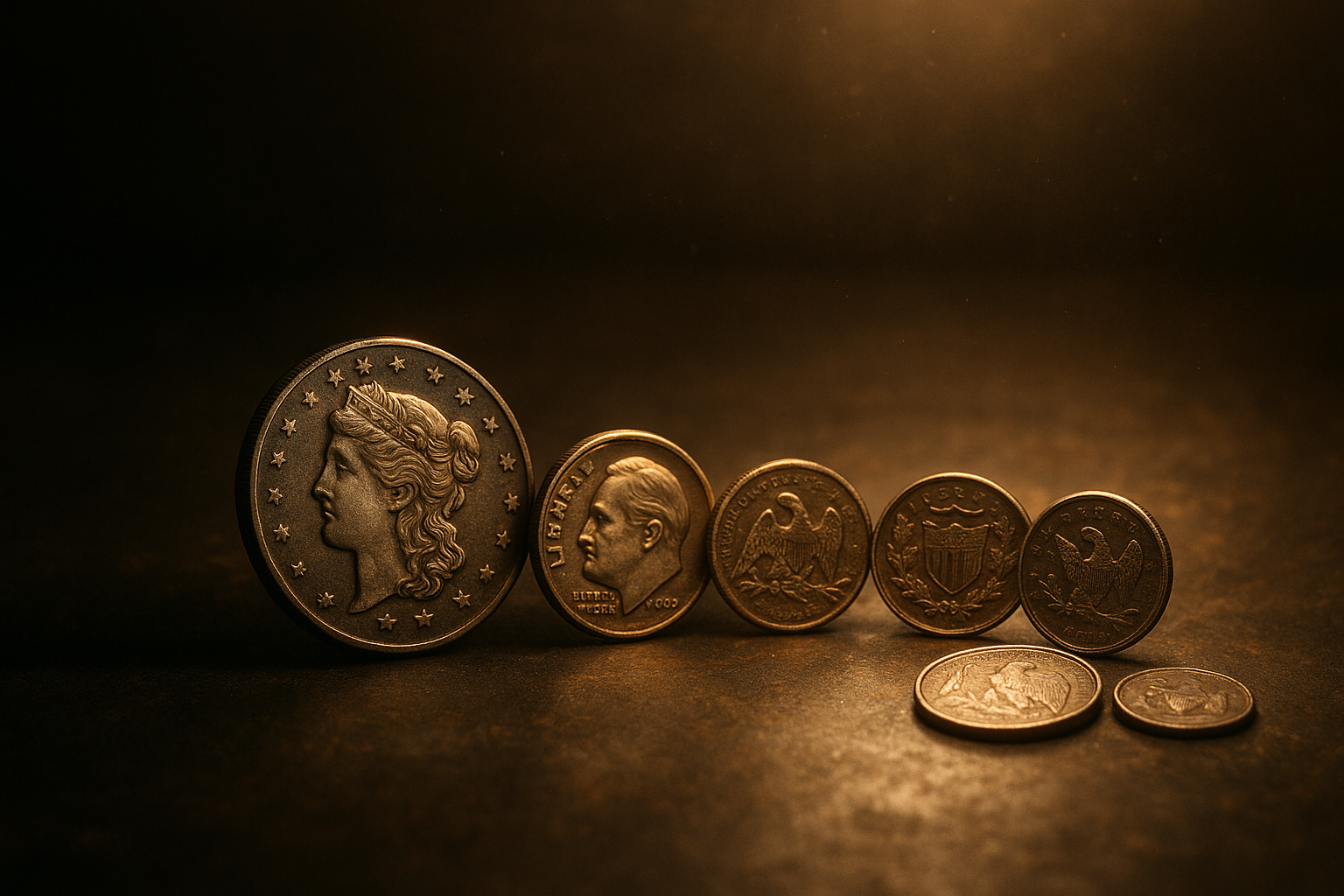
To understand why some coins stand out, it helps to compare the characteristics of ordinary examples with legendary early pieces.
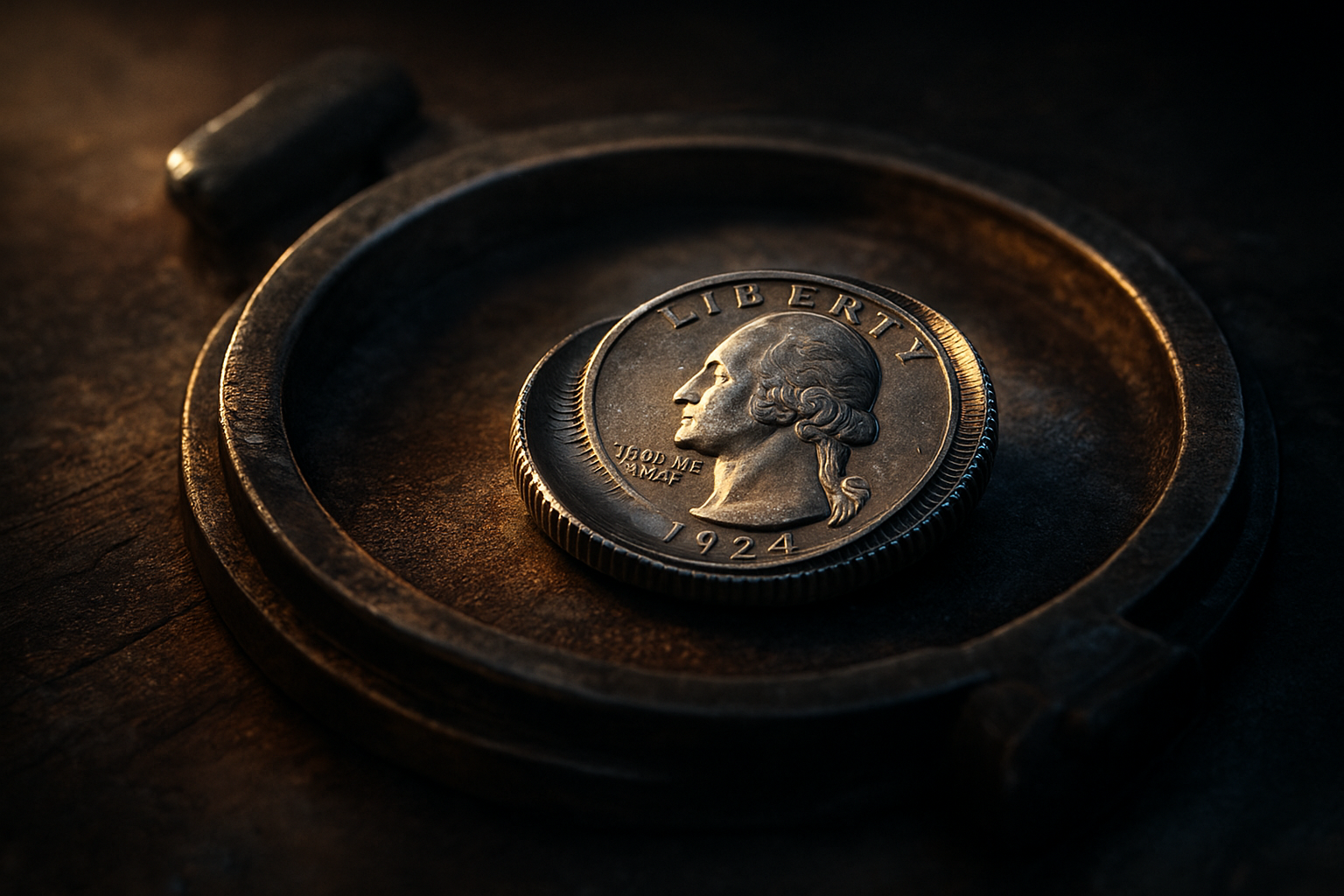
Image © HistoraCoin.com
The side-by-side contrast illustrates the difference between mass production and early minting practices. Many collectors appreciate these distinctions because they reveal how American currency has evolved.
A Quick Look at Rare US Coins (Responsive Table)
Here is a simple mobile-friendly table summarizing several categories of coins that collectors are monitoring closely in 2026:
| Category | Examples | Why Collectors Watch Them |
|---|---|---|
| Early US Coins | Large cents, early half dollars | Historic designs, hand-cut dies |
| Mint Errors | Off-center strikes, doubled dies | Reveal minting anomalies |
| Short-Run Issues | Limited production coins | Small surviving populations |
| Historical Variants | Coins with unique inscriptions | Cultural and historical value |
What Collectors Are Paying Attention To
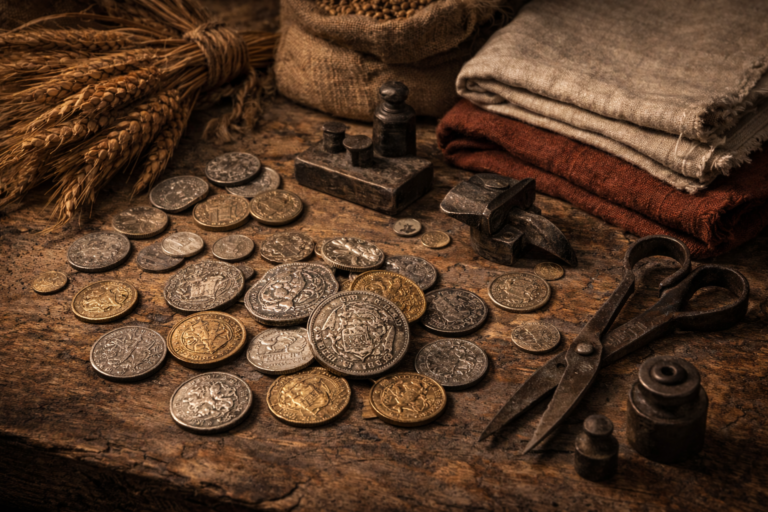
Collectors in 2026 are focusing on several important trends. One is the re-evaluation of older collections. Many families are discovering boxes of coins left behind by previous generations. Some boxes contain common pieces, while others reveal rare varieties that were not identified before.
Another trend is the increased interest in die varieties. These subtle differences may include small shifts in lettering, unusual spacing, or slight rotations of the design. Such variations were common in early minting and are now considered important clues to the coin’s production history.
Additionally, collectors are paying close attention to coins involved in major historical periods — wartime mintings, transitional years, and experimental metals. Coins minted during such times often carry unique characteristics that distinguish them from their modern counterparts.
Why These Coins Matter Today
Rare US coins offer more than just metal. They offer a window into the past — into moments when the nation changed direction, experimented with new designs, or shifted economic policies. Each coin represents a piece of American heritage and an opportunity to preserve something meaningful.
As 2026 unfolds, collectors will continue to search for coins that connect them to history. Some may find early pieces from forgotten minting periods. Others may uncover surprising mint errors that reveal how the mint operated during a specific era. And many will discover that the real joy of coin collecting is not about value, but about curiosity and the stories embedded in metal.
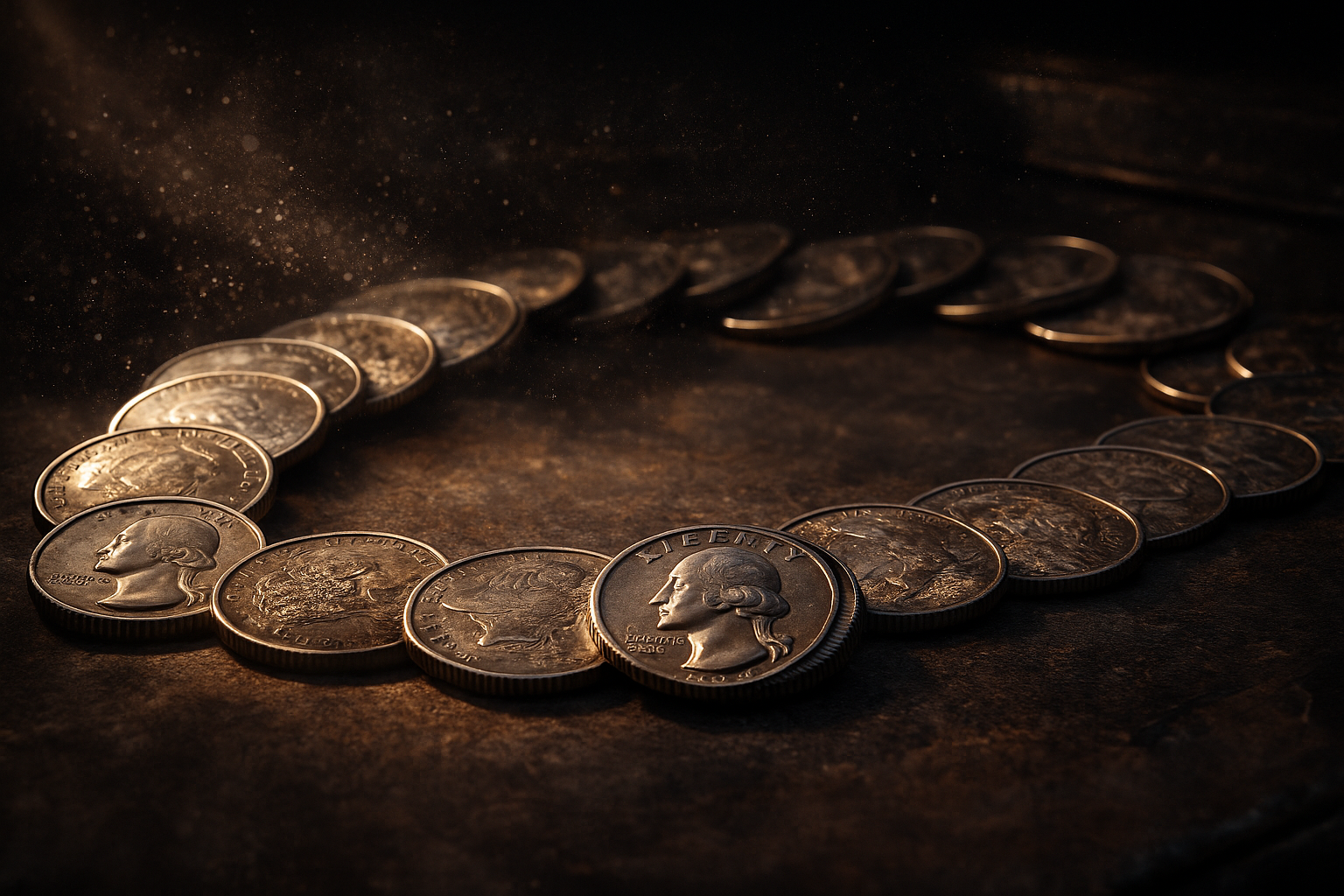
Image © HistoraCoin.com
Whether found in a dusty attic, inherited from a family member, or discovered by chance, rare US coins continue to inspire collectors. They are reminders of craftsmanship, patience, and the long journey of American currency.
At HistoraCoin, we explore the rich history and hidden stories behind the world’s most fascinating coins. Every coin carries a legacy — and every legacy deserves to be remembered.
For more historical stories and rare coin insights, visit HistoraCoin.