Forgotten American Pennies and the Mint Secrets Behind Them

Estimated reading time: 12 minutes.
Forgotten American Pennies and the Mint Secrets Behind Them
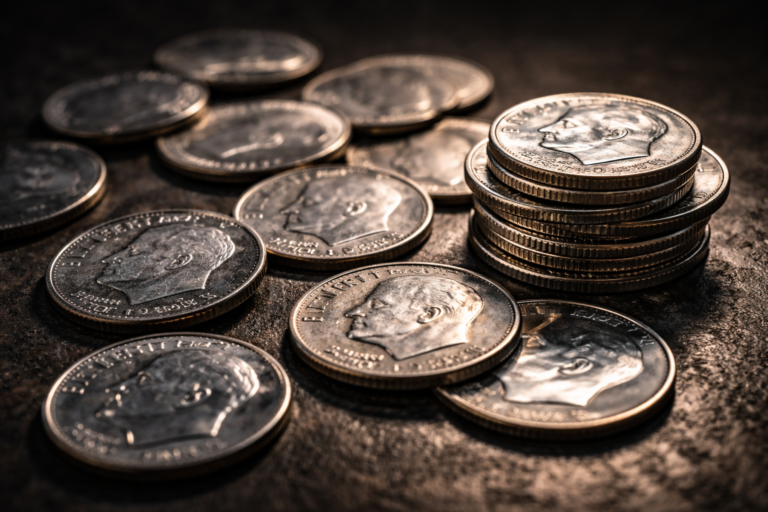
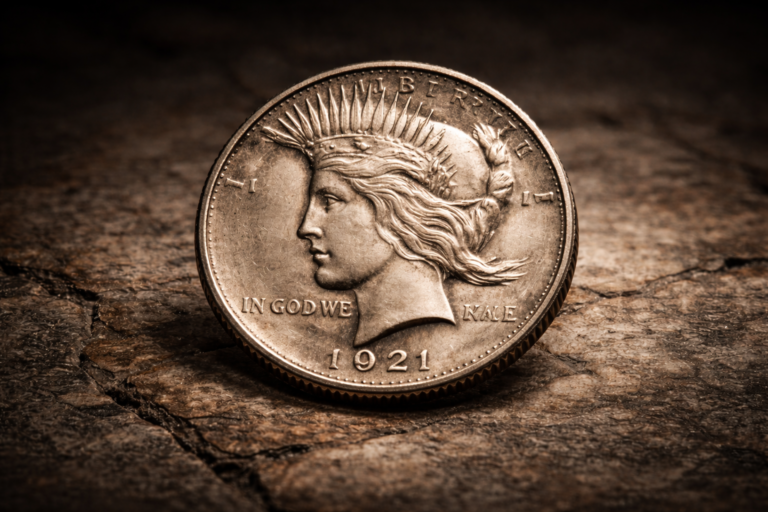
American pennies were never meant to be mysterious. They were designed to be ordinary companions of daily life – passing from counters to pockets, slipping into drawers, falling between floorboards, and resting for decades in glass jars on kitchen shelves. Yet some of these small copper pieces have quietly stepped out of the background and into the spotlight, not because of charts or auctions, but because of the stories hidden behind their designs and the decisions made inside the U.S. Mint.
Forgotten pennies are not imaginary or mythical. They are real coins that once circulated alongside millions of others. What sets them apart is the history embedded in the metal: artistic debates, sudden design changes, wartime improvisations, unexpected production quirks, and subtle details that most people never noticed. When seen through the lens of time, these coins stop being simple one-cent pieces and become compact narratives about a nation and its evolving identity.
This article explores that hidden side of American pennies. It follows them into mint workshops, where sculptors argued over portraits and symbols; onto production floors, where machines pushed steel and copper to their limits; and through historical turning points, when a single year on a cent quietly mirrored a larger story unfolding across the country.
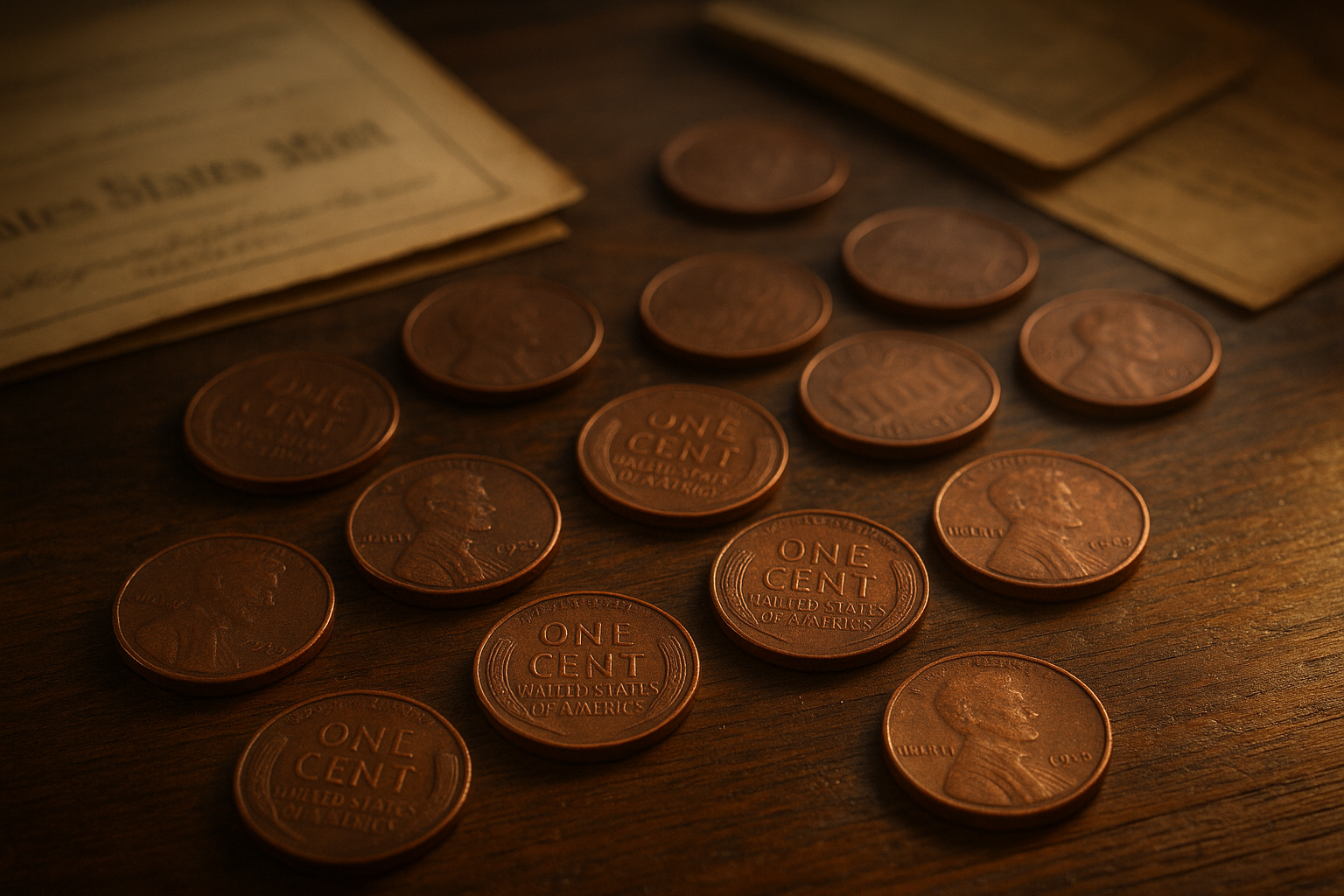
These stories are not about numbers or charts. They are about design choices, historical context, and the human element that quietly shaped coins most people never gave a second thought. From the symbolic transformation of the Indian Head series to the controversial arrival of the Lincoln cent, from the improvised steel pennies of wartime to the eerie doubling of a design in the mid–twentieth century, forgotten pennies offer something deeper than simple transactions: they offer memory.
1. The Birth of Legends Inside the Mint
Every legendary penny began its life in a place that feels more like a factory than a museum. Inside the U.S. Mint, practical concerns usually rule the day: durability, production speed, metal supply, and clear legibility. Dies must be strong, machines must run efficiently, and designs must strike cleanly on millions of blanks. In that noisy, mechanical environment, it is easy to imagine that there is little room for mystery.
Yet legends form precisely because human decisions and imperfections are woven into the process. An engraver adjusts a curve in a portrait. A designer insists on a symbolic detail. A mint worker makes a correction under time pressure. A year arrives when metal supplies change or production must be altered quickly. These micro-decisions and stressful moments rarely make it into official reports, but they leave their fingerprints on the coins.
When you look at certain pennies today, you are not just seeing a stamped design. You are seeing the result of debates that once filled meeting rooms, the compromises between artistic idealism and industrial reality, and the quiet improvisations that kept the presses running. Legends are born when collectors, historians, and keen observers later return to these coins, connect the clues, and reconstruct what really happened behind the scenes.
2. The Indian Head Pennies – A Symbolic Transformation
The Indian Head cent, introduced in the nineteenth century, represents one of the most striking transformations in the story of the American penny. Designed by James B. Longacre, the coin shows Liberty wearing a feathered headdress—a careful fusion of classical allegory and Indigenous symbolism.
At first glance, the design appears calm and balanced. Liberty’s profile is framed by soft, graceful lines, with “UNITED STATES OF AMERICA” surrounding her. On the reverse, a wreath and shield frame the denomination, presenting a composition that feels rooted and grounded. But behind this apparent simplicity, the coin reflects debates over national identity, representation, and the role of classical imagery in a modern republic.
The Indian Head cent replaced the short-lived Flying Eagle design, which created production challenges and did not wear well in circulation. The new design had to be technically reliable and visually distinctive. Longacre’s choice of imagery was bold, blending familiar allegory with references to Native American culture in a way that would later be both admired and criticized.
Over its decades of circulation, the Indian Head cent witnessed enormous changes: industrial growth, waves of immigration, shifts in political power, and the emergence of new American narratives. It became an unintentional documentary, carrying a portrait that tried to hold together many layers of identity in a single, small disk of metal.
3. The 1909 Lincoln Cent – A Controversial Introduction
In the early twentieth century, another transformation took place: the introduction of the Lincoln cent in 1909. This coin broke with tradition by placing a real historical figure on a U.S. circulating coin. Until then, American coins mainly featured allegorical representations such as Liberty—timeless, symbolic, and intentionally non-personal.
The decision to honor Abraham Lincoln on the cent was rooted in commemoration and memory. The nation wished to mark the centennial of his birth, and designer Victor D. Brenner created a dignified portrait that continues to define the one-cent coin to this day. Yet the launch did not go smoothly.
Brenner’s initials, “V.D.B.,” appeared prominently on the reverse of the earliest coins. Some members of the public and press viewed this as too self-promotional for official currency, and criticism mounted quickly. Discussions inside the Mint and Treasury led to a rapid redesign. The initials were removed, production was adjusted, and the first version of the coin with the full signature became a brief, heavily discussed chapter in coinage history.
The controversy did not center on the basic idea of honoring Lincoln, but on how the artist’s presence should be acknowledged. A simple set of initials had unexpectedly drawn a line between personal credit and public symbolism. The result was a coin that carried not just a portrait, but also the imprint of a debate about artistic recognition and national representation.
4. The Pennies of 1914 – Shadows from a Divided Era
The year 1914 occupies a peculiar space in history. It marked the beginning of a global conflict that reshaped nations, even as life in the United States moved through complex transitions of its own. Pennies minted in 1914 do not show any direct reference to these incoming storms. Their designs remained the same, their inscriptions unchanged.
Yet context matters. Those coins moved through a country dealing with industrial tension, labor movements, and shifting social structures. They passed between factory workers, business owners, office clerks, and families watching news from abroad with growing concern. In this sense, the 1914 cents became quiet witnesses to a moment when the familiar surface of daily life concealed deeper undercurrents.
Looking back, collectors and historians sometimes treat coins from certain years as symbolic bookmarks. The 1914 pennies are not dramatic in design, but the atmosphere of their time gives them a distinct character. They belong to an era standing between stability and upheaval—ordinary coins moving through extraordinary circumstances.
5. The 1922 “Missing Mark” Pennies – When Silence Spoke
Few episodes in penny history are as quietly puzzling as what happened in 1922. That year, the Denver Mint was the only facility striking cents. No pennies were produced in Philadelphia or San Francisco. Under normal circumstances, every cent from that year should therefore show the Denver mint mark.
However, under heavy production pressure, some dies used at Denver were over-polished. In the process, the small “D” mint mark was weakened and, on certain pieces, vanished from view. The resulting coins appeared to be cent pieces from a mint that officially struck none that year.
The “missing mark” pennies capture the strange power of absence. A tiny letter, removed unintentionally by routine maintenance, transformed an ordinary cent into the center of curiosity and careful study. Inside the mint, it was likely seen as a simple technical outcome. Outside, it became a story about how even silence on a coin can speak loudly to those looking closely.
For students of numismatics, these cents are not just anomalies. They are case studies in how production constraints, human decisions, and material limits can leave traces that later generations read as chapters in a long, unwritten narrative.
6. The 1943 Steel Pennies – War, Metal, and Improvisation
The story of the 1943 steel cents begins far from the mint—on battlefields, in factories, and in supply depots. During the Second World War, copper was needed for critical equipment and ammunition. The U.S. Mint suddenly found itself under pressure to conserve copper and adapt quickly to a new reality.
The solution was to strike cents in zinc-coated steel. The new coins had a pale, silvery appearance that surprised many people who were used to the warm tone of copper. They looked more like small tokens from another system than the familiar one-cent piece that had circulated for decades.
Producing coins in steel introduced challenges. The metal behaved differently in the presses, wore down dies in new ways, and reacted to moisture and circulation conditions with its own quirks. The mint had to keep pace with wartime demands while learning, in real time, how to manage a different material under intense scrutiny.
These steel cents have since come to represent more than just an experiment. They embody the sense of urgency and improvisation that defined domestic life during the war. Every piece encapsulates a small glimpse of how even the nation’s coinage had to bend to the needs of a larger struggle.
7. The 1955 Doubled Design – An Echo in Copper
Among the most visually striking pennies in American history is the 1955 piece with a doubled design on the obverse. A misalignment during die preparation caused parts of the inscriptions and design elements to be impressed twice, slightly shifted from one another. Under magnification, the letters and numbers seem to vibrate, as if the coin were trying to speak in more than one voice at once.
Inside the mint, this kind of technical issue begins as a routine production concern. Dies are created, inspected, and occasionally reworked, all under constant time pressure. Somewhere in that process, a die with doubled features entered service long enough to strike a number of coins. By the time the issue was fully understood, some of those pieces had already moved out into the wider world.
The resulting coin feels almost theatrical. It does not announce itself in sound or movement, but its design carries a kind of visual echo. The portrait of Lincoln, the mottoes, and the date all appear to have a shadow, a second outline just behind the first. It is as if the mint’s machinery had paused for a moment between two decisions and left both impressions on the metal.
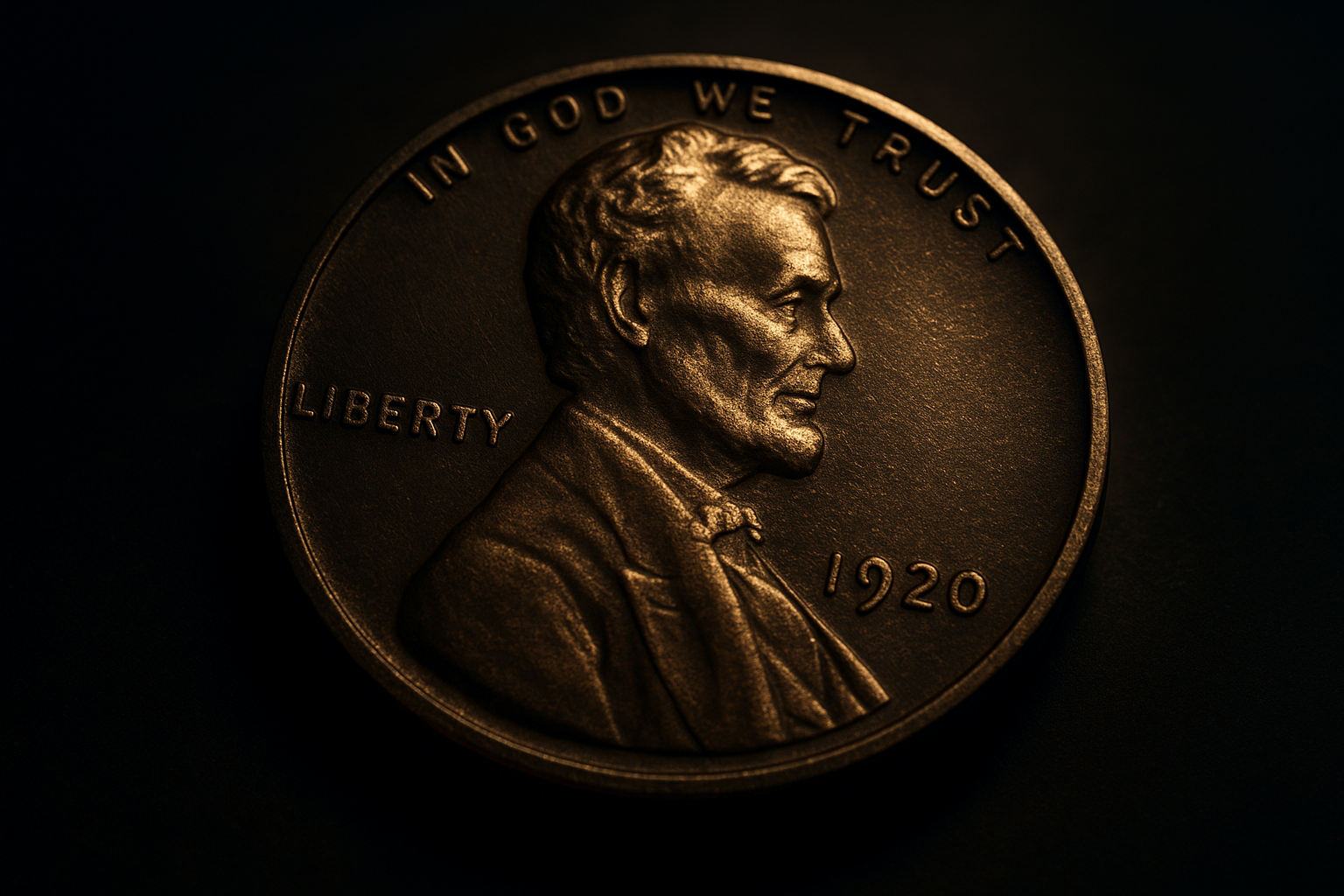
For many enthusiasts, this penny represents the intersection of human error and enduring fascination. It reminds us that even in highly controlled environments, unintended outcomes can become some of the most memorable artifacts. In the soft doubling of its features, the coin carries a quiet echo of the people and processes that shaped it.
8. Symbols Hidden in American Pennies
Beyond technical stories and production surprises, American pennies also carry a rich language of symbols. The progression from classic allegories to portraits of real individuals reflects shifting ideas about how a nation sees itself and what it chooses to honor on its smallest denomination.
The headdress worn by Liberty on the Indian Head cent, the strong yet thoughtful profile of Lincoln, the wreaths, shields, and inscriptions—all of them were carefully chosen. Nothing on these coins is accidental. Each element speaks to concepts like unity, sacrifice, resilience, and collective memory.
Even changes in metal composition tell symbolic stories. The shift to steel during wartime, the return to copper, and later adjustments all mirror larger changes in national priorities and resources. A penny may seem insignificant when viewed alone, but as part of a historical sequence, it becomes a visual chronicle of a country adapting to internal and external pressures.
9. Summary Table – Forgotten Pennies at a Glance
The table below gathers some of the key penny stories highlighted in this article. Each row represents a different moment when design, history, and mint decisions combined to create a coin that feels more like a chapter than a simple object.
| Penny Type | Era | Legendary Aspect |
|---|---|---|
| Indian Head Cent | Late 19th to early 20th century | Symbolic fusion of classical Liberty and Indigenous imagery. |
| Lincoln Cent (1909 Introduction) | Early 20th century | First use of a real historical figure on a circulating U.S. coin. |
| Cents of 1914 | Pre-war transitional period | Ordinary design carrying the atmosphere of an uncertain era. |
| 1922 “Missing Mark” Cents | Post–First World War | Over-polished dies erasing a mint mark and creating quiet intrigue. |
| 1943 Steel Cents | World War II | Wartime adaptation reflecting resource conservation and urgency. |
| 1955 Doubled Design Cents | Mid–20th century | Striking design echo created by a misaligned die impression. |
10. Closing Thoughts – A Copper Chronicle
American pennies may be small, but the stories they carry are anything but. They reflect decisions made in busy offices and crowded workshops, in moments of celebration and times of crisis. Each piece described here is part of a larger narrative that connects individuals, institutions, and eras.
Holding one of these historic cents today is like holding a condensed chapter of American history. The portraits, symbols, dates, and subtle quirks are not random. They are the visible traces of discussions, challenges, and hopes that once surrounded the nation’s smallest denomination.
Forgotten pennies remind us that everyday objects can become powerful storytellers. They do not speak out loud, but their surfaces remember. For anyone willing to look closer, they offer a quiet invitation: turn the coin in the light, follow the lines and letters, and listen to what the mint, the era, and the people behind them have left behind in copper and steel.
Frequently Asked Questions
1. Why do some American pennies have unusual design features?
Many design variations came from technical adjustments, die maintenance, or shifts in artistic direction within the U.S. Mint. These changes often reflect historical circumstances rather than intentional rarity.
2. Are mint errors always discovered immediately?
Not always. Some errors went unnoticed during production and only gained attention decades later when collectors examined them closely.
3. What makes a penny historically significant?
Historical significance usually comes from design changes, cultural symbolism, production challenges, or unexpected variations that reveal insight into the minting process.
4. Do all unusual pennies come from rare years?
No. Many fascinating pennies originated from common years but gained interest due to mint decisions, metal changes, or subtle engraving differences.
5. Are these stories based on real mint records?
Yes. The narratives surrounding these pennies are grounded in documented U.S. Mint history, production logs, design archives, and widely recognized numismatic research.
Reality Check
While American pennies often appear simple at first glance, their history is shaped by real decisions made under pressure, cultural shifts that influenced national identity, and technical moments inside the mint that were never meant to create legends. Most of these coins circulated quietly among millions of others, yet their stories reveal how even small design changes or production challenges can leave a lasting imprint on numismatic history.
Final Verdict
Forgotten American pennies are more than everyday coins. They are small historical documents that preserve artistic intention, national transformation, and unexpected mint decisions. By examining their origins, symbolism, and production quirks, we gain a clearer understanding of how ordinary objects can become extraordinary storytellers. These pennies remind us that history often hides in plain sight — waiting for someone curious enough to look closer.
Share This Story
If you enjoyed this article, feel free to share it on your favorite platform.
Continue the Journey
The world of numismatic history is filled with untold stories. Explore more chapters from the past and uncover the hidden moments preserved in the coins we often overlook.
More Stories You May Enjoy

HistoraCoin Team
The HistoraCoin Team researches and documents historical stories behind world coins, uncovering the hidden narratives, artistic decisions, and cultural moments preserved in metal. Every article aims to bring numismatic history to life with clarity, accuracy, and engaging storytelling.