The Indian Rupees That Refused to Fade
Estimated reading time: 13 minutes.
The Indian Rupees That Refused to Fade
Some coins disappear quietly. They vanish from circulation, fade from memory, and survive only as footnotes in history books. Others refuse to fade. They endure wars, empires, reforms, and revolutions, carrying their stories forward long after their original purpose has passed. The Indian rupee belongs firmly to the second category.
For centuries, rupee coins moved through bazaars, ports, royal treasuries, and colonial offices. They were touched by merchants, soldiers, farmers, and rulers. Each one absorbed fragments of the era that shaped it. Even today, long after many of these coins stopped circulating, their presence remains powerful. Not because of numbers or charts, but because of what they represent.
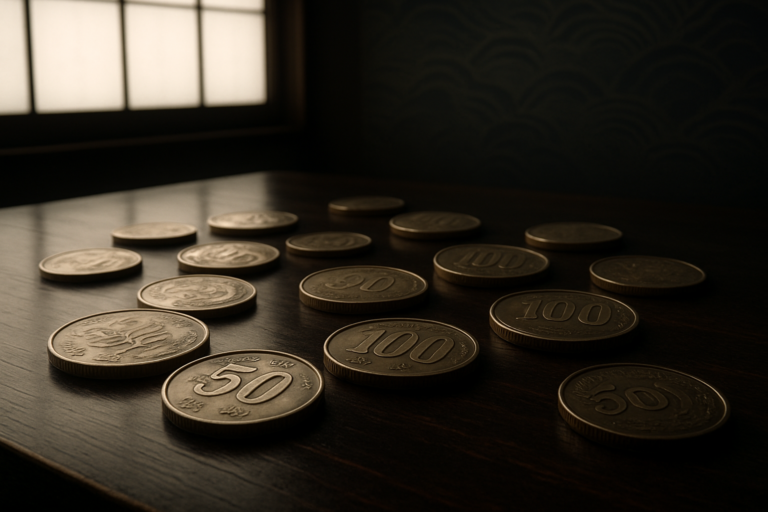
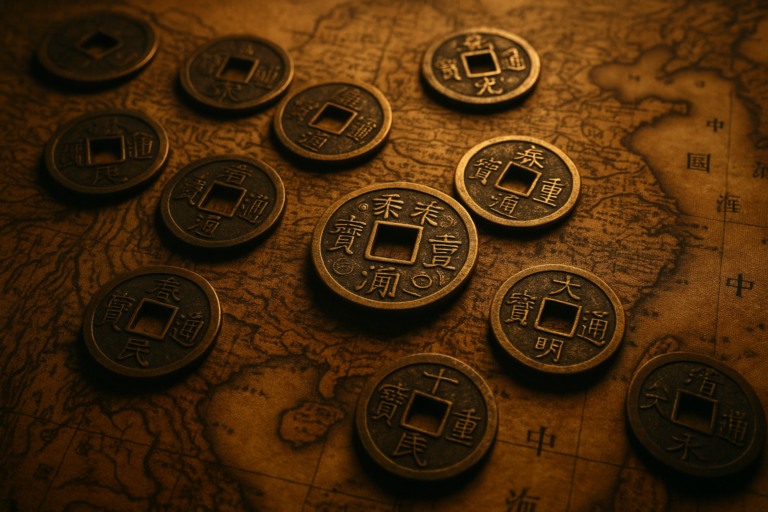
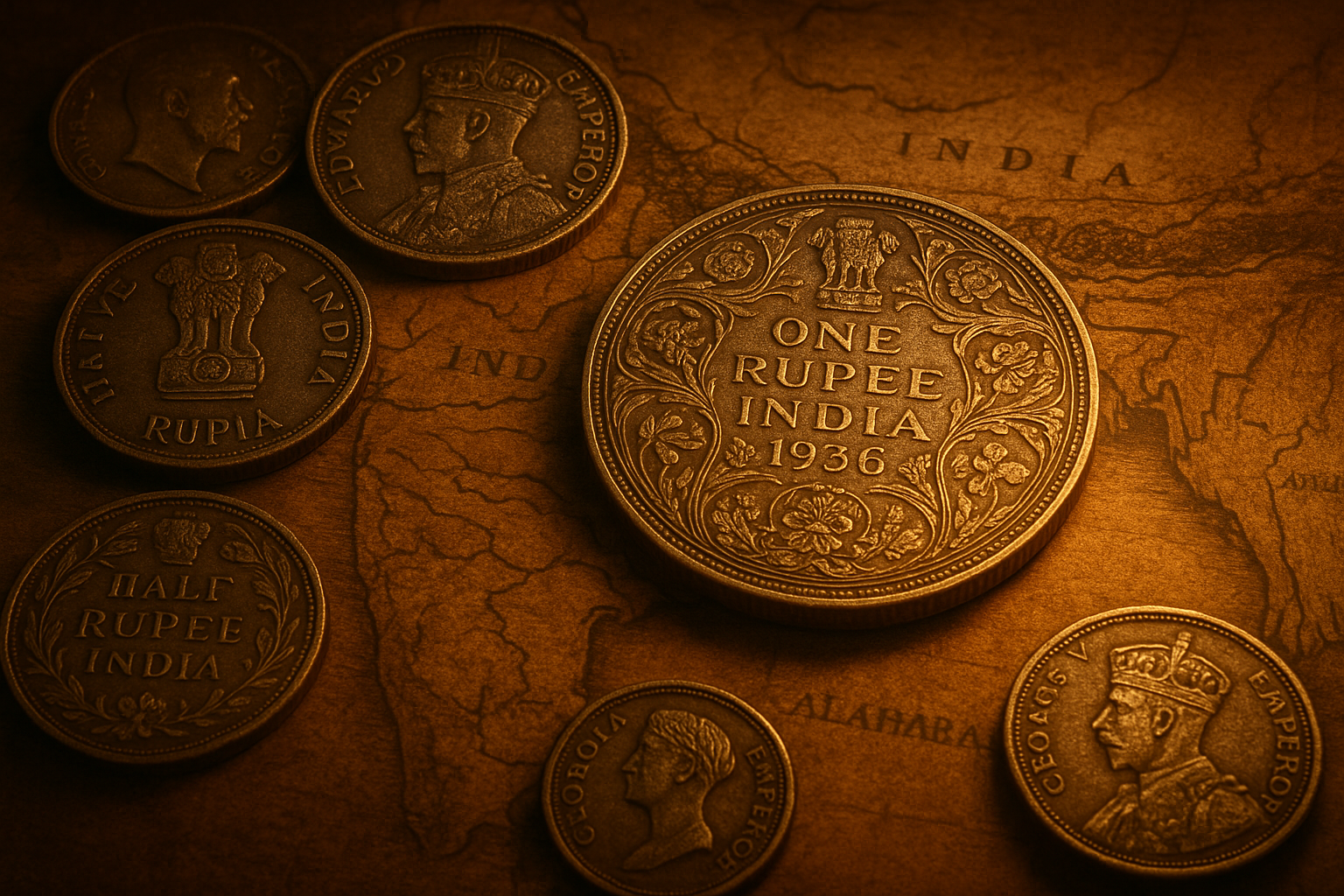
This article explores real Indian rupee coins from different historical periods and the stories they refused to surrender to time. These are not myths or legends invented after the fact. They are genuine coins, struck under real authorities, shaped by political change, cultural identity, and human resilience.
The Origins of the Rupee
The word “rupee” traces its roots to ancient India, where silver coins were already circulating long before modern nation-states existed. Early rupee-like coins were valued not only for their metal but for the authority they represented. They carried the mark of a ruler, a kingdom, or an empire, signaling trust in a fragmented world.
Unlike many coin systems that constantly reinvented themselves, the rupee demonstrated continuity. Its form evolved, but its identity endured. Even as dynasties rose and fell, the rupee remained a familiar companion in daily life.
Rupees Under Empire
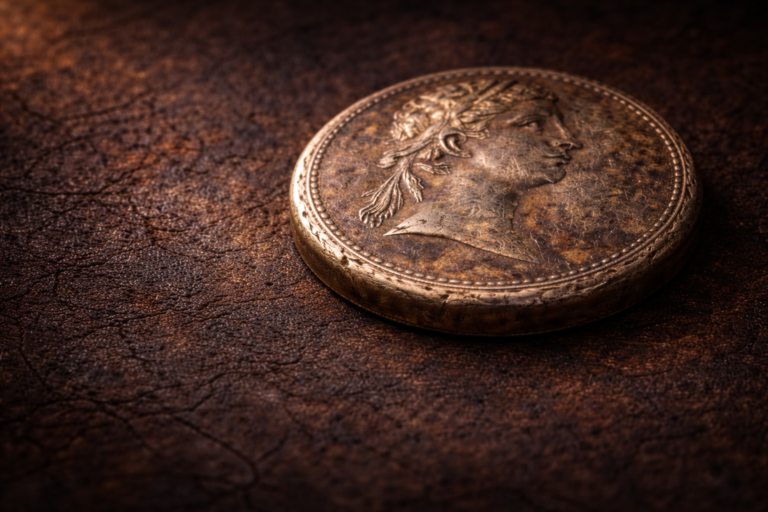
Colonial rule reshaped the rupee without erasing it. Under British administration, rupee coins adopted standardized weights, metals, and designs. Portraits replaced symbols. Inscriptions shifted languages. Yet the rupee remained unmistakably Indian.
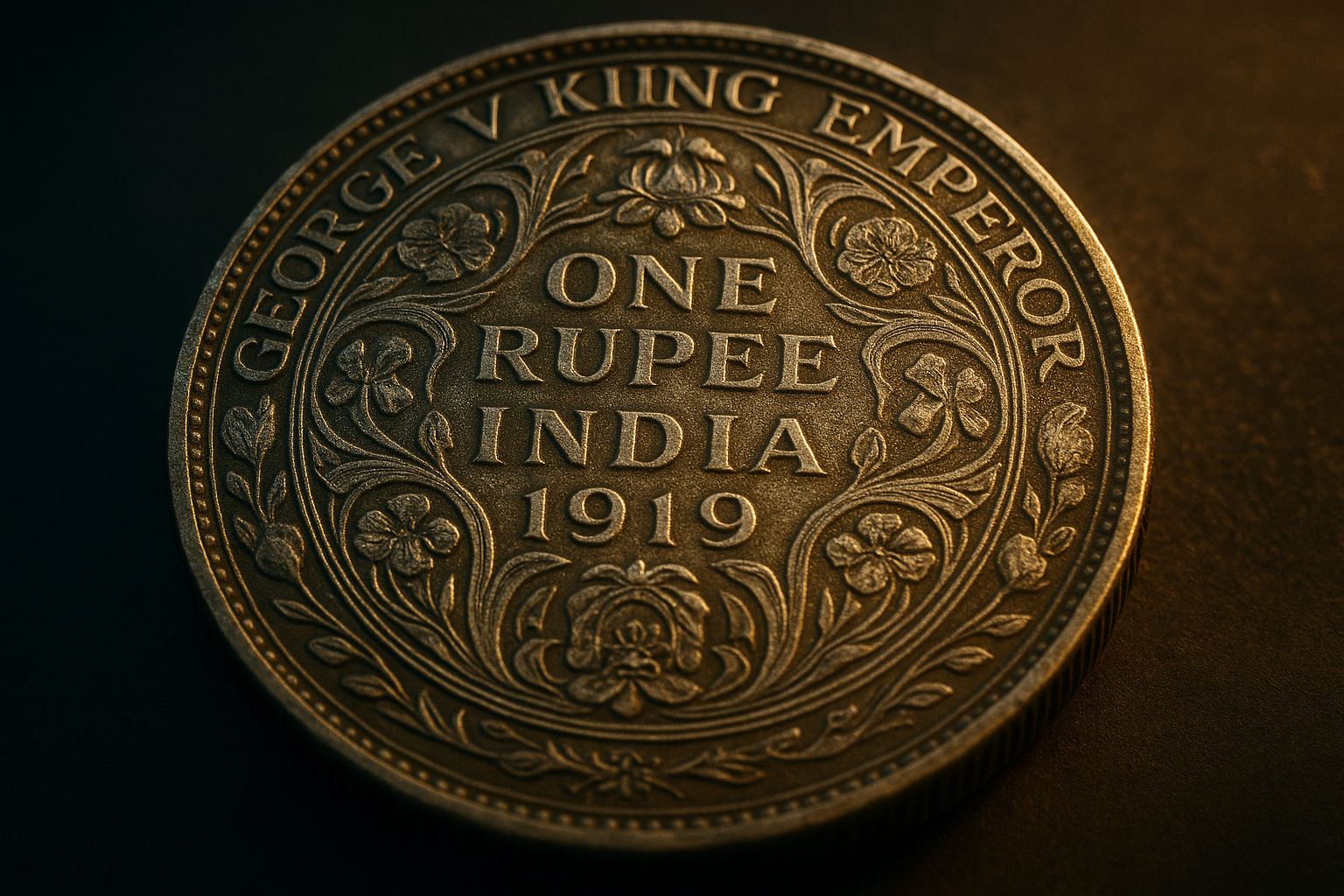
These colonial-era coins tell a complex story. They reflect power structures imposed from outside, but also the persistence of local economic habits. The rupee was adapted, not replaced. It survived by bending rather than breaking.
Symbols Engraved in Metal
Every rupee carries visual language. Emperors, coats of arms, scripts, and dates were not decorative choices. They were deliberate statements. A ruler’s face signaled authority. A crown signaled allegiance. A script choice signaled cultural hierarchy.
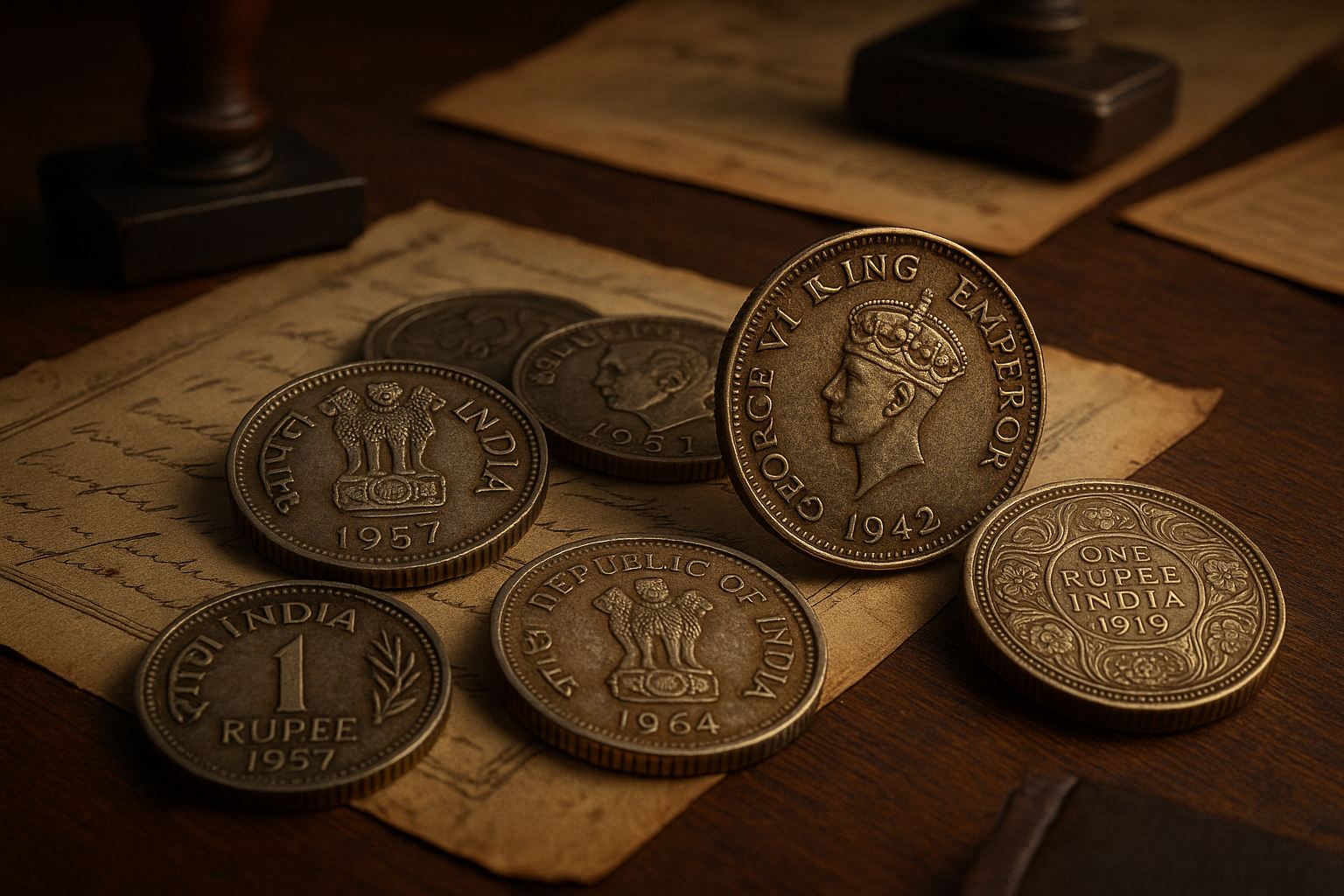
Yet beyond official symbolism, wear patterns tell their own story. Smooth edges, softened portraits, and faded lettering reveal how intensely these coins were used. They were not ceremonial objects. They were tools of survival.
Coins That Survived Change
Some rupees passed through independence movements, currency reforms, and political upheavals. Their metal remained the same while the world around them transformed. A coin minted under colonial rule might later sit in a post-independence household, silently bridging two identities.
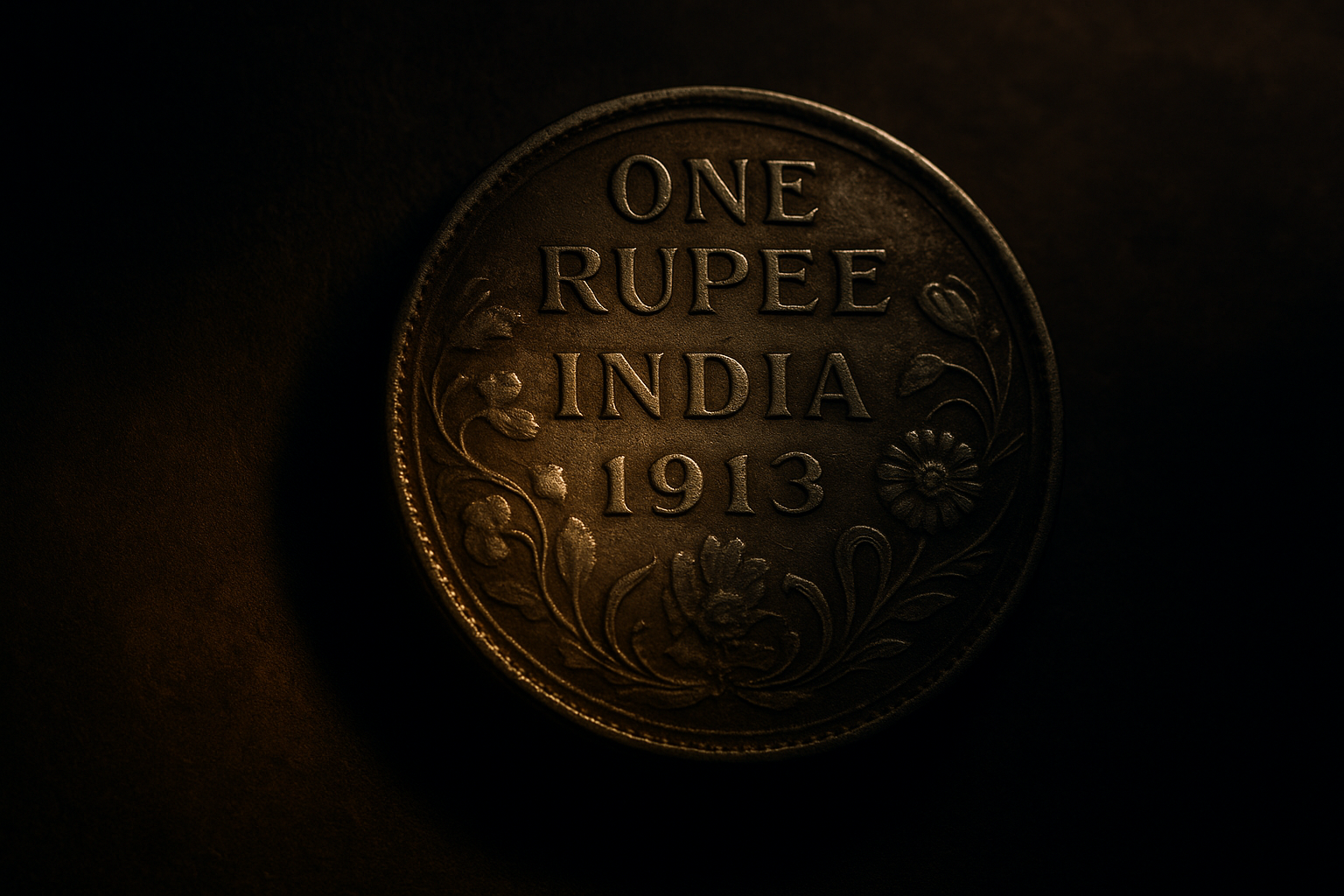
This endurance is what gives these coins their lasting appeal. They are not defined by a single era. They are defined by continuity.
Frequently Asked Questions
Are these rupee coins real historical issues?
Yes. Every rupee discussed here was officially minted and circulated during its time.
Why are rupee coins historically important?
They document political authority, economic systems, and cultural transitions across centuries.
Do rupee designs change often?
Designs evolved gradually, often reflecting shifts in power rather than abrupt redesigns.
Reality Check
Rupee coins are often misunderstood as simple currency artifacts. In reality, they function as historical documents. Their significance comes from context, not condition or modern perception.
Final Verdict
The Indian rupees that refused to fade remain among the most revealing witnesses to South Asia’s past. They survived empires, reforms, and revolutions, carrying memory forward in metal. To study them is to study history in its most tangible form.
Dive deeper into the forgotten histories preserved in coins from around the world.

HistoraCoin Team
The HistoraCoin Team researches and documents historical stories behind world coins, uncovering the hidden narratives and cultural moments preserved in metal.