The Legendary Asian Coins That Shaped Empires
Estimated reading time: 13 minutes.
The Legendary Asian Coins That Shaped Empires
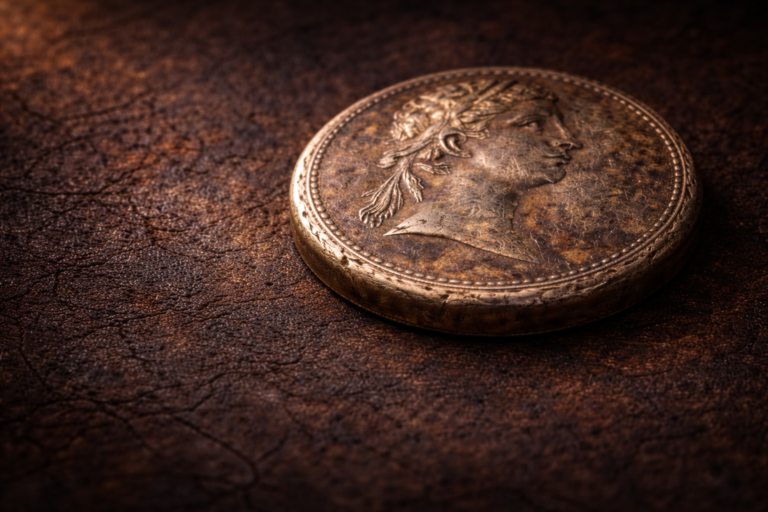
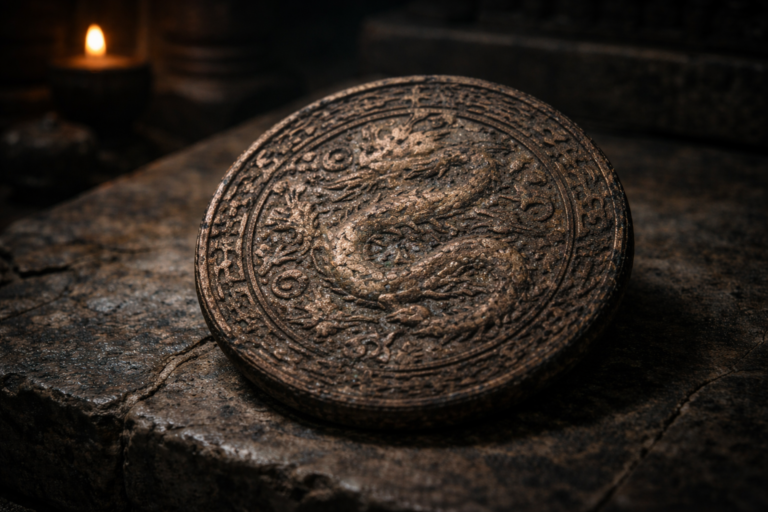
Across Asia, coins were never just tools of exchange. They were instruments of authority, symbols of belief, and silent witnesses to the rise and fall of empires. From imperial China to the Indian subcontinent and beyond, metal currency carried messages far more powerful than numbers. Each inscription, portrait, and symbol reflected who ruled, what was valued, and how power was projected across vast territories.
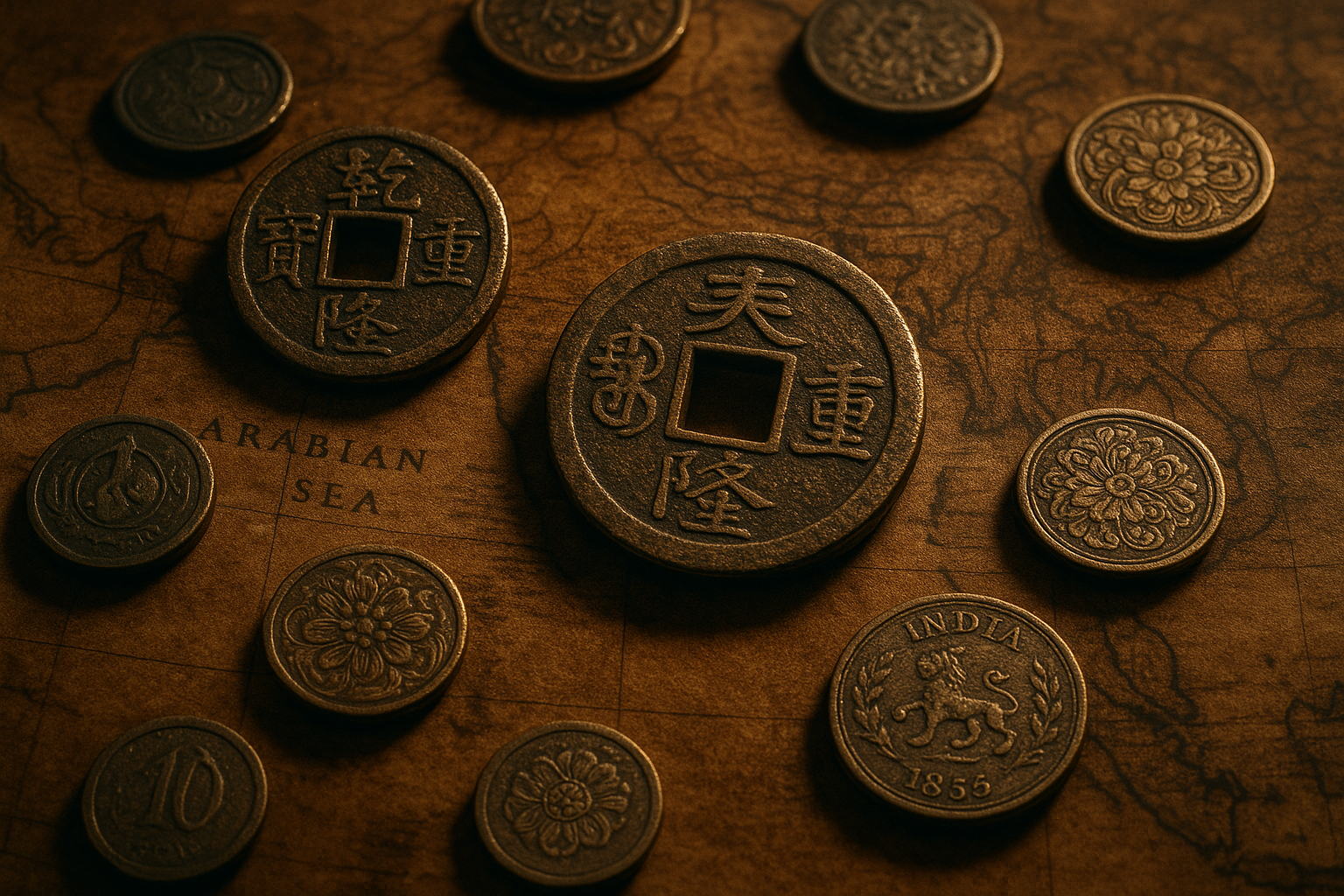
Long before modern borders existed, Asian coins traveled along trade routes that connected civilizations. Merchants carried them across deserts and seas, soldiers received them as proof of allegiance, and ordinary people used them in daily life without realizing they were holding fragments of history. These coins shaped economies, reinforced dynasties, and helped define cultural identity across centuries.
This article explores legendary Asian coins that influenced empires and left enduring marks on history. They are not remembered for numerical comparisons, but for the roles they played in governance, trade, religion, and art. Each piece tells a story of ambition, endurance, and human ingenuity.
Coins as Tools of Empire
In Asia, coinage often functioned as an extension of political authority. Rulers understood that controlling currency meant controlling trade, taxation, and loyalty. A coin issued by an emperor or dynasty was a declaration of legitimacy, circulating that message to the most remote corners of an empire.
Unlike written decrees or monuments, coins moved constantly. They passed through countless hands, spreading symbols of power with every transaction. For this reason, Asian rulers invested heavily in coin design, choosing imagery that reinforced divine favor, military strength, or cultural continuity.
Imperial Chinese Coinage
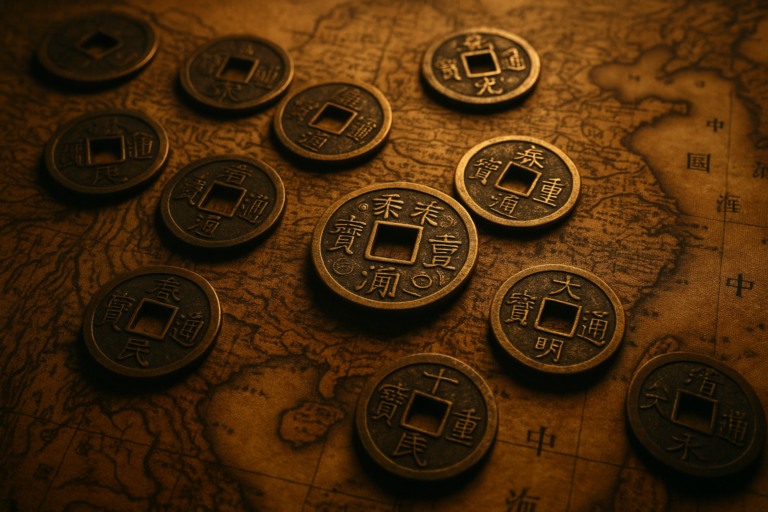
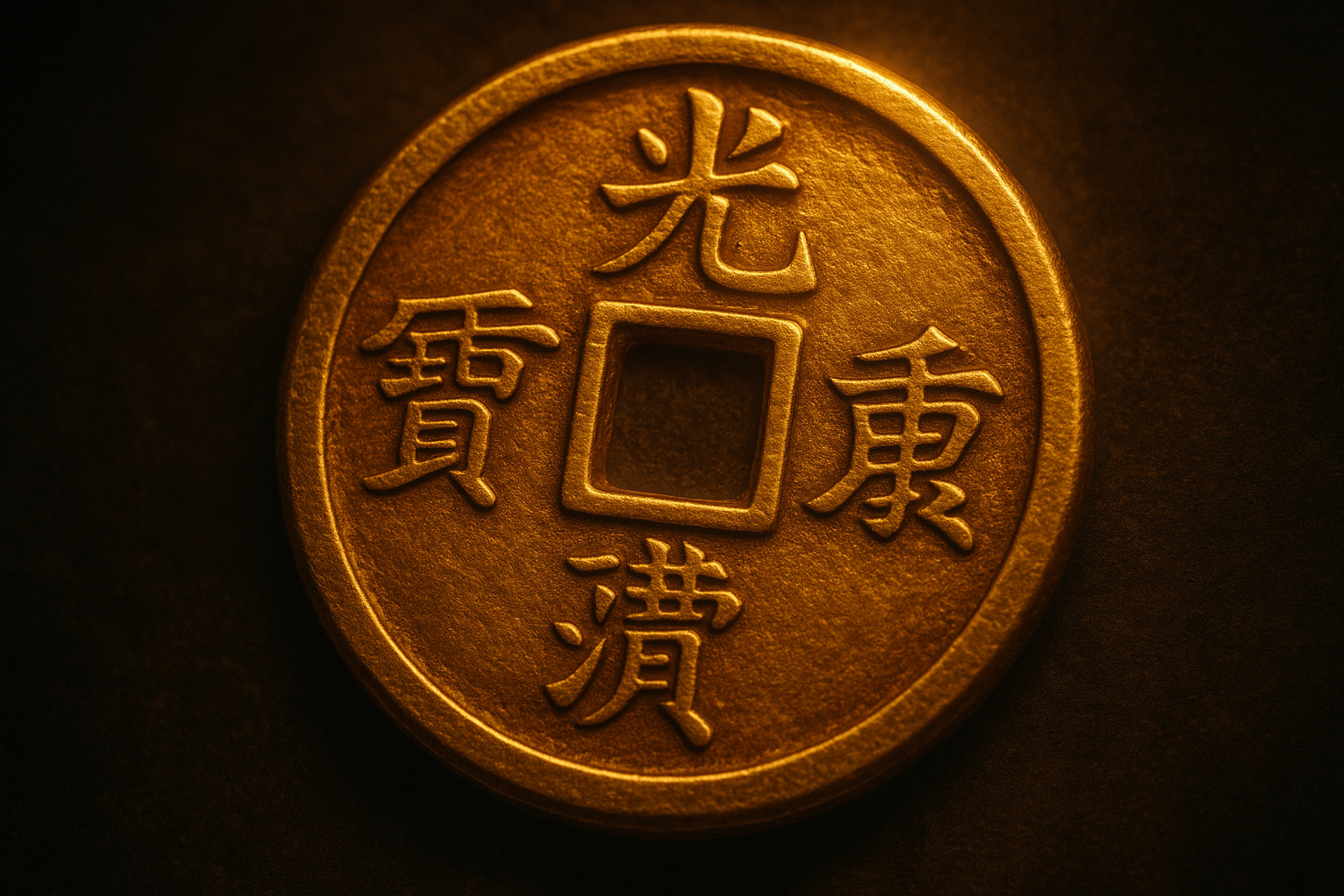
Chinese coinage represents one of the longest continuous monetary traditions in human history. For centuries, cash coins with square central holes dominated circulation, their form remaining remarkably consistent across multiple dynasties. This continuity was intentional, reinforcing stability and cosmic order.
© HistoraCoin.com
Imperial inscriptions identified the reigning dynasty and era, linking monetary circulation directly to the emperor’s mandate. These coins symbolized harmony between heaven, earth, and ruler, a concept deeply rooted in Chinese political philosophy.
Indian Coins and Dynastic Power
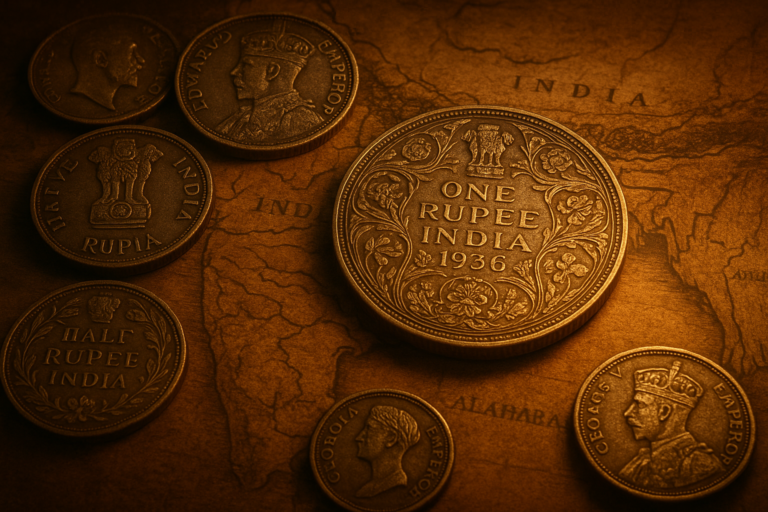
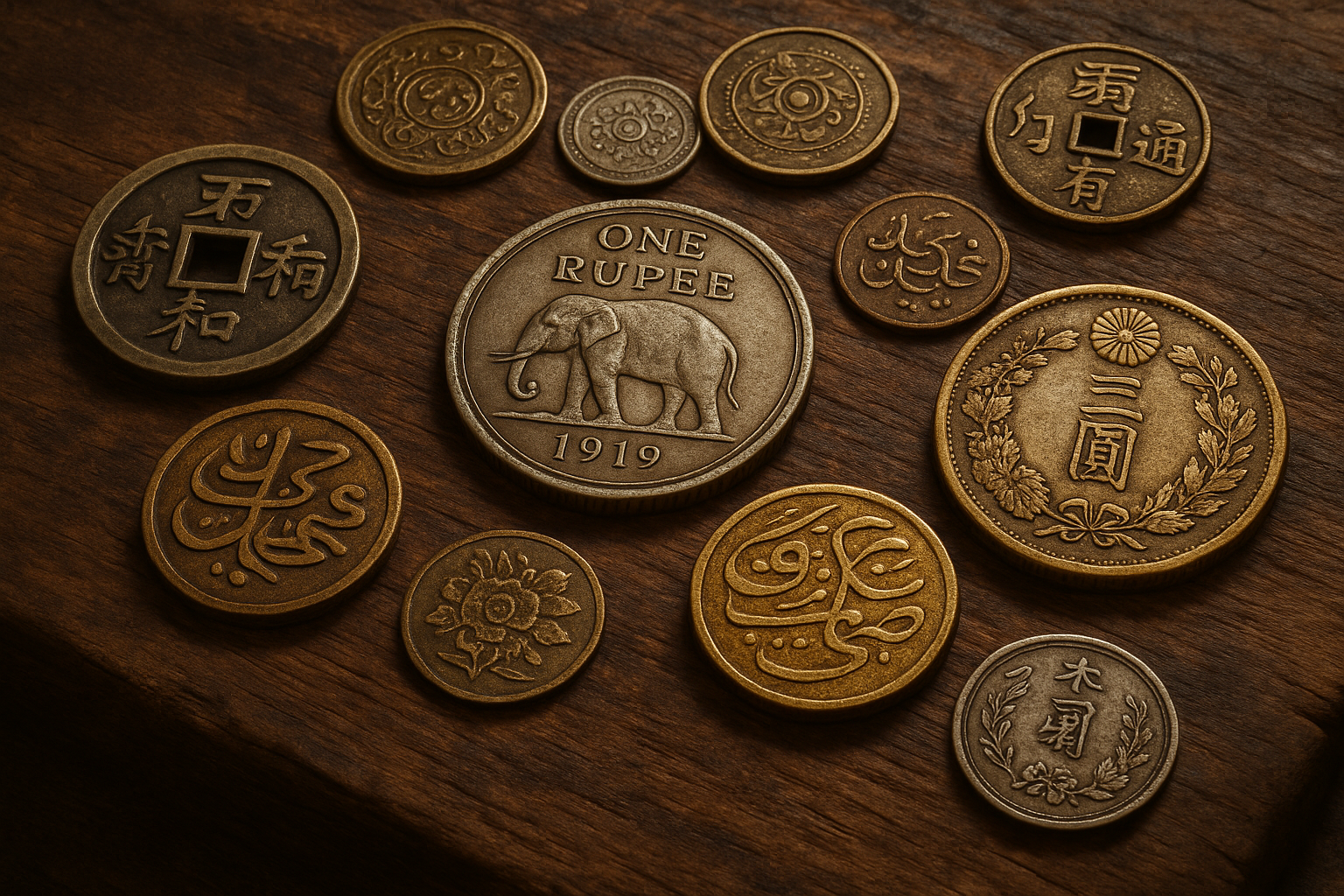
In the Indian subcontinent, coinage evolved alongside shifting dynasties and cultural influences. Ancient Indian rulers used coins to express sovereignty, religious devotion, and regional identity. Symbols, scripts, and metal choices varied widely, reflecting the diversity of the subcontinent itself.
© HistoraCoin.com
Indian coins often carried religious imagery, bridging economic function with spiritual meaning. By circulating such symbols, rulers reinforced moral authority alongside political control.
Coins That Crossed Borders
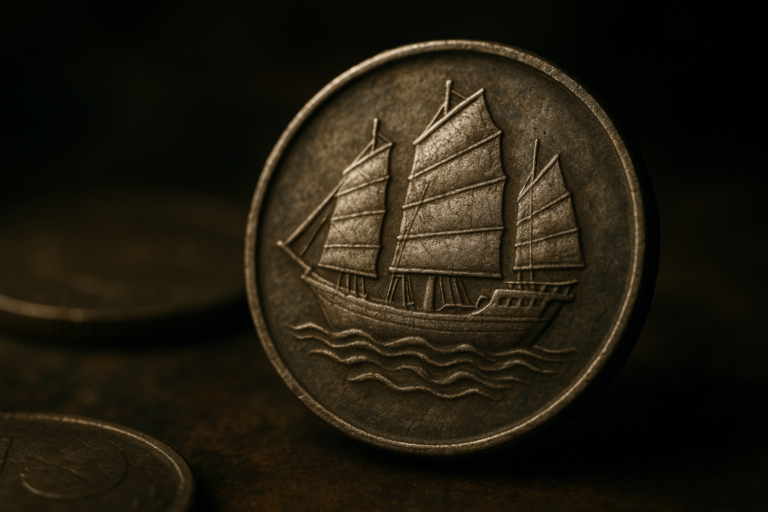
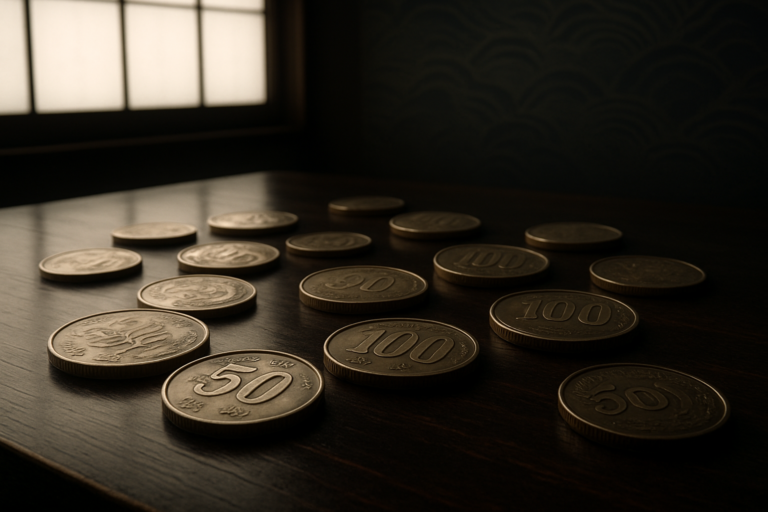
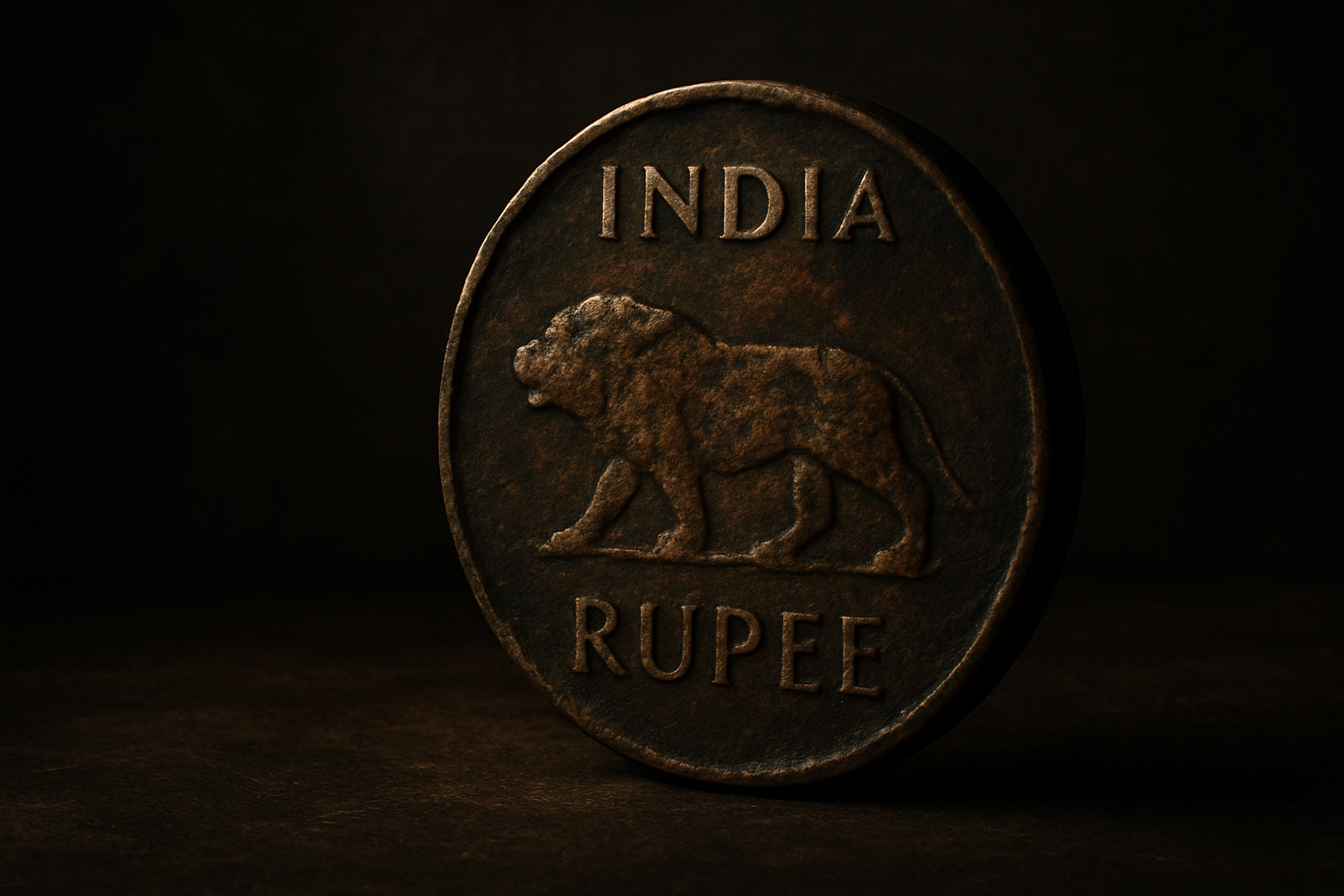
Asian coins did not remain confined within political boundaries. Through trade networks such as the Silk Road, currency traveled vast distances, influencing regions far from its origin. Foreign coins were sometimes accepted, adapted, or imitated, creating hybrid monetary systems that reflected interconnected economies.
© HistoraCoin.com
This cross-border movement allowed coins to become ambassadors of culture, carrying scripts, artistic styles, and political messages into new lands.
Why These Coins Endured
The endurance of legendary Asian coins lies in their adaptability. They survived regime changes, economic reforms, and cultural shifts. Rather than being replaced entirely, many designs evolved gradually, maintaining familiarity while accommodating new realities.
This balance between continuity and change allowed coins to remain trusted. In times of uncertainty, familiar currency provided reassurance, anchoring societies during transitions of power.
Frequently Asked Questions
Why are Asian coins considered historically influential?
Asian coins often served as instruments of governance, religion, and diplomacy, making them central to imperial administration and cultural identity.
Did Asian coins influence regions beyond Asia?
Yes. Through trade routes, Asian coins impacted neighboring regions, influencing monetary systems and artistic traditions.
Reality Check
These coins are significant because of their historical roles, not numerical comparison. Their importance lies in cultural influence, symbolism, and endurance across centuries.
Final Verdict
Legendary Asian coins shaped empires by carrying authority, belief, and identity across vast regions. They remain powerful historical artifacts that connect modern collectors with ancient civilizations.
Discover more historical coin stories on HistoraCoin and uncover the hidden past behind metal.
HistoraCoin Team
The HistoraCoin Team researches and documents historical stories behind world coins, uncovering the hidden narratives preserved in metal across civilizations.