Why Old Coins Often Look More Valuable Than They Really Were
Estimated reading time: 15–17 minutes
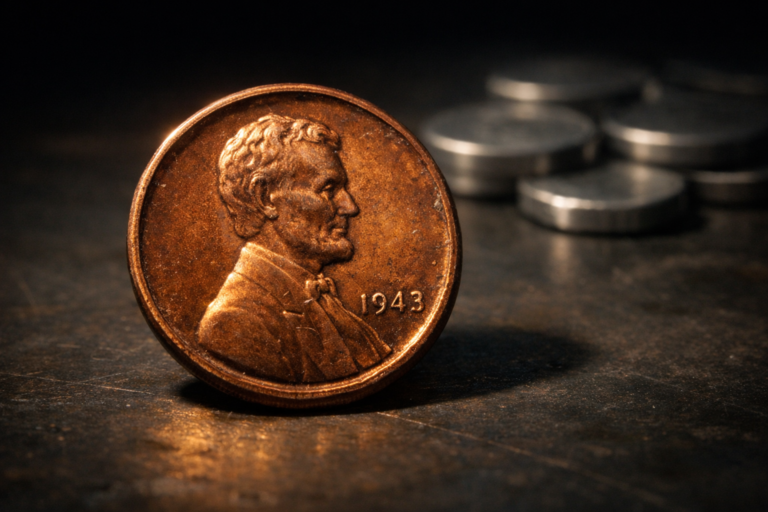
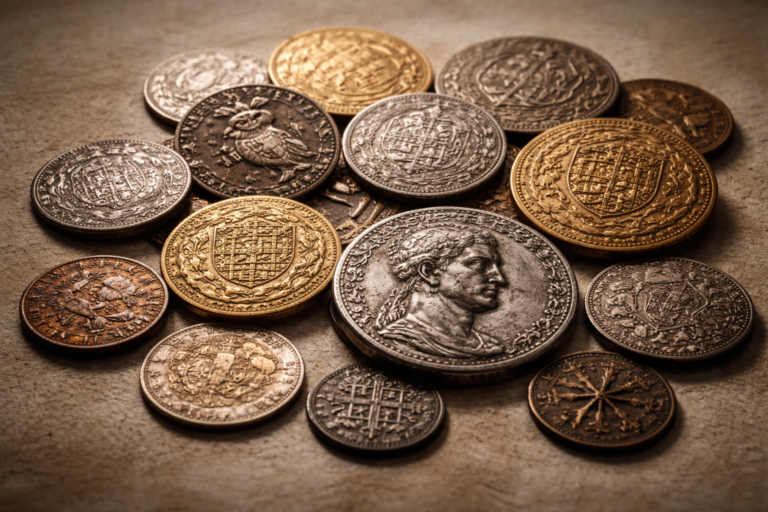
If you’ve ever held an old coin and thought, “This feels like it must have been a big deal,” you’re not alone. Old coins have a way of looking important. They carry age on their surfaces. They show wear that modern money rarely has. They sometimes feature unfamiliar symbols, older portraits, or scripts you don’t see in everyday life anymore. It’s totally normal to feel like an older coin must have been “more valuable” in some grand sense.
But here’s the twist history often reveals: a lot of the coins that look impressive today were once just… normal. They were the everyday stuff of markets, wages, and simple transactions. What changed wasn’t the coin’s original role. What changed was our distance from the world that used it. When context disappears, perception fills the gap.
Quick Takeaways
- Old coins often look “important” because time adds weight to ordinary objects
- Wear and age usually signal everyday use, not exclusivity
- Unfamiliar designs reflect cultural distance, not automatic rarity
- Historical context explains more than first impressions ever will
- Most coins that feel special today were built for routine life
Table of Contents
- Why Old Coins Feel More Valuable
- Fact Card | The “Museum Effect”
- Coins Were Made for Everyday Life
- Perception Shift | What Time Does to Meaning
- Physical Evidence | Wear Tells a Story
- Comparison Card | Feeling vs Historical Reality
- Global Perspective | Same Pattern, Different Regions
- Timeline Insight | From Pocket Change to Artifact
- Myth vs Fact | Clearing the Confusion
- Quote Highlight
- Sources and Methodology
- Final Reflection
Why Old Coins Feel More Valuable
There are a few psychological reasons older coins hit us differently. First, we tend to associate age with significance. A hundred-year-old object feels like it has survived something. Second, older coins often look more “crafted” to modern eyes because many designs were built around strong symbolism, portraits, or detailed inscriptions. Third, old coins commonly show honest wear—scratches, softened edges, smoothed high points—that modern coins rarely develop because they’re used differently today.
Put all that together and the brain creates a story: “If it looks this old and this serious, it must have been more important.” But that story skips the part where old coins were mass-produced tools. They were meant to work, not to impress. A coin’s design was often a public message, but it was still meant to be practical money, not a collectible object.
Fact Card | The “Museum Effect”
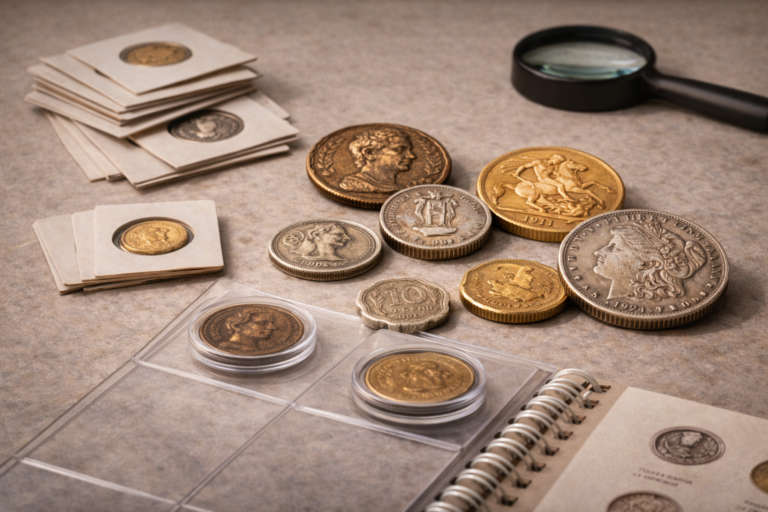
When you see an old coin in a display case or a curated photo, it feels automatically significant. That feeling is real, but it’s also contextual. Museums and collections place ordinary objects in a setting that signals importance. The coin didn’t change—its environment did.
Coins Were Made for Everyday Life
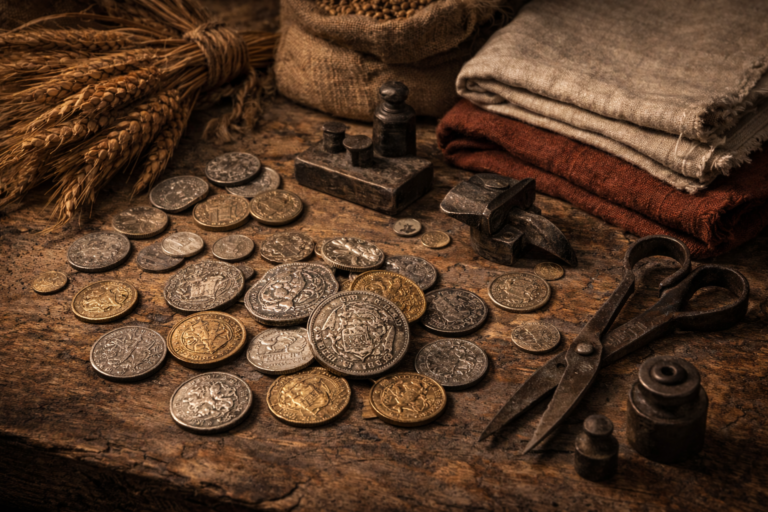
The easiest way to reset your expectations is to remember what coins were for. Coins weren’t created to be rare. They were created to be used. They needed to circulate across towns, cities, and trade routes. They needed to be recognized quickly. They needed to be trusted by people who might never meet the authority that issued them.
In many historical periods, a “successful” coin was the one that became ordinary. It was the one everyone accepted without hesitation. That kind of success usually requires broad production and constant use. So when you find a coin that looks old and worn, it may actually be a sign that it was everywhere.
Across regions, the theme repeats. European markets depended on recognizable coinage. Many Asian systems emphasized continuity and stability. In the Middle East, inscriptions carried legitimacy through text rather than portraits. In parts of Africa, coinage followed the rhythms of trade and regional exchange. Different cultural expressions, same practical goal: daily functionality.
Perception Shift | What Time Does to Meaning
Time does something strange to everyday objects. It compresses their original purpose and expands their symbolic weight. A coin that was once routine becomes a leftover from a world that no longer exists. That alone makes it feel important.
This is one reason older coins can “look more valuable” than they really were in their own time. It’s not a financial claim—it’s a perception claim. The coin feels heavier in meaning because it carries distance. You’re not just holding metal. You’re holding a connection to a different era, different habits, and different systems of trust.
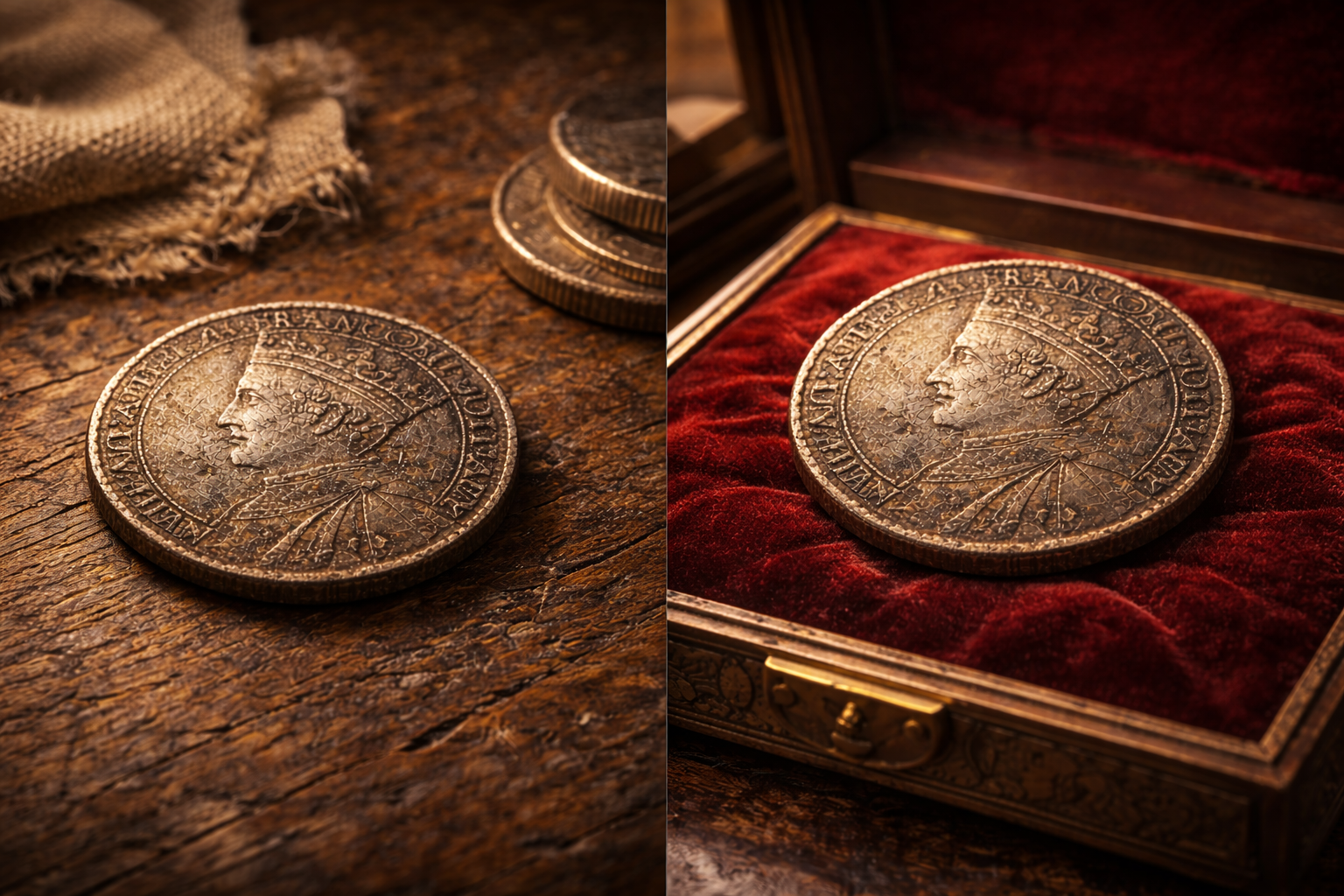
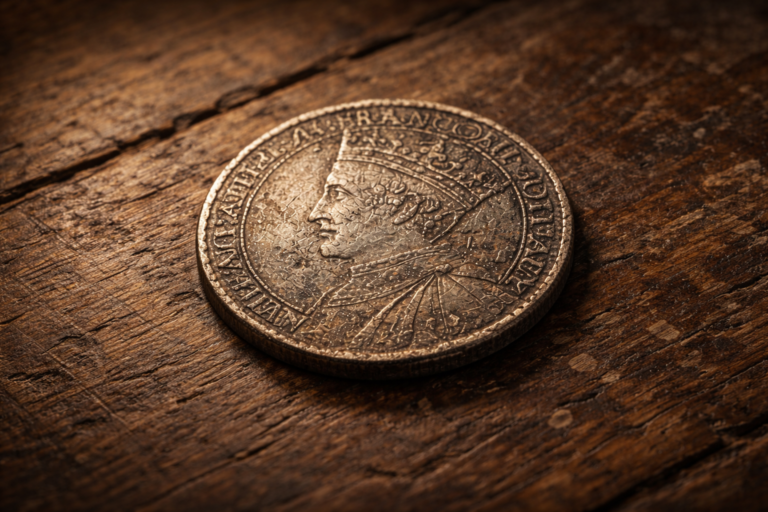
Caption: Time can transform ordinary coins into misunderstood historical symbols.
Image credit: HistoraCoin
Physical Evidence | Wear Tells a Story
If you want a grounded way to interpret older coins, start with physical evidence. Wear patterns can tell you a lot about a coin’s life. Coins that show even, widespread smoothing were likely handled repeatedly and used over long periods. High points on portraits and lettering tend to wear down first, and when you see that consistently, it’s often a sign of heavy circulation.
That kind of wear is hard to reconcile with the idea of exclusivity. A coin that lived in daily markets isn’t a secret object. It’s a public object. In many cases, the more worn it is, the more likely it was common in its time.
Production quality can also be revealing. Some coins were struck quickly, especially during periods of pressure. That can lead to uneven strikes or simpler details. Modern eyes might read that as “special” or “unusual.” Historically, it often meant “get it done” at scale. Urgency changes craft, not necessarily output.
Comparison Card | Feeling vs Historical Reality
Why It Feels More Valuable
- Age adds emotional weight
- Design looks “classic” or “serious”
- Wear feels like proof of time
- Unfamiliar symbols feel special
- Modern life rarely uses coins the same way
What History Often Shows
- Most were made for mass circulation
- Designs were standardized for recognition
- Wear often signals everyday use
- Symbols reflect culture and authority, not exclusivity
- Coins were built to be ordinary tools
Global Perspective | Same Pattern, Different Regions
This “looks more valuable” effect shows up worldwide. A coin from one region often feels exotic to someone from another region, which adds to the perception of uniqueness. But cultural distance doesn’t automatically imply limited production. It often means the coin is speaking a different visual language.
In Europe, changes in borders and leadership produced new designs that can feel unfamiliar today. In Asia, older systems with distinctive shapes or scripts can look mysterious to modern collectors, even when those designs were common for centuries. In the Middle East, inscription-focused coinage can feel unusual to people used to portraits, even though it was standard. In Africa, coins connected to trade and regional exchange can appear disconnected from modern context, creating the impression of rarity.
The consistent truth is simple: what feels rare is often just what feels unfamiliar.

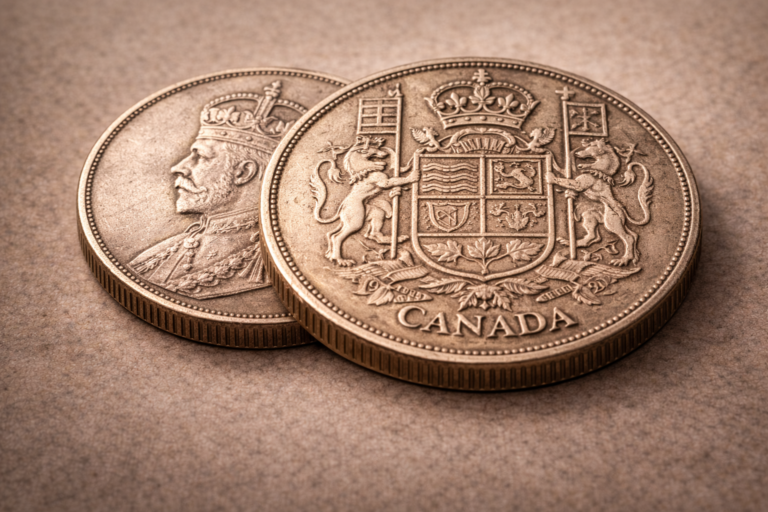
Caption: Across cultures, old coins played similar everyday roles.
Image credit: HistoraCoin
Timeline Insight | From Pocket Change to Artifact
- Then: The coin is routine, practical, and widely recognized
- Later: The monetary system evolves and the coin exits daily use
- After that: The coin becomes unfamiliar to new generations
- Now: The coin returns as an “artifact,” carrying mystery created by distance
This is the real transformation. The coin didn’t become “special” overnight. Time changed the context around it, and we interpret the coin through that new context.
Myth vs Fact | Clearing the Confusion
Myth vs Fact Card 1
Myth: Old coins look important because they were always important.
Fact: Many were routine tools, and their modern importance comes from historical distance.
Myth vs Fact Card 2
Myth: Unfamiliar design means the coin was limited.
Fact: Unfamiliar often means cultural difference, not low production.
Myth vs Fact Card 3
Myth: Wear makes a coin “special.”
Fact: Wear usually means the coin worked hard in daily circulation.
Quote Highlight
Old coins often look more valuable today because time turns everyday tools into historical symbols, even when those coins were completely ordinary in their original world.
Sources and Methodology
This article draws on historical mint documentation, museum archive descriptions, academic numismatic research, and observation of original coins from a private historical collection. The focus is educational and context-first, centered on how coins functioned in daily life and how perception changes when that context disappears.
Final Reflection
The next time an old coin feels unusually important in your hand, pause and ask a different question. Not “why is this special,” but “what world did this belong to.” That shift takes you out of assumption and into history.
Many older coins were the everyday language of trade, trust, and routine life. Their modern aura comes from distance, not from exclusivity. When you read them with context, they become clearer—and honestly, they become even more fascinating, because you’re no longer chasing an illusion. You’re meeting the past on its own terms.
Share this article
Explore more historical coin stories
If you enjoy learning how currency reflects real human history, explore more HistoraCoin guides that focus on context, design, and the decisions that shaped everyday money.
Related reading on HistoraCoin
HistoraCoin Team
HistoraCoin publishes educational, AdSense-safe coin history content focused on context, design, and real-world historical decisions behind currency—helping readers understand coins as historical records, not hype.