How Roman Emperors Used Coins to Build Their Legacy
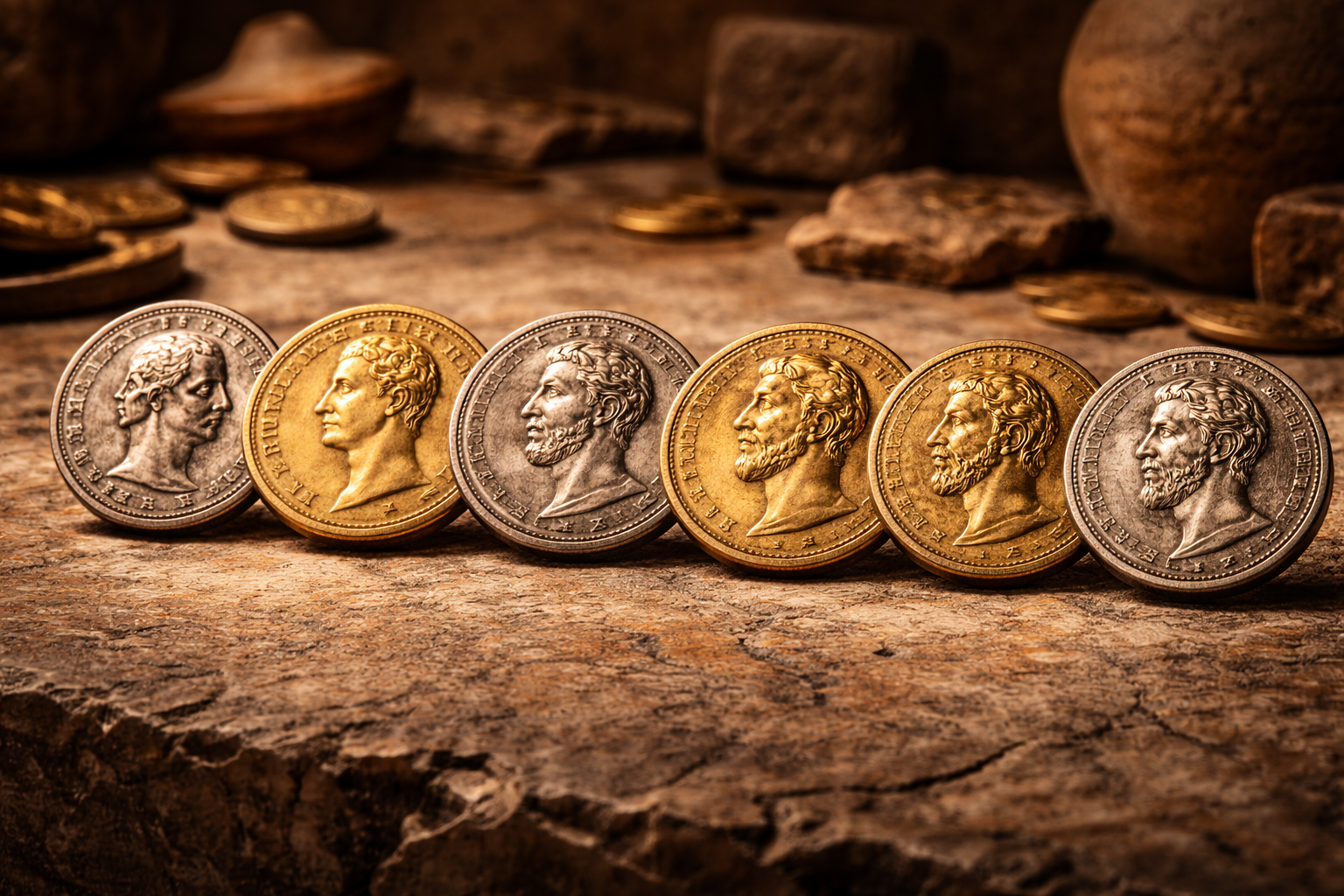
Estimated reading time: 15–17 minutes
Roman emperors didn’t just rule with armies and laws—they also ruled with stories. And one of the most effective tools they used to shape those stories was the coinage that circulated throughout the empire. Before modern advertising, before mass media, and before widespread literacy, coins helped emperors build their legacy by putting their face and symbols into the hands of everyday people.
In this article, we’ll explore how Roman emperors used coin imagery to communicate authority, reinforce legitimacy, and create lasting impressions that survived long past their lifetimes. These weren’t random artistic choices—they were strategic decisions embedded in metal.
Quick Takeaways
- Coins were powerful tools for building imperial legacy
- Portraits on coins made emperors familiar to the public
- Symbols reinforced authority and values
- Coins helped unify identity across the empire
- Legacy survived through circulation, imagery, and familiarity
Table of Contents
The Purpose of Roman Imperial Coins
Roman emperors had many ways to influence public opinion—speeches, monuments, temples—but none were as pervasive as coins. Coins traveled through cities, towns, markets, and homes. They were used by everyone, from soldiers to farmers. Unlike grand structures that only a few might visit, coins reached the entire population on a daily basis.
This ubiquity made coins an ideal canvas for legacy-building. Every time someone used a coin, they were reminded of the emperor who issued it. Instead of relying solely on oral traditions or written records, coins allowed emperors to communicate their identity and authority across the empire.
Fact Card | Coins and Legacy
Roman coins served as both currency and legacy tools. They circulated widely and reinforced the emperor’s presence in everyday life, helping shape how rulers were remembered.
Emperor Portraits and Power
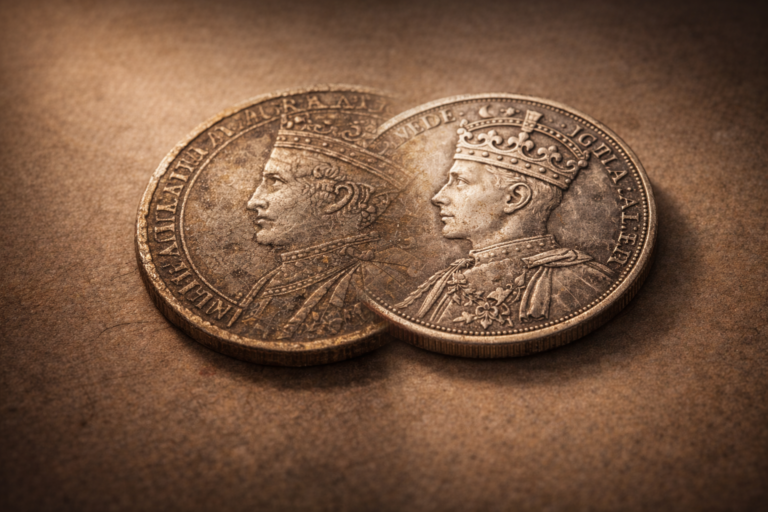
One of the most noticeable features of Roman imperial coins is the portrait. Starting with Julius Caesar and becoming widespread under Augustus, emperor images appeared on coins in imposing detail. These portraits weren’t just decorative—they were political. They helped people put a face to authority, long before portraits were common in public spaces.
A familiar face on a coin created a sense of connection between ruler and subject. Even if a person never saw the emperor in person, seeing that portrait every day reinforced a visual link. It built recognition, and recognition built acceptance.
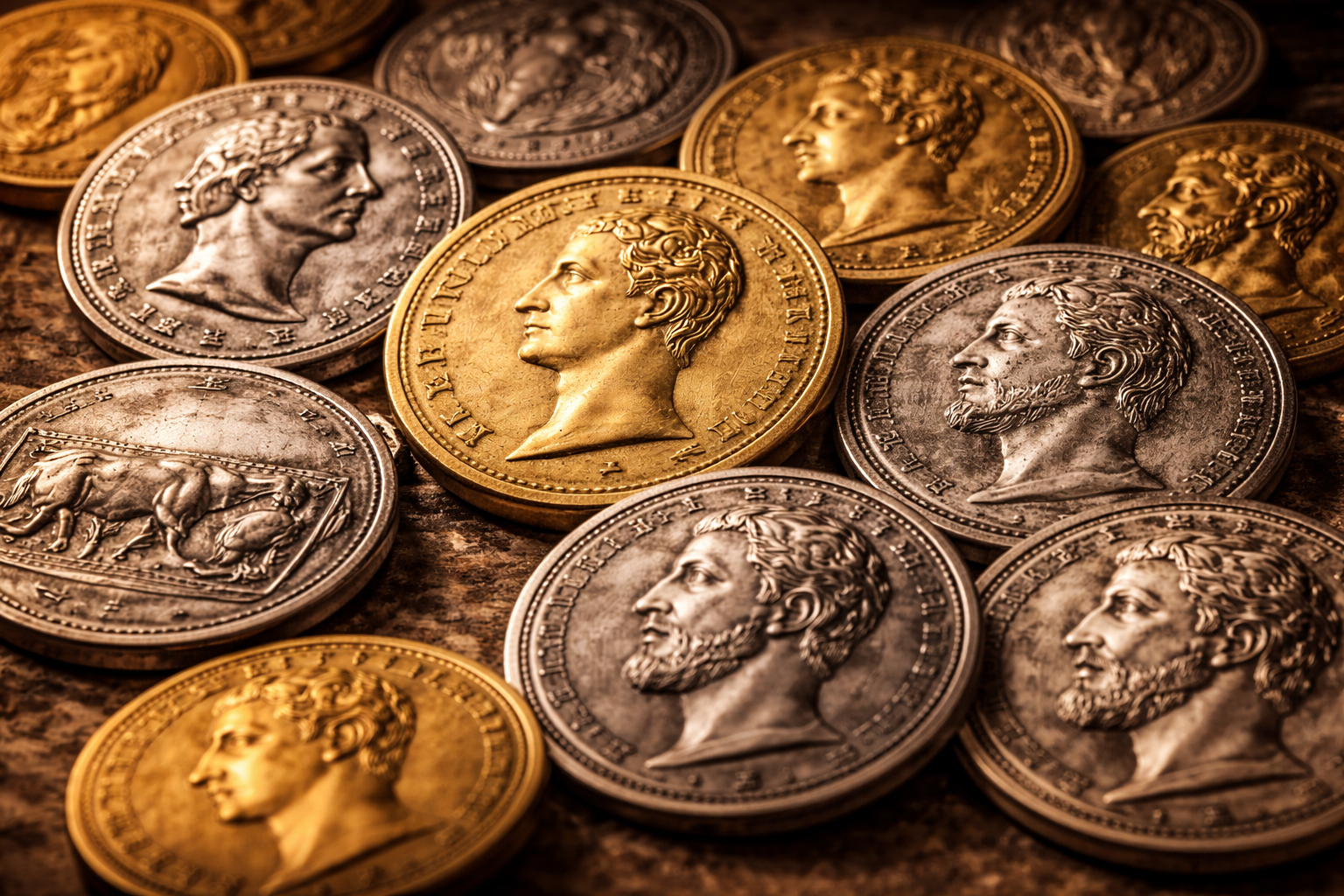
Caption: Portraits on Roman coins were designed to make emperors familiar and authoritative to the public.
Image credit: HistoraCoin
Iconography and Identity
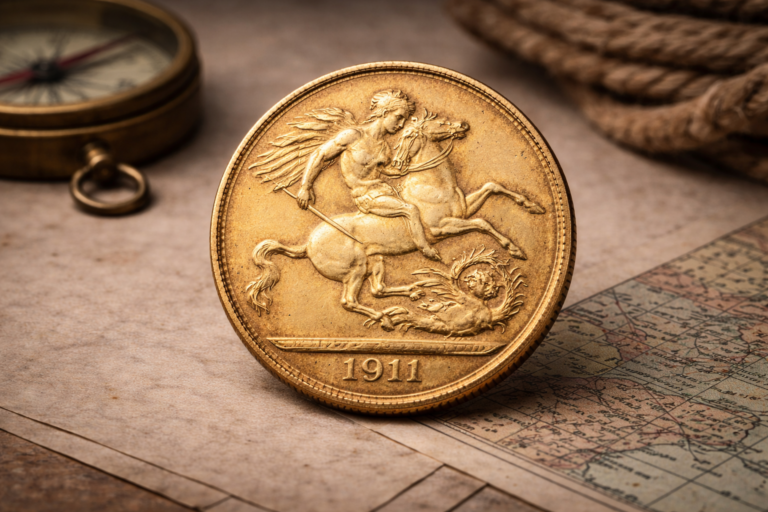
Beyond portraits, the reverse side of Roman coins often carried symbols reflecting victories, divine favor, or public values. Victories in battle, depictions of gods, and symbols of peace or prosperity all reinforced how an emperor wanted to be seen. For example, a laurel wreath symbolized victory, while a seated deity might symbolize stability and divine approval.
Iconography wasn’t random. It was chosen purposefully to convey messages that supported the emperor’s legacy, political agenda, and cultural vision. These images communicated in visual shorthand what could take pages of written text to explain.
Comparison Card | Coins vs Monuments
Coins
- Reached everyday people
- Were used daily
- Reinforced legacy through repetition
- Were portable and ubiquitous
Monuments
- Seen by fewer people
- Required travel or elite access
- Often celebrated major events
- Were immobile and localized
Legacy Across the Empire
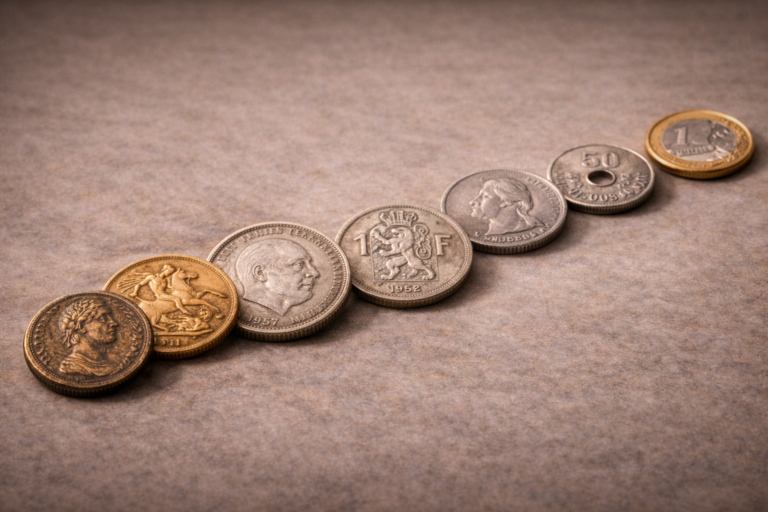
Roman imperial coins didn’t stay in one place. Troops carried them to frontiers. Merchants used them in marketplaces. Travelers took them across regions. Because of this wide circulation, coins helped create a shared identity across the diverse and expansive Roman world.
Seeing the same emperor portrait and symbols from Britain to Egypt reinforced a sense of belonging to a larger political and cultural entity. This visual consistency contributed to a cohesive image of empire that words alone could hardly achieve.
Timeline Insight | From Republic to Empire
- Republic Era: Limited use of portraits; focus on symbols of state
- Early Empire: Augustus standardizes emperor portraits
- Middle Empire: Portraits and iconography spread widely
- Later Empire: Complex symbols reflect changing power dynamics
Quote Highlight
Coins let emperors place their image in the pockets, hands, and daily lives of people—the smallest objects carrying the largest legacies.
Sources and Methodology
This article is based on historical mint records, academic numismatic research, museum documentation, and comparative analysis of Roman coin circulation and imagery. It is educational in focus, emphasizing coin purpose and meaning rather than speculation.
Final Reflection
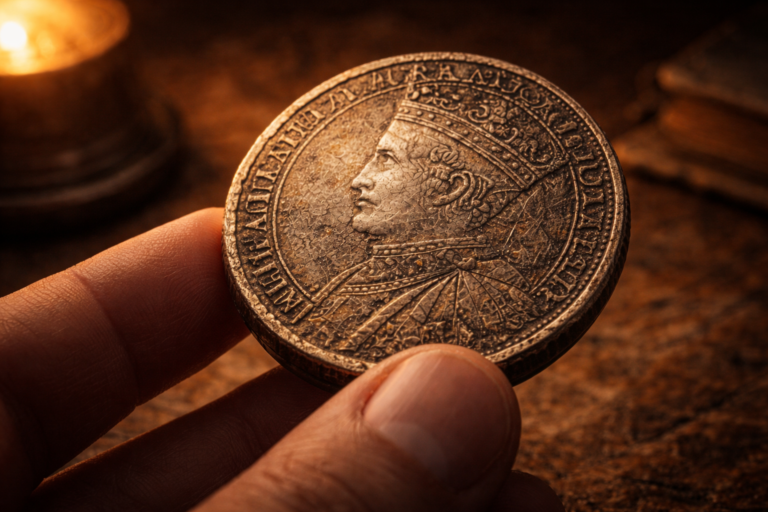
Roman coins were more than currency. They were tools of influence, identity, and legacy. Through portraits, symbols, and everyday use, emperors shaped how they were seen by history. When you hold an imperial coin today, you’re holding a fragment of a carefully crafted story—one designed to travel far beyond its time.

Caption: Roman coins spread imperial identity across regions as they circulated.
Image credit: HistoraCoin
Share this article
Explore more historical coin stories
HistoraCoin explores how coins shaped identity, authority, and daily life through history.

HistoraCoin Team
HistoraCoin publishes educational, AdSense-safe content that treats coins as historical records rather than objects of speculation.