What Roman Coins Meant to Ordinary People
Estimated reading time: 17–19 minutes
When people think about Roman coins today, they often imagine emperors, collectors, or museums. But in ancient Rome, coins were something far more ordinary. They were part of daily survival. For millions of people across the empire, coins weren’t symbols of prestige. They were tools—used to buy food, pay rent, settle debts, and navigate everyday life.
Understanding what Roman coins meant to ordinary people helps us see the Roman world more clearly. These coins shaped routines, social relationships, and even how people understood power and belonging. They quietly connected farmers, laborers, soldiers, and merchants to an empire that stretched across continents.
Quick Takeaways
- Roman coins were everyday tools, not elite objects
- Ordinary people used coins constantly in daily life
- Coins shaped routines, wages, and social interaction
- Money connected people across the empire
- Coins carried meaning beyond simple exchange
Table of Contents
What Roman Coins Meant in Daily Life
For ordinary Romans, coins were closely tied to survival. A small bronze coin could mean bread for the day. A handful of silver coins could cover rent or basic supplies. Money wasn’t abstract. It was practical and immediate. People understood coins by what they could do, not by how they looked.
Most Romans lived modest lives. Coins helped structure daily routines—when to work, what to buy, and how to trade. In this sense, Roman money was deeply personal. It shaped how people planned their days and interacted with others.
Fact Card | Coins and Ordinary People
The majority of Roman coins circulated among common citizens. Farmers, laborers, soldiers, and traders handled money daily, making coins one of the most familiar objects in Roman society.
Coins, Wages, and Markets
Many ordinary Romans earned wages paid directly in coins. Soldiers received regular pay. Laborers were often paid daily or weekly. Markets depended on small denominations that allowed everyday trade to function smoothly. Coins were essential to the rhythm of economic life.
Markets became social spaces where money changed hands constantly. Buying bread, wine, or oil reinforced trust in the currency itself. Coins worked because people believed in them, and that belief was built through constant use.
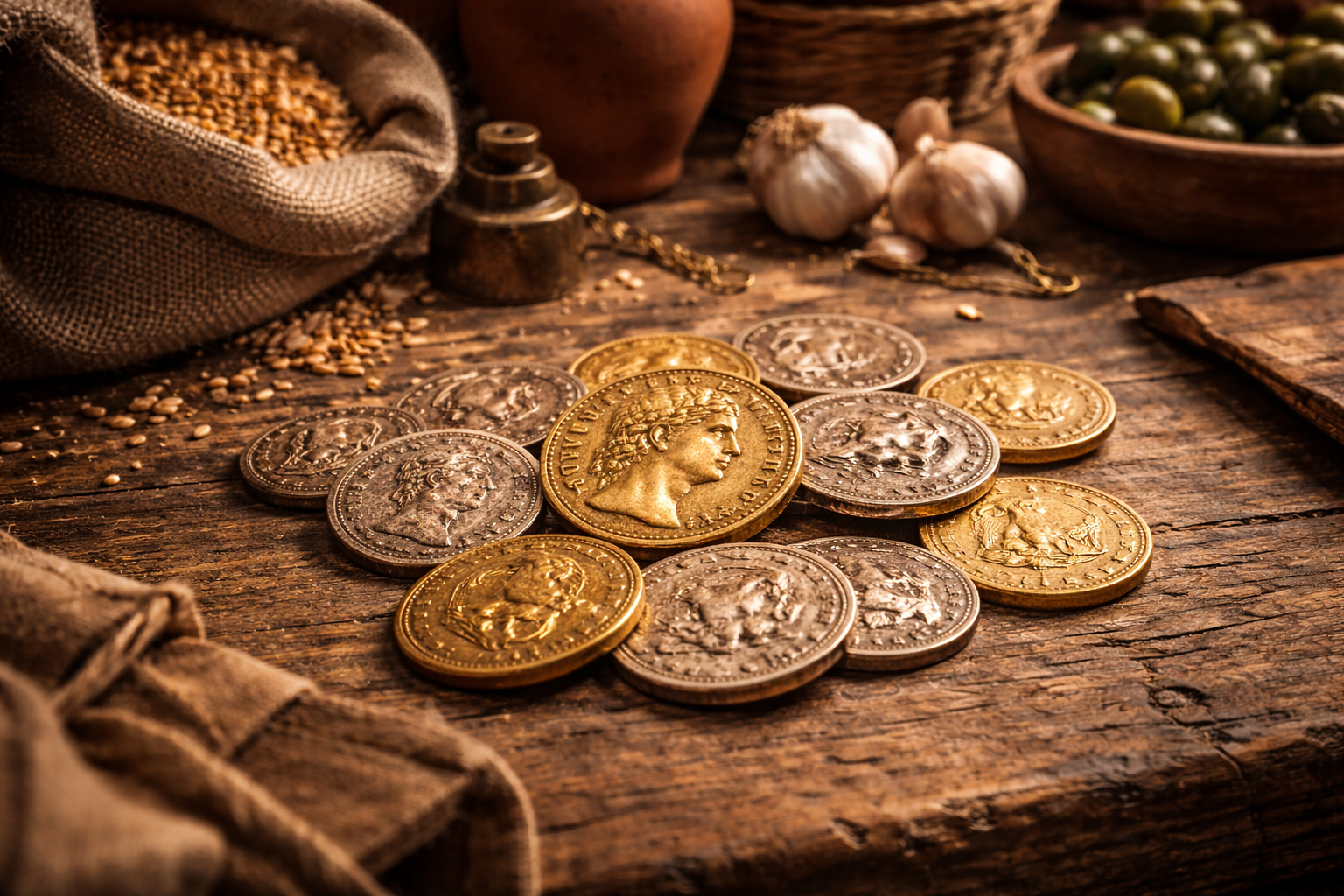
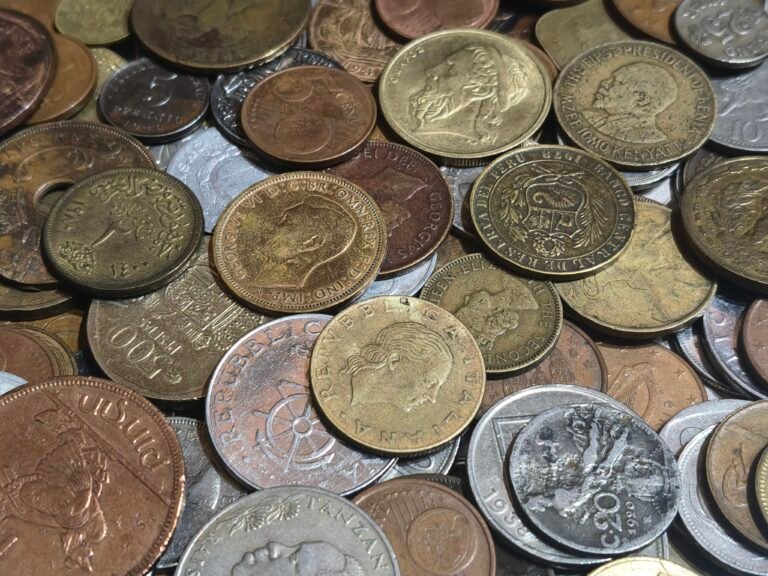
Caption: Roman coins were handled daily by ordinary people in markets and trade.
Image credit: HistoraCoin
Social Meaning of Money
Coins carried social meaning. Having enough money meant stability. Lacking it meant vulnerability. Coins could represent independence or dependence, security or uncertainty. For ordinary people, money wasn’t about wealth—it was about control over daily life.
Coins also shaped relationships. Paying debts, sharing expenses, or exchanging goods all depended on reliable currency. In this way, Roman coins helped structure trust within communities.
Comparison Card | Ordinary vs Elite Use
Ordinary People
- Used coins for daily survival
- Handled small denominations
- Focused on practical value
- Money shaped routines
Elite Classes
- Used coins for large transactions
- Accessed higher denominations
- Viewed money strategically
- Coins symbolized influence
How Coins Connected the Empire
Roman coins didn’t stay in one place. They moved with people—soldiers, merchants, travelers. An ordinary person in a distant province used the same money as someone in Rome. This created a shared economic language across the empire.
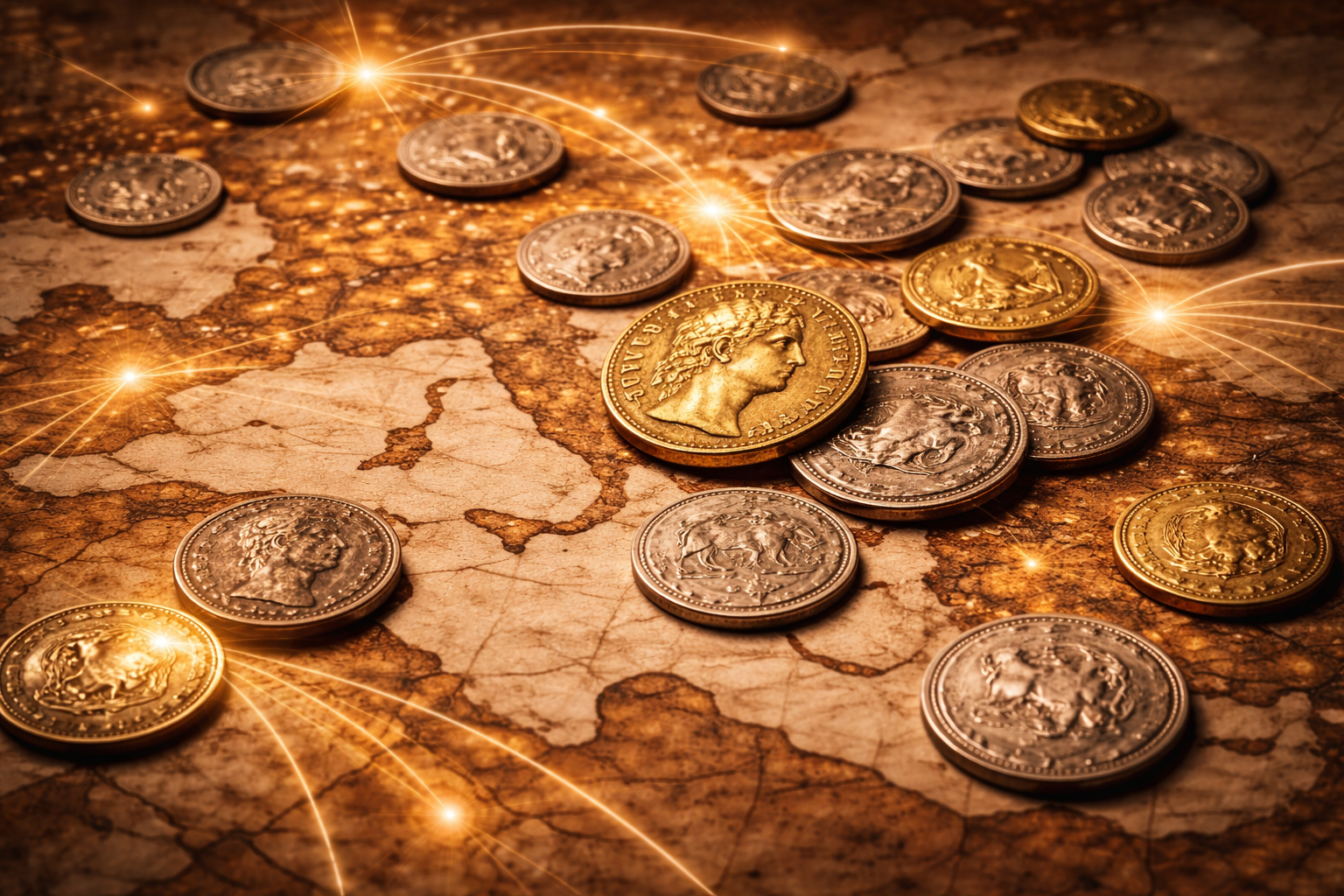
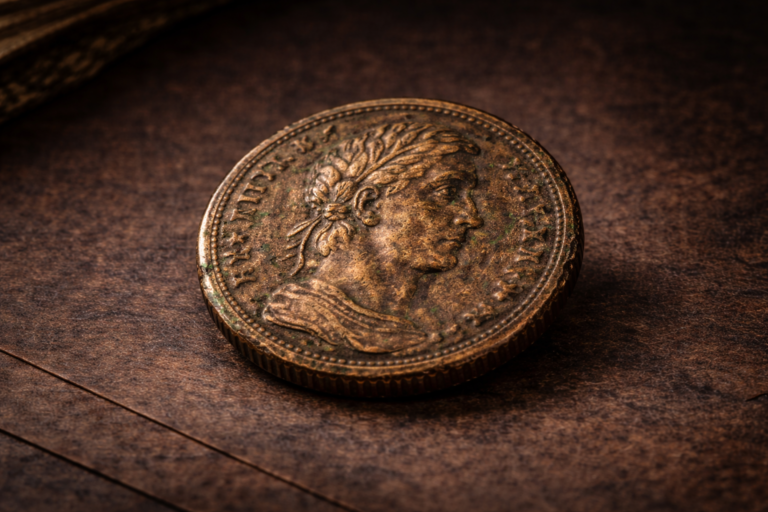
Caption: Roman coins connected ordinary lives across vast regions of the empire.
Image credit: HistoraCoin
Timeline Insight | From Republic to Empire
- Republic: Coins support local trade
- Early Empire: Widespread circulation standardizes daily life
- Later Empire: Coins remain essential despite political change
Quote Highlight
For ordinary Romans, coins were not symbols of empire—they were tools of survival.
People Also Ask
Did ordinary Romans use coins every day?
Yes. Coins were essential for buying food, paying wages, and daily transactions.
Were Roman coins important to social life?
Yes. Money shaped relationships, trust, and community interactions.
Did Roman coins have meaning beyond money?
Yes. Coins influenced how people experienced stability, independence, and connection.
Final Reflection
Roman coins mattered because they touched ordinary lives. They weren’t distant symbols of power—they were part of daily existence. Through wages, markets, and movement, coins helped ordinary people navigate the Roman world.
By understanding what coins meant to everyday Romans, we gain a clearer picture of how money shaped one of history’s greatest civilizations—quietly, consistently, and profoundly.