The Hidden Language on Everyday Coins

Estimated reading time: 22–26 minutes
Every day, millions of people hold coins in their hands without ever questioning what they see. Yet those small pieces of metal are filled with symbols, images, and messages that were never placed there by accident. Coins speak a silent language.
Long before newspapers, radio, or the internet, coins were one of the most effective communication tools in human history. They traveled across cities, borders, and empires, carrying messages that everyone could understand, even if they could not read.
Quick Takeaways
- Coins communicate meaning through symbols and imagery
- Everyday coins carry messages about identity and power
- Symbols on coins were designed to be instantly understood
- Coins acted as early mass communication tools
- Modern money still uses symbolic language
What We Mean by the Hidden Language on Coins
The hidden language of coins is not secret code. It is visual communication. Every symbol, figure, and object placed on a coin was chosen to send a message.
In societies where literacy was limited, imagery mattered more than words. Coins needed to communicate authority, trust, and belonging at a glance. That is why their designs relied heavily on symbols rather than text.
Coins as Visual Communication
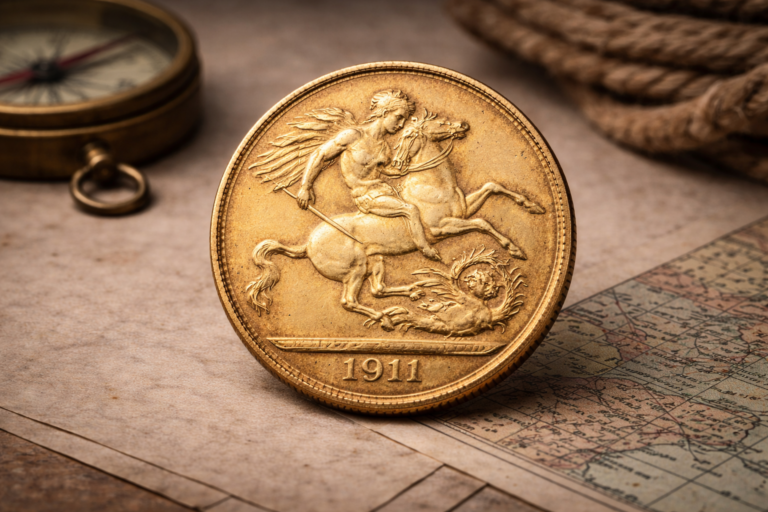
Coins were designed to be read visually. A ruler’s image, a powerful animal, or a familiar symbol could instantly tell people who was in control and what values mattered.
Unlike monuments or buildings, coins traveled. They moved through markets, homes, and distant regions, repeating the same message again and again.
Fact Card | Coins as Communication
Coins functioned as one of the earliest forms of mass visual communication, reaching populations far beyond the physical presence of rulers or institutions.
Symbols That Shaped Everyday Understanding
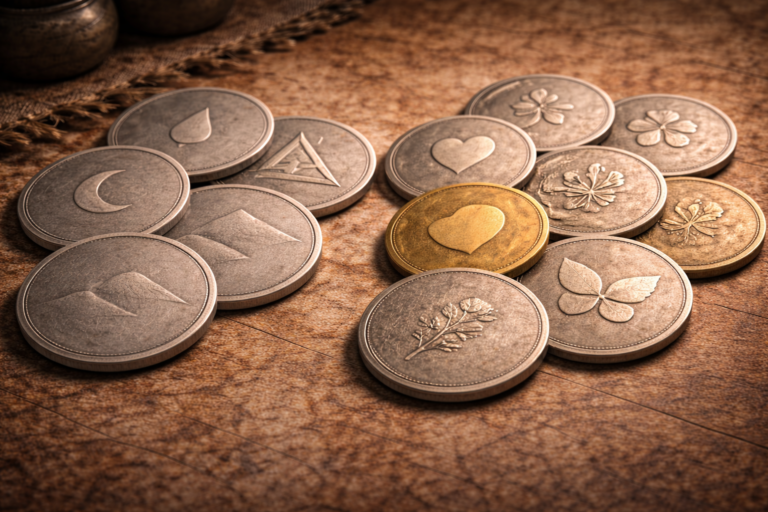
Animals, plants, tools, and abstract shapes were not decorative. They represented strength, fertility, protection, or legitimacy. These symbols spoke to shared cultural understanding.
When people saw a familiar symbol on a coin, they felt reassured. The coin belonged to their world. It followed their rules.
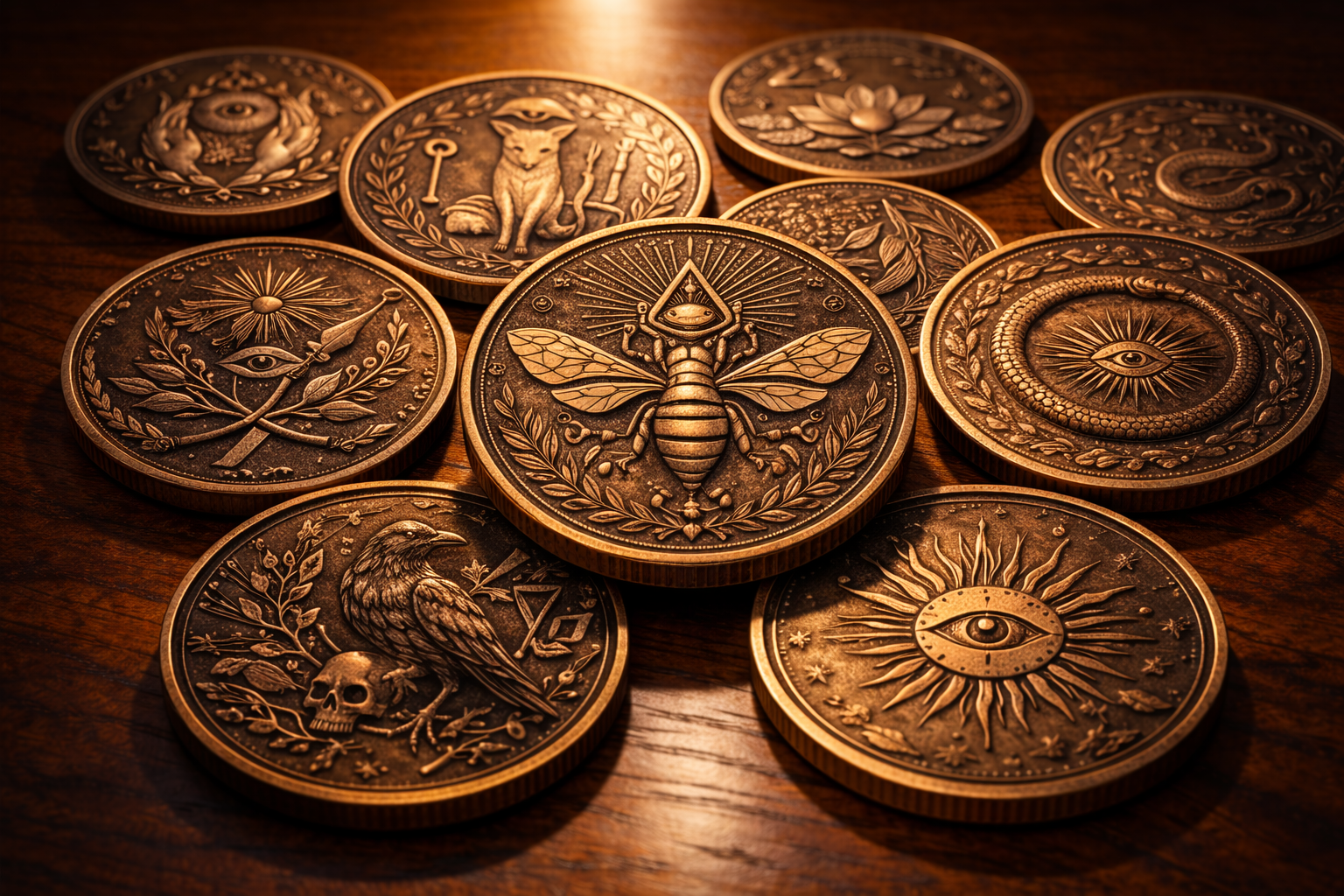
Caption: Symbols on coins conveyed shared cultural meaning.
Image credit: HistoraCoin
Animals, Objects, and Abstract Signs
Animals often symbolized power, protection, or divine favor. Objects such as weapons, tools, or buildings represented stability and order. Abstract signs communicated continuity and tradition.
These symbols were intentionally simple. They needed to be understood instantly, even by people with no formal education.
Coins and Authority Messaging
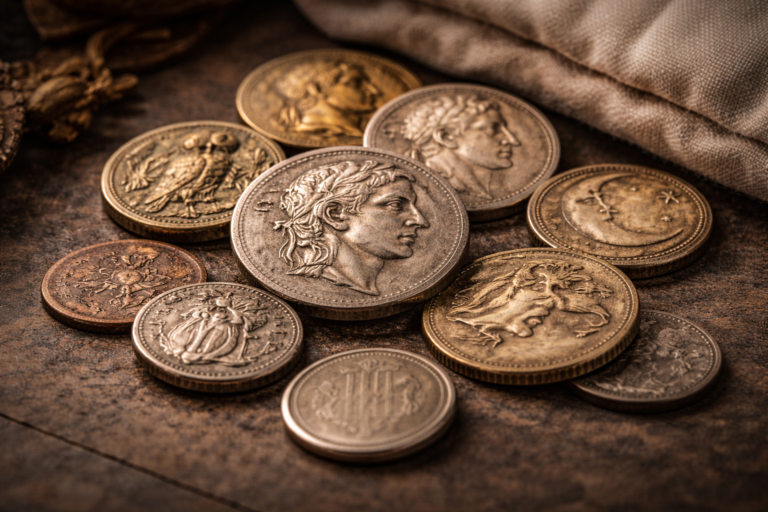
Authority was one of the most important messages coins needed to convey. Rulers used imagery to remind people who governed them, not through force, but through familiarity.
Every transaction reinforced that message. Coins quietly shaped loyalty and acceptance over time.

Caption: Coin imagery reinforced authority and identity.
Image credit: HistoraCoin
Comparison | Coins as Objects vs Coins as Messages
- Coins as objects focus on material and function
- Coins as messages focus on meaning and identity
- Modern designs often hide symbolism
- Historical coins displayed symbolism openly
Timeline Insight | How Coin Symbols Evolved
As societies evolved, so did the symbols on their coins. Early designs focused on simple, universally understood imagery. Over time, symbols became more complex, reflecting changing political systems, religious beliefs, and social structures.
Despite these changes, one thing remained constant. Coins always needed to communicate trust. When symbols became unfamiliar or confusing, people resisted them. This pattern appears again and again across history.
How People Learned to Read Coins Without Words
Most people in ancient societies could not read. Coins solved this problem by using visual storytelling. A single image could communicate authority, protection, or legitimacy instantly.
Over time, people learned to recognize these images instinctively. Coins trained generations to understand power and identity visually.
Coins taught people how to understand authority long before words could.
Methodology and Research Approach
This article follows a cultural and historical research methodology. The analysis focuses on symbolic imagery, visual communication, and documented historical interpretations of everyday coinage.
Sources include comparative studies of ancient and pre-modern coins, museum documentation, and academic perspectives on material culture. No modern valuation or speculative frameworks are used.
By examining coins as communication tools rather than financial instruments, this research aims to present an accurate and accessible interpretation of how symbols shaped everyday understanding.
People Also Ask
Why do coins have symbols?
Symbols allowed coins to communicate authority, trust, and identity
without relying on written language.
Were coin symbols understood by ordinary people?
Yes. Symbols were intentionally simple and based on shared cultural meaning.
Do modern coins still use symbolic language?
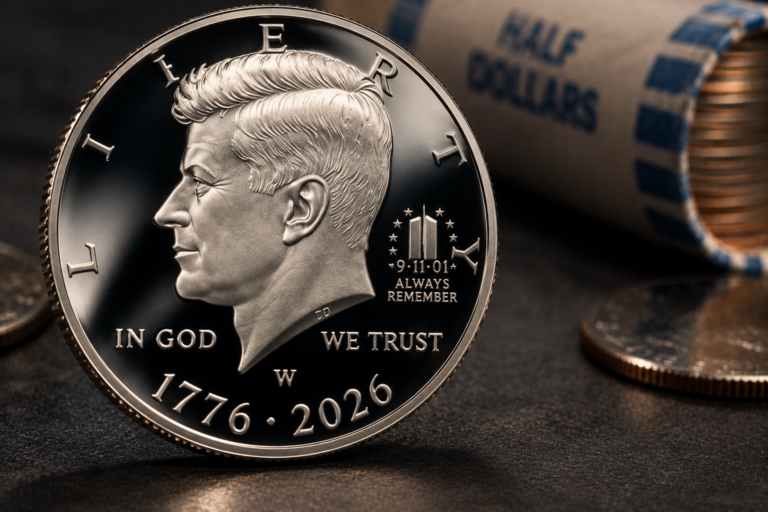
Yes. National symbols and imagery continue to reinforce identity and legitimacy.
Final Reflection
The hidden language on everyday coins reveals that money has always been more than a tool. Coins were designed to speak, teach, and persuade. They shaped how people understood power, belonging, and trust.
By paying attention to these symbols, we gain a deeper understanding of how societies communicated long before modern media existed.
Explore Related Coin Stories