Unusual Indian Coins of the 1960s and 1980s – Stories Behind the Metal
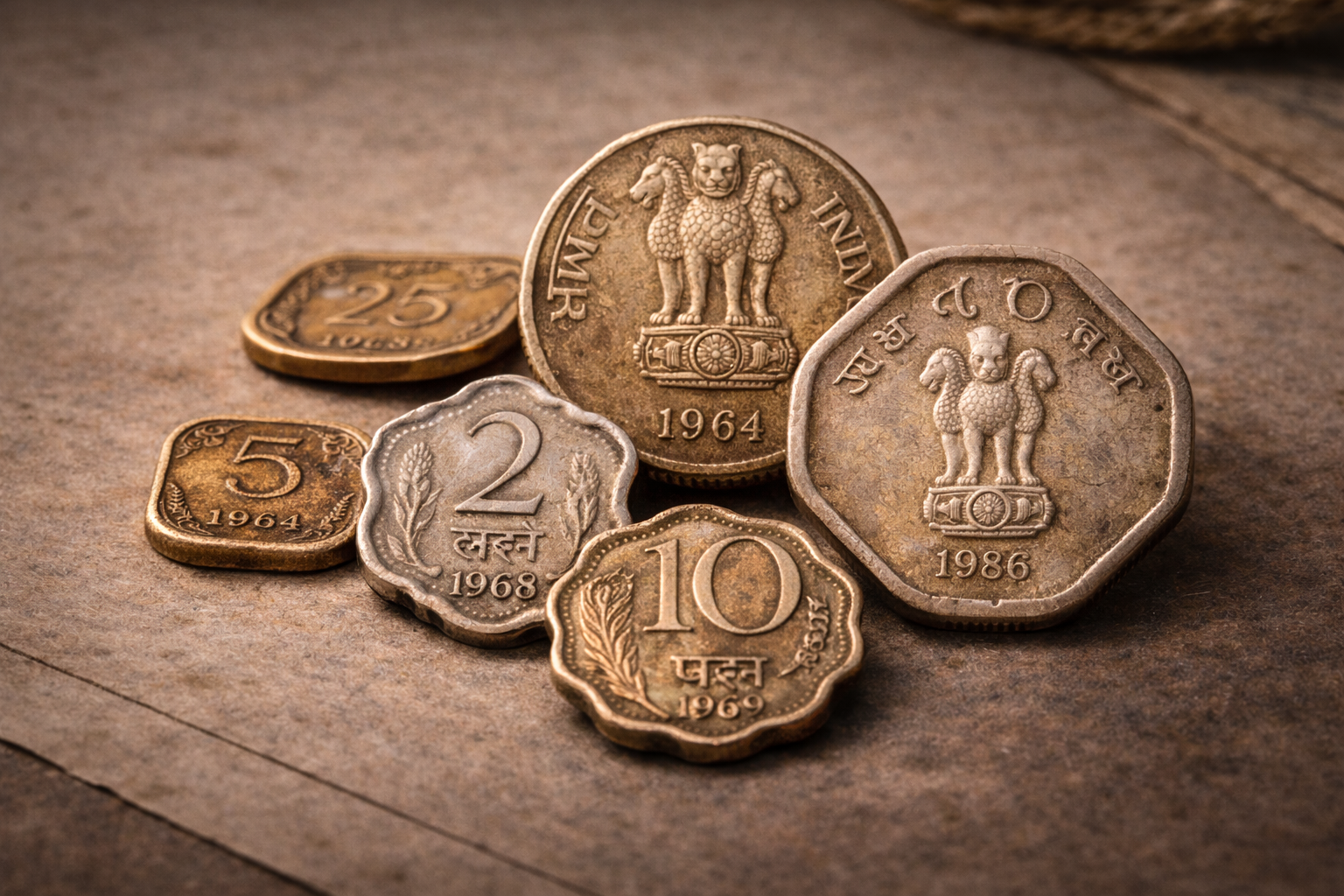
Some coins feel like postcards from another time. Not the expensive museum pieces—just small, quirky bits of metal that quietly tell us how people lived, paid, saved, and dreamed. That’s exactly why I love the odd corners of Indian coinage. The 1960s and 1980s weren’t just two decades on a timeline; they were two different moods of a growing nation. One was full of experiments and practical design tweaks; the other was bolder, more confident, and starting to standardize its look. Today we’re holding two compact storytellers: the square-shaped 5 Paise from the 60s, and the distinctive 50 Paise from the 80s.
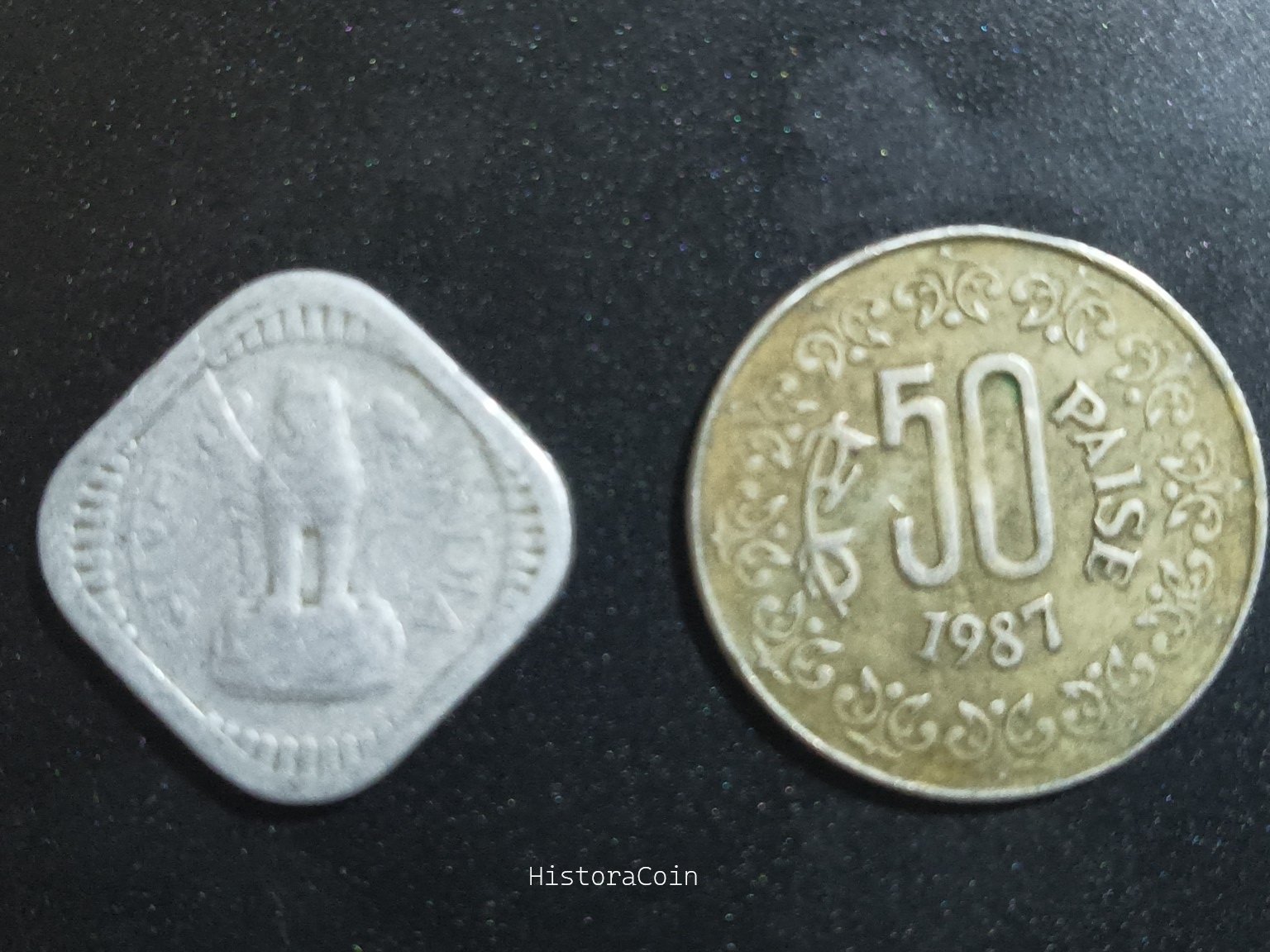
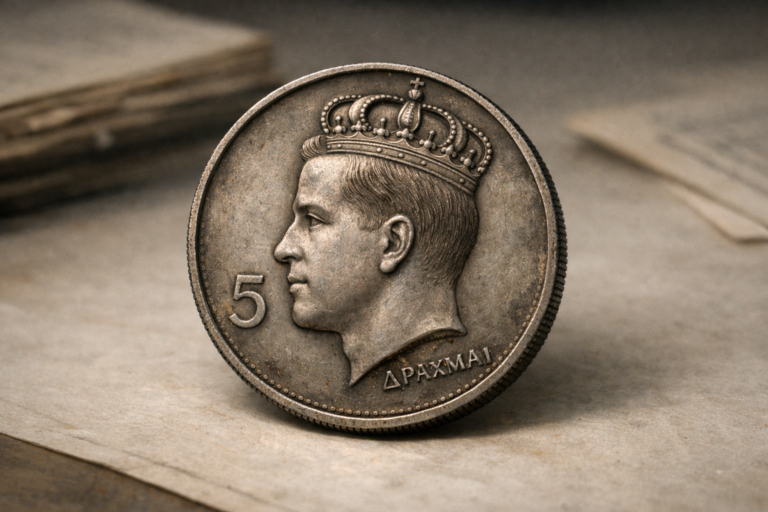
Fronts: Square 5 Paise (1960s) & 50 Paise (1980s)
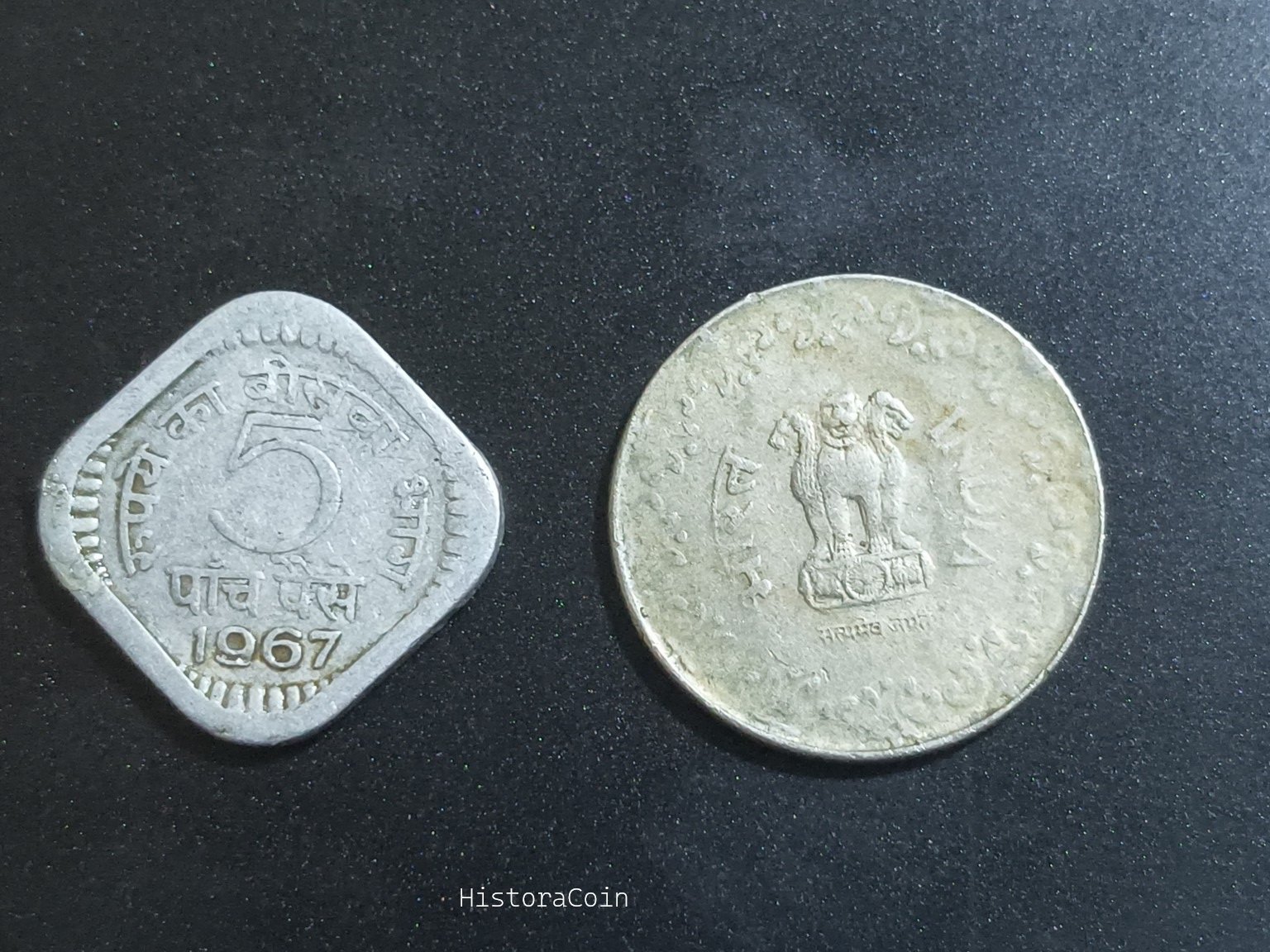
Reverses: Design details from both decades
🪙 The Square 5 Paise of the 1960s
Let’s start with the head-turner: a square coin with rounded corners. If you found one of these in loose change, you’d notice it instantly. India experimented with shapes during the 1960s, and the 5 Paise is the poster child of that era. Why the square? Partly utility, partly identity. A different silhouette helps people tell denominations by touch—handy for busy marketplaces, dimly lit shops, or anyone with poor eyesight. It also gave the smallest coin a personality of its own at a time when the country was still fine-tuning its post-independence economy.
Flip the coin and you’ll see clean, functional typography, Hindi and English legends, and simple ornamentation. No clutter, no pretence. It’s a coin designed to work hard—like the country it belonged to. Most pieces were struck in lightweight aluminium, so they felt feather-light in the hand. That material choice wasn’t random: aluminium made minting cheaper, and it kept the denomination truly “everyday.”
🔹 What makes it unusual?
- Shape: square with rounded corners—instantly recognizable in a pocket full of round coins.
- Material: aluminium, practical and light, aligned with the economics of the time.
- Design language: restrained and legible; multilingual legends reflecting India’s linguistic reality.
🔹 Collector’s take
The 5 Paise square coin isn’t “rare” in a headline-grabbing way, but it’s loved for its character. In circulated grades you’ll often see it between $1–$2, while nicer examples or set pieces can push to $5–$8. For new collectors, it’s a perfect door into Indian numismatics: cheap, distinctive, and historically meaningful.
⭐ The Bold 50 Paise of the 1980s
Jump two decades and the vibe changes. By the **1980s**, India’s coinage felt more assured. The 50 Paise sits in that sweet spot—substantial enough to matter in daily life, yet still small change. The obverse centres the Ashoka Lion Capital, the national emblem, with its quiet power and polished symmetry. Around it, you’ll find bilingual legends that became a visual rhythm of modern Indian coins.
On the reverse, the denomination is bold and unapologetic—“50 Paise” surrounded by decorative flourishes that add a ceremonial touch without overwhelming readability. This balance—tradition + usability—is what defined the decade’s design logic. If the 1960s were about experimentation, the 1980s were about refinement: familiar forms, clearer hierarchies, stronger symbols.
🔸 Why collectors still care
- Symbolism: the Lion Capital anchors the design with national identity.
- Everyday nostalgia: for many Indians, 50p evokes bus fares, school canteens, and corner shops.
- Affordability: circulated examples run about $0.50–$1; uncirculated can reach $2–$4.
📜 Two Decades, Two Moods
Put the 5 Paise and 50 Paise side by side and you can feel a conversation between decades. The 1960s coin says: “We’re building—carefully, practically, for everyone.” The 1980s coin replies: “We’re steady now—let’s be bold about who we are.” One leans into shape as a solution; the other leans into symbolism as a statement. Together they map a journey from experimentation to confidence.
They also show how design mirrors economics. Lightweight aluminium for the smallest units kept costs down in the 60s, while copper-nickel brought durability to higher-use denominations. Typography grew cleaner. Bilingual layouts found a natural balance. And the Ashoka emblem matured into the visual heartbeat of Indian currency.
💎 Quick Collector Guide
🔹 5 Paise (1960s, Square)
- Shape: Square (rounded corners)
- Metal: Aluminium
- Vibe: Experimental, highly tactile
- Typical Value: $1–$2 circulated; $5–$8 uncirculated
🔸 50 Paise (1980s)
- Shape: Round
- Metal: Copper-nickel
- Vibe: Confident, emblem-centric
- Typical Value: $0.50–$1 circulated; $2–$4 uncirculated
🌟 Conclusion: Small Change, Big Character
The square 5 Paise and the bold 50 Paise aren’t headline rarities, and that’s okay. Their magic is in how honestly they reflect India’s everyday life across two decades—how a practical square could make money more accessible, and how a proud emblem could pull a nation’s identity into a tiny circle of metal. If you’re building a collection with stories (not just prices), these two deserve a spot.
❓ Frequently Asked Questions
🔹 Why did India use a square shape for the 5 Paise?
To improve tactile recognition and give the coin a unique identity in pockets and cash drawers.
🔸 Are these coins still legal tender?
No. They’ve been withdrawn from circulation, but they remain popular with collectors and historians.
🔹 What affects value the most?
Condition first (sharp edges, clear legends), then scarcer years/mint varieties, and finally demand from set builders.
🔸 Is the 5 Paise from the 1960s rare?
Not extremely rare, but unusual and loved for its square shape. Unworn examples are harder to find and fetch better prices.
🔹 How should I photograph coins for selling?
Use diffused light, a dark matte background, and shoot both sides straight-on. Avoid harsh reflections and heavy filters.