Coins That Didn’t Celebrate Anything
Estimated reading time: 10–12 minutes
Some coins feel like they’re trying to impress you. They carry bold symbols, dramatic animals, proud emblems, and designs that almost look like they were made to be held up to the light and admired. Even if you don’t know the history, you can feel the energy.
Then there are coins that feel completely different. They don’t sparkle with pride. They don’t announce victory. They don’t celebrate anything at all. They simply exist, quietly, with designs that look restrained, careful, and sometimes almost shy.
At first glance, those coins can seem boring. But if you sit with them, they start to feel honest. Because celebration isn’t always what a society needs. Sometimes a nation just needs money that people will accept without thinking. Sometimes the mood of history is not pride, but survival.
And when you understand that, you begin to see a different kind of turning point in coin design: the moment a coin stops trying to inspire and starts trying to pass safely through daily life.
Table of Contents
When Coins Avoided Celebration
There’s a simple assumption people carry without noticing. They expect national money to feel proud. Proud of the country, proud of the leader, proud of the past, proud of progress.
And yes, many coins do exactly that. They celebrate independence, unity, victory, royalty, and national identity. But history isn’t always in a celebratory mood. Some eras are filled with anxiety, uncertainty, shortages, political tension, or fatigue. In those moments, loud pride can feel out of place.
Coins designed during difficult periods often take a different approach. They focus on stability and acceptance. They want to be recognized quickly. Trusted quickly. Used quickly.
A coin in that context is not a poster. It’s a tool. And tools don’t need applause.
Sometimes the absence of celebration isn’t even a choice. It’s a constraint. Metal shortages. production speed. reduced budgets. But even when constraints force simplicity, that simplicity becomes part of the historical message. It shows you what mattered most in that moment: keeping the system moving.
Why Silence Sometimes Felt Safer
Silence can be a design strategy. It can also be a political strategy. In divided times, strong symbols can trigger strong reactions. A victory symbol can feel like a provocation. A heroic figure can feel like a demand to agree.
A quiet coin avoids that. It keeps the focus on function rather than emotion. It allows people with different opinions to use the same money without feeling like they are endorsing someone else’s story.
This is especially important when power is unstable or contested. In those environments, even small design details can become charged. A coin that “celebrates” too loudly can age badly if the political winds change.
Understatement protects the currency from becoming awkward later. It’s a kind of insurance: the design stays acceptable even if the narrative changes.

When you see coins like this, the design isn’t trying to win you over. It’s trying to avoid creating friction. That kind of restraint might not feel exciting, but it is deeply revealing.
It tells you that society wanted calmness in daily life, even if calmness was hard to find elsewhere.
Designs Made to Pass, Not Impress
A coin that doesn’t celebrate anything often has one main goal: to circulate smoothly. It needs to be accepted by shopkeepers, travelers, workers, and families without hesitation.
That requirement influences everything: size, layout, symbolism, and even how “serious” the design looks. A busy or dramatic design can slow recognition. A calm design can be read quickly.
This is why understated coins often prioritize clarity:
- simple, readable elements
- balanced spacing
- fewer decorative features
- symbols that feel familiar rather than confrontational
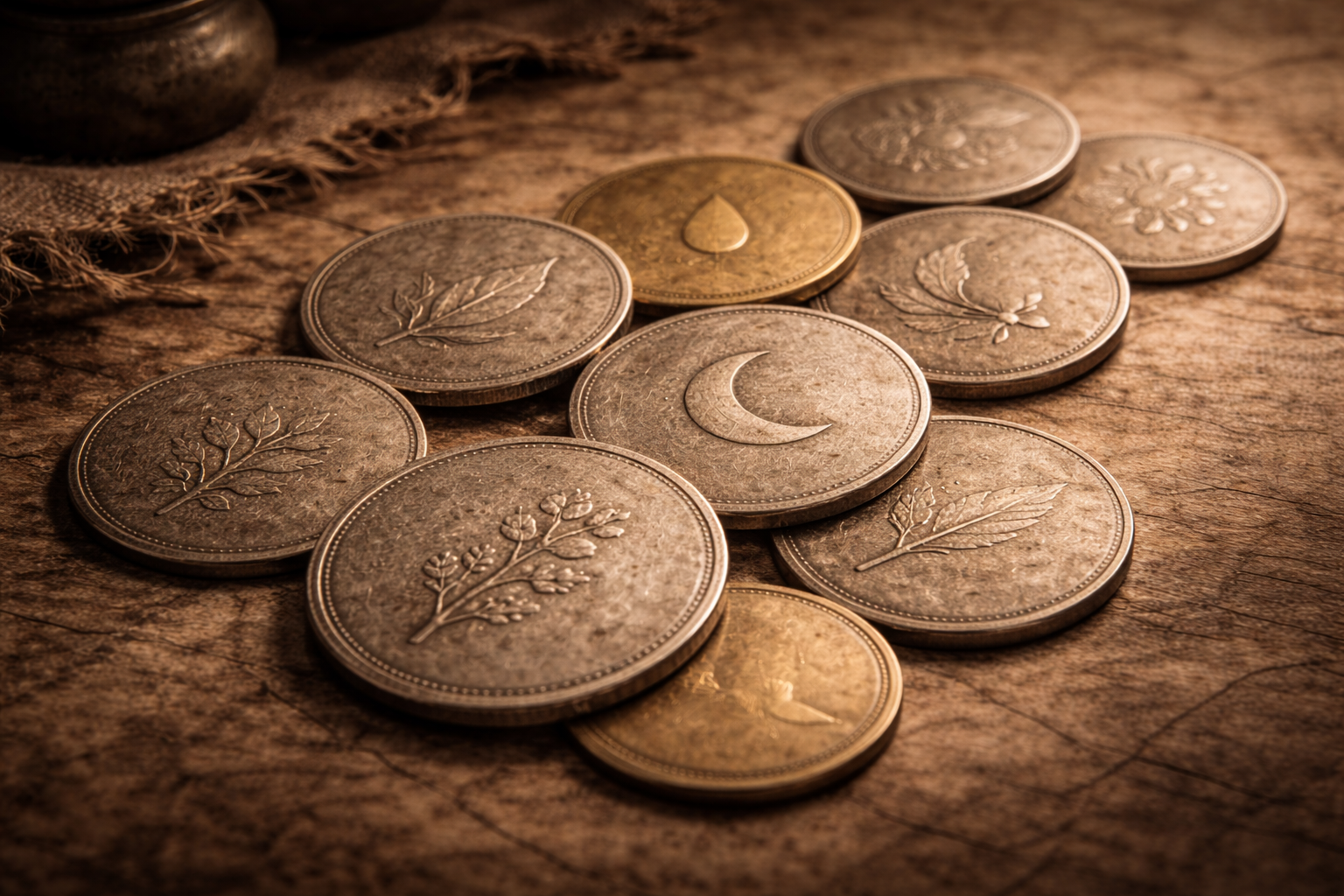
In a way, these coins are designed like good public signage. You don’t stop to admire a sign. You understand it instantly. The coin becomes a smooth part of daily exchange rather than a mini speech.
Another detail is that understated coins often avoid emotional extremes. They aren’t trying to make you proud, and they aren’t trying to scare you. They keep the emotional temperature neutral.
When a society is already under stress, a neutral emotional temperature in daily money can be soothing. It’s one less place where conflict shows up.
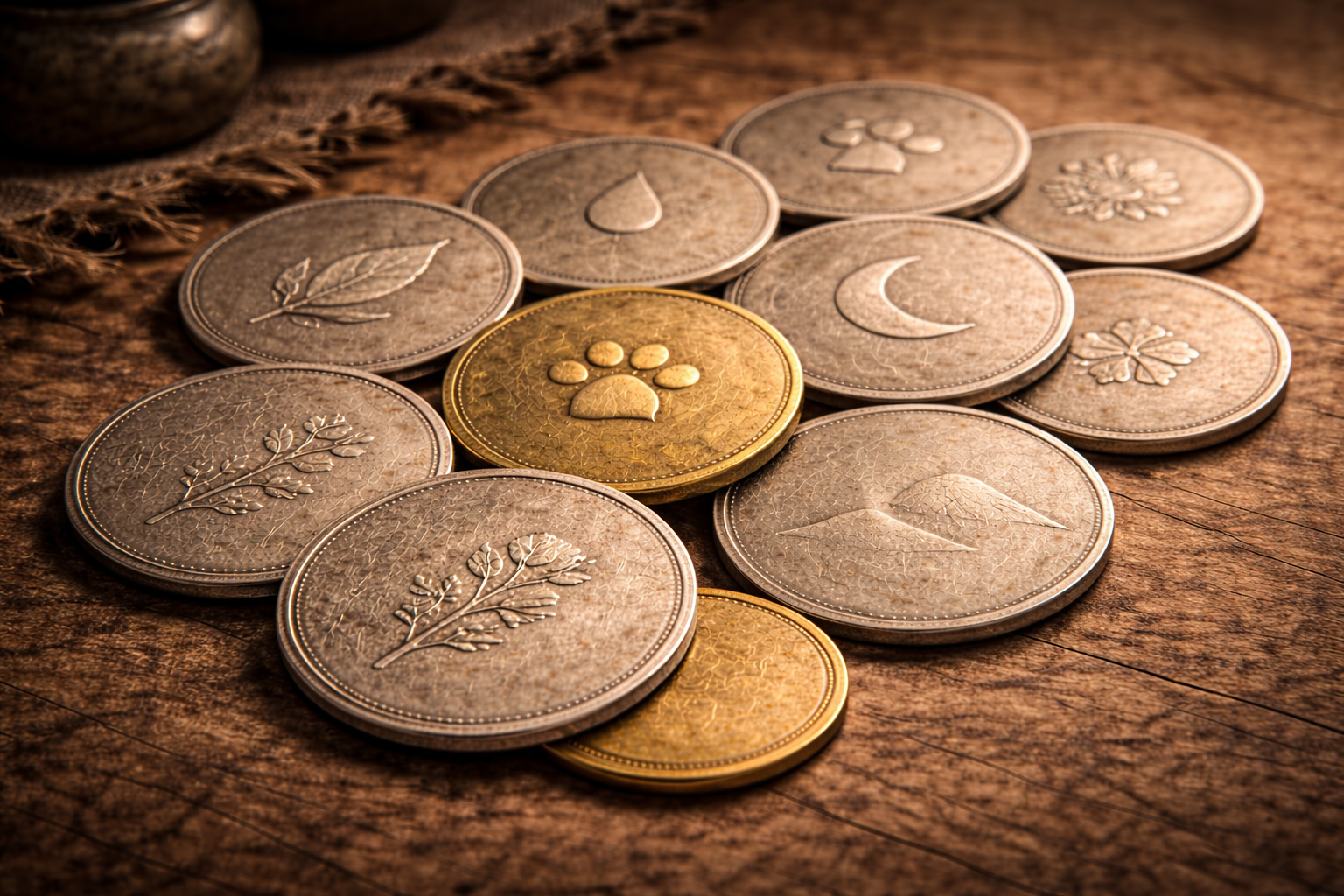
When you look at coins like this, it helps to imagine the environment they were made for. A world where people needed stability more than symbolism. Where daily exchange mattered more than national theatre.
The Power of Understatement
Understatement is not weakness. In design, understatement can be a form of control. It can be a way to keep the message broad and stable.
A coin that celebrates victory is tied to a specific mood. If that mood fades, the coin can feel dated. A coin that stays quiet can remain usable and emotionally acceptable across multiple moods.
Understatement can also signal humility. Not political humility necessarily, but cultural humility. A society may choose to avoid loud pride because it doesn’t feel appropriate in that moment. Or because it wants money to belong to everyone, not to a single story.
There’s something deeply modern about that idea. Modern societies often try to keep shared tools as neutral as possible. Roads, public services, and basic systems are meant to serve everyone. Coins can follow the same logic.
A quiet coin can be a sign that the country wanted daily life to feel stable, even if the bigger picture wasn’t.
Understated coins often feel like they are trying to disappear into daily life. And that is not a failure. It’s a design goal.
Money is most powerful when it becomes routine. When you stop thinking about it, it works. These coins were designed to become routine quickly.
Coins Born in Uncertain Times
Uncelebrated coins often come from uncertain eras. Not always, but often. These are moments where people worry about tomorrow, and governments worry about keeping basic systems running.
In that environment, celebration can feel like denial. It can even feel insulting. A calm coin design can be more appropriate, because it doesn’t pretend life is joyful when life is hard.
Uncertain times also encourage speed. If a government needs coinage in circulation quickly, it may simplify design to reduce production complexity. But even when simplicity begins as a practical choice, it becomes a cultural document later.
It shows what the state prioritized. It shows the mood of the era. It shows the kind of message leaders thought people could accept.
There’s another factor too: transitions. A society in transition often doesn’t know what story it wants to tell yet. When the future is unclear, the safest design choice is restraint.
A coin that celebrates a new identity too loudly might be premature. A coin that stays quiet leaves room for the story to settle before the design becomes permanent.
What Uncelebrated Coins Reveal About Society
If you want to read these coins properly, don’t ask what they celebrated. Ask what they avoided.
They avoided bold claims. They avoided emotional demands. They avoided symbols that could divide. And in doing that, they reveal a society that valued everyday stability.
They also reveal something about trust. In many eras, trust was more important than pride. People needed to believe the coin would be accepted, more than they needed to feel inspired by the design.
These coins also reveal a kind of honesty. They don’t pretend the era was glorious. They don’t cover uncertainty with loud decoration. They look like what they were: practical objects built to help life continue.
When you hold a coin like this, you are holding an invisible story about restraint. About what felt safe. About what people needed.
A coin that doesn’t celebrate anything can be one of the clearest signs that the era valued survival over symbolism.
And once you notice that, these coins stop feeling boring. They start feeling human. They start feeling like the honest face of a difficult moment.
Celebration is easy when life is stable. Restraint is harder. That’s why understated coin designs can be some of the most meaningful designs a nation ever produced.
Final Reflection
Coins that didn’t celebrate anything are easy to overlook. They don’t ask for attention. They don’t shine with pride. They just move through daily life, quietly doing their job.
But that quietness is the story. It’s a turning point in how money communicates. It shows moments when society needed calm more than celebration. And it shows how design can reflect reality without pretending.
If you ever find a coin that feels understated, don’t dismiss it. It might be holding a truer portrait of its era than any heroic symbol ever could.