The Coin That Paid for a Kingdom

Not every coin is just pocket change. Some are whispers of empires, others are the sparks that ignited wars, and a rare few have carried the weight of a kingdom’s fate. Today, we’re diving into one of the most legendary tales in numismatic history: the coin that paid for a kingdom.
Picture it — an era when power wasn’t measured in billion-dollar bank transfers, but in the clink of precious metal. Kings bargained, generals plotted, and merchants traveled the seas with chests of coins that could shift the destiny of entire nations. And somewhere in that swirl of history, a single coin became more than money — it became the price tag for a throne.
🪙 A World Where Coins Meant Power
In the ancient and medieval worlds, coins were more than tools of trade. They were propaganda, wealth condensed into metal, and symbols of legitimacy. When a ruler’s face appeared on silver or gold, it wasn’t just currency — it was a declaration: I rule here, and I control this land.
Now imagine a moment when a coin wasn’t just stamped with royal power but actually became the very key to power itself. That’s where our story begins.
📜 The Legend of the Coin That Bought a Kingdom
Legends tell us of rulers and warriors who didn’t win their thrones on the battlefield, but through a simple act of exchange. One famous story describes how a rare gold coin, gleaming brighter than the rest, sealed the deal for a disputed territory. Instead of bloodshed, a kingdom changed hands with the passing of one piece of metal.
This wasn’t just any coin. It was struck in pure gold, heavy in the palm, carrying not only the face of a ruler but the weight of centuries. To its seller, it was treasure. To its buyer, it was destiny. And to history, it became the coin that paid for a kingdom.
🔹 Why a Coin, Not a War?
In an age where war was costly and uncertain, leaders sometimes preferred gold over battle. Armies had to be fed, horses equipped, and allies bribed. A coin, rare and magnificent, could buy peace faster than any sword. To own it was to claim legitimacy, to hold a silent yet powerful agreement: this land is mine, and history will remember it so.
🔹 The Symbolism Behind the Metal
Coins have always carried stories beyond their weight. A lion engraved into silver meant courage. A goddess on bronze meant divine blessing. But a single coin that moved a border? That meant something more profound: that human destiny, kingdoms, and empires could pivot not just on swords and treaties, but on the silent trust in a round piece of metal.
⭐ When Coins Changed History
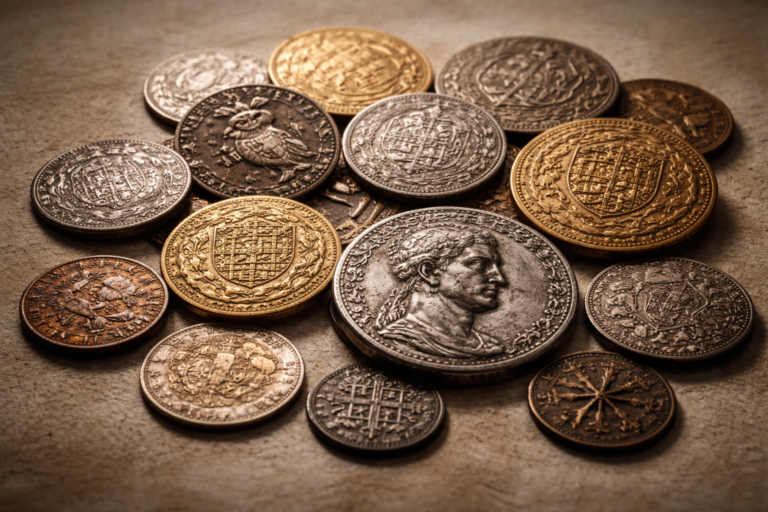
The story of the coin that paid for a kingdom isn’t an isolated myth. History is scattered with moments when coins rewrote the script of nations. From the silver denarii of Rome that kept legions loyal, to Spanish doubloons funding voyages that mapped the world, coins have always been silent actors in the drama of power.
But unlike massive hoards or endless treasure chests, this tale focuses on the power of just one coin. And that makes it even more remarkable.
🪙 What This Story Means Today
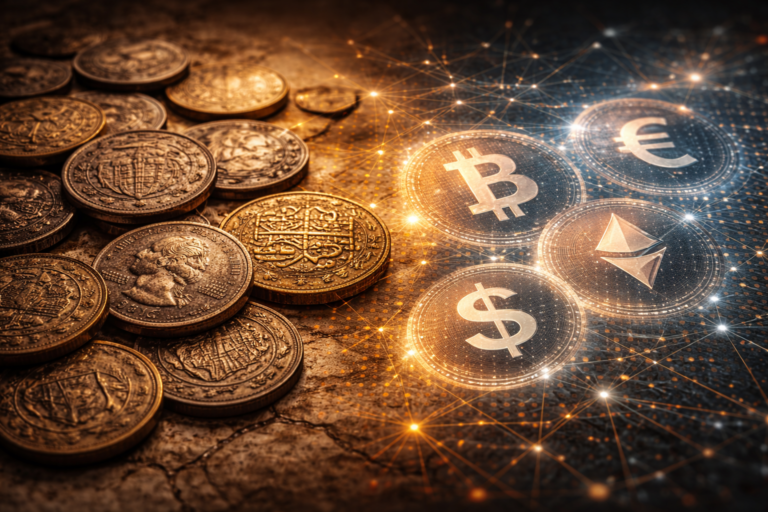
In today’s world of digital banking and crypto wallets, it’s almost impossible to imagine a single coin carrying the weight of a kingdom. Yet, the tale of the coin that paid for a kingdom reminds us that money has always been more than numbers. It’s trust, it’s symbolism, and sometimes, it’s destiny.
Collectors today hunt for coins like this not because of their melt value in gold or silver, but because they carry stories that no modern banknote can match. To hold such a coin is to hold history itself — a frozen moment when fate changed hands in exchange for a piece of metal.
⭐ A Quick Snapshot
Era: Ancient/Medieval Legend
Material: Gold (symbolic, heavy strike)
Significance: Exchanged as the price of a kingdom
Legacy: Became a symbol of peace through wealth
Collector Value: Inestimable (myth + history combined)
📜 Conclusion
The story of the coin that paid for a kingdom may sound like legend, but it captures a deeper truth: money has always been a storyteller. Whether in a crowded market, on a battlefield, or in a royal chamber, coins have whispered decisions that shaped our world.
Next time you hold an old coin, take a moment. You might not be holding the one that bought a kingdom, but you’re certainly holding a piece of someone’s story — and that’s priceless.
⭐ Frequently Asked Questions
Q: Was there really a coin that paid for a kingdom?
A: Yes, historical legends speak of coins that sealed deals for land or kingdoms without war.
Q: What made such a coin valuable?
A: Its gold content, rarity, and above all, the symbolism of legitimacy it carried.
Q: Can we see this coin today?
A: Some stories are wrapped in legend, but similar coins from that era exist in museums and collections.
Q: Why use coins instead of treaties?
A: Coins were tangible, trusted symbols of power. A single coin could serve as proof of an agreement.
Q: What’s the lesson for modern collectors?
A: Collecting coins isn’t about metal value alone — it’s about the stories they carry.