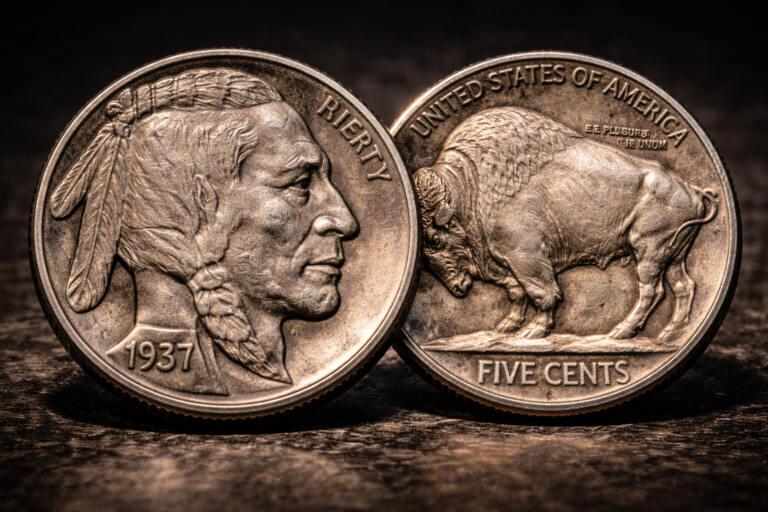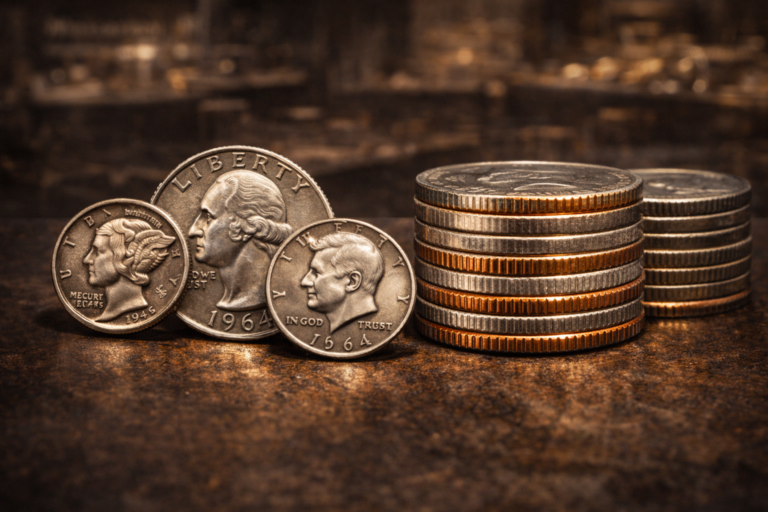
The American Coin Design That Changed Everything
Estimated reading time: 10–12 minutes
Most people assume coin design changes slowly, almost invisibly. A small adjustment here, a minor update there. And most of the time, that’s true. But every now and then, a single design decision quietly shifts the direction of everything that follows.
In American coin history, there was one such moment. It didn’t arrive with fanfare or celebration. It didn’t announce itself as revolutionary. Yet once it happened, American coins never quite felt the same again.
The interesting part is that many people still don’t notice it. They use the coins every day without realizing that a major design philosophy changed underneath their fingers.
That moment wasn’t about beauty alone. It was about trust, circulation, and how money fits into everyday American life.
Table of Contents
The Design Moment Nobody Noticed
Big changes often announce themselves loudly. This one did not. It arrived quietly, wrapped in practicality rather than symbolism.
The goal was not to impress collectors or make headlines. The goal was to make coins easier to recognize, easier to trust, and easier to use millions of times a day.
That focus alone marked a shift. American coin design began leaning less toward ceremonial identity and more toward everyday functionality.
Once that mindset took hold, design decisions started following a different logic. Simplicity became a strength instead of a limitation.
Before and After in American Coins
The easiest way to understand this shift is to look at what came before and what followed. Earlier designs often carried heavier visual weight. They felt closer to medals than tools.
After the shift, American coins began to feel calmer. The layouts became more balanced. The surfaces became easier to read even as they aged.
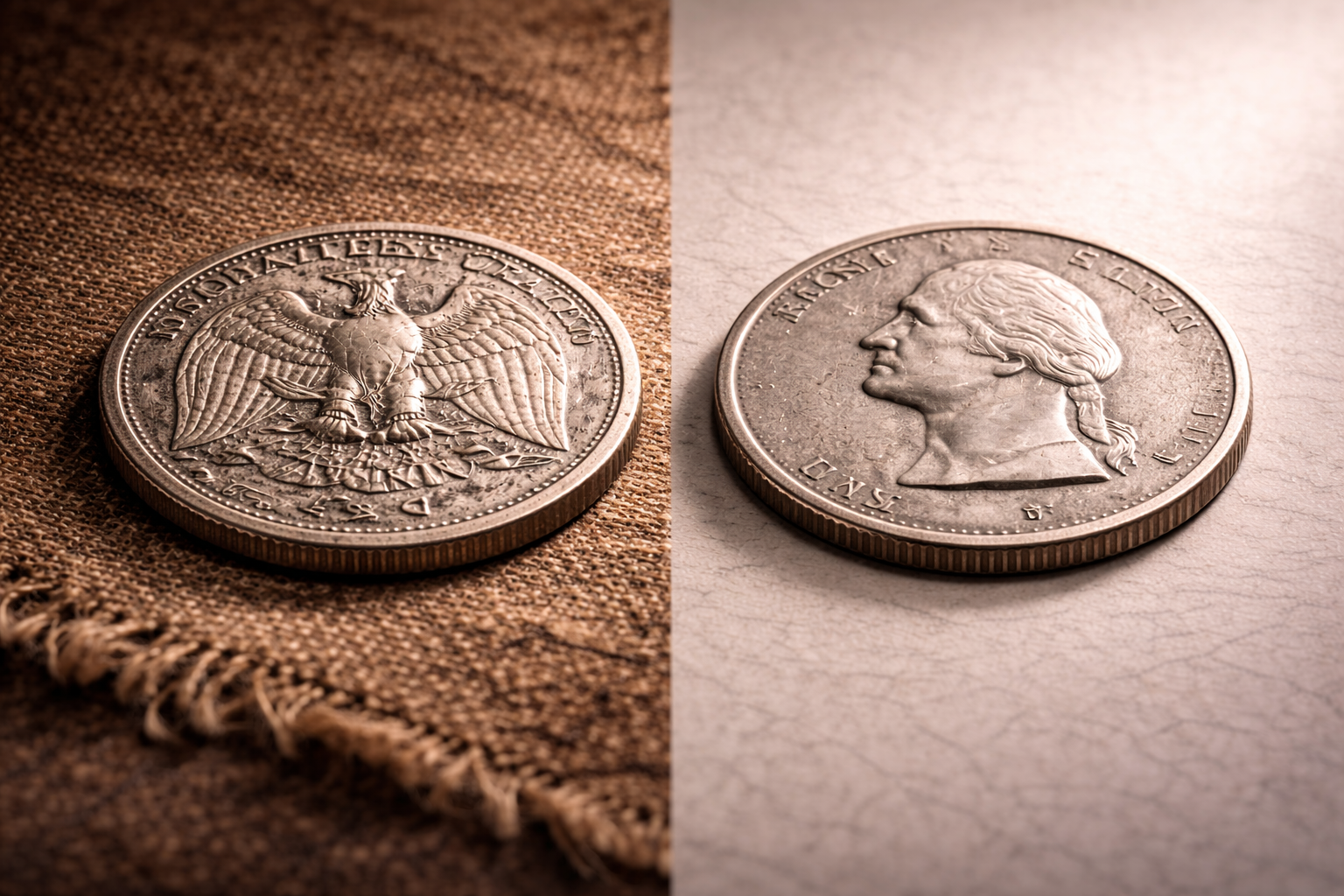
The difference isn’t about quality. It’s about intent. One era wanted coins to be seen. The next wanted coins to be trusted.
Why This Change Mattered More Than People Think
Money lives in repetition. A design you see once a year can afford to be dramatic. A design you see every day cannot.
American society depends on fast movement and constant exchange. Coins had to work smoothly without slowing anyone down.
By simplifying layouts and prioritizing recognition, designers reduced friction at a scale most people never think about.
That reduction of friction builds trust quietly. And trust, once established, becomes invisible.
How One Choice Shaped Everything That Followed
Once simplicity proved effective, it influenced future decisions. Designers became more cautious about adding unnecessary detail.
Changes happened, but they respected familiarity. Even updates avoided breaking the relationship people already had with their coins.
This created continuity. Coins evolved without forcing people to relearn them.
The Ripple Effect Across Everyday Coins
The impact of that design shift didn’t stay confined to one coin. It spread across denominations and generations.

Coins became tools first and symbols second. That priority stayed in place long after the original decision faded from memory.
What people felt was consistency. And consistency feels reliable.
A successful coin design is often one people stop thinking about entirely.
What This Design Shift Says About America
This change reflects a broader cultural preference. American systems tend to favor practicality over ceremony.
Trust is built through consistency, not decoration. Familiarity carries more weight than visual drama.
In that sense, American coin design mirrors everyday American life. Functional. Repetitive. Quietly dependable.
This shift didn’t happen overnight. It followed the same practical logic that later defined other moments in American coin history, including the quiet transformation explored in this deeper look at the design change that reshaped American coins .
The most influential design changes are often the ones that feel almost invisible.
Final Reflection
The American coin design that changed everything didn’t shout. It didn’t celebrate itself. It simply worked better.
And because it worked better, it stayed. Shaping how money feels in American hands long after the moment itself was forgotten.
Sometimes the biggest turning points are the ones you never notice at all.
Frequently Asked Questions
Why do American coin designs change over time?
Coin designs change as societies evolve. In the United States, design updates often reflect practical needs, public recognition, and shifts in how everyday money is used rather than dramatic political statements.
Are design changes always noticeable to the public?
Many important design changes happen quietly. Coins are used daily, so subtle improvements often blend into routine without drawing attention, even though they shape long-term familiarity and trust.
Do simpler coin designs mean less symbolism?
Not necessarily. Simpler designs often carry meaning in a calmer way. They focus on shared identity and usability rather than strong personal or political symbols.
Why do some coins feel more familiar than others?
Familiarity comes from repetition, balanced design, and symbols people encounter daily. Coins designed for smooth circulation tend to feel more comfortable over time.