What Medieval Money Looked Like
Estimated reading time: 13–16 minutes
When people imagine medieval money, they often picture neat silver coins stacked in tidy piles. That image feels familiar but it is far from accurate.
Medieval money rarely looked neat. It was uneven worn inconsistent and deeply tied to the reality of daily life.
To understand what medieval money looked like, you have to forget modern expectations. There were no standardized sizes. No uniform designs. No guarantee that two coins from the same region would even look alike.
Money in the Middle Ages reflected instability local control and practical needs rather than visual harmony.
Table of Contents
First Impressions of Medieval Money
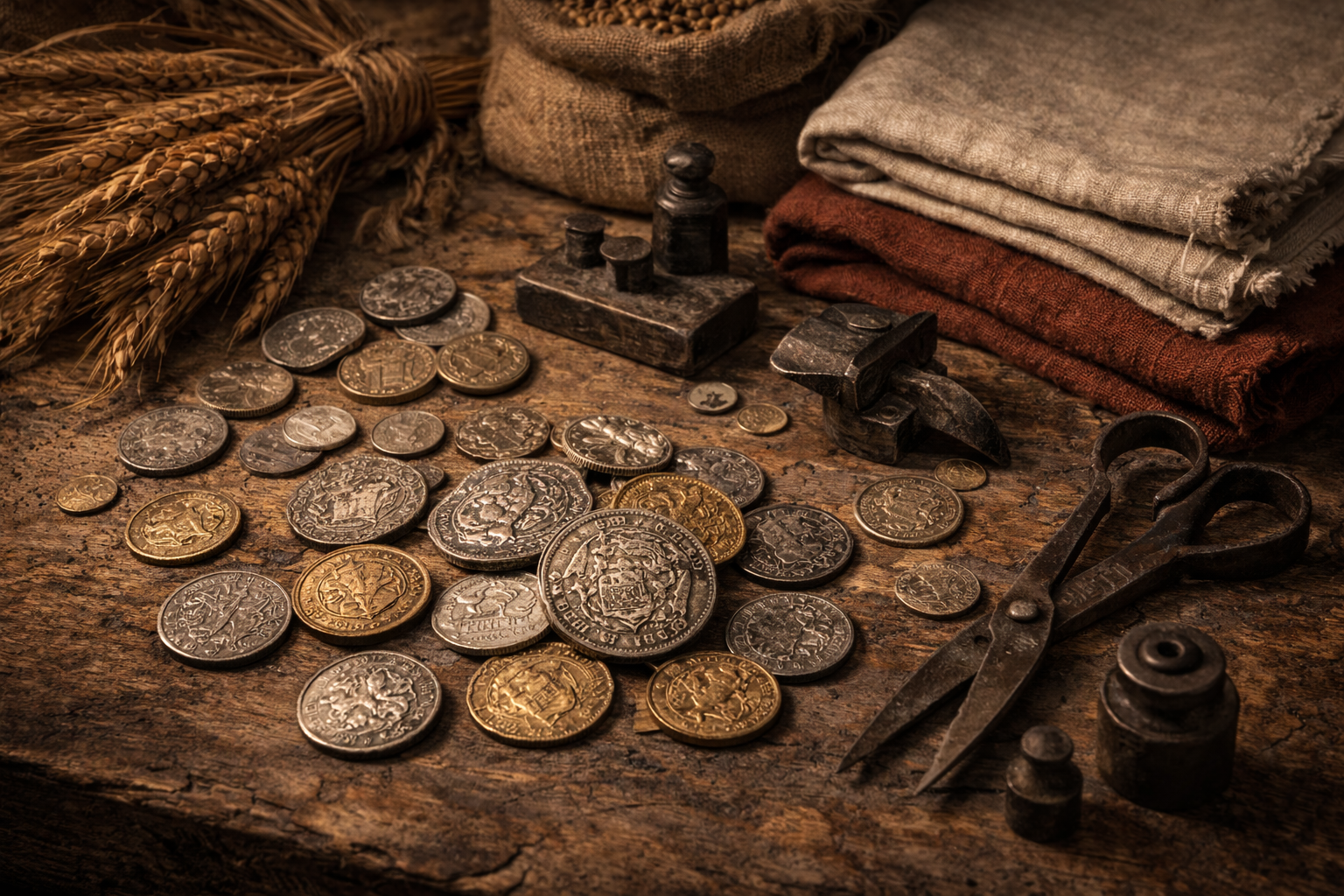
If you could step into a medieval market, the first thing you would notice is variety.
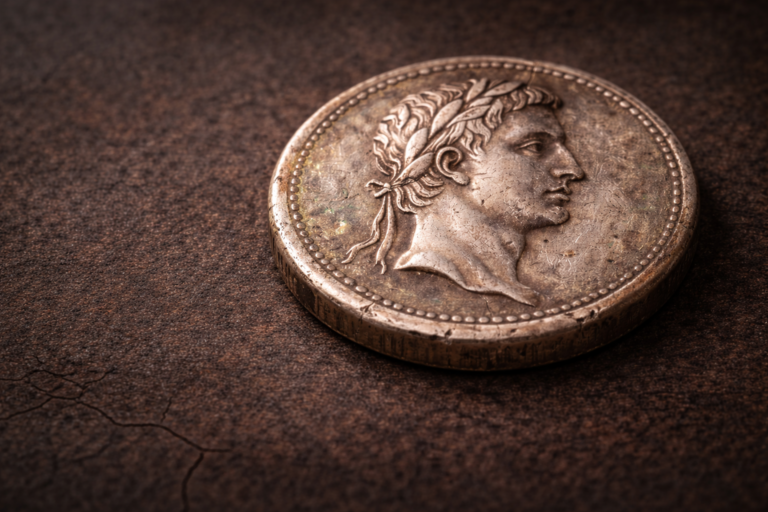
Coins would not shine uniformly. Some would be dark with age. Others thin and bent. Edges would be uneven. Symbols sometimes barely visible.
Money looked handled because it was. Coins circulated for decades. Sometimes centuries.
This appearance matched how money functioned. As explained in this overview of medieval money systems , coins were only part of a much larger exchange network.
Their look reflected heavy use rather than ceremonial purpose.
Common Coin Types and Designs
Most medieval coins were struck by hand. This process created natural variation.
Designs were often simple. A ruler’s symbol. A cross. A local emblem.
Details were shallow. Precision was limited. Uniformity was not a priority.
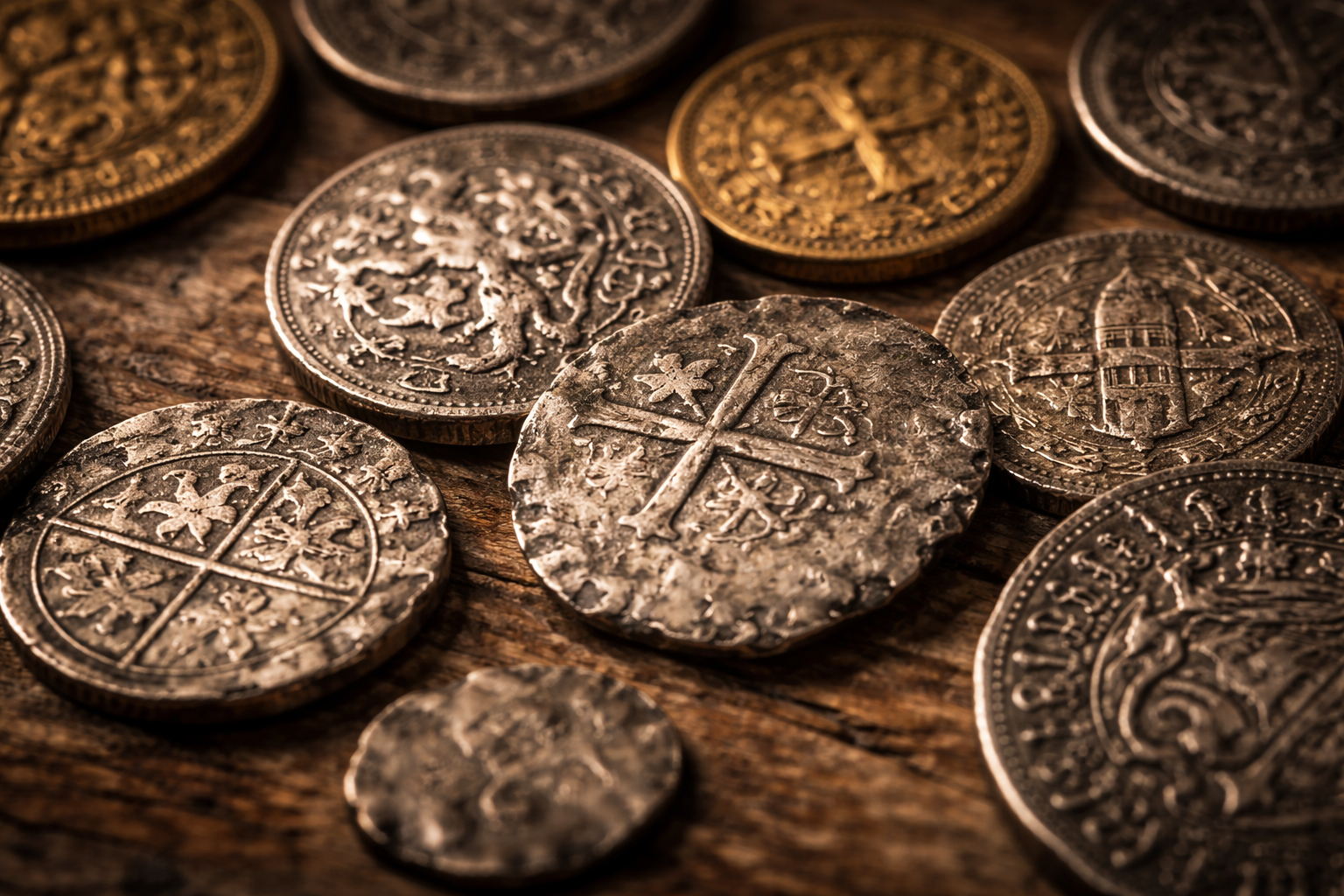
Coins were valued by weight and metal content. Appearance mattered less than substance.
This explains why clipping and wear were constant concerns. Visual perfection was never the goal.
Regional Variations in Appearance
Money did not look the same everywhere.
A coin from one city might be unfamiliar just a few miles away.
Local mints controlled production. Political borders shifted. Designs followed authority rather than consistency.
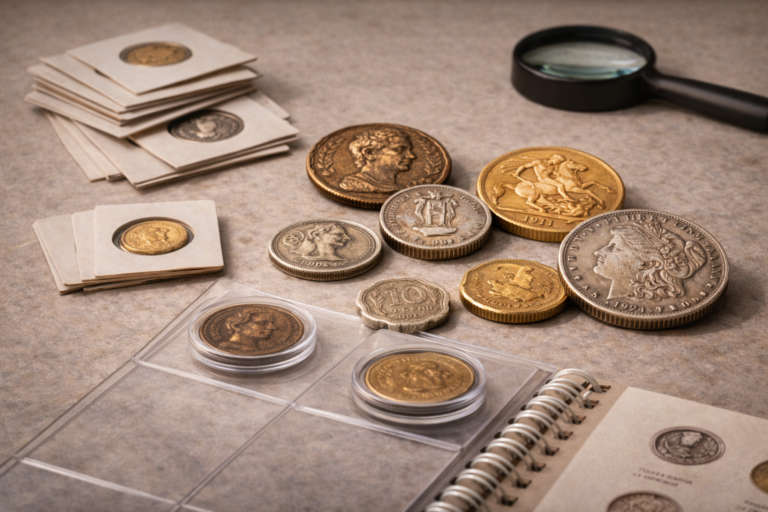
Travelers often carried multiple coin types. Markets adapted through weighing and negotiation.
This diversity made medieval money visually complex but socially flexible.
Everyday Objects Used as Money
Coins were not always present. When they were missing people turned to objects.
Grain cloth salt metal tools and livestock all played monetary roles.
These objects had visible value. Their worth was easy to understand.
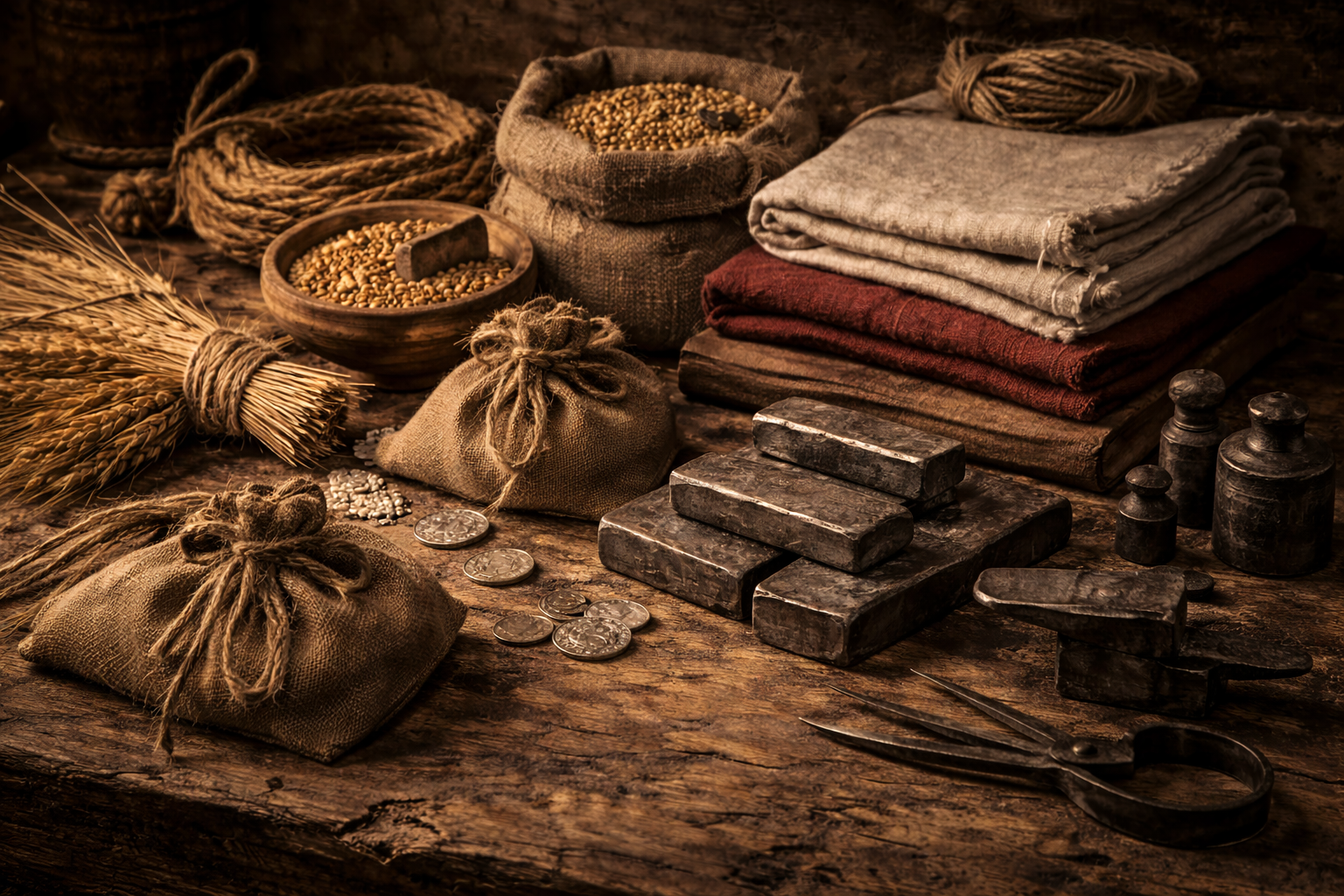
As explored further in this deeper look at medieval money substitutes , objects blended naturally into exchange systems.
Money was whatever worked.
Why Medieval Money Looked Different
Medieval money looked different because medieval life was different.
There was less emphasis on uniformity. More emphasis on practicality.
Money had to survive travel use and time. It did not need to impress.
Visual roughness was acceptable. Function came first.
Medieval money was designed to work not to look perfect.
How Appearance Affected Use and Perception
Because money looked inconsistent people learned to judge it differently.
Weight feel and familiarity mattered more than design.
This built practical skill. People became experienced evaluators.
Money was not abstract. It was tangible and personal.
Medieval money felt real because its imperfections were visible.
Final Reflection
Medieval money did not look clean or consistent.
It looked used. Handled. Adapted.
Its appearance reflected a world built on trust local authority and daily survival.
Understanding how medieval money looked helps us understand how medieval life worked.
Frequently Asked Questions
Did medieval coins all look the same?
No. Medieval coins varied widely in size shape and design depending on region and mint.
Why were medieval coins uneven?
They were hand struck which naturally created irregular shapes and edges.
Were objects really used as money?
Yes. Goods like grain salt and cloth often replaced coins in everyday exchange.
Did appearance affect trust in money?
People relied more on weight familiarity and reputation than visual perfection.