How to Identify Old U.S. Silver Coins – Simple Ways to Recognize Pre-1965 Coins
Estimated reading time: 14 minutes
Many people have old coins stored in jars, drawers, or small collections without realizing that some of them may contain real silver. In the United States, millions of coins were once made from precious metal and circulated normally in everyday transactions. Today those coins are no longer produced, but they still exist in collections and sometimes appear unexpectedly in old change.
Learning how to identify old U.S. silver coins is not difficult once you understand a few basic clues. Certain years, designs, and visual features can quickly reveal whether a coin belongs to the silver era of American coinage. By paying attention to these details, collectors and beginners alike can recognize coins that were produced before the major changes of the mid twentieth century.
- Why Silver Was Used in American Coins
- Key Years for U.S. Silver Coins
- The Edge Test
- Recognizing Silver Coin Designs
- Weight and Sound Differences
- Common Types of U.S. Silver Coins
- Quick Identification Table
- Why Identifying Silver Coins Matters
- Silver Coins in the History of American Money
- Related HistoraCoin Stories
- FAQ
Why Silver Was Used in American Coins
For most of American history, silver played an essential role in the country’s coinage system. Precious metals were traditionally used in coins because they held intrinsic value and were widely trusted by the public. Silver was particularly useful because it was durable enough for everyday use while still being valuable enough to represent real purchasing power.
When the United States created its national coinage system in the late eighteenth century, silver coins quickly became part of daily commerce. Dimes, quarters, and half dollars were produced with a high silver content and circulated widely throughout the country.
For generations Americans used these coins without thinking much about the metal inside them. They were simply the money that people carried in their pockets and exchanged in shops, markets, and banks.
This long tradition eventually changed in the nineteen sixties when rising silver prices made it too expensive to continue producing coins containing large amounts of precious metal.
Key Years for U.S. Silver Coins
One of the easiest ways to identify silver coins is to look at the year printed on the coin. Certain denominations were produced using silver for many decades, but the production of silver coins ended at specific points in American history.
For example, most dimes and quarters produced before nineteen sixty five were struck using ninety percent silver. Coins produced after that date were made from a different composition that did not include significant amounts of silver.
Half dollars followed a slightly different timeline. Earlier versions contained ninety percent silver, but the composition changed during the transition period of the nineteen sixties before silver disappeared completely from circulating versions.
Because of this historical change, checking the year of a coin can provide a strong clue about whether it might contain silver.
The Edge Test
The edge of a coin is often the fastest and most reliable way to identify a silver coin. Modern coins made from layered metals usually show a copper colored stripe along the edge when viewed from the side.
Older silver coins do not have this copper stripe. Instead the edge appears uniformly silver in color because the entire coin was struck from a silver alloy.
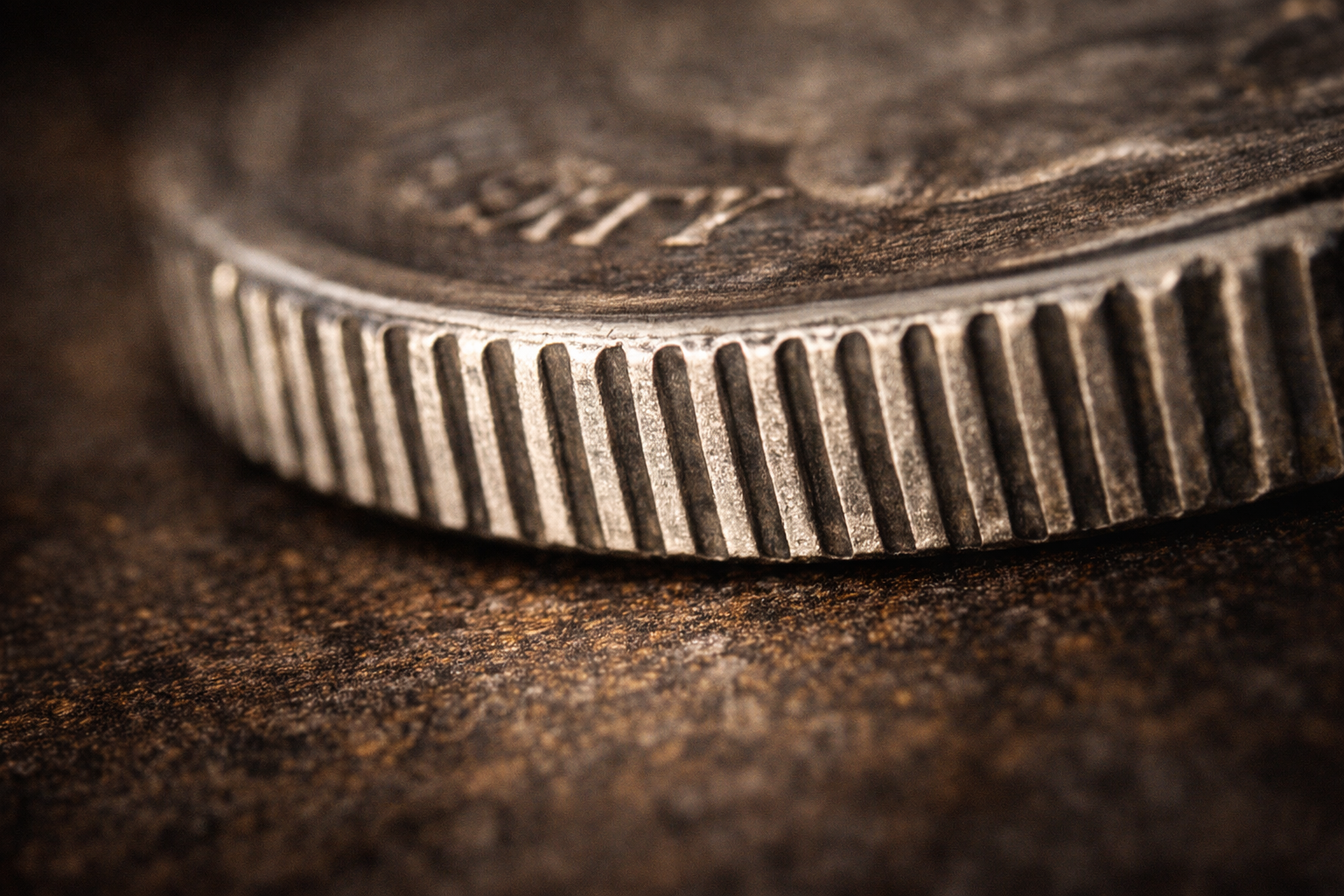
By simply examining the edge of a coin, many collectors can quickly determine whether the coin might belong to the earlier silver era of American coinage.
Recognizing Silver Coin Designs
Another helpful method for identifying silver coins involves recognizing specific coin designs that were produced during the silver period. Several historic designs appeared on American coins before the composition changes of the nineteen sixties.
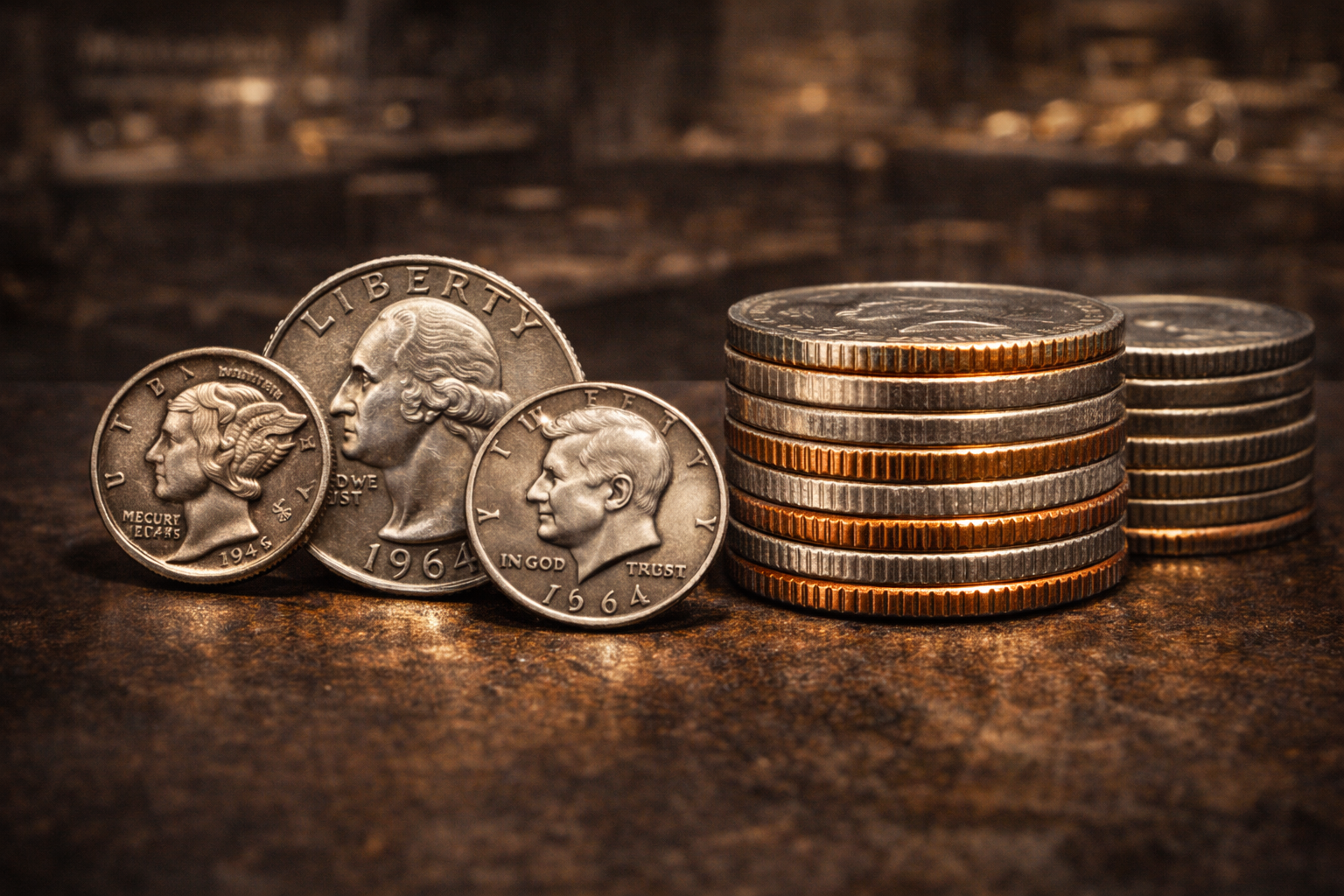
For example, earlier dimes featured designs such as the Mercury dime, while quarters included designs like the Standing Liberty quarter. These designs were all struck during the era when silver was commonly used in American coins.
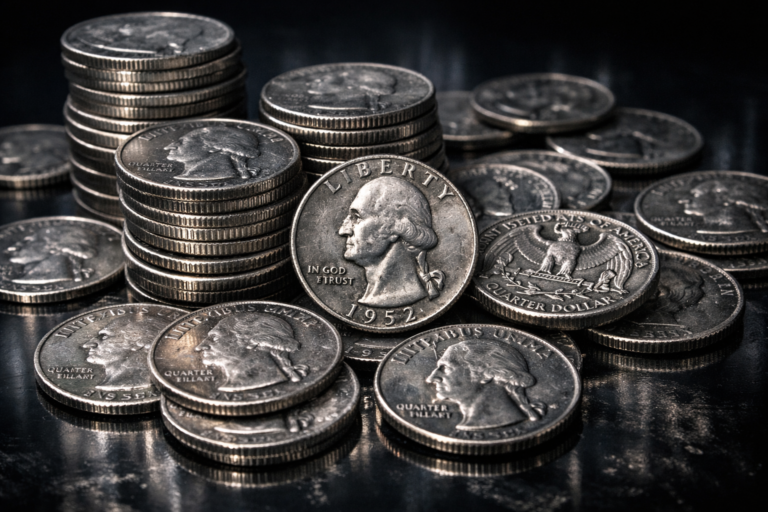
Even later designs such as the Washington quarter originally contained silver before the composition change occurred. Recognizing these historical designs can therefore help identify coins that were originally produced with silver content.
Weight and Sound Differences
Silver coins also behave differently from modern clad coins when handled or gently tapped together. Because silver is denser than many other metals used in coinage, silver coins typically feel slightly heavier than their modern counterparts.
In addition to weight differences, silver coins produce a distinctive ringing sound when tapped lightly against another coin. This sound is often described as a clear, high tone that lasts slightly longer than the dull sound produced by modern clad coins.
Although this test should be performed carefully to avoid damaging coins, experienced collectors often use sound as an additional clue when identifying silver coins.
Common Types of U.S. Silver Coins
Several denominations of American coins historically contained silver. These coins were produced in large numbers and circulated widely throughout the United States.
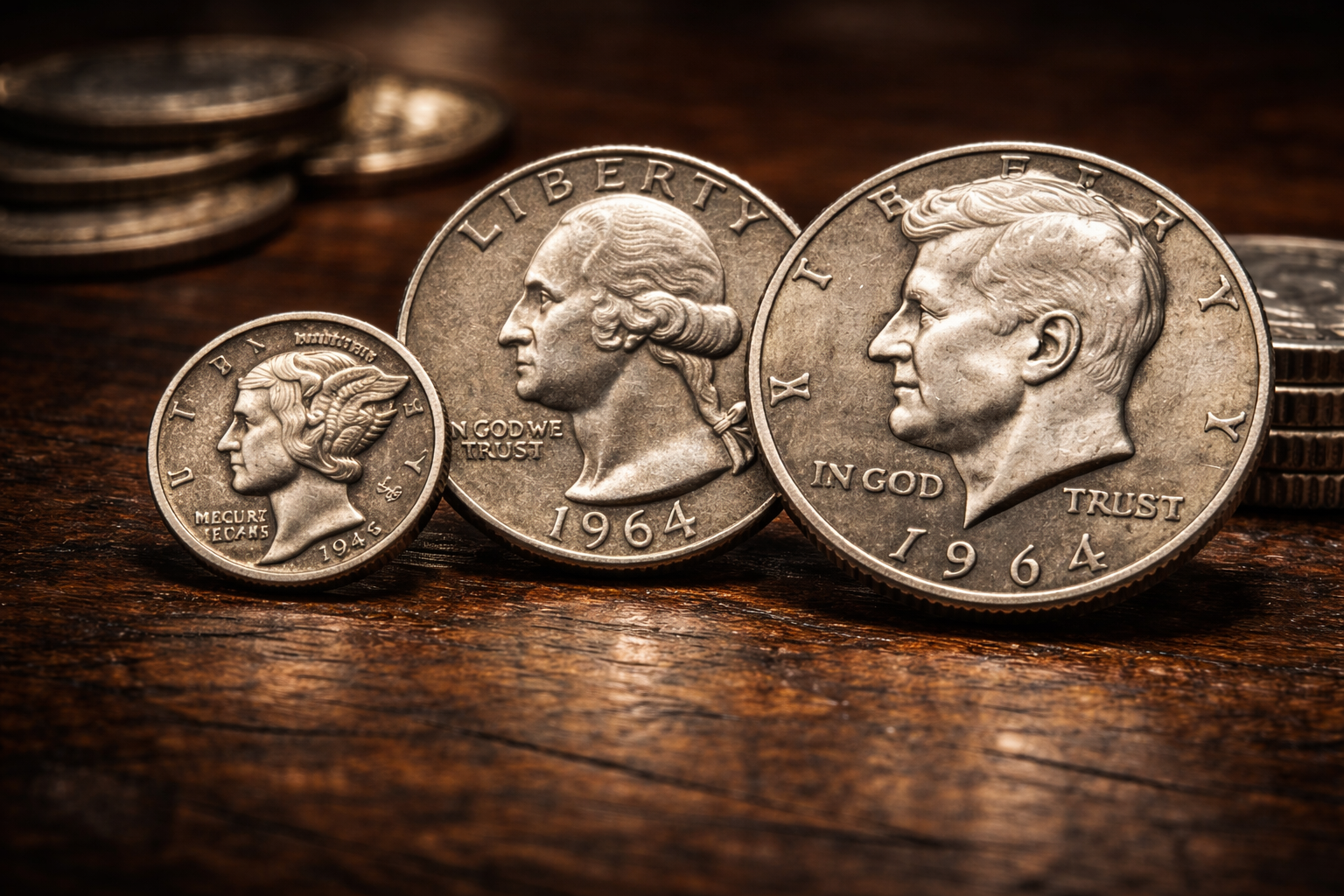
The dime was one of the smallest but most frequently used silver coins. Despite its small size it contained a substantial percentage of silver during much of its history.
The quarter was another widely circulated silver coin and became one of the most recognizable denominations in American currency. Its convenient value made it extremely common in everyday transactions.
Half dollars were also produced with silver for many decades. Although they circulated less frequently in later years, earlier generations relied on them regularly for larger payments.
Quick Identification Table
| Coin | Silver Era | Key Indicator |
|---|---|---|
| Dime | Before 1965 | Solid silver edge |
| Quarter | Before 1965 | No copper stripe |
| Half Dollar | Before 1971 | Older composition |
This quick reference can help beginners recognize coins that belong to the earlier silver period of American coinage.
Why Identifying Silver Coins Matters
Identifying silver coins can provide insight into the historical development of American money. These coins represent a period when everyday currency still contained precious metals and reflected traditional standards of value.
For collectors, identifying silver coins also opens the door to exploring the broader history of American coinage. Each coin design reflects the artistic and political influences of its time.
Studying these coins helps historians understand how the monetary system evolved and why certain changes were introduced.
Silver Coins in the History of American Money
Silver coins once formed a major part of the United States monetary system. For more than a century these coins circulated widely and supported everyday commerce throughout the country.
When economic pressures eventually forced the removal of silver from circulating coins, the change marked a major transition in American coinage history.
Understanding how to identify silver coins therefore provides more than just a collecting skill. It also offers a window into the evolution of American currency and the economic forces that shaped it.
Related HistoraCoin Stories
FAQ
How can you quickly identify a silver coin
The edge of the coin is often the easiest indicator. Silver coins usually show a solid silver colored edge without a visible copper stripe.
Which American coins historically contained silver
Common examples include dimes, quarters, and half dollars produced during the silver era of American coinage.
When did the United States stop using silver in coins
Major changes occurred during the nineteen sixties when silver was removed from many circulating coins.
Why are silver coins important to collectors
They represent a historical period when everyday currency contained precious metal and reflect important changes in the American monetary system.