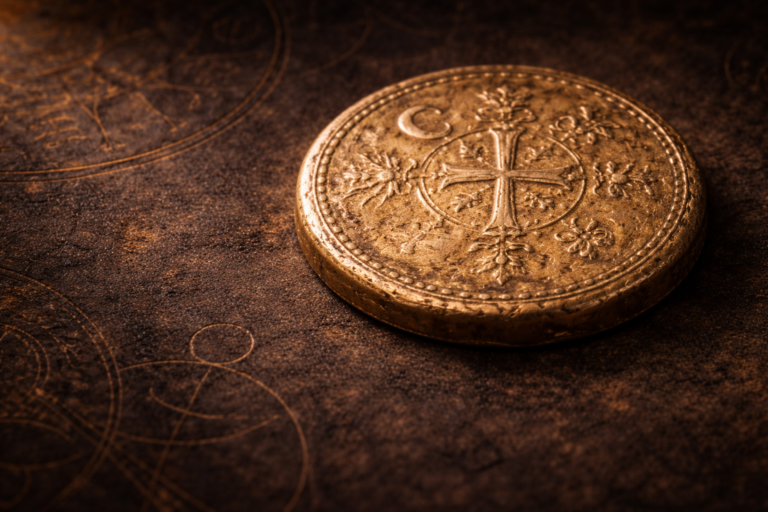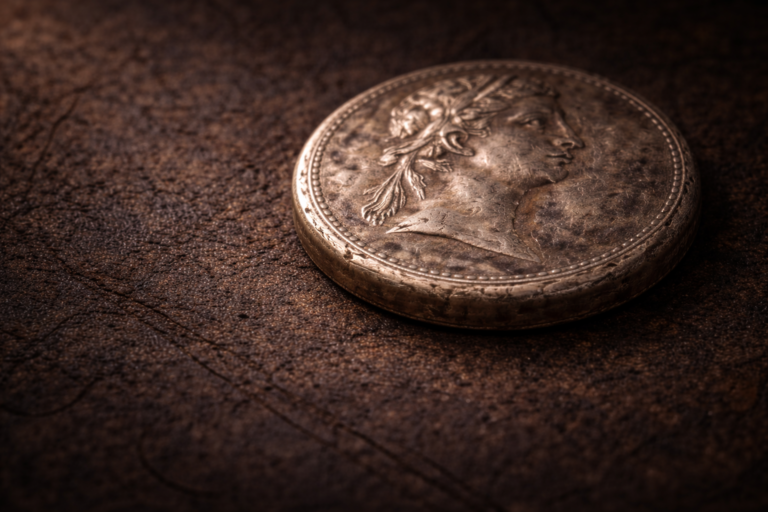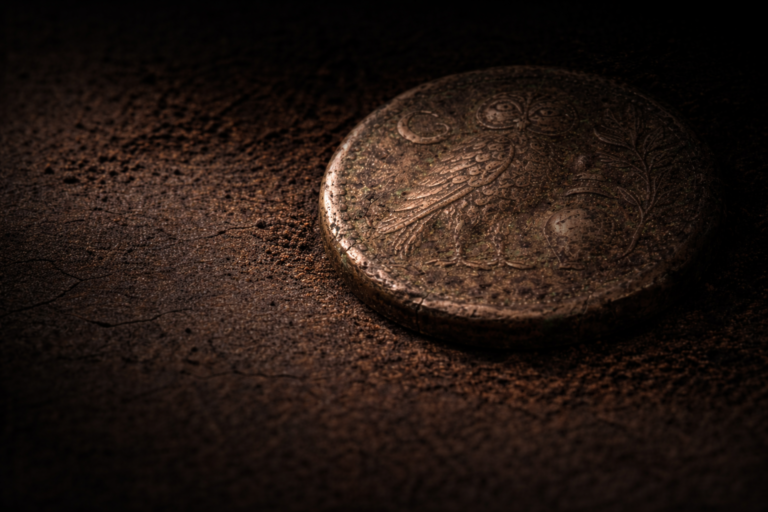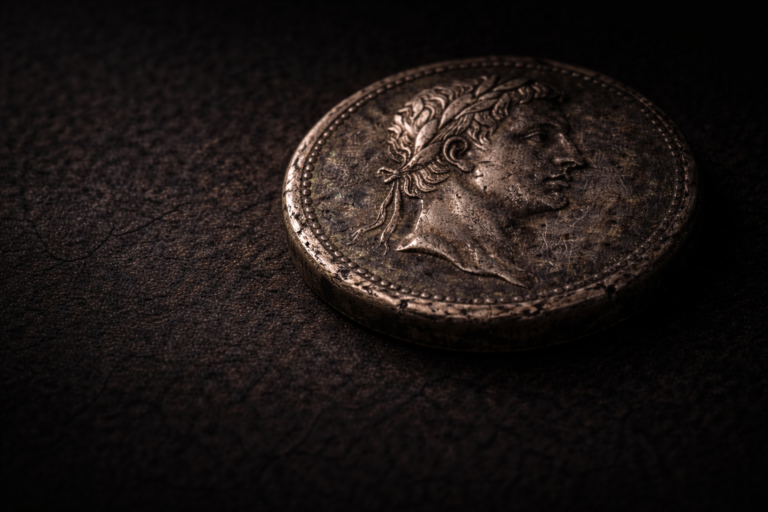
The French 2 Francs That Survived the War

In the final years of the Second World War, countless objects disappeared into the chaos of occupation, evacuation, and uncertainty. Yet among the scattered belongings, broken streets, and abandoned homes, a small number of everyday items managed to survive — quiet fragments of a world shaken by conflict. One such survivor was the 1944 French 2 Francs coin, a small piece of aluminum that travelled through pockets, borders, and turbulent days, silently witnessing the story of a nation fighting for its future.
This article is not about rarity charts or numerical ratings. It is about memory — what a single coin can represent when it outlives the moment that created it. The 1944 French 2 Francs was born into a France divided by occupation, resistance, hunger, and hope. Its surface carries no grand inscriptions of victory or declarations of triumph. Instead, it carries something quieter and more powerful: proof that even in a fractured world, some things endure.
Estimated reading time: 11 minutes

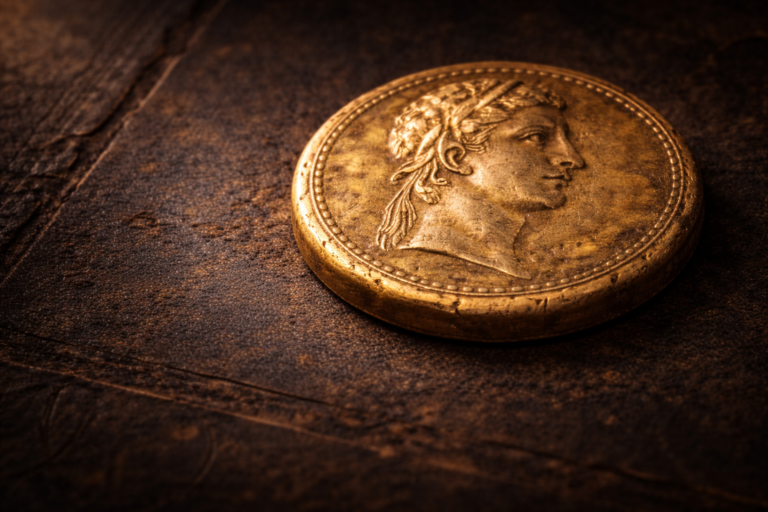
Image credit: HistoraCoin
France in 1944 – A Nation in Turmoil
By 1944, France had endured years of occupation, shortages, bombings, and political division. The economy struggled, factories were repurposed or destroyed, and the daily lives of citizens became defined by ration cards, curfews, underground networks, and constant uncertainty. In such conditions, even simple objects like coins played a role in shaping the rhythm of survival.
Aluminum coins became increasingly common, not because they symbolised national pride, but because they were practical. They could be produced quickly, cheaply, and in large quantities despite wartime limitations. In pockets, drawers, and market stalls, the 2 Francs piece circulated quietly through the hands of soldiers, farmers, mothers, merchants, and children — each using it as a tiny thread connecting one day to the next.
Why the 2 Francs Coin Was Created
The introduction of the 2 Francs coin during wartime was not a celebration but a necessity. As traditional metals were diverted to military use, coins had to be produced from materials that were still accessible. Aluminum became the obvious choice. Lightweight, easily shaped, and inexpensive, it allowed the government to maintain a functioning currency system during a period when nearly every resource was stretched thin.
Yet although the coin’s material was humble, its arrival symbolised something deeper: continuity. Even in times of collapse, the idea of a currency — something universally recognised and exchanged — offered a sense of normality to a population shaken by conflict.
The Unusual Aluminum Composition
Many people encountering the 1944 2 Francs coin for the first time are surprised by how light it feels. Unlike the heavier copper or silver coins produced in earlier decades, this one carries almost no weight at all. The softness of aluminum meant the surface wore down quickly, gathering scratches and flattening at the edges from constant handling.
But this fragility is part of what makes the coin special today. Each mark tells a story of movement — perhaps through a market in Lyon, a bakery in Paris, or a countryside home where food and supplies were scarce. Because aluminum is so reactive to the world around it, no two surviving examples look exactly alike.
A Closer Look at the Design
The obverse of the coin features the familiar “République Française,” paired with agricultural motifs symbolising labor and renewal. These images were chosen deliberately. During wartime, when unity and hope were fragile, national symbols served as quiet reminders of identity.
The reverse design, dominated by the numeral “2 FRANCS,” is simple yet confident. The surrounding laurel leaves, traditionally associated with resilience and peace, create a symbolic frame that reflects the aspirations of a country longing for restoration.

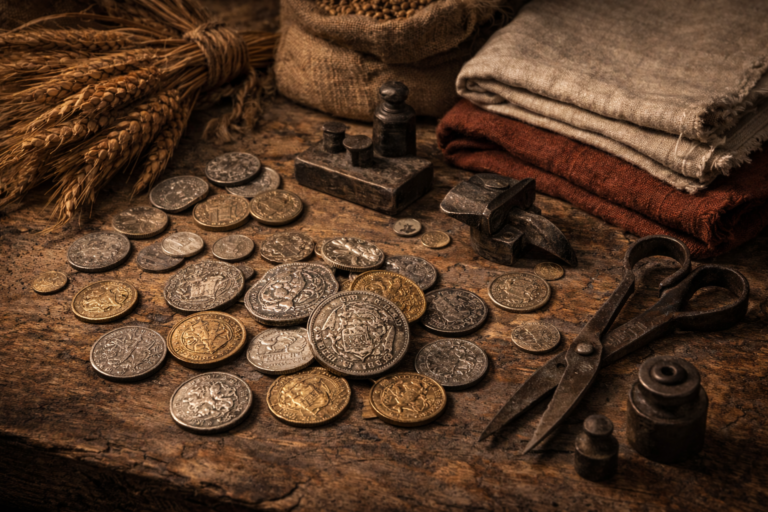
Image credit: HistoraCoin
Circulation During the Occupation
During the years of occupation, markets were unstable and supplies scarce. Food was rationed, goods were controlled, and many purchases required special permissions. Yet daily life continued, and the 2 Francs coin remained a constant companion. It passed through tired hands waiting in long queues, exchanged between neighbors, and dropped into metal boxes behind dimly lit counters.
Some coins travelled farther than others. Soldiers sometimes carried them as reminders of home. Refugees and displaced families transported them across regions. Workers on underground rail lines or in factories used them during brief moments of normalcy — buying a loaf of bread, a cup of coffee, or a small necessity before returning to hardship.
The Coin in the French Resistance
There are stories — some recorded, others whispered — about coins being used by members of the French Resistance for coded exchanges or identification signals. While such tales are difficult to verify, they reflect a truth: during war, even the smallest objects can hold meaning beyond their practical use.
A coin might have been left on a windowsill as a sign that a safe house was ready. It might have been used to trigger a conversation, confirm a rendezvous location, or subtly identify allies. The anonymity and ubiquity of the 2 Francs piece made it an ideal tool for communication hidden in plain sight.
Stories of Ordinary People
Behind every surviving coin lies a trail of human stories. Imagine a baker in Marseille who tucked a 2 Francs piece into the pocket of his apron, feeling its light shape against the fabric as he kneaded dough before dawn. Picture a mother counting coins at a kitchen table lit by a single candle, hoping she had enough for the next day’s needs. Or a child who kept a coin as a lucky charm during air raids, believing it would protect their family.
These coins witnessed moments of fear and moments of courage. They were present during arguments, reconciliations, small celebrations, and quiet evenings. When we look at them today, we see not only metal but echoes of footsteps on cobbled streets, conversations whispered in safe houses, and the longing for peace.
After Liberation – The Coin’s Second Life
After France was liberated in 1944, the currency system gradually stabilised. Many wartime coins continued to circulate for years before being replaced. For some families, these coins became symbols of survival. They placed them in small wooden boxes, tucked them into drawers, or passed them down as reminders of endurance through hardship.
Today, the 2 Francs coin carries a double identity. It is at once an everyday object and a historical fragment. Its surface holds traces of countless hands, each leaving behind a story woven into the wider tapestry of a nation rebuilding itself after devastation.
Wartime Currency Across Europe
France was not alone in issuing lightweight coins during the war. Many European nations faced metal shortages, forced redesigns, and constant pressure to adapt currencies to new political conditions. Aluminum, zinc, and even emergency composite materials appeared across the continent.
These coins, viewed together, form a broader record of wartime survival. They reveal which industries collapsed, which borders shifted, and how ordinary people navigated daily life under circumstances often beyond imagination. Studying them is not simply an economic exercise — it is a doorway into understanding the human experience of war.
For a deeper look into the era surrounding this coin, you may find this historical documentary insightful:
Watch the World War II documentary on YouTube
.

Image credit: HistoraCoin
Final Reflection – What Survives After War
The 1944 French 2 Francs coin is more than a monetary artifact. It is a survivor of a world transformed by conflict. Its worn edges and faded relief are testimonies of the people who carried it through days of fear, nights of uncertainty, and rare moments of hope. Unlike monuments or official documents, a coin passes through the hands of ordinary individuals — and in doing so, gathers silent stories of resilience.
When we hold such a coin today, we connect with a moment in history when survival itself was an act of courage. The aluminum may be fragile, but the memories it represents are enduring. In a way, these small pieces of metal remind us that even in the darkest moments, something always remains — a fragment, a symbol, a witness. And sometimes, that is enough to keep history alive.
For more journeys into the stories behind historical coins from around the world, visit HistoraCoin.