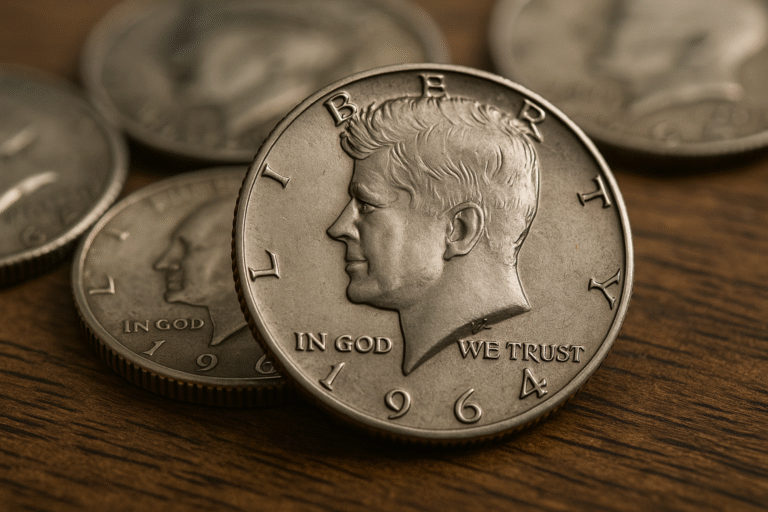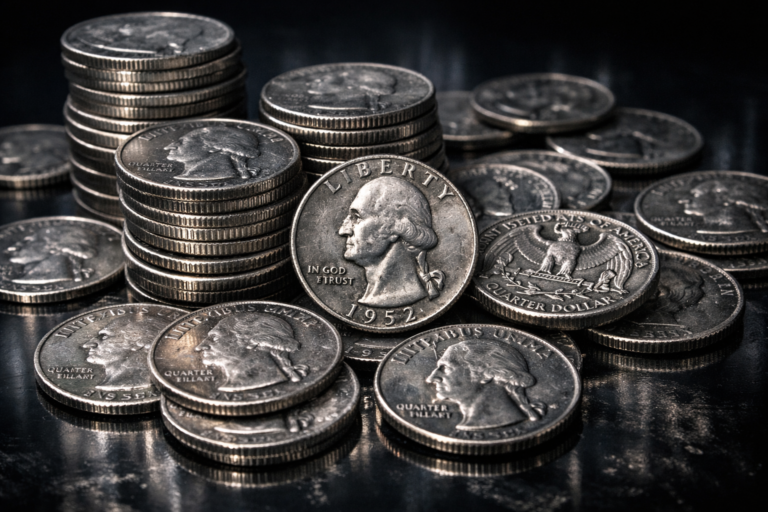
The Nickel That Rose from Obscurity
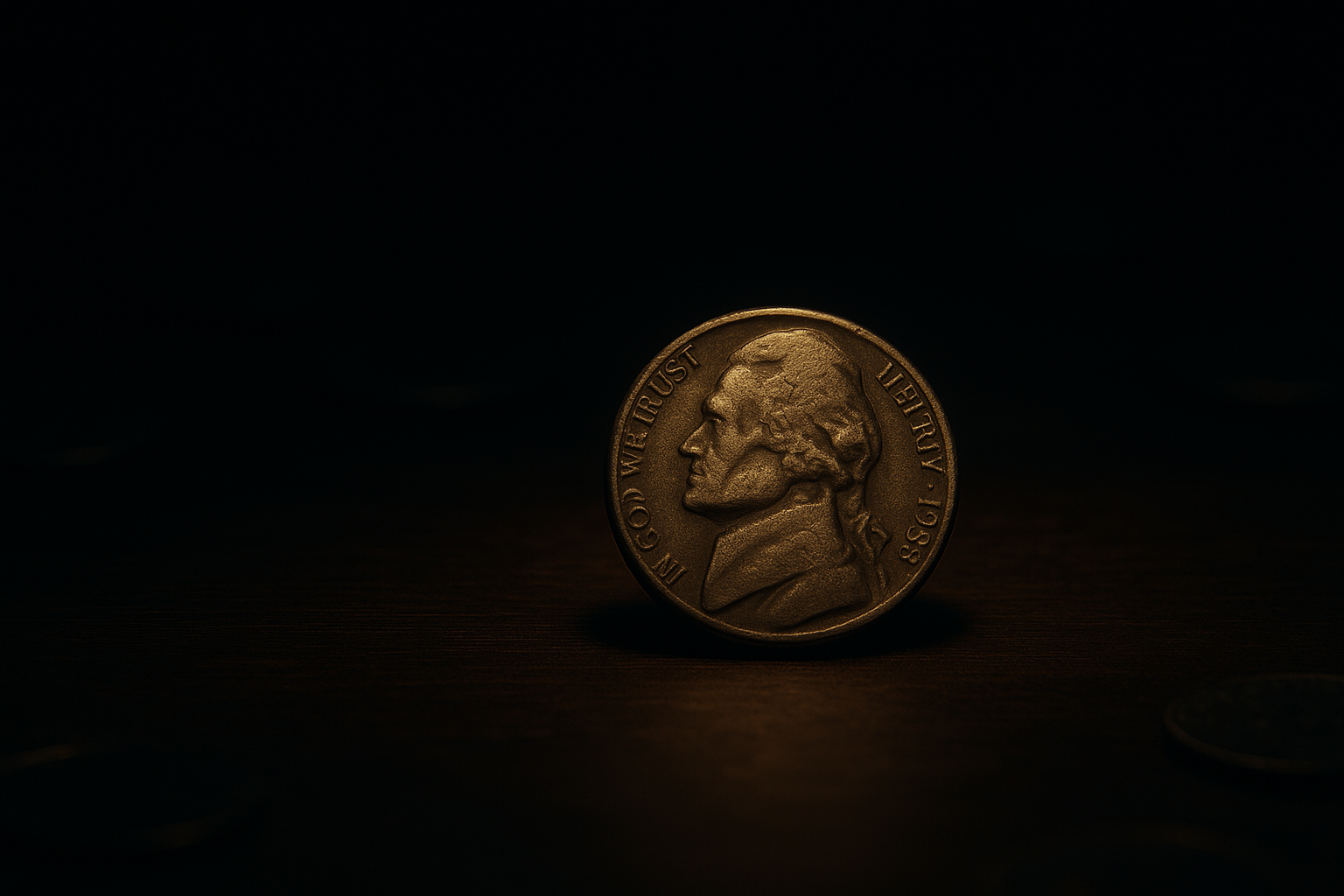
Somewhere in a drawer, a coat pocket, or a forgotten jar, an old nickel is still waiting. It once moved through busy streets, crossed counters in small shops, and rested in the hands of people who never knew it would outlive their daily routines. For years, it blended in with thousands of others, just another grey disc passing quietly from one palm to another. Yet over time, the world changed, and what was once ordinary began to feel like a survivor.
This is not a story about charts or headlines. It is a story about how one small coin can rise from obscurity simply by refusing to disappear. The nickel might look unremarkable at first glance, but when we trace its path through history – through the homes, pockets, and memories it touched – it becomes something else entirely: a witness to everyday life in a changing country.
Estimated reading time: 9–10 minutes

Image credit: HistoraCoin
A Small Coin in a Big Country
At first glance, a nickel does not look like the kind of object that could tell a sweeping story. It is small, grey, and often overshadowed by larger pieces of currency. People tend to rush past it, focusing on bills or digital balances instead. Yet for generations, nickels have played a steady role in daily life – paying for streetcar rides, cups of coffee, school lunches, and quiet moments in diners and cafés.
A single nickel might move through an entire town in just a few days. It rides in the palm of a bus driver during early morning routes, crosses the counter of a corner shop, and rests for a while in the pocket of someone walking home after a late shift. It might sit on a bedside table overnight, next to a watch and a folded note. The next day, it could be passed along at a newsstand, used to buy a local paper with headlines describing events that now belong to history.
When we imagine all of these movements together, the nickel suddenly feels less like a simple object and more like a silent observer. It hears snippets of conversation, sits quietly during arguments and celebrations, and glides between strangers who will never know they once shared it. In a vast country filled with different landscapes, languages, and lives, the nickel is one of the few things that has travelled everywhere without ever announcing itself.
How the Nickel Entered American Life
The nickel did not arrive overnight. It grew out of changes in both technology and everyday needs. During the nineteenth century, the United States experimented with different coin sizes, metals, and designs. There were large coppers that felt heavy in the hand, small silver pieces that disappeared easily in pockets, and early attempts at combining practicality with national imagery.
As commerce expanded, the country needed a coin that was durable, easy to handle, and suited to the growing rhythm of cities and towns. The five–cent piece evolved through trial and error, shifting metals and designs until it settled into something close to what people recognize today. Over time, the nickel became a familiar presence in cash drawers, vending machines, and coin–operated services that sprang up across the nation.
Different designs came and went. Portraits changed, national symbols were reinterpreted, and artistic trends left subtle marks on the coin’s face. Through these changes, one thing stayed the same: the nickel remained a working piece of everyday life. It followed railways, highways, rivers, and migration routes, always present but rarely noticed, always needed but seldom admired.
Our story follows one of those nickels – not a special edition or a ceremonial issue, but a simple piece that began its life like countless others, rolling out of coining presses into a metal sea, with no hint that it would one day be pulled aside and appreciated differently.
The Long Journey of One Forgotten Nickel
Imagine a single nickel leaving the mint on a cool morning. Freshly struck, it gleams under bright lights as it falls into a bin with thousands of others. From there, it travels in bags and boxes, stacked, counted, and weighed. Eventually, it reaches a local bank. A teller opens a roll and slides it into a tray, ready for the next customer.
Perhaps a small business owner withdraws change to prepare for a busy day. The nickel falls into a register and waits for its first encounter with the outside world. Late in the afternoon, a tired worker steps into the shop to buy a drink. The cashier counts out change and, with a soft clink, the nickel lands in a new hand. In that instant, its true journey begins.
Over years, the nickel might pay for bus fares, arcade machines, or cups of coffee at a roadside diner. It might end up in the pocket of a student rushing between classes, or in the palm of a parent buying a small treat for a child after school. It hears laughter, frustration, arguments, and greetings, though no one hears it. It passes through countless days without leaving a trace beyond the faint smoothing of its surface.
Eventually, a moment comes when the nickel’s path changes. It might fall between couch cushions and stay there during a house move. It might slip beneath a car seat and ride along highways, unseen. It might be swept into a jar labelled “spare change” and left at the back of a shelf. For years, no one looks directly at it. The world outside moves on, yet the nickel remains exactly as it is – silent, patient, and waiting.
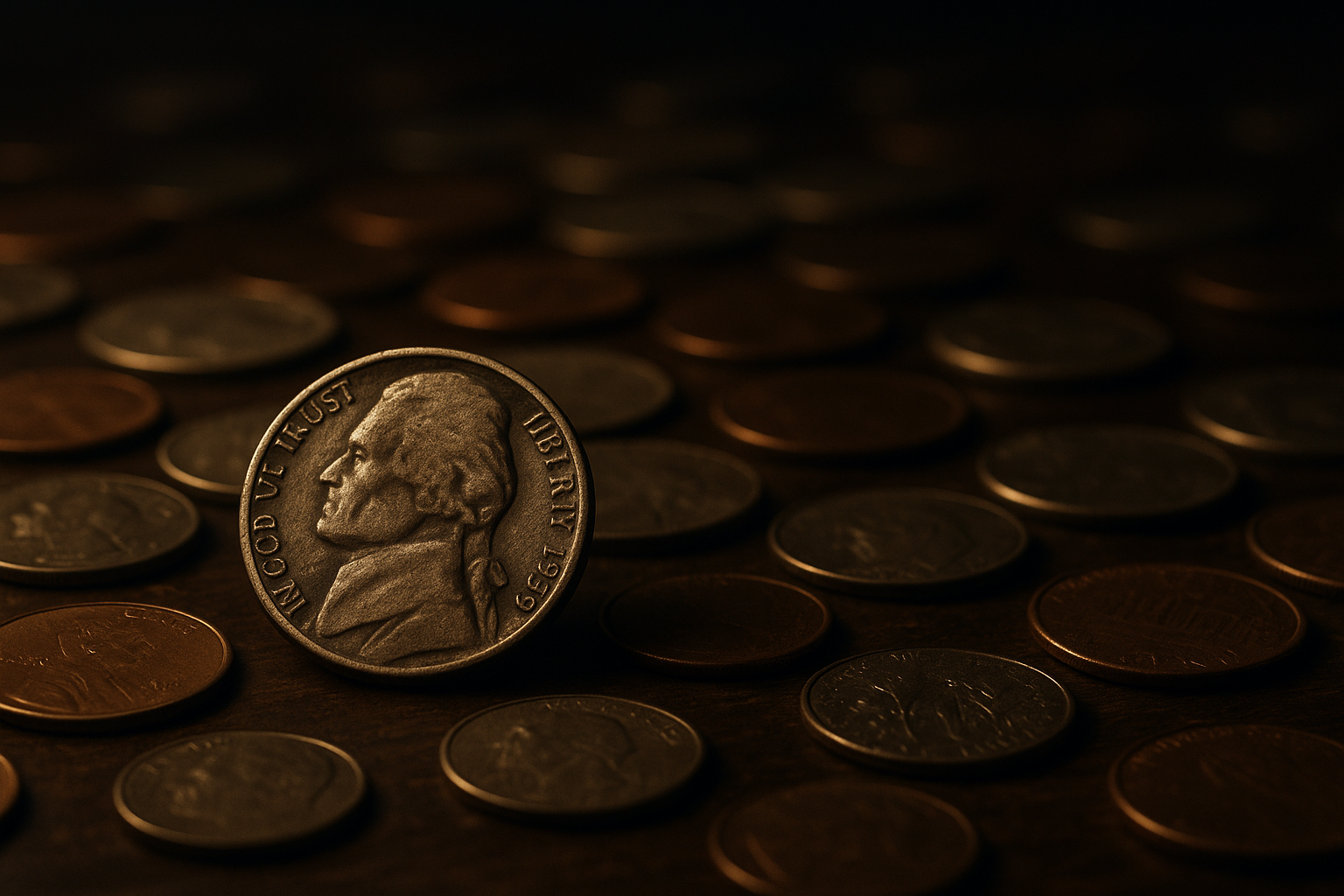
Image credit: HistoraCoin
Drawers, Jars, and Streets – Where Nickels Disappear
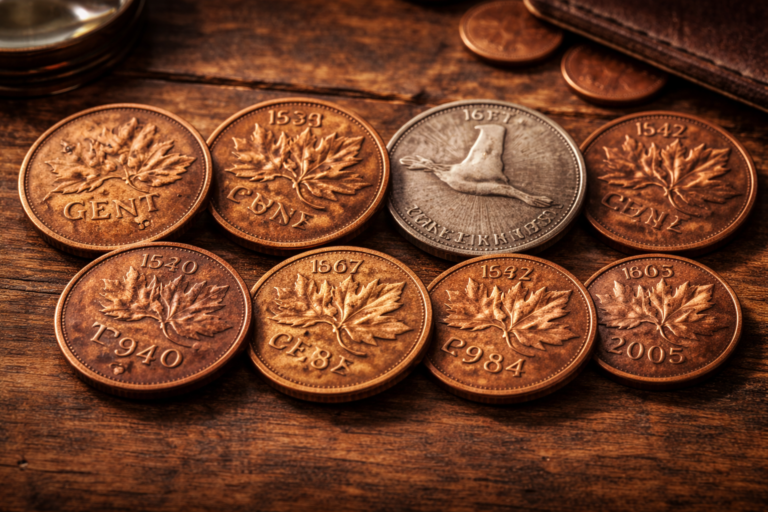
If you walk through any home, you will eventually find the places where coins go to rest. A small dish near the front door. A drawer filled with keys, batteries, and forgotten receipts. A glass jar on a kitchen shelf that has not been emptied in years. Nickels love these places. Once they end up there, they often stay for surprisingly long stretches of time.
Some nickels vanish in more dramatic ways. They slide out of pockets on public transport, fall through holes in old clothing, or roll under vending machines and never return. Children sometimes tuck them into handmade boxes or school projects. Others drop them into fountains, attaching quiet wishes that no one else ever hears. A nickel lying on a pavement may rest there until someone with sharp eyes picks it up, or until it is slowly pushed into a crack by passing shoes.
Our nickel could have experienced all of this. Perhaps it landed in a drawer after a long day, carried home by someone who intended to sort their change later and never did. As dust gathered around it, the outside world moved forward – new technologies appeared, payment habits shifted, and the sound of coins became less frequent in shops and streets. Yet inside that drawer, time barely touched the small grey disc.
In these quiet hiding places, nickels wait. Not because they choose to, but because people have turned their attention elsewhere. When someone finally rediscovers such a piece, it feels like meeting a stranger from another decade. The date on the coin glows softly, marking a moment that can be revisited but never relived.
Designs That Marked Different Eras
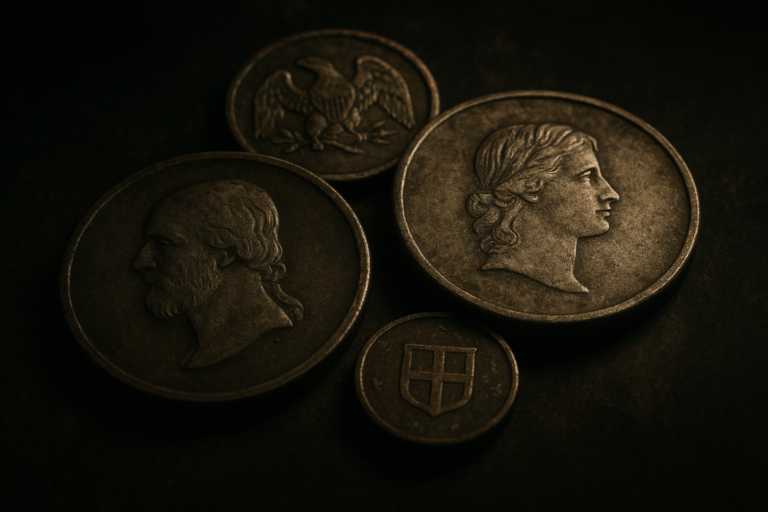
The story of this nickel is tied not only to where it travelled, but also to the design it carries. Over the years, American nickels have shown different faces and symbols, each reflecting the artistic and cultural mood of its time. Early designs featured shields, allegorical figures, and classic motifs that echoed European traditions. Later pieces introduced portraits and scenes that felt distinctly American, celebrating exploration, leadership, and national landscapes.
Some designs appeared briefly, leaving only a small footprint in circulation before being replaced. Others stayed for decades, becoming so familiar that people hardly saw them anymore. Each redesign followed discussions among artists, officials, and the public about how best to represent a nation on something as small as a coin.
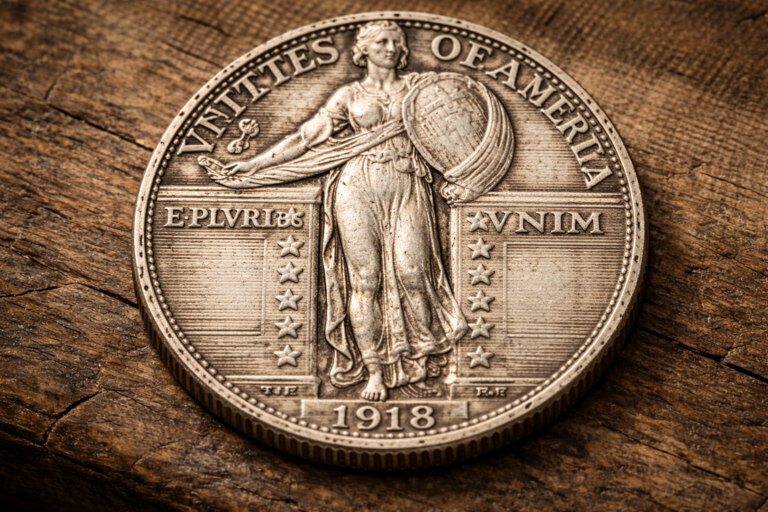
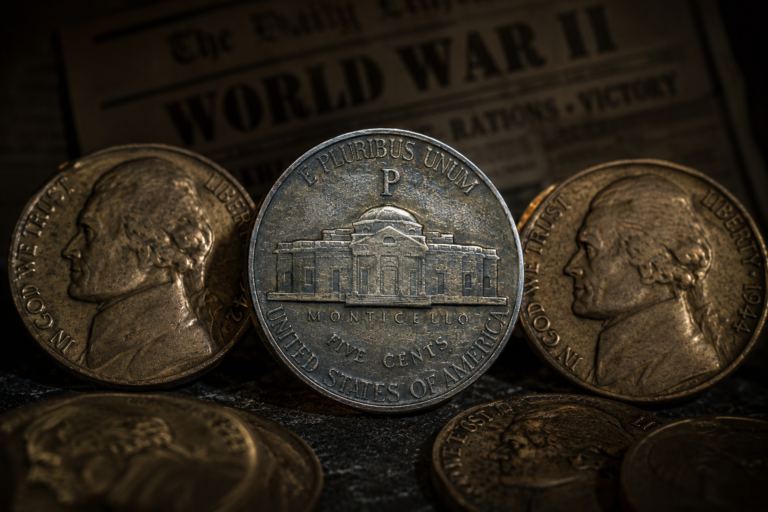
Our nickel, depending on the era in which it was struck, might carry a portrait that older generations remember from their own childhood. It might display lettering and details that later versions simplified or removed. To someone who knows these differences, the coin is not just a piece of metal – it is a timestamp. It tells you something about the style and thinking of the period that created it.
Even wear patterns become part of this visual record. High points on the design fade first, softening features and blending lines. After years in circulation, a nickel can look almost sculpted by time, its details gently pushed back by countless encounters with other surfaces. The more closely you look, the more its design reveals about its age and endurance.
Hands and Voices That Touched the Nickel
One of the most powerful ways to understand an old coin is to imagine the people who once held it. A nickel might pass through hands that are rough from physical work, or smooth from office tasks. It might rest in the palm of a child learning to count, or in the hand of a grandparent who remembers earlier designs and older prices pinned to store shelves.
Each transfer of the coin is accompanied by a voice. Quick words at a ticket booth. A short greeting across a shop counter. A quiet “thank you” in a small café. None of these moments are recorded anywhere, but they echo softly when you hold the coin today. It becomes a very small thread that connects you to people you will never meet.
Think of the different spaces the nickel may have visited: busy city streets, quiet suburban kitchens, rural gas stations, crowded stadiums, and lonely bus stops at night. In each place, it shared the air with different stories – celebrations, frustrations, routines, and turning points. Yet through it all, the coin asked for nothing. It simply moved when it was needed and waited when it was not.
By the time the nickel slipped into obscurity, hiding in a drawer or jar, it had already collected a lifetime of encounters. When someone eventually rediscovers it, they are not just looking at metal; they are holding a faint reflection of countless moments that have faded from memory but left their trace in the smoothness of its surface.

Image credit: HistoraCoin
When the Nickel Finally Rose from Obscurity
Every coin that survives long enough has a chance to be noticed again. For our nickel, that moment might come when someone decides to clean out an old drawer. Fingers push aside rubber bands, paper clips, and expired cards until they finally touch a cool, familiar shape. When the coin is lifted into the light, it seems at first like any other, but then the details begin to stand out.
The date catches the eye. So does the design, especially if it belongs to a style no longer seen in everyday transactions. A curious person might turn the coin slowly, feeling its edges and studying the way the light moves across worn surfaces. Questions appear: How long has it been here? Who used it before? What has changed in the world since it was last carried regularly in a pocket?
That simple act – pausing to look closely – is what allows the nickel to rise from obscurity. It has not changed physically. It still has the same weight, diameter, and metal composition it had the day it left the mint. What changed is the attention given to it. Once ignored, it now receives careful observation. Its scratches become clues rather than defects. Its date becomes a doorway instead of a detail.
Some people might place the rediscovered nickel in a small holder or box, giving it a new home where it will not be spent again. Others might keep it on a desk as a quiet reminder of a specific year or feeling. In either case, the coin has crossed an invisible line. It is no longer just another piece of pocket change. It has become part of a story.
Final Reflection – A Quiet Survivor of Everyday Life
The nickel that rose from obscurity did not do so through drama or spectacle. It followed the same path as countless coins before it: minted, circulated, forgotten, and rediscovered. What makes its story special is the way we choose to look at it. Instead of passing it over without a thought, we pause and listen to what it represents.
In its metal, we find echoes of markets, bus rides, late–night conversations, long workdays, and quiet walks home. We see the evolution of design, the changes in national taste, and the slow march of time that pushes older styles into the background. We sense the hands that once held it and the pockets where it rested, even though we will never know their names.
Coins like this remind us that history is not always stored in statues or grand monuments. Sometimes it hides in the smallest objects, tucked away in places we rarely check. When we take the time to study a single nickel from another decade, we connect ourselves to a chain of ordinary days that together shaped the world we live in now.
So the next time you find an old coin lying quietly at the bottom of a drawer, consider giving it a moment of attention. Turn it in the light, read its date, and imagine the journeys it might have taken. In doing so, you allow it to rise from obscurity, just as this nickel did – not as a treasure in the usual sense, but as a small, steady witness to the lives that touched it.
For more journeys into the stories behind historical coins from around the world, visit HistoraCoin.