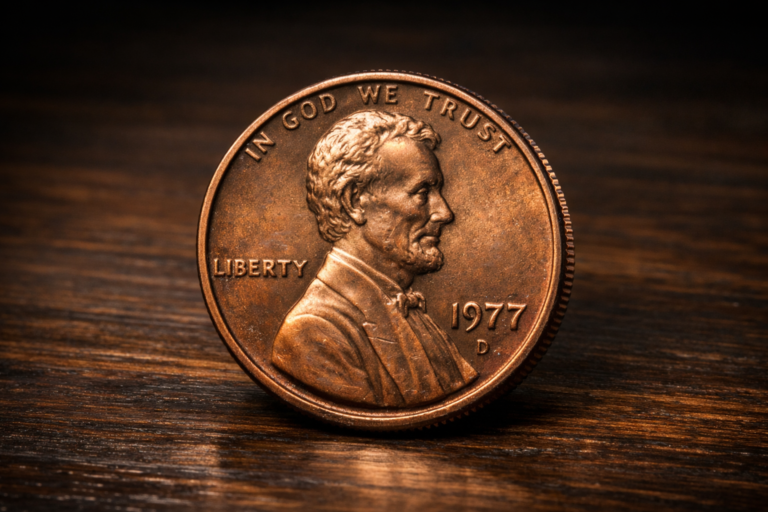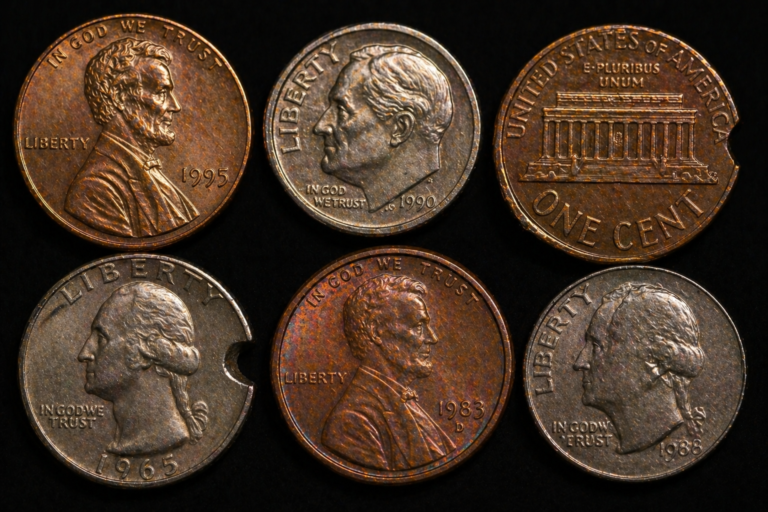
The Tiny Mark That Changed Everything – 1982 Penny Secret
⏱️ Estimated Reading Time: 6 minutes
The Tiny Mark That Changed Everything – 1982 Penny Secret
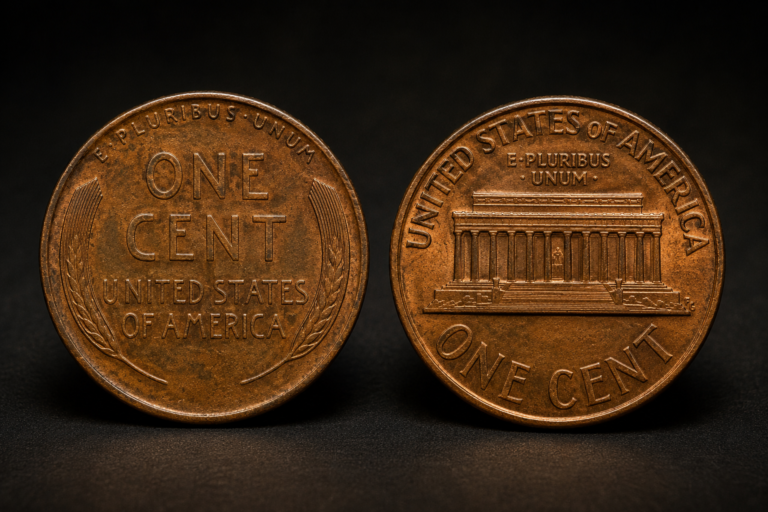
It was supposed to be a simple redesign — just a minor change in metal composition to save money. But in 1982, the Lincoln penny became the center of one of the most confusing and fascinating mysteries in modern coin collecting. A tiny difference in size, metal, and date created a puzzle that still challenges collectors more than forty years later.
⚙️ When Pennies Lost Their Weight
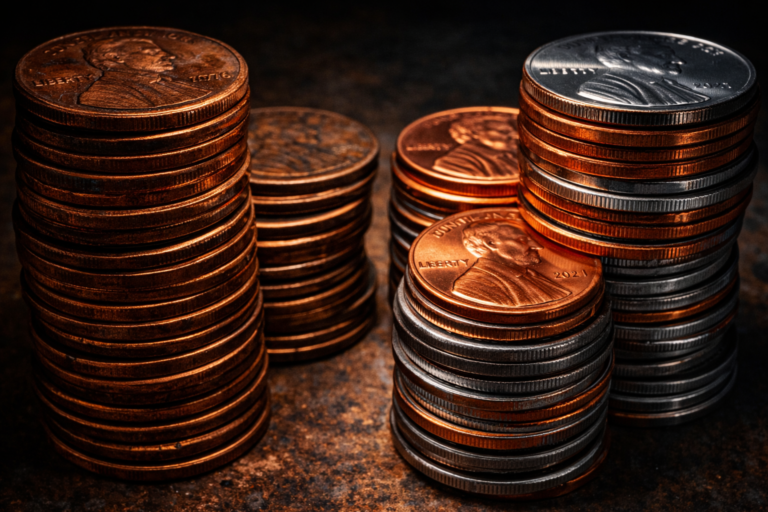
For decades, U.S. pennies had been made mostly of copper — until the price of copper began to rise in the late 1970s. By 1982, the metal in each coin was worth almost as much as the coin itself. So, the Mint decided to make a change: replacing copper with a cheaper zinc core coated in copper.
The old copper cents weighed 3.11 grams, while the new zinc ones weighed just 2.5 grams. Both looked identical — but that tiny change would trigger one of the greatest modern coin mix-ups ever.
🪙 Two Metals, Two Dates, One Confusion
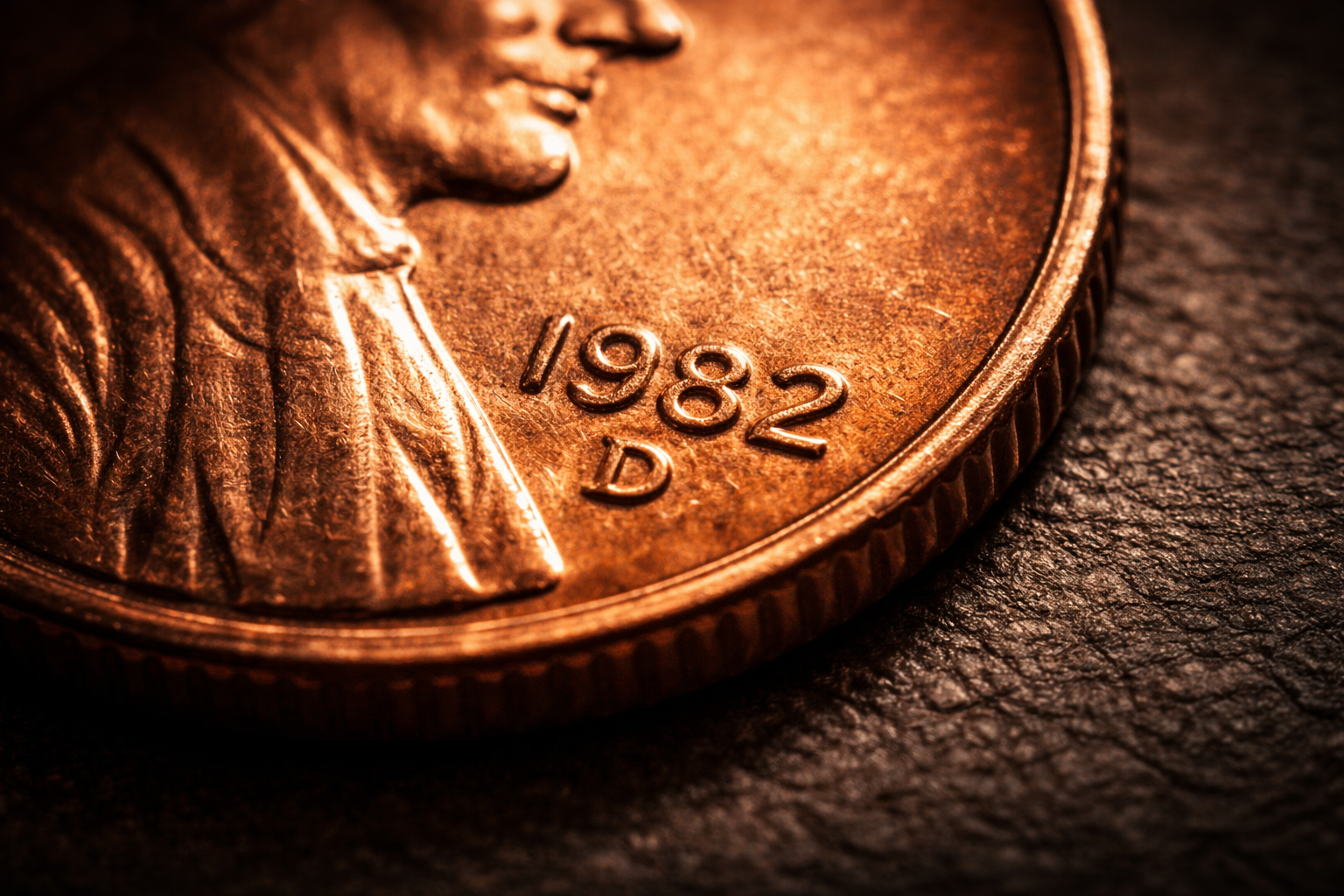
During the transition year of 1982, both copper and zinc planchets were used — and to make things even more complex, the Mint changed the design of the date itself. They introduced two versions: the “Large Date” and the “Small Date.” That meant 1982 pennies exist in eight different variations — a nightmare for beginners and a treasure map for experts.
Among them, the 1982-D Small Date Copper became the holy grail — a coin that technically shouldn’t exist. Only one authentic example has ever been found and verified, making it one of the most valuable modern U.S. coins.
🔍 The Hunt for the Small Date
Collectors began weighing and comparing pennies by the thousands. The difference was subtle: the “2” in the date of a Small Date penny sits slightly higher and thinner, while the “8” looks rounder. With a good scale, you could tell if it was copper or zinc — but only one lucky finder discovered the impossible combination: a Denver-minted 1982 penny made of copper with a small date.
That coin sold for nearly $20,000 — and remains one of the most famous modern minting errors.
💰 A Modern Mystery That Lives On
Even now, collectors keep checking jars and drawers for 1982 pennies, hoping to strike gold — or rather, copper. Because every 1982-D coin has the potential to hide a secret few millimeters wide. In a hobby full of ancient treasures, this modern riddle continues to fascinate the next generation.
⚖️ Reality Check
Most 1982 pennies are worth face value, but knowing their differences matters. Weigh your coin and study the date carefully — if it’s a Small Date from Denver that weighs 3.11 grams, you might just have a six-figure rarity. Always authenticate through PCGS or NGC before selling or insuring.
🔥 Final Verdict
The 1982 Penny Secret proves that even in modern times, the smallest details can create legends. A single millimeter, a single gram — that’s all it took to turn a common coin into a collector’s dream. Sometimes, history hides in plain sight — in the palm of your hand.
Visit HistoraCoin.com for more legendary stories from the world of rare coins.