The 1999 Pocket Legends – Coins Never Meant to Be Found
In 1999, pockets around the world carried quiet little witnesses to the end of a century. They clinked against keys, hid under folded receipts, and slipped between the stitches of worn wallets. Most people hardly looked at them. Yet those small discs of metal were standing on the edge of a turning point – the moment before calendars rolled into a new millennium and everyday life slowly shifted toward screens, cards, and digital balances.
This is not a guide about checking your change for special pieces or chasing after headlines. Instead, it is a walk back into that final year of the twentieth century, using ordinary coins as a doorway. Some came from supermarket tills, some from gas stations on the highway, some from vending machines at schools and factories. Many were tossed into jars and drawers, forgotten for years. When we dust them off today, what we find is not a list of numbers, but a map of memories.
Estimated reading time: 9–10 minutes
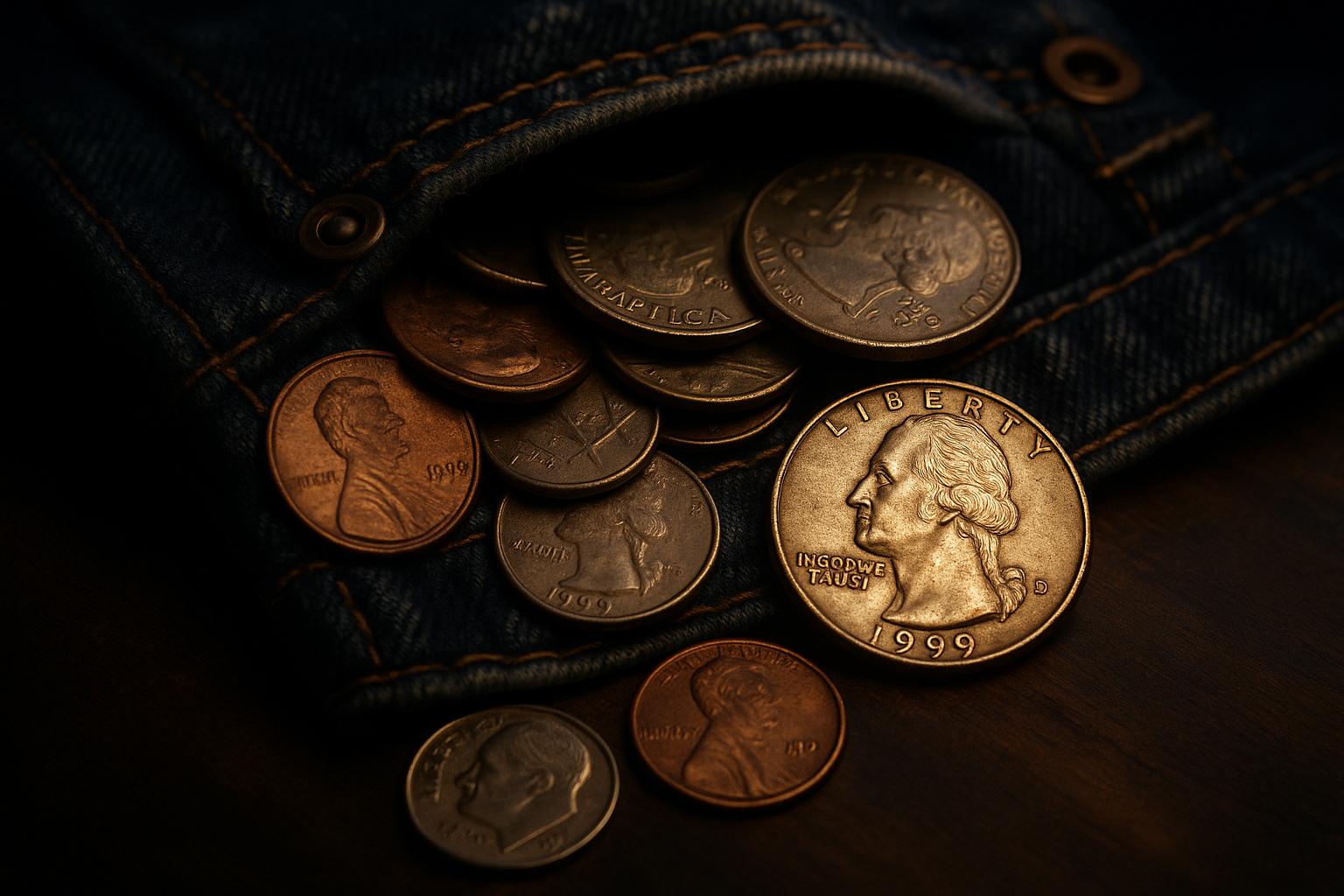
Image credit: HistoraCoin
1999 – The Last Year Before the Digital Rush
1999 felt restless. News channels spoke constantly about new technology and whispered about the so–called “Y2K problem”. People wondered what would happen to computers when dates changed, whether flights would be delayed, whether screens would go dark at midnight. Yet while the world worried about code and clocks, the cash registers kept ringing, and pockets kept filling with small metal discs that hardly anyone noticed.
In that final year of the century, coins still played a central role in ordinary life. They paid for bus rides, public phones, snacks from vending machines, laundromats, and parking meters. Children lined them up on school desks, stacking them into towers during boring lessons. Street musicians collected them in open guitar cases. Shopkeepers kept them in old wooden drawers that had been opened and closed thousands of times.
It is easy, looking back, to see nineteen ninety–nine as a countdown. But for most people, it was simply another busy year, where days blurred together and life moved forward at its usual pace. The coins of that year did not know that they were standing at the edge of a shift toward online banking, contactless cards, and virtual balances. They only knew how to pass from hand to hand.
Everyday Pockets and Quiet Companions
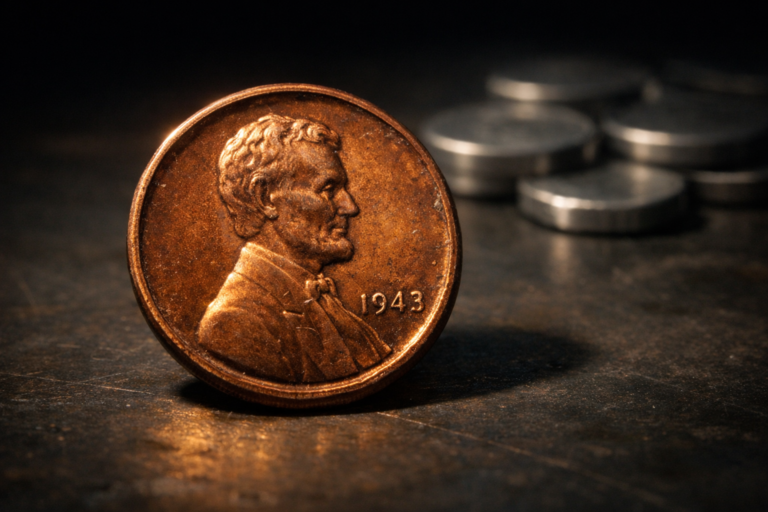
Think of a single piece of change from that year – perhaps a well–used cent, a nickel, a quarter, or a small foreign denomination. It might have started its journey at a mint, bright and untouched, dropped into a bag with thousands of others. From there it travelled to a bank, then to a store, then into the hand of its first anonymous owner. Maybe it was given as part of a shop’s opening till or fed into a change machine somewhere along a highway.
As time passed, that coin gathered tiny marks. A scratch from a fall onto pavement. A ring from rattling against keys. A light patch of wear where someone’s thumb always rubbed the same direction while waiting in line. None of these details seem important by themselves. But together, they turn an ordinary coin into evidence of movement – a record that it has lived in the real world.
Many nineteen ninety–nine coins never left their home region. They spent their lives inside a single town, moving from café to grocery, from gas station to newspaper stand. Others went much farther. A tourist might have carried them to another state or another continent, forgotten them in a suitcase, and rediscovered them years later in a side pocket. Each journey is different, yet the coins remain steady, small survivors that watched the end of one century and the beginning of another.
New Designs in Circulation – The State Quarter Era Begins
For people living in the United States, nineteen ninety–nine brought a fresh surprise in pocket change. That year marked the beginning of a long programme celebrating individual states with special quarter designs. Suddenly, the familiar eagle shared space with new images – bridges, landmarks, historical scenes, and symbols that represented local pride.
Children and adults alike started to look more closely at their coins. Instead of treating each quarter as identical, they began to notice which state name appeared on the reverse. School teachers used the designs to start conversations about geography and history. Families compared the coins they had collected in jars near the kitchen, curious to see which states they might still be missing.
A single quarter from nineteen ninety–nine might have become a tiny ambassador for its state, carried in the pocket of someone who had never visited the place shown on the design. These coins turned bus rides and supermarket trips into small opportunities for discovery. They also showed how a simple change in artwork could invite millions of people to see their everyday change with new eyes.
Years later, when someone finds one of those first state quarters hiding inside a drawer or an old purse, it feels like a postcard from nineteen ninety–nine. It holds memories of that first wave of excitement, when the idea of following a series in circulation made ordinary change feel like part of a national game.
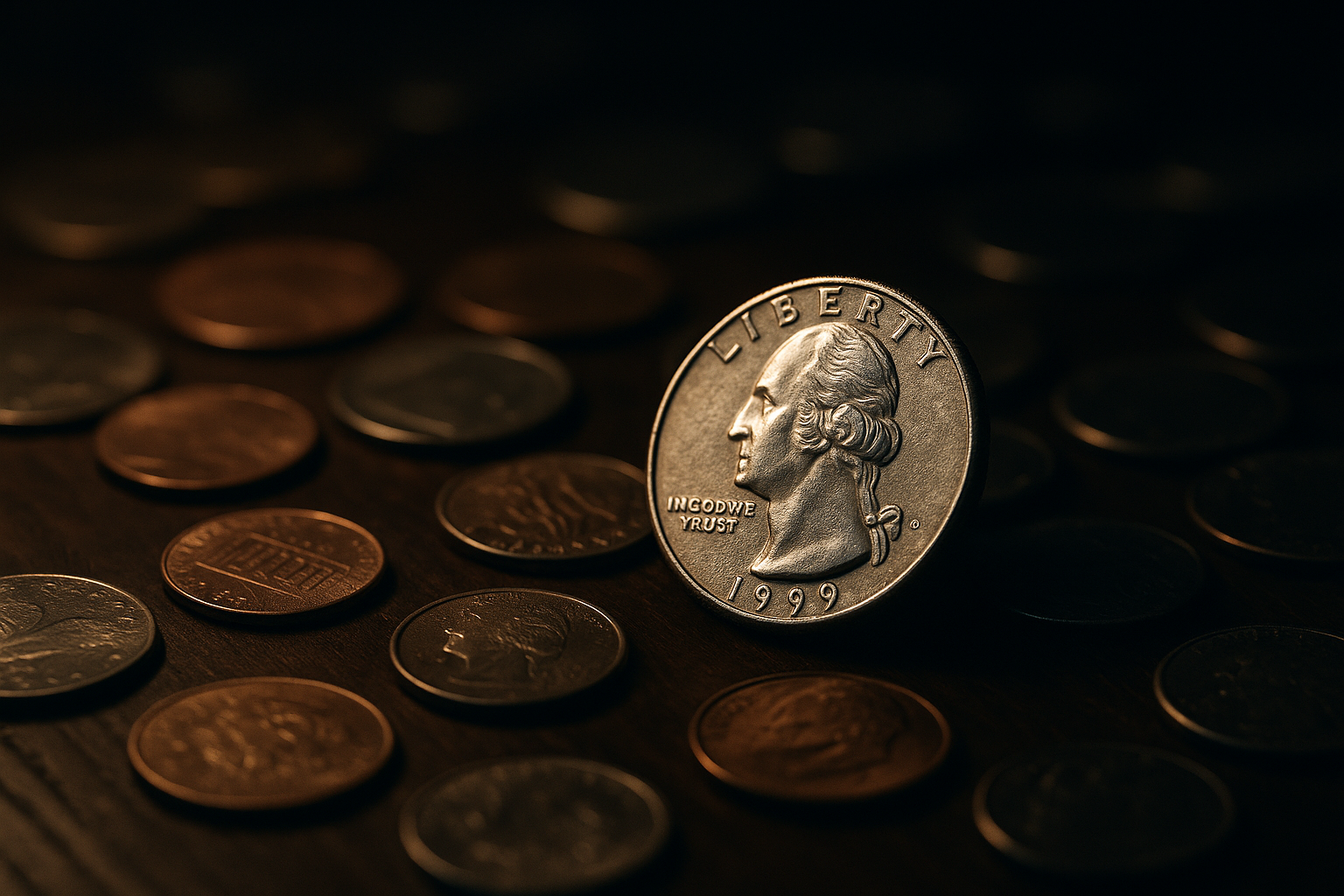
Image credit: HistoraCoin
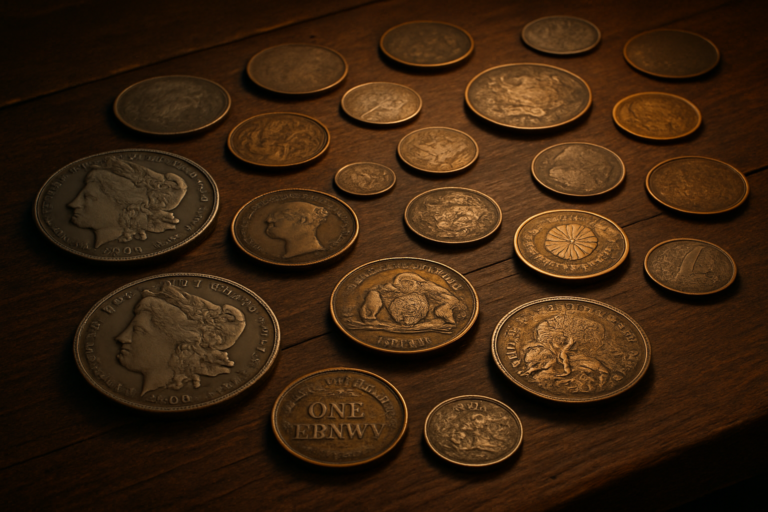
Beyond America – 1999 Coins Around the World
Nineteen ninety–nine was not just significant in the United States. Around the globe, different countries were living through their own turning points, and their circulating coins quietly reflected those changes. Some nations were redesigning their series to mark independence or political transitions. Others were introducing updated portraits, new national symbols, or modernised fonts to match a new era.
In certain places, people still relied heavily on small denominations for public transport, street markets, and daily necessities. A single coin from that year in one country might have paid for a cup of tea, while in another it might have opened a turnstile in a busy subway station. The coins reflected local landmarks, wildlife, cultural motifs, and leaders’ profiles – each series offering a compact lesson in national identity.
In Europe, nineteen ninety–nine also carried a sense of transition. Although many of the final designs for the euro would not fully appear in the hands of the public until later, discussions were well underway. People talked about what it would feel like to replace their long–familiar national units with a shared currency. Meanwhile, the existing coins of nineteen ninety–nine continued to circulate, unaware that they were among the last of their kind before a new chapter began.
For collectors who look back today, picking up a coin dated nineteen ninety–nine from any part of the world is like pausing a movie just before a major scene. The piece sits right at the edge of larger changes – political, economic, and technological – and yet still carries the everyday details of the world as it was.
Ordinary Coins, Unusual Moments
Not every memorable coin from nineteen ninety–nine is unusual because of a design. Sometimes, its story comes from where it has been. A cent that travelled in the pocket of someone working a night shift. A small foreign piece that a student kept after a first trip abroad. A battered coin that sat on a café counter near a window, touched by sunlight and steam from countless cups of coffee.
Imagine a bus driver who kept a particular piece mixed in with the others, never setting it aside but seeing it again and again as he counted out change. Or a cashier at a corner shop who recognised a distinctive scratch on one coin and smiled when it showed up after several days away. These little moments are hard to measure, yet they are part of what turns anonymous metal into human memory.
Many families also used coins as small anchors in time. A parent might drop a handful of nineteen ninety–nine coins into a jar labelled with that year, intending to look back later. A child might tape a coin next to a photograph in a scrapbook to remind themselves of a specific trip, school event, or holiday. Over the years, the paper may fade, but the coin remains almost unchanged, stubbornly holding on to its date.
Pocket Legends That Never Reached Headlines
When people hear the phrase “legendary coin”, they often think of spectacular rarities known only by specialists. Yet there is another kind of legend – quieter, more personal – that never appears in news stories. These are the pocket legends, the coins that became important in the private lives of ordinary people during nineteen ninety–nine.
One person might remember the last piece of change they used in a payphone before switching to a mobile. Another might remember a coin they placed in a wishing fountain that year. Someone else might still have the coin they kept from their first job, taped into a notebook as a reminder of independence. None of these pieces are unusual in metal composition or official records, but in the stories of their owners, they occupy a special place.
Over time, these personal legends accumulate. A small box in a drawer can hold a mix of dates and denominations, yet the nineteen ninety–nine pieces stand out because they mark the threshold between one century and the next. They become anchors for storytelling at family gatherings – little prompts that begin with, “Do you remember that year when…?”
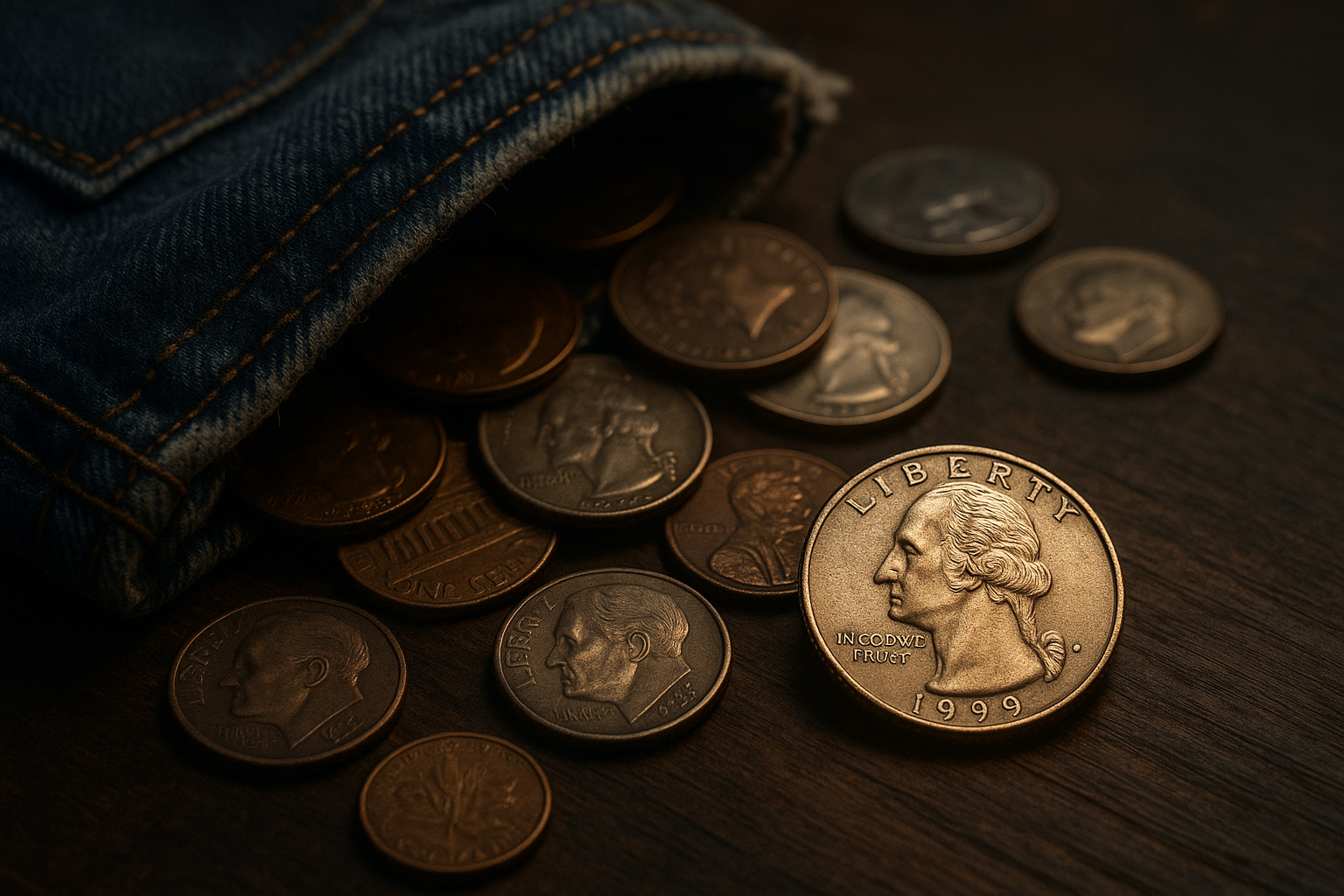
Image credit: HistoraCoin
What Collectors See in 1999 Coins
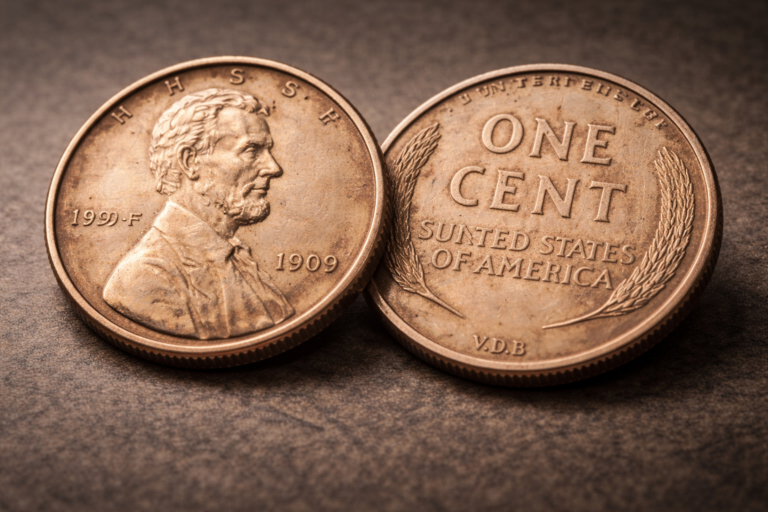
To a casual observer, a coin from nineteen ninety–nine may not look very different from one struck a few years before or after. For collectors, however, the date is part of a larger story. They might examine the design closely, comparing small details with earlier issues. They might look for changes in the portrait, the font, or the style of national symbols that reflect a shift in how a country wanted to present itself.
Collectors often pay attention to context. They read about what was happening in the world when the coins were struck – which leaders were in power, what major events took place, what technologies were arriving, and how people felt about the future. A simple piece dated nineteen ninety–nine becomes more than a number; it becomes an anchor to a specific moment of anticipation and uncertainty.
Many enthusiasts also enjoy tracing where their coins might have travelled. Even when the full path is unknown, small clues in wear patterns, toning, or contact marks invite speculation. Did this coin live most of its life in a busy city, passing through countless hands each day, or did it sit quietly in the till of a small countryside shop? These questions have no definite answers, but the act of wondering is part of the joy.
Importantly, collectors who focus on nineteen ninety–nine often emphasise appreciation rather than comparison. They are drawn not to ranking pieces above others, but to understanding the shared story of a world on the brink of a new millennium. Each coin, whether bright or worn, contributes a small voice to that chorus.
Final Reflection – Holding the Last Year of the Century
When you pick up a coin dated nineteen ninety–nine today, you are not just holding an object from a drawer or a box. You are touching a fragment of a year that stood at the border between two eras. Behind that date lie millions of untold scenes – busy streets, late–night diners, ticket booths at movie theatres showing their final films of the century, and buses heading home through winter rain.
The piece you hold might once have paid for a newspaper carrying headlines about approaching change. It might have rattled in the pocket of someone listening nervously to discussions about the future of technology. It might have fallen between couch cushions during a family gathering and stayed there for years. Its journey is invisible, but its presence is real.
The true magic of nineteen ninety–nine coins does not come from secret markings or dramatic discoveries. It comes from the way they connect the ordinary rhythms of the past with the eyes that look at them now. In a world that has moved rapidly toward digital figures displayed on screens, these small pieces of metal remind us that money once had weight, texture, and sound – and that each piece was physically carried through the days and nights of real lives.
For anyone who enjoys history, taking a moment to study coins from that year can feel like opening a tiny door back into the final chapter of the twentieth century. No charts are required, only curiosity. The legends are not hidden in numbers, but in the quiet truth that even the most ordinary coin can be a witness to extraordinary times.
For more journeys into the stories behind historical coins from around the world, visit HistoraCoin.