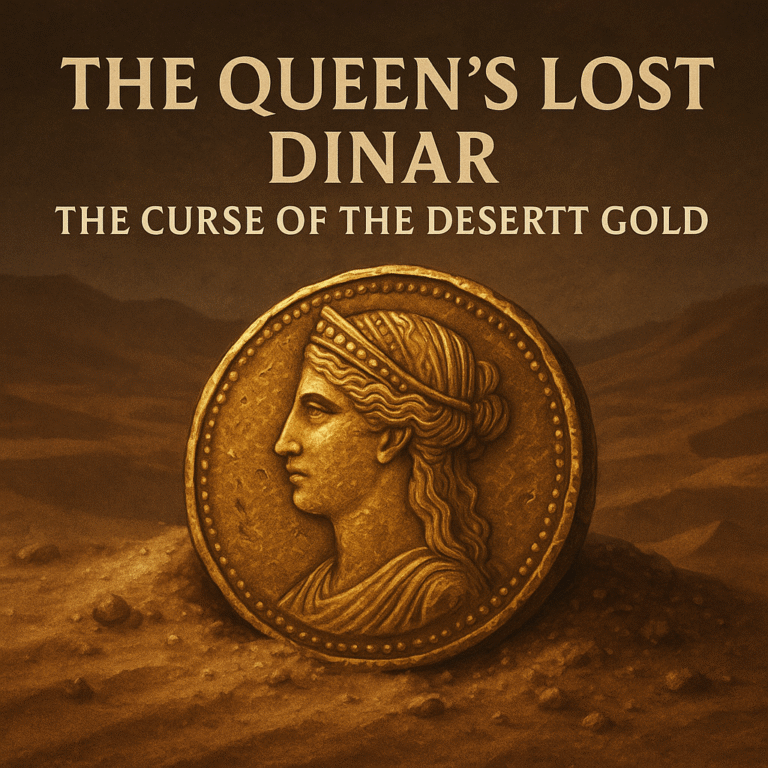
Ancient Egyptian Coins and Their Hidden Stories
This article is brought to you by HistoraCoin – where every coin tells a story.
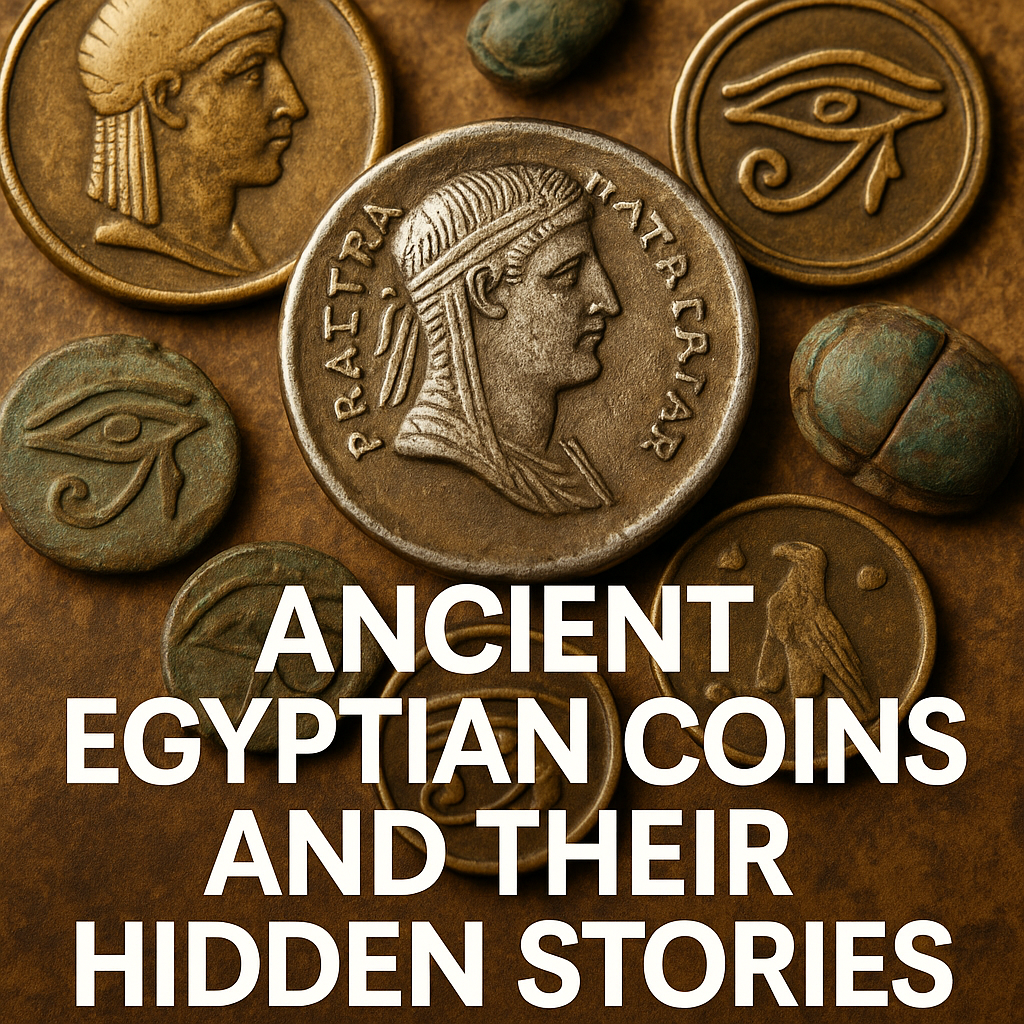
Egypt’s history is written not only on stone, but also on silver, gold, and bronze. Ancient Egyptian coins bridge the gap between kingdoms, pharaohs, and empires. From Greek rulers to Roman emperors, each coin minted in Egypt holds secrets of power, religion, and art. Let’s uncover the hidden stories behind the most remarkable Egyptian coins ever struck.
🏺 The Birth of Coinage in Ancient Egypt
While Egypt’s early economy was based on barter and grain, coins arrived during the Ptolemaic era, around the 4th century BC. Greek rulers like Ptolemy I and Ptolemy II introduced gold and silver coins featuring their portraits. These coins didn’t just represent wealth — they were tools of political propaganda, proclaiming Hellenistic power in one of the world’s oldest civilizations.
👑 The Ptolemaic Gold Staters
The Ptolemaic gold staters are among the most admired coins of the ancient world. Each depicts the ruler in divine form, blending Egyptian and Greek symbolism. Some bear the head of Zeus-Amun — a fusion of gods that reflected Egypt’s multicultural identity. Well-preserved staters can reach $20,000–$40,000 in auctions today.
🦅 The Alexandrian Tetradrachms
Struck mainly in Alexandria under Greek and later Roman rule, these large silver coins are miniature artworks. The Tetradrachms of Cleopatra VII are especially famous, bearing her portrait with striking realism. Collectors pay thousands for authentic Cleopatra coins, which symbolize one of history’s most powerful and mysterious queens.
🦋 The Roman Egyptian Coinage (30 BC – 296 AD)
After Egypt became part of the Roman Empire, the Alexandrian mint continued producing distinct coins known as Roman Egyptian drachmas. They featured emperors like Augustus, Nero, and Hadrian, but with Egyptian motifs such as the ibis or crocodile. Their bilingual inscriptions (Greek and Latin) made them unique in the ancient world.
🌙 The Islamic Influence – From Dinars to Dirhams
After the Arab conquest in the 7th century AD, Egypt became a key center for Islamic coinage. The Fatimid dinars and Mamluk dirhams were masterpieces of Arabic calligraphy, replacing images with verses from the Quran. These coins show how faith reshaped Egypt’s monetary art while maintaining its tradition of beauty and precision.
💎 Rare Finds and Archaeological Discoveries
Treasure hunters and archaeologists continue to uncover hoards of ancient Egyptian coins buried for millennia. The discovery of Ptolemaic gold in Alexandria or Roman drachmas along the Nile reveals how deeply coins were intertwined with trade and temple offerings. Authentic finds with historical provenance can exceed $50,000 in value.
🔍 How to Identify Ancient Egyptian Coins
Genuine ancient Egyptian coins often show signs of age — soft wear, uneven edges, and ancient patina. Look for Greek inscriptions like “ΠTOΛEMAIOY” or Latin legends from the Roman period. Modern replicas are common, so authentication through experts or grading companies like NGC Ancients is essential.
🧭 Reality Check
Ancient Egyptian coins aren’t just relics of wealth — they’re fragments of time. While only a few are worth huge sums, even modest examples connect you directly to pharaohs, queens, and empires that shaped human civilization.
🏁 Final Verdict
From gold staters to silver drachmas, ancient Egyptian coins tell the story of one of humanity’s greatest civilizations through metal and art. For collectors, each piece is more than an investment — it’s a chance to hold the legacy of the Nile in their hands.
❓ FAQ
What were the first coins used in ancient Egypt?
Coins appeared during the Ptolemaic period, introduced by Greek rulers around the 4th century BC.
Are Cleopatra coins real and valuable?
Yes, authentic Cleopatra tetradrachms exist and are highly collectible, often worth thousands of dollars.
What materials were ancient Egyptian coins made of?
Mainly gold, silver, and bronze, with later Islamic coins struck in gold (dinars) and silver (dirhams).
Where can I buy or authenticate Egyptian coins?
Trusted numismatic dealers, museums, and grading services like NGC or PCGS specialize in ancient coin verification.
Focus Keyword: ancient egyptian coins
Keywords: ancient egyptian coins, egypt coins, ptolemaic coins, roman egypt coins, islamic egypt coins, cleopatra coins, gold staters, alexandrian tetradrachms, egypt numismatics, old coins egypt