Elite Coins Never Meant for Ordinary Hands
Estimated reading time: 14 minutes
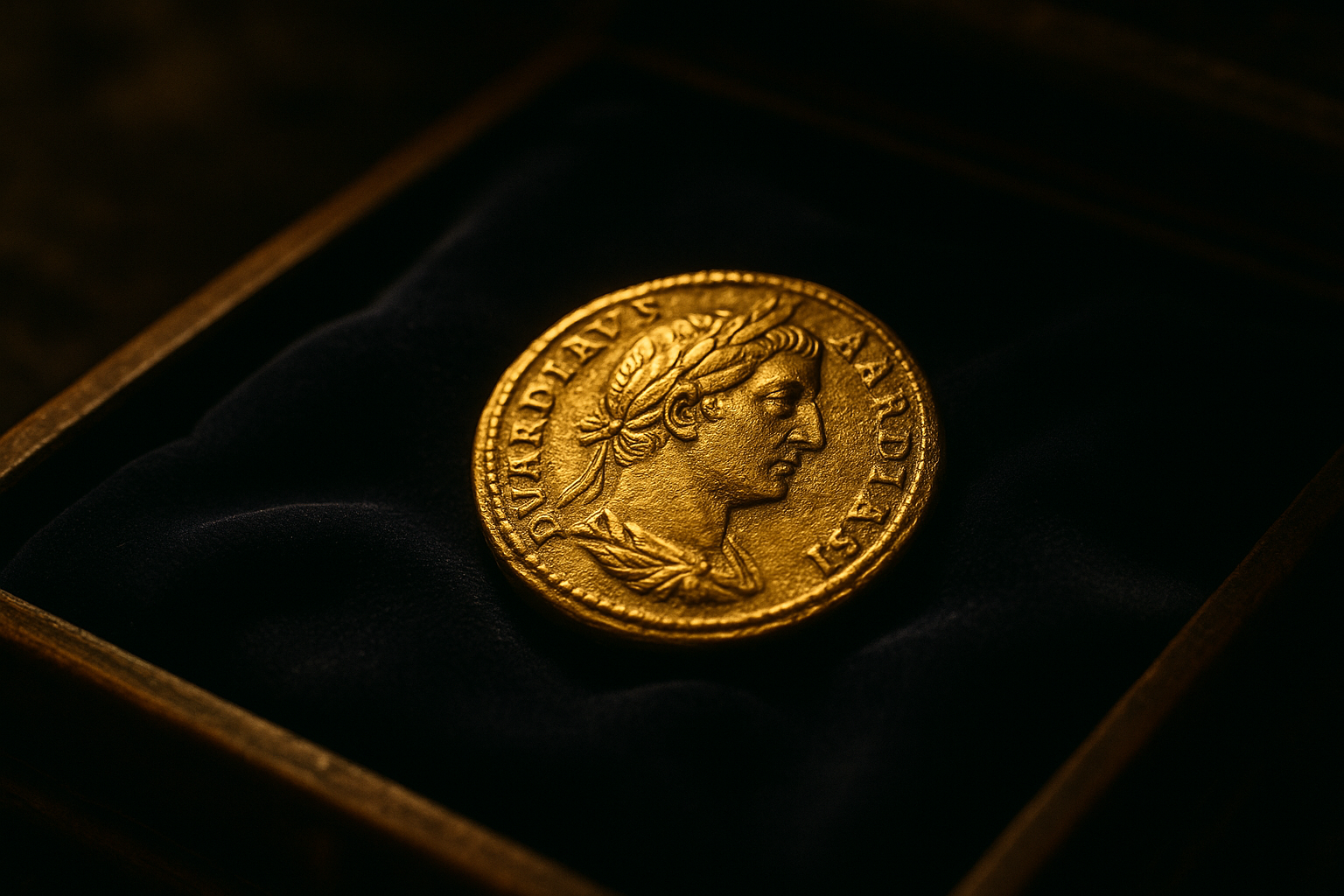
Not every coin was meant to pass from hand to hand. Some were never designed for markets. Some were never meant to be lost in the dust of daily life. They were created to stay close to power, ceremony, and silence.
These were coins for emperors, kings, priests, and ruling elites. Coins that spoke upward, not outward. Coins that carried messages meant for courts, temples, and inner circles.
This is the story of elite coins. Not as objects of desire, but as instruments of authority. Not as items of exchange, but as symbols carefully controlled.
What makes a coin elite
Elite coins are defined less by material and more by intention. They were minted with limits. Their movement was restricted. Their audience was carefully chosen.
Many of these coins never touched a marketplace. They did not buy bread or wine. They did not travel in purses. They were presented, stored, displayed, or sealed away.
An elite coin often carried imagery that demanded recognition. Imperial portraits. Sacred symbols. Dynastic emblems. Dates tied to coronations, victories, or divine favor.
Their purpose was not convenience. It was communication.
Coins created for rulers alone
Throughout history, rulers used coinage as a language. An image struck in metal could travel farther than any decree. But some messages were not meant for the crowd.
Certain coins were created specifically for rulers and their immediate circle. They commemorated access, not circulation.
These coins might mark the founding of a dynasty. They might honor a military victory known only within the court. They might represent divine approval claimed by a ruler.
Such coins were often presented during private ceremonies. They were given to trusted officials, generals, or foreign envoys. Possession itself was the statement.
Ceremonial coins and controlled visibility
Ceremonial coins occupy a special space between money and object. They look like coins. They feel like coins. But they behave differently.
These pieces were struck to mark moments. A coronation. A religious festival. A royal marriage. A treaty.
They were not produced for trade. They were produced for memory.
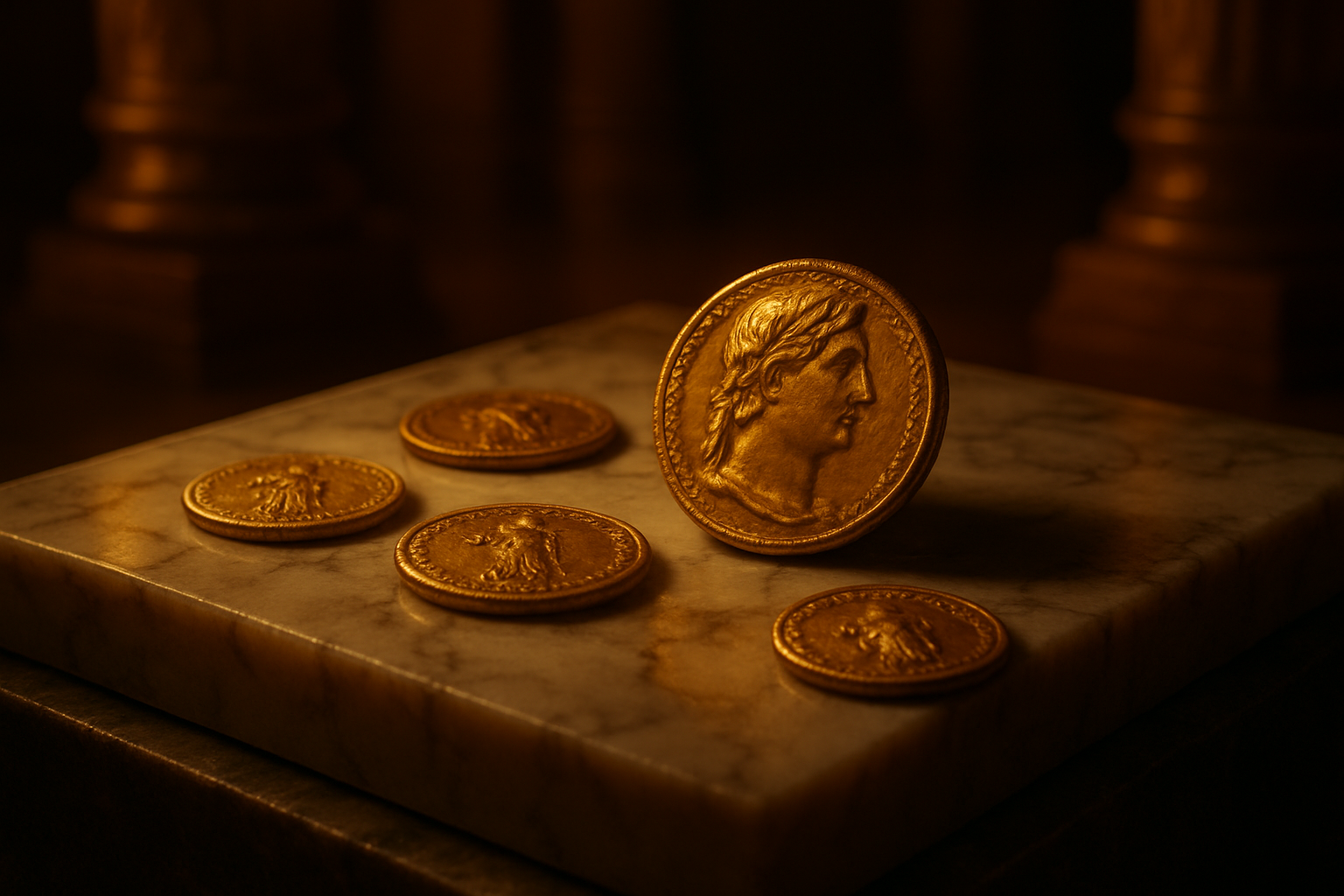
Image credit: HistoraCoin
Visibility mattered. Some ceremonial coins were shown briefly and then withdrawn. Others were stored in treasuries. A few were buried with rulers or placed in sacred locations.
Their value was symbolic. Their meaning depended on context. To see one was to understand status.
Elite coins and governance
In administrative systems, coins could function as authority tokens. Certain elite issues were associated with official power. They appeared alongside seals, documents, and state rituals.
Holding such a coin was not about ownership. It was about representation.
The imagery on these coins often reinforced legitimacy. The ruler as lawgiver. The ruler as protector. The ruler as chosen.
Circulation would weaken that message. Control preserved it.

Image credit: HistoraCoin
These coins reinforced hierarchy. They reminded viewers who ruled. And who did not.
Coins for sacred spaces
Religion and power were deeply connected in ancient societies. Elite coins often crossed into sacred space.
Some were dedicated to temples. Some were offered to deities. Some were sealed in foundations or sanctuaries.
Once placed, they were not meant to return. Their role ended the moment they entered sacred ground.
Such coins gained meaning through absence. They were not to be seen again. Their presence was symbolic, not functional.
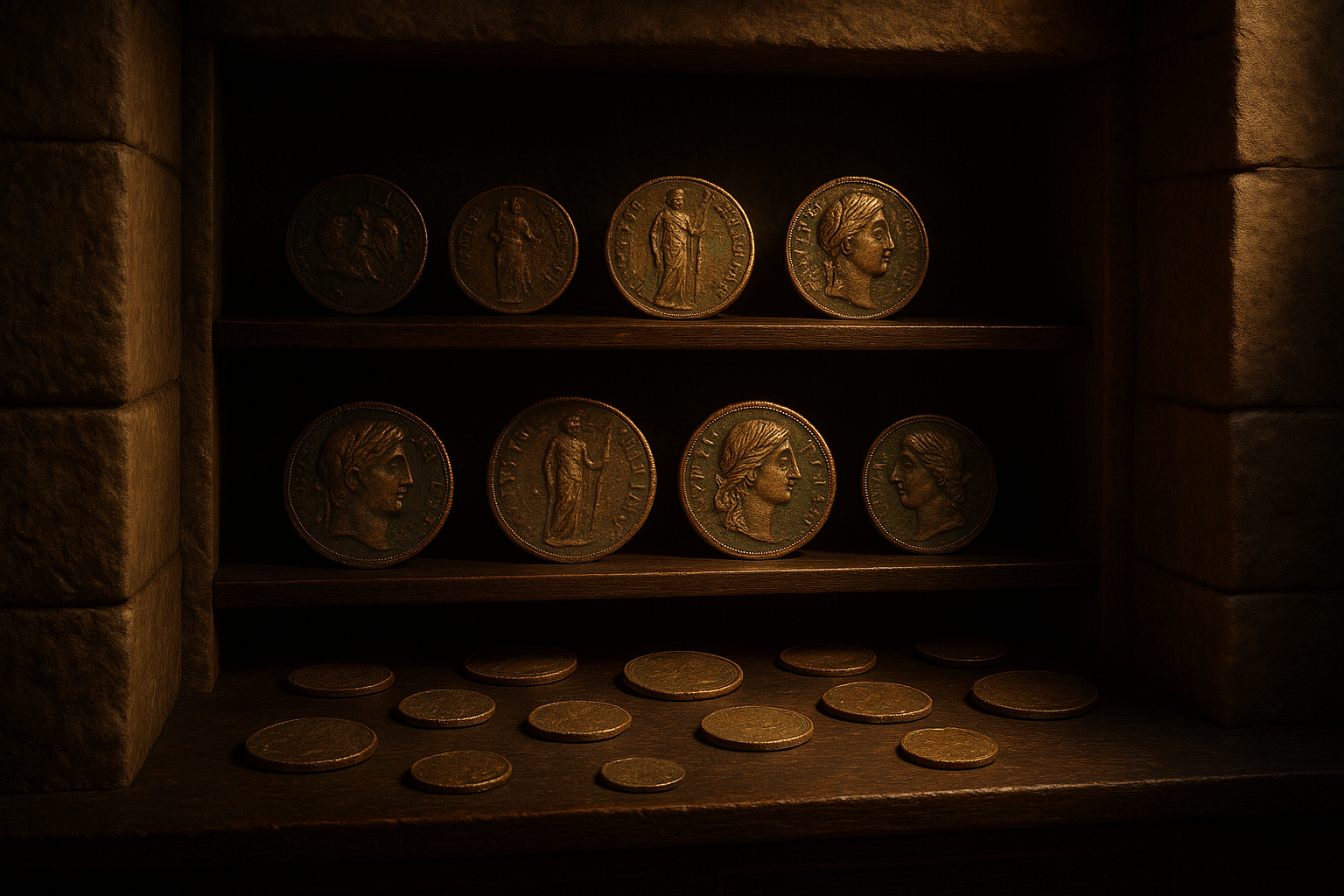
Image credit: HistoraCoin
Why ordinary people never saw them
Elite coins were protected by systems. Physical security. Legal restrictions. Cultural boundaries.
In many cases, handling such a coin without permission carried consequences. The object itself represented authority. To misuse it was to challenge power.
This separation reinforced social order. Money for the many. Symbols for the few.
The absence of elite coins in daily life was intentional. It preserved meaning.
How these coins survive today
Elite coins survive in unusual ways. They are found in sealed contexts. Hidden treasuries. Sacred deposits. Abandoned palaces.
Their condition often reflects limited handling. Their surfaces carry fewer marks of daily use.
Each discovery adds context. Where it was stored. Who might have controlled access. Why it was never retrieved.
These questions matter more than appearance. They explain intention.
Reality Check
Elite coins were never designed to impress future generations. They were designed to function within systems of power. Their survival is accidental. Their meaning is historical.
Final Verdict
Elite coins remind us that money is not always about exchange. Sometimes it is about control. Sometimes it is about symbolism. Sometimes it is about silence.
These coins were never meant for ordinary hands. They were meant to stay close to authority. And in doing so, they preserved stories no market ever could.
Explore more stories
If you enjoy calm, human storytelling about coin history, explore more articles on HistoraCoin. Each story focuses on meaning, not hype.
Recommended internal reads

We explore coin history through calm storytelling, focusing on human context and historical meaning rather than hype.