How Coins Taught People Who Was in Power Before Newspapers Existed
Estimated reading time: 15–17 minutes
Long before newspapers, radio, or social media, people still needed to know one essential thing: who was in charge. Power had to be visible. Authority had to be recognized. In a world where most people could not read official documents and news traveled slowly, coins quietly filled that role. Every transaction became a message. Every exchange carried information. Coins didn’t just move goods. They moved awareness.
For centuries, coins were one of the few objects nearly everyone touched. They passed through markets, villages, ports, and borders. Because of that reach, they became one of the most effective tools for communicating power. Without headlines or announcements, coins taught people who ruled, whose authority was recognized, and what symbols represented control.
Quick Takeaways
- Coins acted as public messengers before mass media existed
- Designs and symbols communicated authority and legitimacy
- Every transaction reinforced who was in power
- Coins reached people newspapers never could
- Currency was one of history’s most effective communication tools
Table of Contents
- Coins as Early Mass Communication
- Fact Card | Why Coins Reached Everyone
- Symbols and Authority in Metal
- Daily Transactions as Daily Lessons
- Comparison Card | Coins vs Other Messages
- How Trade Spread Political Awareness
- Timeline Insight | Before and After Media
- Quote Highlight
- Sources and Methodology
- Final Reflection
Coins as Early Mass Communication
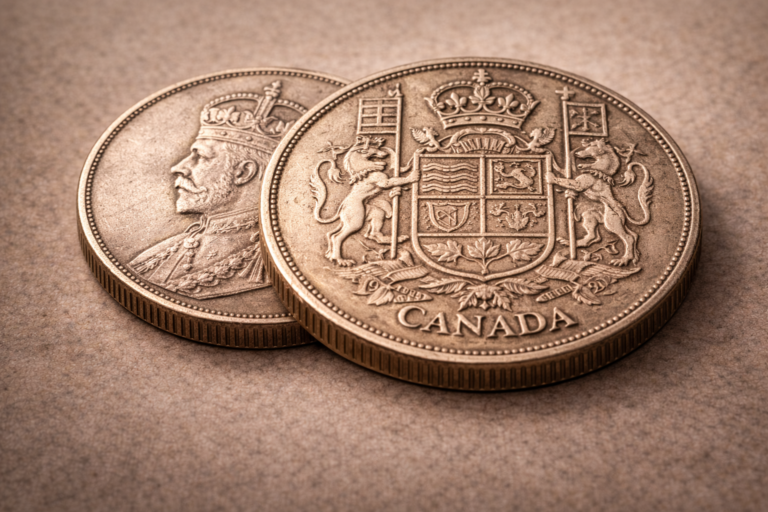
Coins functioned as a form of mass communication long before the idea existed. Unlike written decrees or announcements, coins didn’t require literacy. A portrait, a symbol, or an inscription could be understood visually. People didn’t need to read news to know authority had changed. They only needed to look at the money in their hands.
Because coins circulated constantly, they repeated the same message over and over. This repetition reinforced legitimacy. Even if someone never saw a ruler in person, they knew what that ruler’s authority looked like. Coins created familiarity, and familiarity builds trust.
Fact Card | Why Coins Reached Everyone
Coins were used by merchants, farmers, laborers, and travelers alike. Unlike official documents or public speeches, coins crossed social boundaries. They reached places where centralized communication could not.
Symbols and Authority in Metal
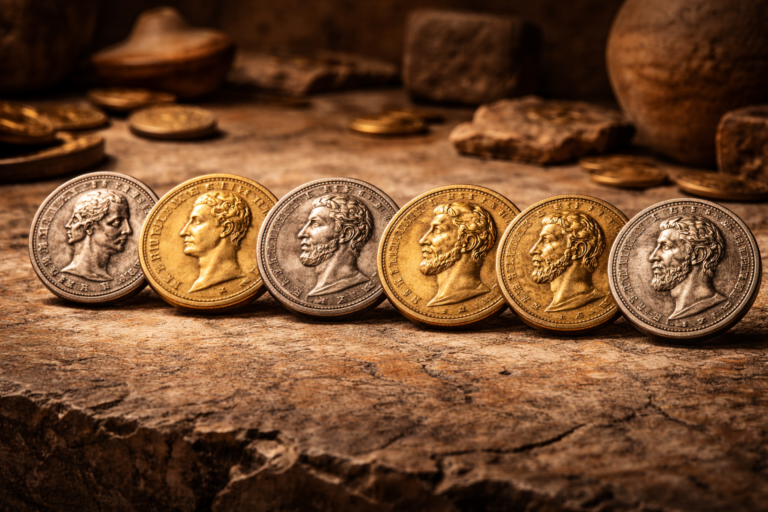
Every element on a coin was intentional. Portraits showed who ruled. Titles declared legitimacy. Symbols reinforced identity. In some cultures, text carried authority. In others, imagery did the work. Either way, coins spoke a visual language people quickly learned to recognize.
Seeing the same symbol repeatedly built acceptance. Over time, that symbol became normal. Authority stopped being questioned and started being assumed. Coins helped make power feel stable, even during times of change.
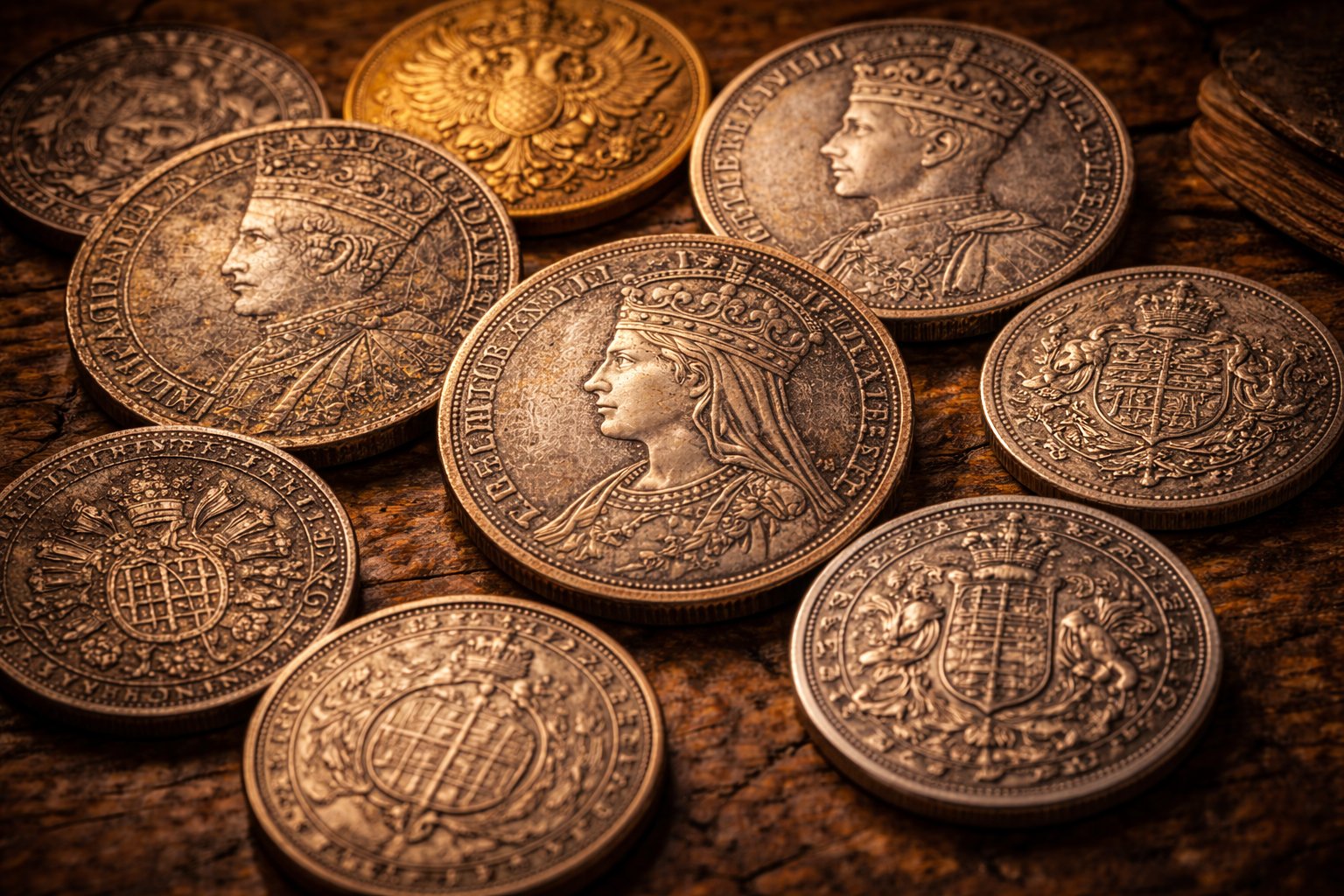
Caption: Coin designs visually communicated who ruled and held authority.
Image credit: HistoraCoin
Daily Transactions as Daily Lessons
Coins didn’t just teach people once. They taught them repeatedly. Every purchase reinforced the same message. Power wasn’t abstract. It was practical. You needed the ruler’s coin to participate in daily life.
This constant exposure made coins incredibly effective. While announcements faded, coins stayed. They were handled daily, trusted instinctively, and rarely questioned. In many ways, they were more persuasive than any speech.
Comparison Card | Coins vs Other Messages
Coins
- Used daily
- Did not require literacy
- Reached remote regions
- Repeated the same message constantly
Other Communication
- Limited audience
- Required presence or literacy
- Did not travel far
- Messages faded quickly
How Trade Spread Political Awareness
As coins moved along trade routes, they carried information with them. Merchants recognized new designs before hearing any official news. A new coin meant new authority. In this way, political change could spread silently, long before formal announcements arrived.
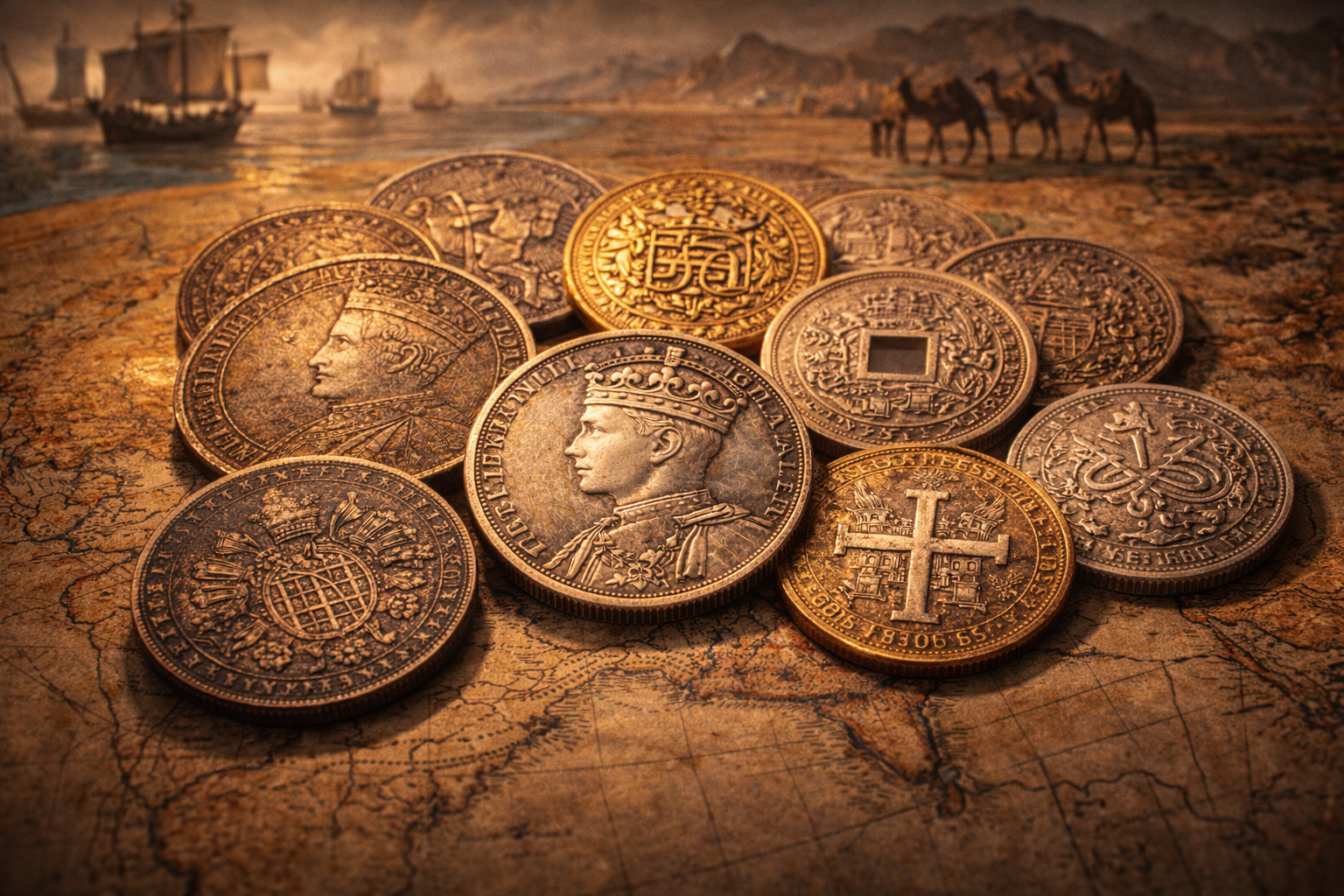
Caption: As coins traveled, knowledge of power traveled with them.
Image credit: HistoraCoin
Timeline Insight | Before and After Media
- Before mass media: Coins were one of the main public messages
- During early printing: Coins reinforced written authority
- Modern era: Coins became symbolic, not informational
Quote Highlight
Before headlines and broadcasts, coins quietly taught people who ruled simply by being everywhere.
Sources and Methodology
This article draws on historical mint records, museum archives, academic numismatic studies, and comparative analysis of circulation patterns across regions.
Final Reflection
Coins may seem small, but their impact on communication was enormous. Long before newspapers existed, coins served as trusted messengers of power. They taught people who ruled, reinforced authority, and spread awareness without words.
Understanding this role changes how we see old coins. They weren’t just money. They were one of history’s earliest and most effective information networks.
Explore more historical coin stories
HistoraCoin explores how coins shaped history, identity, and power through everyday use and design.

HistoraCoin Team
HistoraCoin publishes educational, AdSense-safe content that treats coins as historical records rather than speculation.