How Everyday Coins Quietly Shape National Identity
Estimated reading time: 20–24 minutes
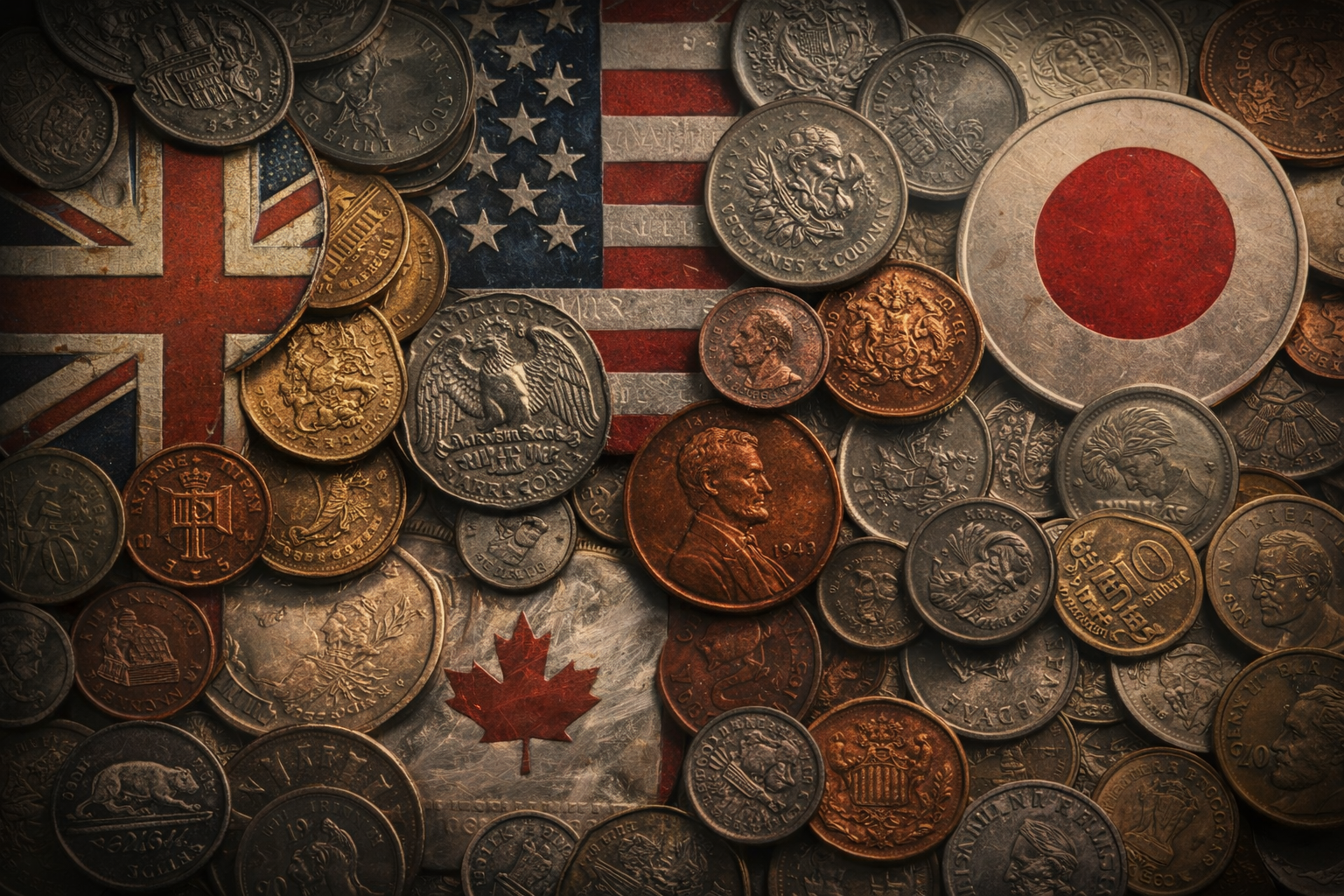
Most people never stop to examine the coins they use every day. They pass quietly from hand to hand, unnoticed. Yet these small objects play a powerful role in shaping how nations see themselves.
Without speeches, educational mandates, or curated ceremonies, everyday coins communicate identity, values, tradition, and belonging in a way that feels natural and familiar.
Quick Takeaways
- Coins transmit cultural identity through shared symbols
- Design choices can reinforce historical memory
- Repeated exposure builds collective belonging
- Coins reach far more people than other national symbols
- Everyday money silently influences identity across generations
What National Identity Really Means
National identity isn’t created only through textbooks, parades, or monuments. It’s built through experiences that feel ordinary and familiar. Money — especially coins — is one of the most consistent of these experiences.
Coins appear in markets, transit systems, cultural celebrations, and even everyday gestures of exchange. They become part of how people interact with their country without conscious reflection.
Why Coins Are Powerful Identity Tools
Coins travel widely, touch many hands, and carry consistent symbols. They are trusted objects that people interact with daily. This makes them ideal carriers of identity messaging without overt persuasion.
Unlike official documents or monuments, coins reach every social stratum and age group. They speak a visual language that does not require reading, making them accessible and inclusive.
Fact Card | Coins and Identity
Everyday coins function as widely distributed cultural objects, reinforcing shared identity through imagery and symbols across society.
Symbols That Define Belonging
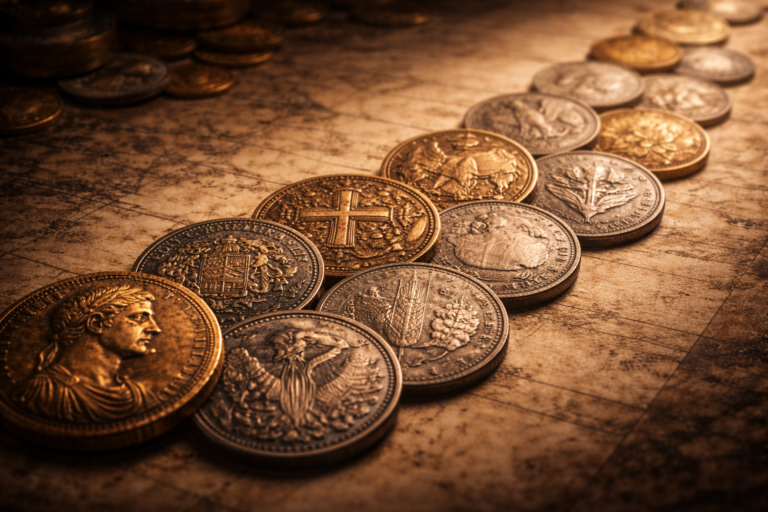
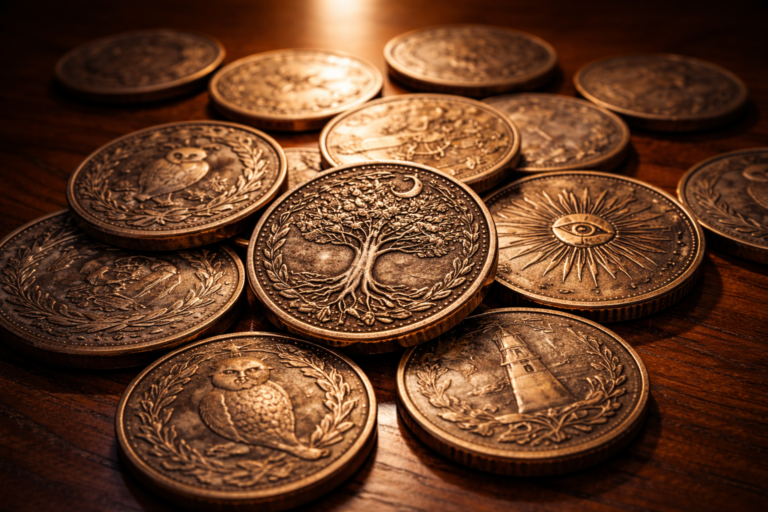
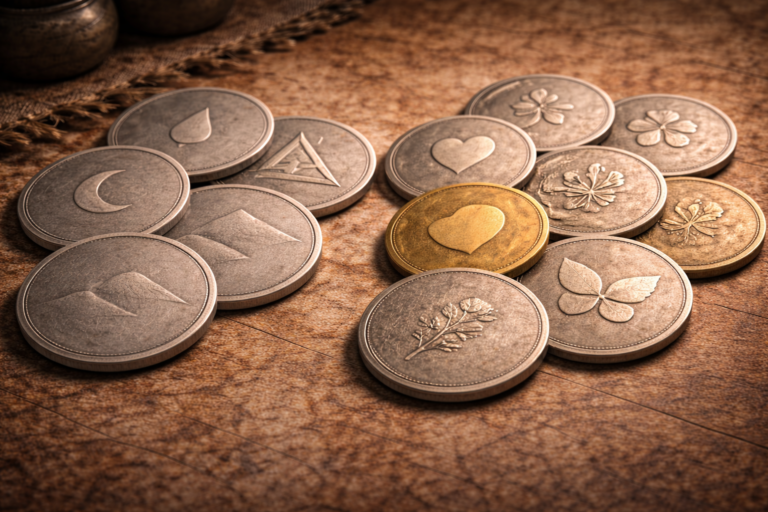
National symbols on coins are rarely chosen at random. They reflect shared memories, ideals, values, and aspirations. Landmarks, iconic animals, plants, and abstract elements all work together to communicate what is culturally important.
When people see these symbols regularly, they internalize them. The repeated visual exposure reinforces a sense of belonging and shared heritage.
Everyday Exposure and Collective Memory
Identity forms through repetition and familiarity. Coins present the same imagery day after day, year after year, helping embed shared narratives into collective consciousness.
Over generations, these recurring visuals become part of how individuals understand their place within a nation. They feel timeless and authoritative, even if designs evolve slowly.
Identity is often absorbed through everyday objects rather than explained in formal lessons.
Coins as Silent Cultural Messengers
Coins do not shout. They do not argue. They simply exist in everyday life, quietly reinforcing meaning. This subtlety is part of what makes them so effective at shaping national identity.
People rarely question messages that enter their consciousness through routine, unobtrusive experiences. Coins leverage that very psychological pattern.
Comparison | Coins vs Other National Symbols
- Coins reach everyone regardless of education level
- They operate without overt explanation
- Repeated daily use embeds symbols more deeply
- Other national symbols appear less frequently
How Coin Design Shapes Identity Over Time
The process of designing coins is often deliberate and symbolic. Governments, cultural institutions, and artists collaborate to choose imagery that represents their values.
These designs draw from history, folklore, landscapes, and influential figures. The final result is a visual narrative that people carry in their wallets, pockets, and belongings.
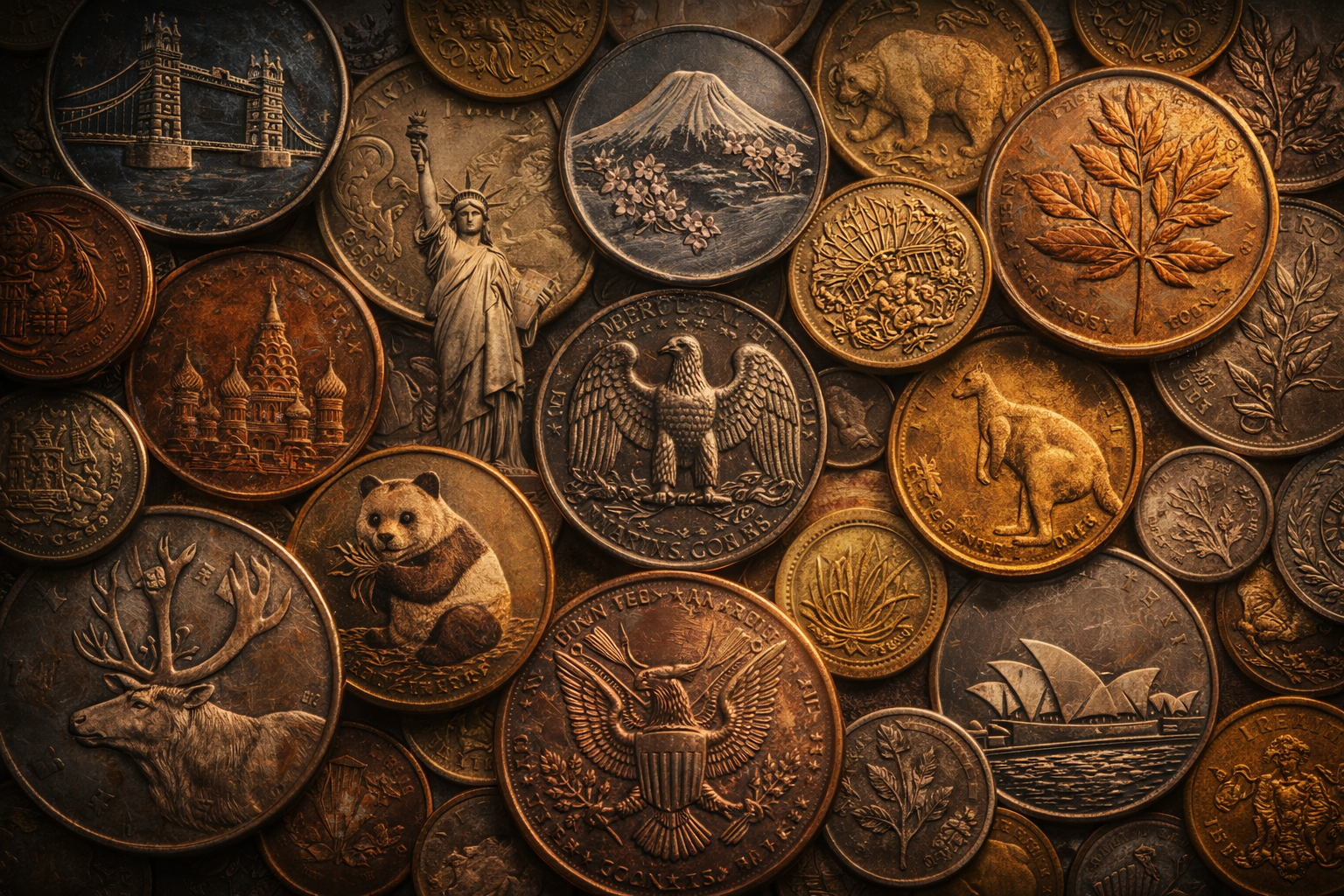
Caption: Coin symbols often embody shared cultural ideals and belonging.
Image credit: HistoraCoin
Timeline Insight | National Identity Over Time
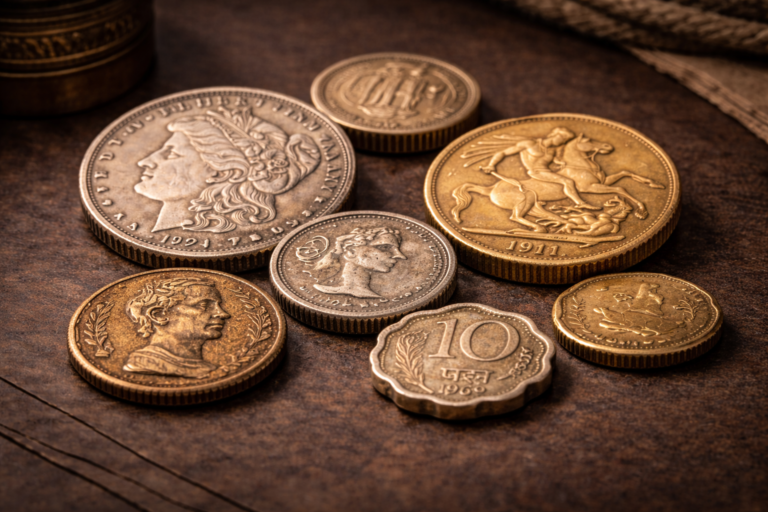
National identity is not static. It evolves slowly as societies change. Coin designs reflect this evolution in subtle ways. New symbols appear. Old ones fade. Some remain unchanged for generations.
These gradual shifts allow identity to adapt without disruption. People accept changes more easily when they occur on familiar objects like coins. This continuity helps maintain social stability.
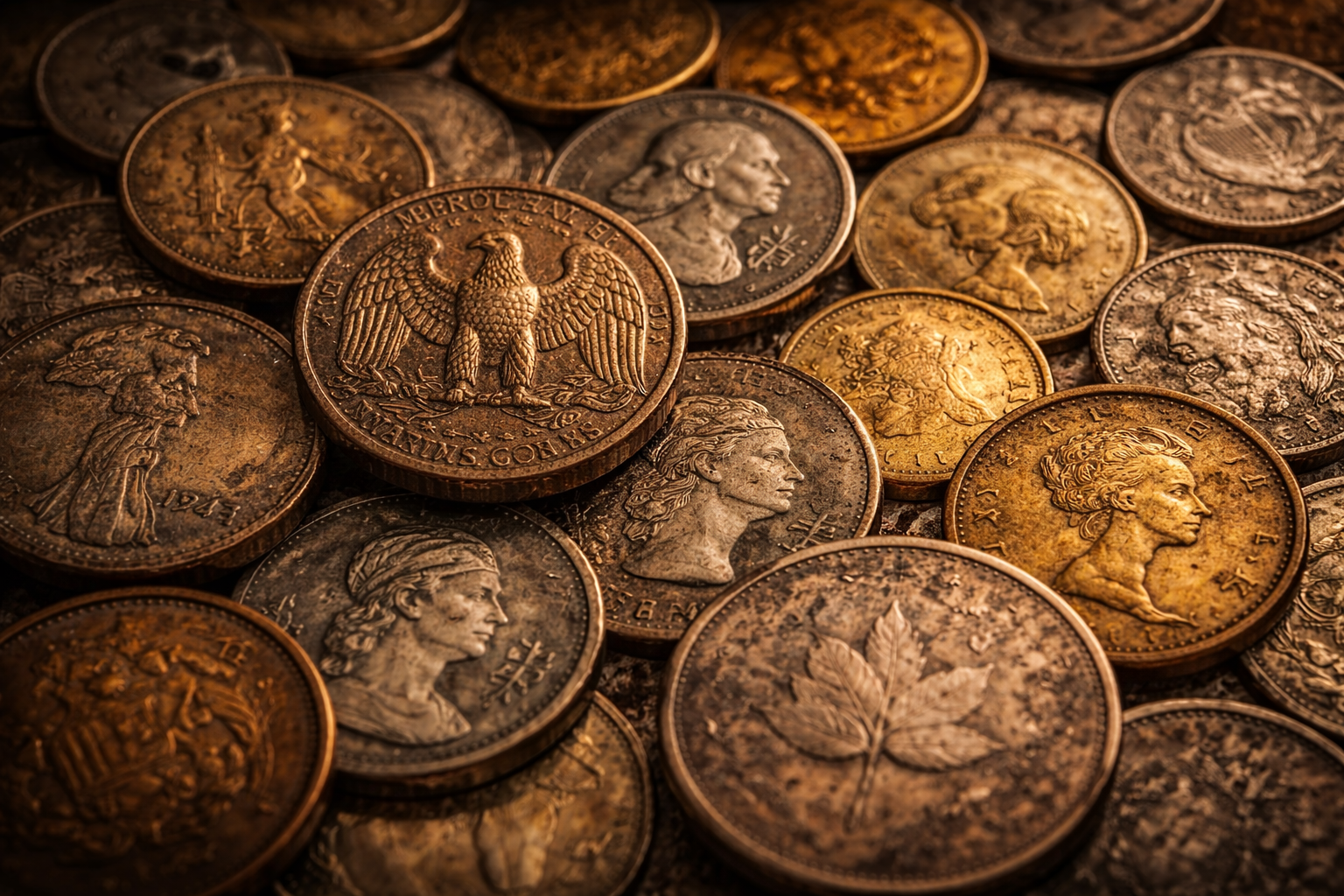
Caption: Coin designs evolve alongside national identity.
Image credit: HistoraCoin
How Coin Design Reflects Shared Values
Every element on a coin carries meaning. Designers carefully select imagery that represents resilience, unity, heritage, or progress. These choices mirror what a nation values at a particular moment in time.
As values shift, coins quietly record those changes. They become visual archives of national priorities.
Why Coins Feel More Personal Than Other Symbols
Coins are personal because they are used personally. They sit in pockets, purses, and hands. This intimate interaction creates a stronger emotional connection than distant monuments or official documents.
People form subconscious relationships with familiar designs. Over time, those designs feel like part of daily life rather than imposed symbols.
Methodology and Research Approach
This article follows a cultural and historical research approach rather than political or economic analysis. The focus is on symbolism, visual communication, and collective identity formation through everyday objects.
Observations are drawn from comparative studies of coinage, cultural history, and material symbolism. No modern valuation, political advocacy, or speculative interpretation is included.
By examining coins as cultural artifacts, this research explains how identity is reinforced quietly through repeated exposure.
People Also Ask
How do coins shape national identity?
Coins reinforce identity through repeated exposure to shared symbols and imagery.
Why are coin symbols important?
Symbols communicate values, history, and belonging without requiring explanation.
Do modern coins still influence identity?
Yes. Even contemporary designs reflect cultural priorities and shared narratives.
Final Reflection
Everyday coins shape national identity not through force or instruction, but through familiarity. They quietly embed values into daily life.
By understanding the role coins play in identity formation, we gain insight into how nations communicate who they are — one small object at a time.
Explore More Stories About Coins and Identity
Share This Article