How Many 1943 Copper Pennies Exist – The Real Number and the Hidden Stories
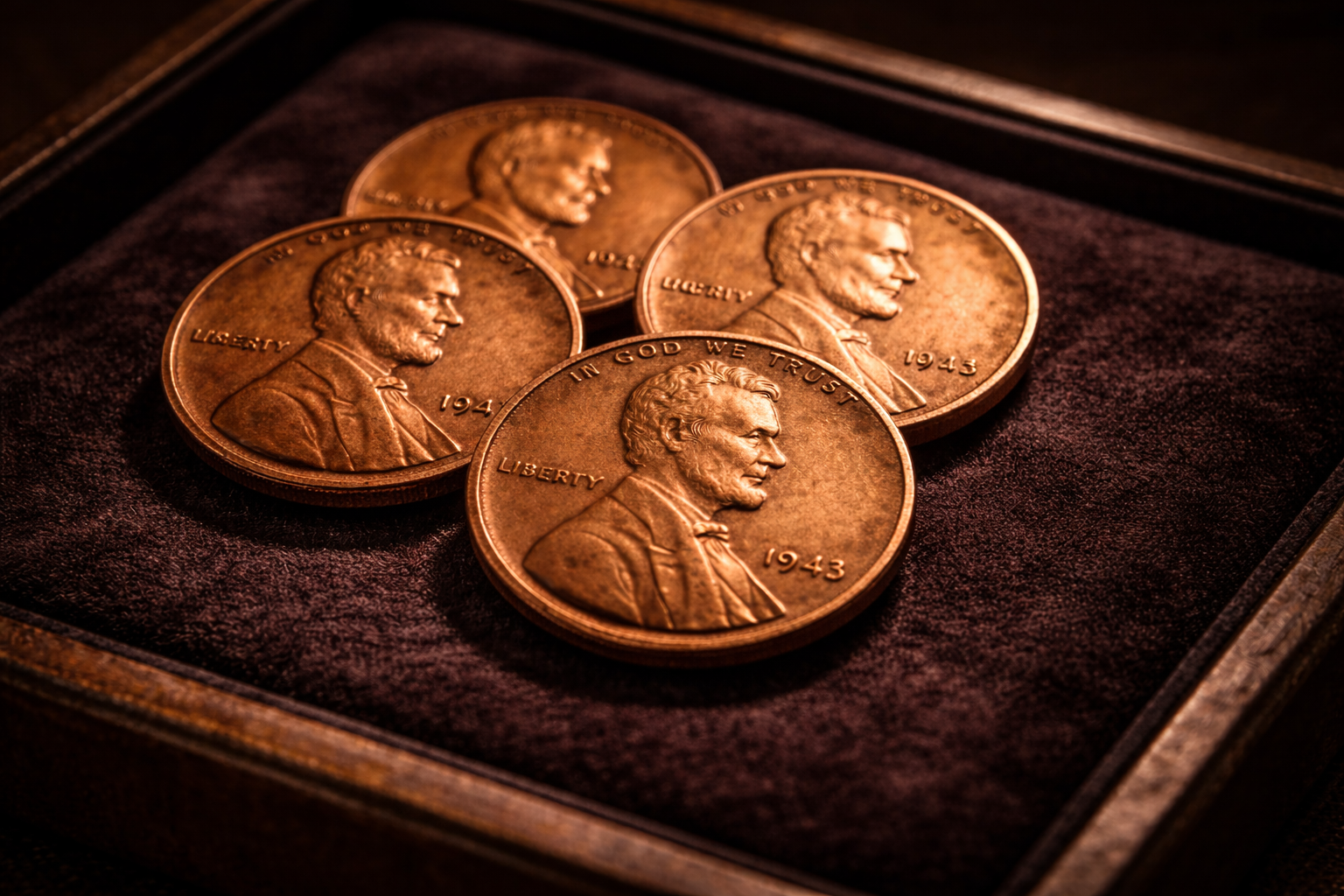
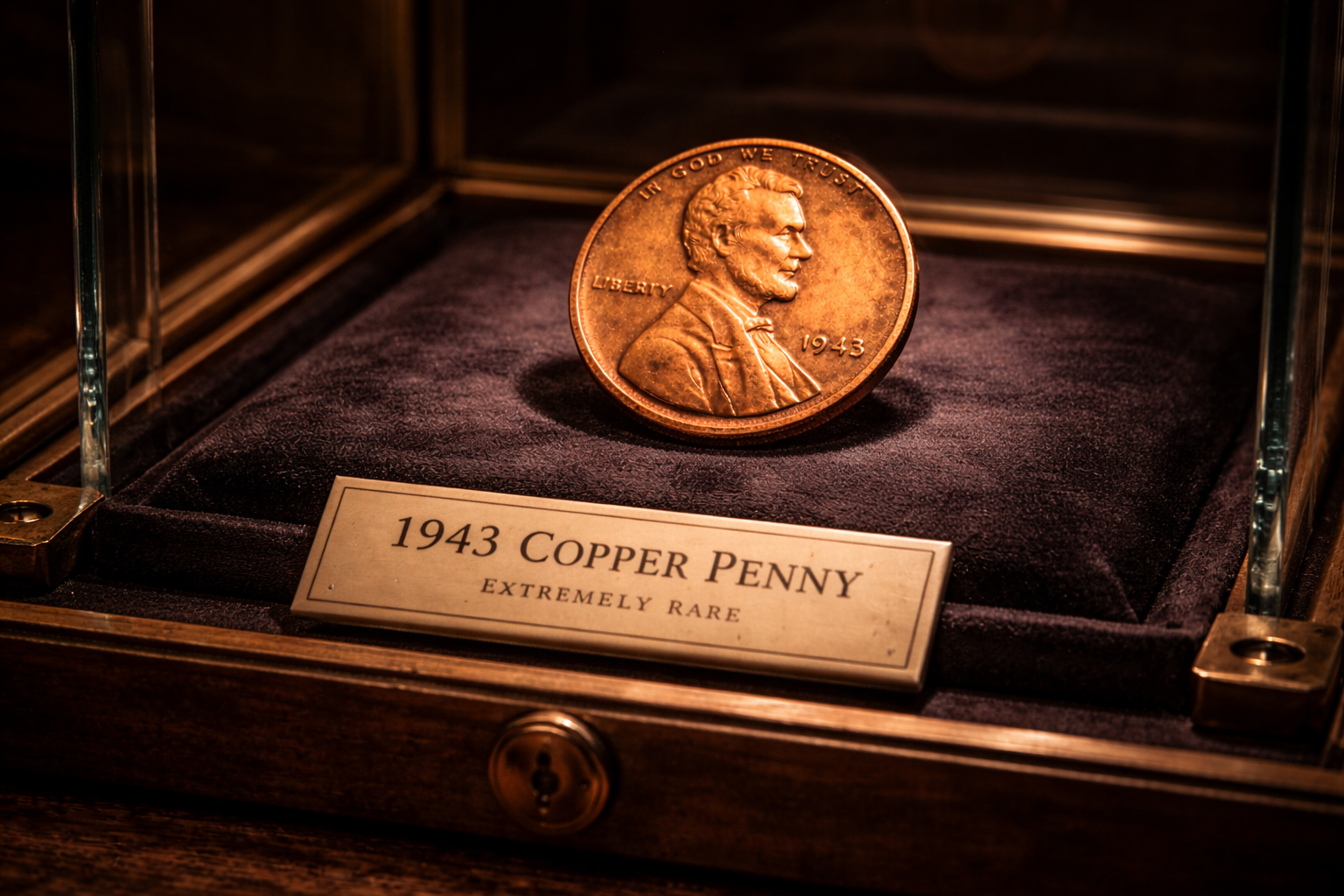
People ask this question because it feels impossible. In a year when copper cents were not supposed to be made, a few were struck anyway. If you have not read the full origin story yet, start with the mystery of the 1943 copper penny . This follow-up article focuses on the part everyone wants to understand next. How many exist, how we can speak about the “real number” honestly, and what the known survivors tell us.
Here is the most accurate approach. There is no single official list published by the US Mint. Instead, the known population is built from confirmed examples that have been authenticated, documented, and tracked over time. That means the number is best described as a range, supported by careful evidence rather than rumors.
Table of contents.
- Why there is no official single number.
- The best supported range and what it means.
- What we can say by mint.
- How a coin becomes part of the “known” population.
- The hidden stories behind the survivors.
- Mid-article table. What increases confidence in a claimed example.
- Why so many false examples exist.
- If you think you found one, what to do next.
- Related HistoraCoin stories.
- FAQ.
Why there is no official single number.
It is natural to assume that the US Mint must have a number written down somewhere. But this kind of wartime error was not planned production. No mint intended to strike copper planchets in nineteen forty-three for regular circulation. When an accident happens at the planchet level, it does not create an official mintage report.
The only “number” that exists today is a living population count built from confirmed specimens. That population count changes when a new coin is authenticated, or when a previously claimed coin is proven to be altered. In other words, the number is evidence-based, not paperwork-based.
The best supported range and what it means.
When experts talk about the 1943 copper cent population, they typically describe it as a small range. This avoids two common mistakes. First, repeating rumors as facts. Second, pretending the number is fixed when it is actually built from confirmed evidence.
The most careful way to say it is this. Only a few dozen genuine examples are known, with the majority attributed to Philadelphia and only a tiny number attributed to Denver and San Francisco. The range matters because every confirmed piece must pass strict verification. In a world filled with altered coins, “known” means certified, documented, and consistent with genuine characteristics.
What we can say by mint.
The cent was produced at three mints in nineteen forty-three. Philadelphia has no mintmark. Denver uses a D mintmark. San Francisco uses an S mintmark. The rare copper planchets could theoretically have remained in any mint’s production environment during the transition. But the confirmed survival pattern is uneven.
Philadelphia examples appear most often in confirmed records because the overall production volume was massive and the material transition was handled at scale. Denver and San Francisco examples are considered exceptionally rare, and that rarity is part of why claims must be treated carefully. Even one genuine mintmarked example changes the conversation.
How a coin becomes part of the “known” population.
A coin is not “known” simply because someone posts a photo. The 1943 copper cent is one of the most frequently counterfeited coins in American collecting. So the bar for inclusion is high. A genuine example must match multiple layers of evidence.
First, the coin must be the correct metal and correct weight range for a bronze cent. Second, it must show genuine die characteristics and natural surface behavior, not plating or artificial recoloring. Third, it must pass expert evaluation and, ideally, third-party certification. Certification is not a luxury here. It is the difference between a story and a documented specimen.
The hidden stories behind the survivors.
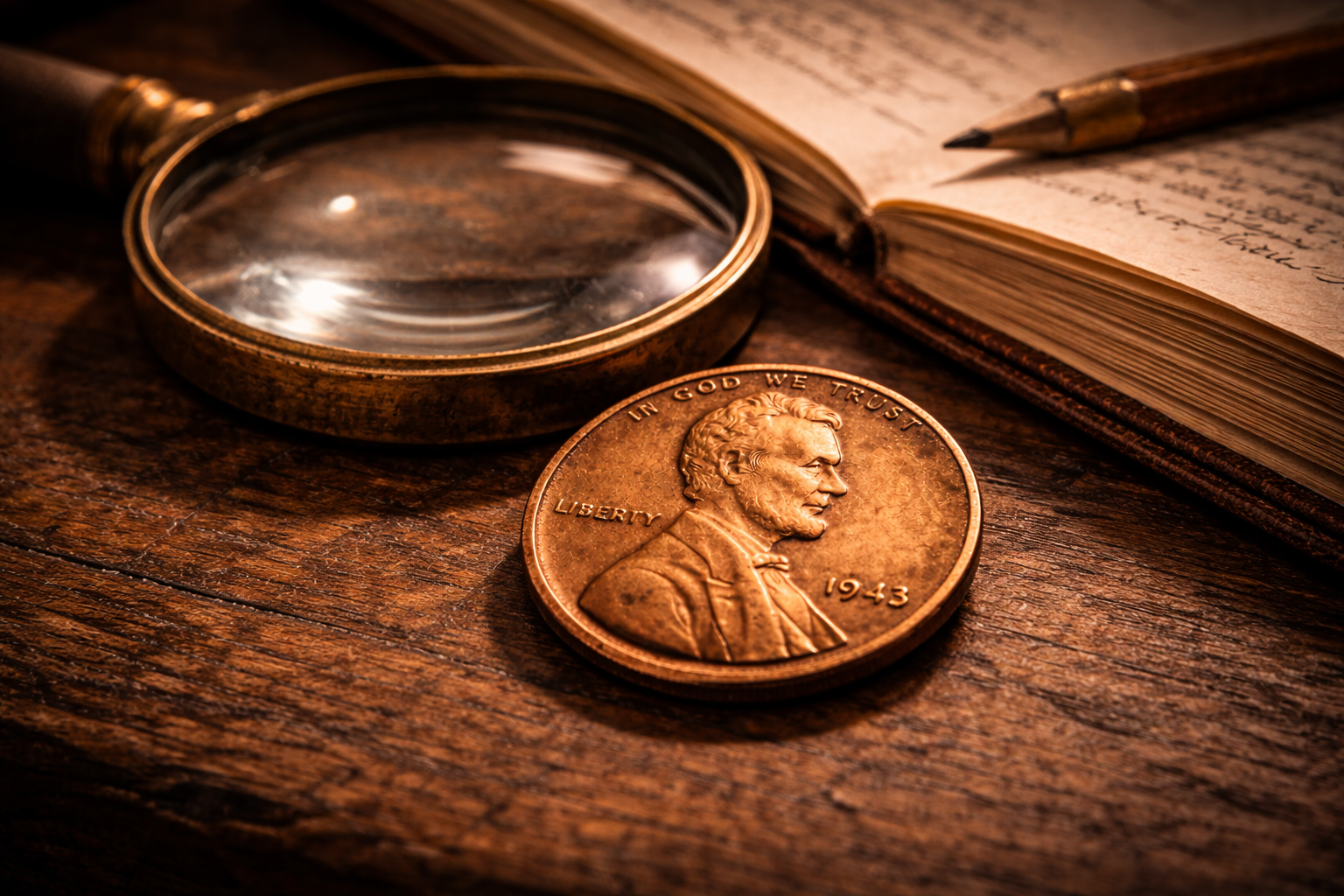
The survivors that are confirmed today share a quiet theme. They were not born as “treasures.” They were born as normal cents that happened to be struck on the wrong metal. Many were likely spent without anyone noticing at the time. The first owners probably did not imagine that the coin would become legendary.
Over decades, those survivors began to collect stories. Not just about where they traveled, but about how they were recognized. One might be noticed because it does not stick to a magnet. Another might be spotted because it looks like a normal penny mixed among steel cents in an old jar. A third might be confirmed because it has the exact characteristics experts expect, with no signs of plating or tampering.
This is why the coin is so captivating. It is not only about rarity. It is about the idea that a small accident can slip through a massive system, survive in ordinary life, and then be rediscovered later as a piece of history.
Mid-article table. What increases confidence in a claimed example.
| Evidence type. | What it checks. | Why it matters. |
|---|---|---|
| Magnet test. | Whether the coin is steel-based. | Steel cents are magnetic. Genuine copper is not. |
| Weight range. | Bronze vs steel weight behavior. | Plated steel often keeps steel-like weight patterns. |
| Surface study. | Plating, artificial color, tool marks. | Altered coins frequently reveal unnatural surfaces. |
| Die characteristics. | Consistency with real 1943 die styles. | Altered dates can show wrong shapes or tampering. |
| Third-party certification. | Professional authentication record. | Turns a claim into a documented specimen. |
Mobile note. This table scrolls horizontally on phones to keep the layout readable.
Why so many false examples exist.
The more famous a coin becomes, the more it attracts imitations. With the 1943 copper cent, the main sources of confusion are predictable. Some steel cents are copper-plated to look like bronze. Some cents from other years are altered so the date looks like nineteen forty-three. And some coins are simply misidentified because lighting makes a steel cent appear darker.
That is why population counts depend on verified examples. A rumor can multiply fast. A photograph can mislead. Only careful, layered testing can separate the real survivors from the noise.
If you think you found one, what to do next.
Start with the simplest steps. Use a magnet. Check for signs of plating. Compare the color and surface to a known steel cent under neutral lighting. If it still looks promising, do not clean it. Avoid harsh handling. The next step is professional evaluation.
The goal is not to prove something on social media. The goal is to document a piece of history correctly. If a coin is genuine, it deserves careful handling and proper authentication. If it is not, you still learn something valuable about how numismatic myths spread.
The most accurate answer to the original question.
The “real number” is the number of verified survivors, not the number of stories. That is why experts speak in a small, evidence-based range and update it only when a new example is confirmed.
Related HistoraCoin stories.
Continue exploring American coin history.
Two more HistoraCoin stories will appear here automatically in your “Related HistoraCoin stories” card, following your fixed publishing workflow.
FAQ.
How many 1943 copper pennies exist.
Most careful sources describe the population as only a few dozen confirmed examples across all mints, with Philadelphia appearing most often in verified records and mintmarked examples being far rarer.
Why is there no official US Mint number.
Because the copper cents were not planned production. They were accidental strikes on leftover bronze planchets, so no official mintage report was created for them.
Are copper-colored 1943 pennies usually real.
Usually not. Many are plated steel cents or altered dates. Genuine examples require professional verification and strong documentation.
What is the fastest first check.
A magnet test. A standard 1943 steel cent is magnetic. A genuine copper example is not.
Is this article safe for AdSense.
Yes. It is educational and historical, focused on documentation and authenticity, with no selling, pricing, or financial advice.