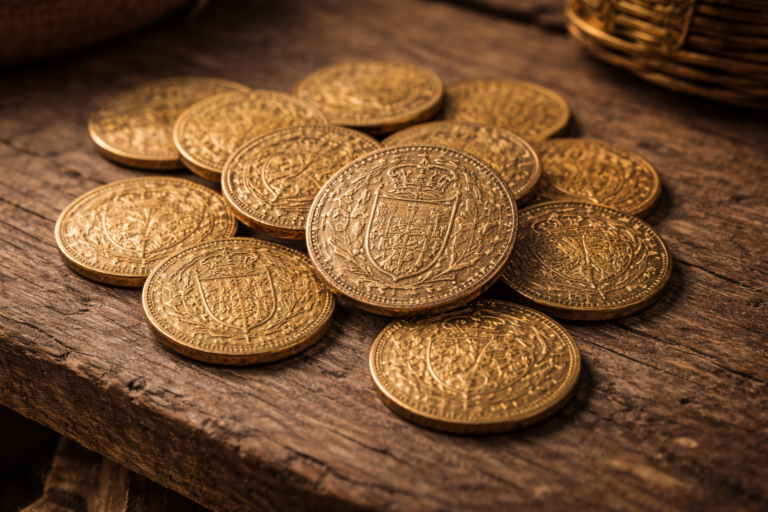
How Money Worked in the Middle Ages
Estimated reading time: 11–13 minutes
Money in the Middle Ages did not behave the way modern money does. It was not everywhere. It was not always trusted. And it was not the center of every transaction.
For many people, money was something you encountered occasionally rather than daily. Daily life relied more on relationships, obligations, and local trust than on coins changing hands.
To understand how medieval money worked, you have to step away from modern assumptions. There were no banks as we know them. No universal currency. No stable system that worked the same way everywhere.
Instead, there was a patchwork of coins, agreements, favors, and promises. And most of it functioned surprisingly well.
Table of Contents
Daily Life Before Modern Money
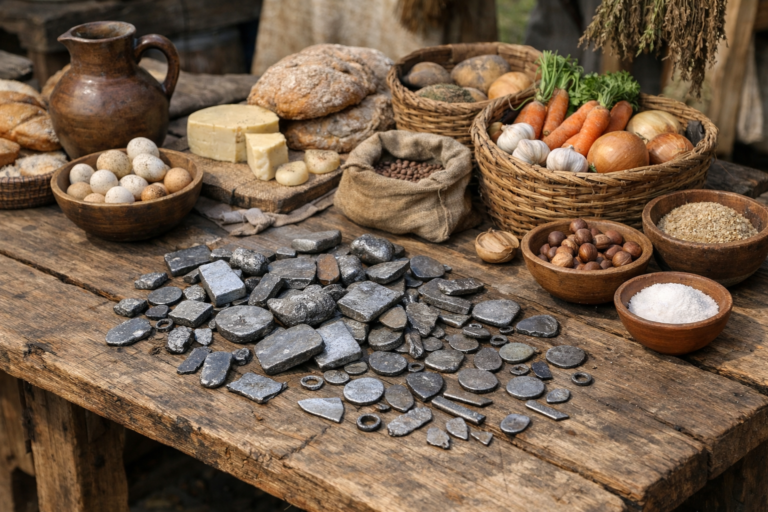
Most medieval people did not handle coins every day. Farmers paid rents in goods. Laborers were paid in food or shelter. Taxes were often collected in produce rather than currency.
Money existed, but it was not the backbone of daily survival. Community ties and obligations mattered more.
This made medieval economies feel slower but also more personal. Transactions were built on familiarity. You traded with people you knew.
How Trade Actually Worked
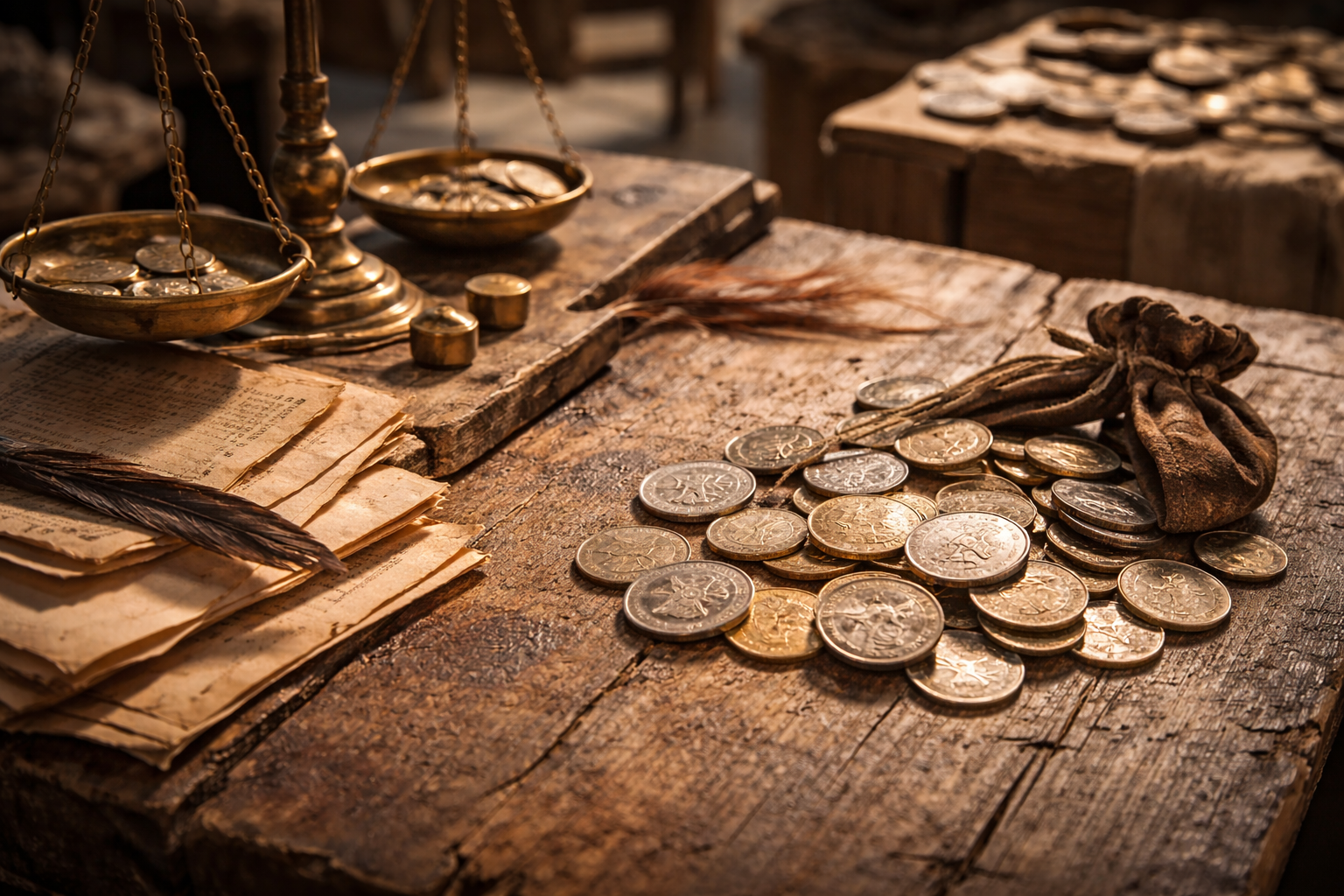
Trade depended on location. In villages, barter dominated. In towns and ports, coins appeared more often.
Markets functioned on trust and reputation. A merchant who cheated once could be excluded permanently.
Long distance trade relied on agreements and delayed payment. Coins were useful but not always present.
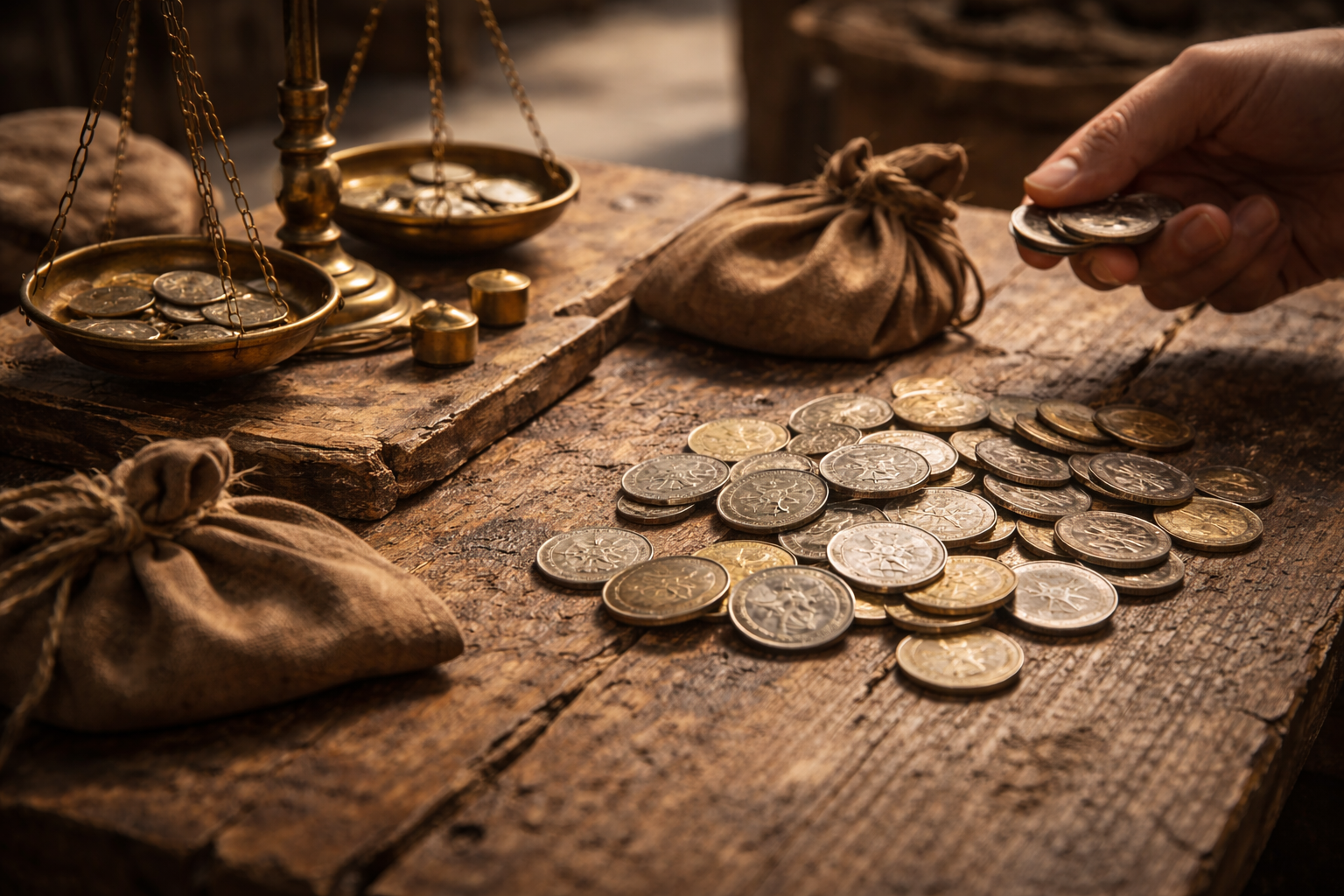
This practical logic shaped medieval economies. It also explains why money behaved so differently from place to place.
The same logic can still be seen when studying later shifts in monetary systems, including the transformation discussed in this deeper look at medieval money substitutes .
Coins and Their Limits
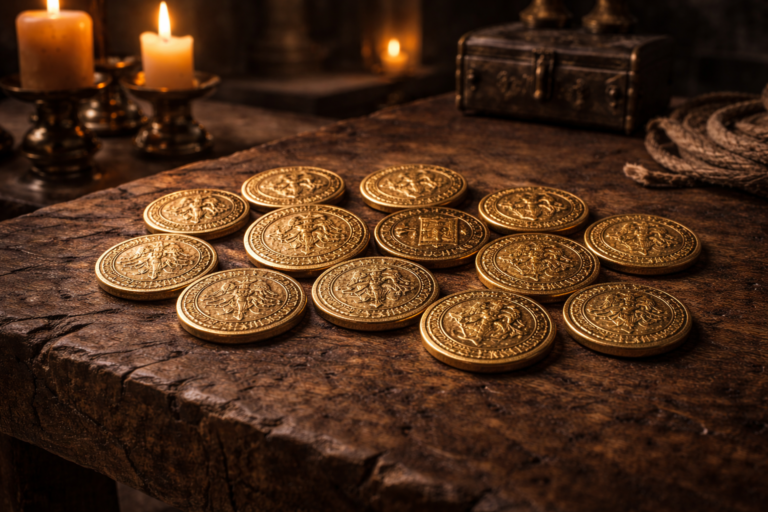
Coins were often scarce. They were made of precious metals and controlled by local rulers.
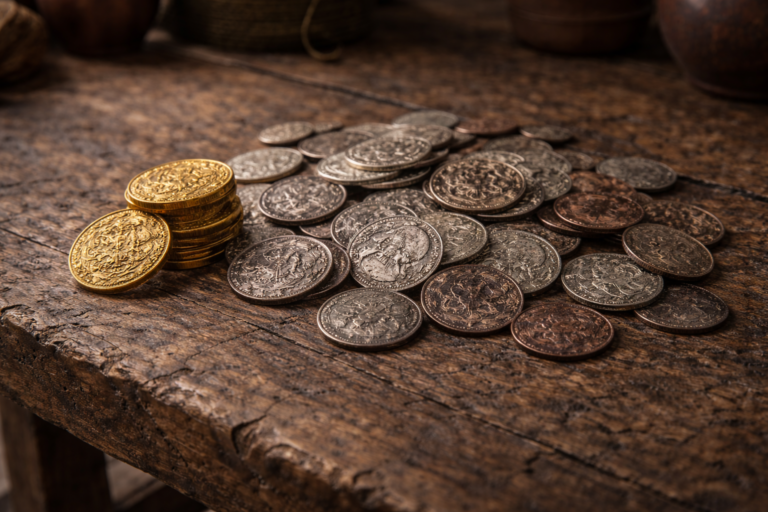
Their value depended on weight and metal content rather than face value. Worn coins caused disputes. Clipped coins caused distrust.
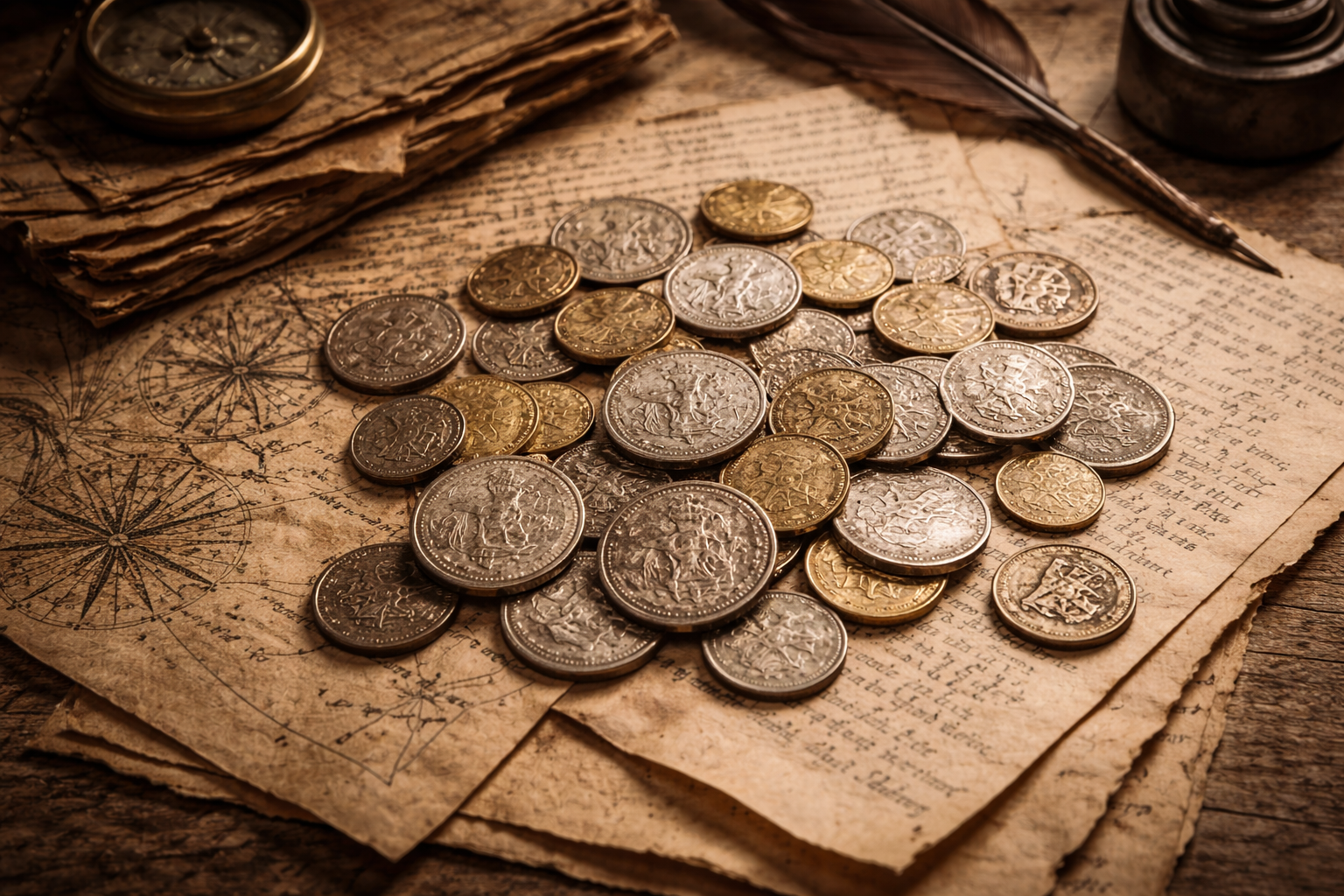
Coins moved slowly. Many people rarely saw them.
Barter Credit and Trust
Credit existed long before banks. People remembered who owed what.
Villages kept informal mental ledgers. Trust replaced paperwork.
Barter systems worked because relationships were stable. Breaking trust had real consequences.
In medieval life trust often mattered more than coins.
Who Controlled Money
Kings and local lords controlled minting. Political instability affected currency.
Debasement was common. Confidence rose and fell quickly.
Why Money Felt Unstable
Different regions used different coins. Values shifted often.
People adapted by relying less on money. Stability came from community not currency.
Medieval money worked because people adapted around its limits.
Final Reflection
Money in the Middle Ages was imperfect. But it was enough.
It worked because people understood its weaknesses. They built systems around trust instead.
That balance is what made medieval economies function long before modern money existed.
Frequently Asked Questions
Did medieval people use coins every day?
No. Most daily transactions relied on barter credit and obligations rather than coins.
Why were medieval coins unreliable?
Coins varied in metal content weight and condition which made trust difficult.
How did people trade without money?
Trade relied on reputation delayed payment and long standing relationships.
Who controlled medieval currency?
Local rulers and kings controlled minting and value.