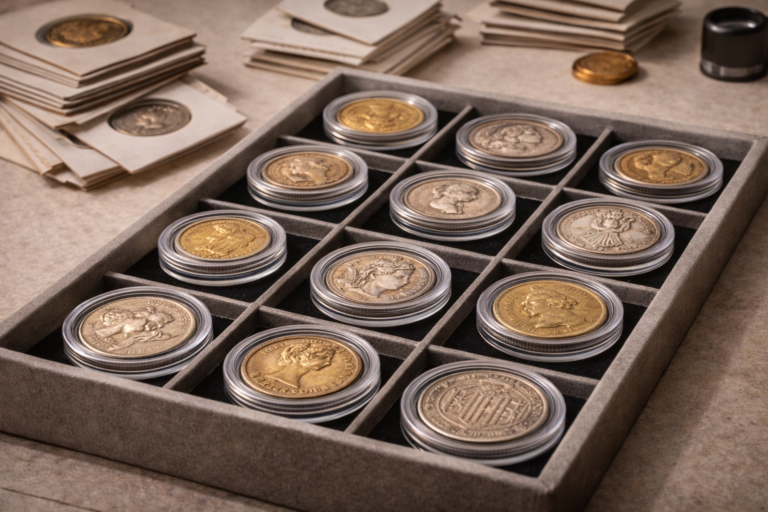
How to Spot Fake Gold and Silver Coins Easily
Simple ways to check your coins at home—explained like a friend, not a lab manual.
Counterfeit coins have improved over the years, but most fakes still fail under simple checks. You don’t need a lab—you need a calm approach, a few basic tools, and some practice. In this guide, I’ll walk you through quick tests, visual cues, and when to call in the pros. For detailed comparisons, check the guides on historacoin.com.
Quick At-Home Tests
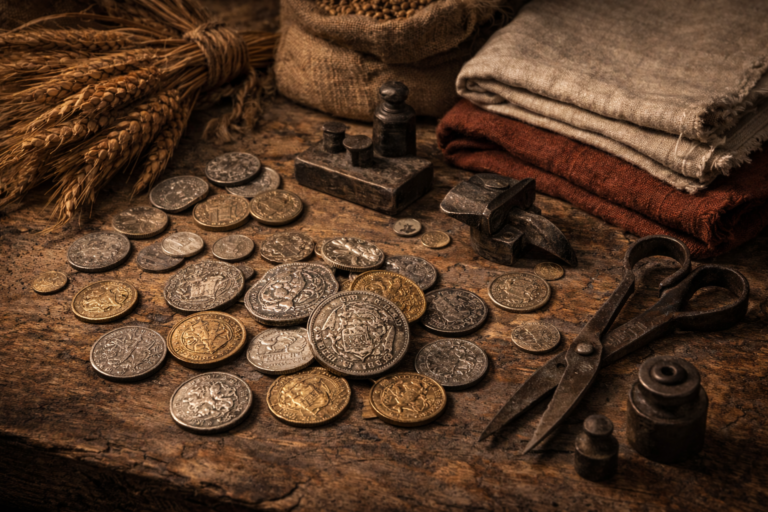
A digital scale and calipers reveal mistakes. Compare your coin’s specs with official references.
Gold and silver aren’t magnetic. If a strong magnet sticks, it’s almost surely fake.
Uneven edges, sloppy reeds, or missing lettering signal poor counterfeits.
Tap gently and listen. Real silver and gold ring with a clean tone. Base metals sound dull.
Visual Red Flags
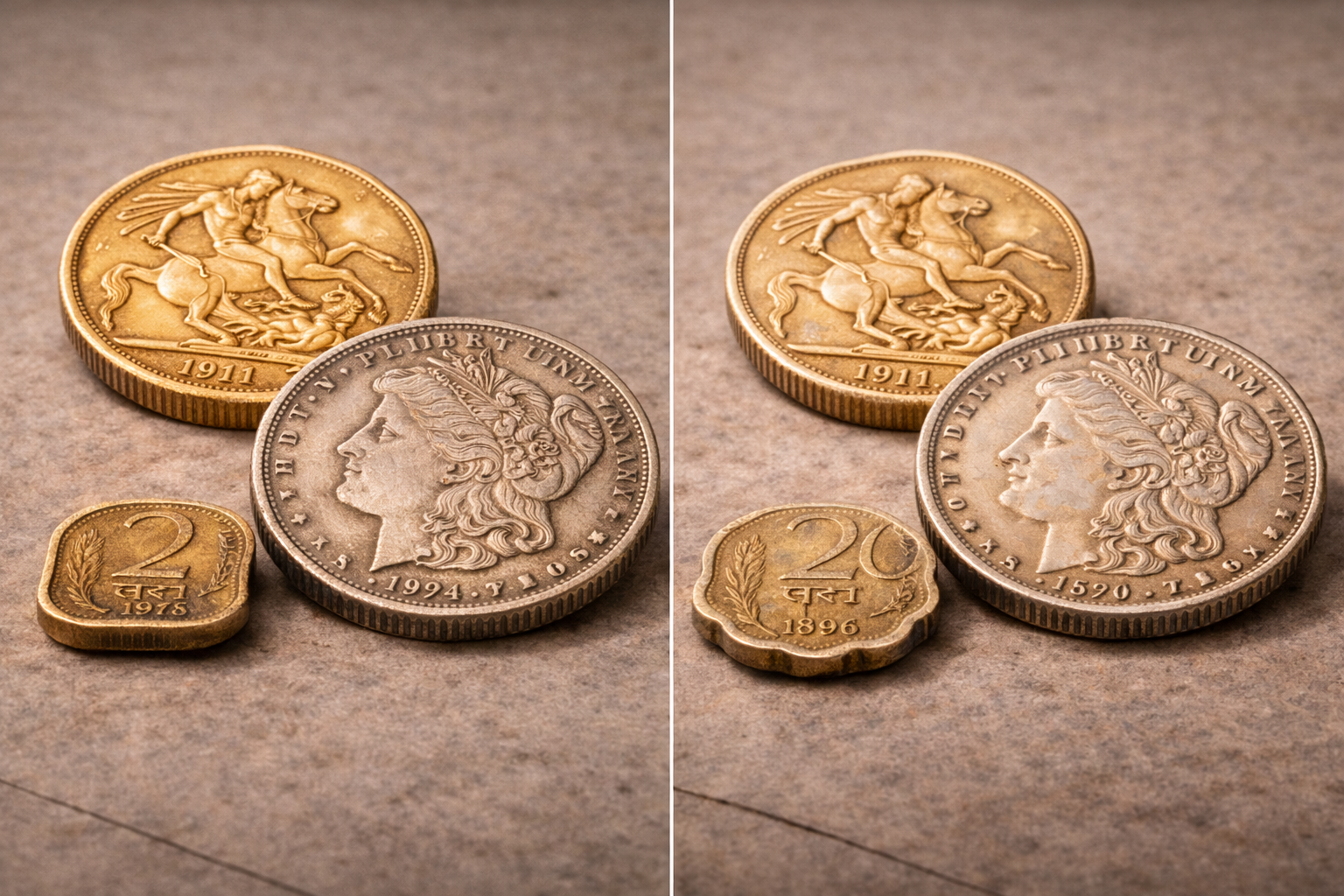
- Fonts & Spacing: Odd letter shapes or uneven gaps mean trouble.
- Surface Texture: Grainy or bubbly fields often show casting instead of striking.
- Color & Shine: Silver-plated fakes look too bright or too dull compared to genuine coins.
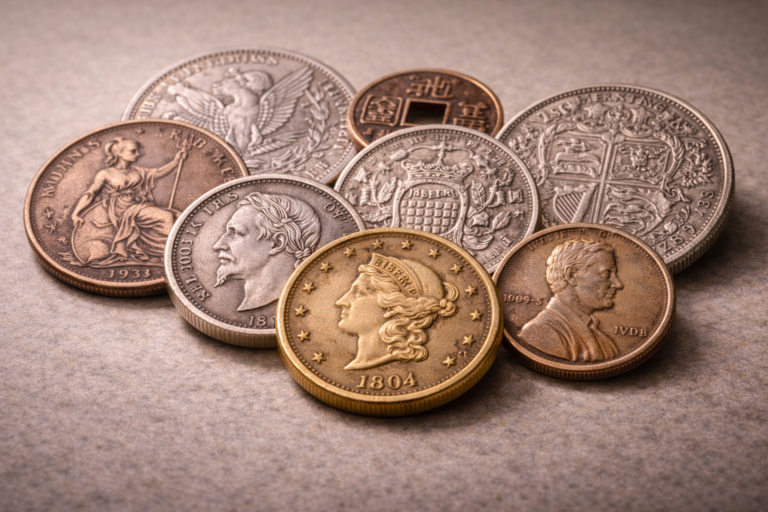
- Design Details: Compare hair strands, feathers, and tiny symbols with verified photos on historacoin.com.
Advanced Testing (For Expensive Coins)
- Specific Gravity: A water displacement test checks density without damaging the coin.
- XRF Analyzer: Jewelers or dealers can scan the metal content safely.
- Third-Party Grading: For coins worth hundreds or thousands, certification (PCGS/NGC) adds trust and market value.
Buying Safer from Day One
Spotting fakes is useful, but prevention is better. Buy from trusted dealers, avoid deals that look “too good,” and always keep receipts and photos. If something feels off, walk away. Remember: scammers rely on rushed buyers.
FAQ: Spotting Fake Coins
How can I quickly tell if my coin is fake?
Start with weight and magnet tests. Most counterfeits fail here immediately.
Are fake silver coins magnetic?
Yes, many are. Real silver is not magnetic, so a magnet grab means it’s likely fake.
Can I clean a coin to check if it’s fake?
No. Cleaning damages real coins and lowers value. Use non-invasive tests instead.
What’s the safest way to confirm authenticity?
Professional grading from PCGS or NGC gives near-certain confirmation and adds market trust.
Final Thoughts
Fakes can be tricky, but knowledge and patience win. Practice simple tests, trust your instincts, and don’t rush into suspicious deals. For side-by-side images, guides, and collector stories, check historacoin.com.