Old U.S. Coins Made of Silver – A Complete Guide to American Silver Coinage
Estimated reading time: 20 minutes
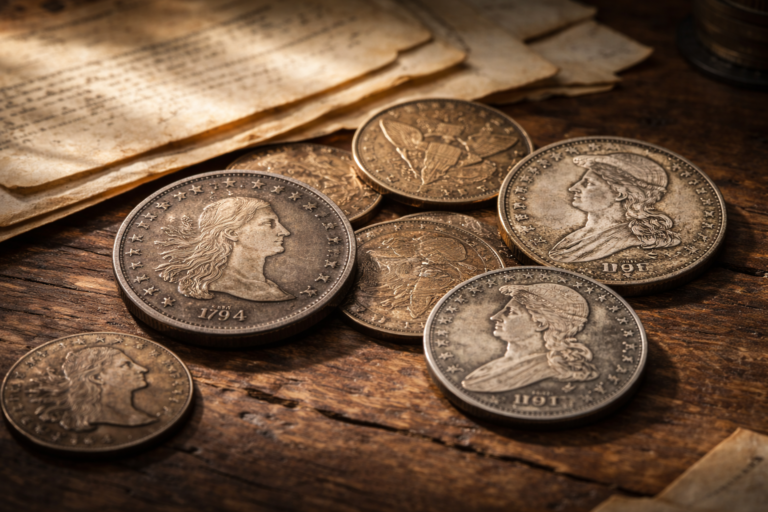
For more than a century, silver played a central role in American money. Long before modern coins made from copper and nickel became the norm, many everyday coins in the United States were actually made from real silver. These coins passed through the hands of millions of people every day, used to buy food, pay wages, and complete ordinary transactions across towns and cities.
Today collectors often look back at these coins with fascination. Old U.S. silver coins are not just pieces of metal. They are historical artifacts that reveal how the American monetary system evolved. Understanding which coins contained silver, why silver was used, and why it eventually disappeared from circulation helps us understand an important chapter of American economic history.
- Early Silver in American Coinage
- Why Silver Was Used in U.S. Coins
- Major U.S. Coins Made of Silver
- Standard Silver Content in U.S. Coins
- Silver Coins in Everyday American Life
- How the U.S. Mint Produced Silver Coins
- The Coinage Act of 1965
- Why Silver Disappeared from Circulating Coins
- Why Collectors Still Study Silver Coins
- Silver Coins in the Larger Story of American Money
- Related HistoraCoin Stories
- FAQ
Early Silver in American Coinage
Silver has been associated with money for thousands of years. Long before the United States existed, civilizations around the world used silver to create coins. The metal was valued because it was durable, rare enough to hold value, and relatively easy to shape into precise pieces of currency.
When the United States established its own coinage system in the late eighteenth century, silver naturally became one of the primary metals used for coins. The Coinage Act of seventeen ninety two created the foundation of American coinage and defined the standards for several silver denominations.
From the beginning, American coins were designed to represent both economic value and national identity. Silver coins carried symbols such as Liberty, eagles, and later famous national figures. These designs helped reinforce the idea that U.S. coinage was backed by the authority and stability of the young nation.
Why Silver Was Used in U.S. Coins
There were several practical reasons why silver was chosen for early American coins. First, silver already had an established reputation as a valuable metal used in currency across Europe and the Americas. Using silver allowed the new United States to participate in global trade with a familiar monetary standard.
Second, silver was durable enough to withstand constant circulation. Coins passed through many hands every day, and a soft metal would quickly wear down. Silver provided a balance between strength and workability, allowing the Mint to strike detailed designs while maintaining durability.
Finally, silver carried intrinsic value. Unlike modern coins made from inexpensive metals, early silver coins contained a measurable amount of precious metal. This helped build trust in the currency during the early years of the American economy.
Major U.S. Coins Made of Silver
For much of American history several common denominations were struck using silver. These coins were not rare or unusual at the time. In fact they were the standard currency used in everyday transactions across the country.
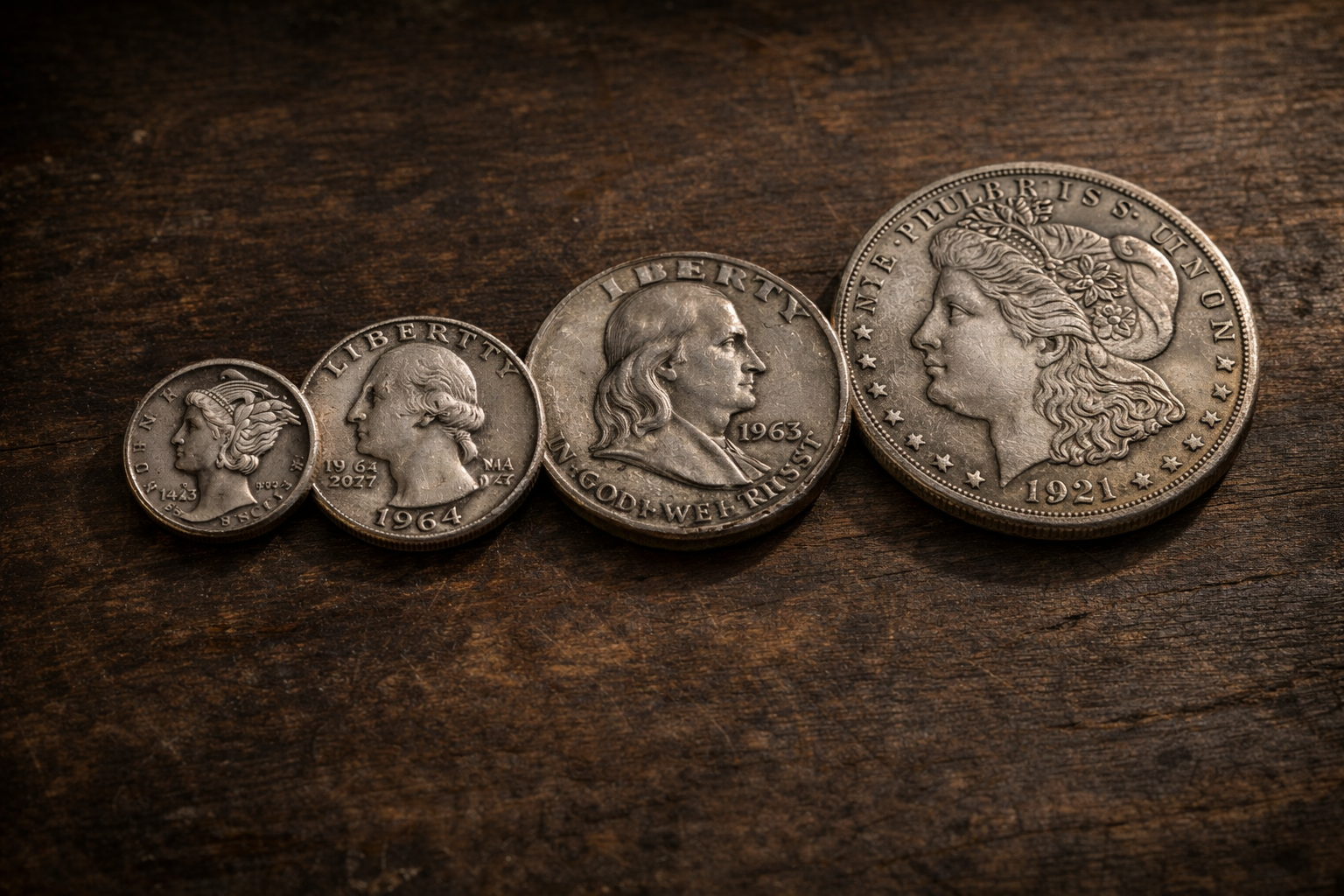
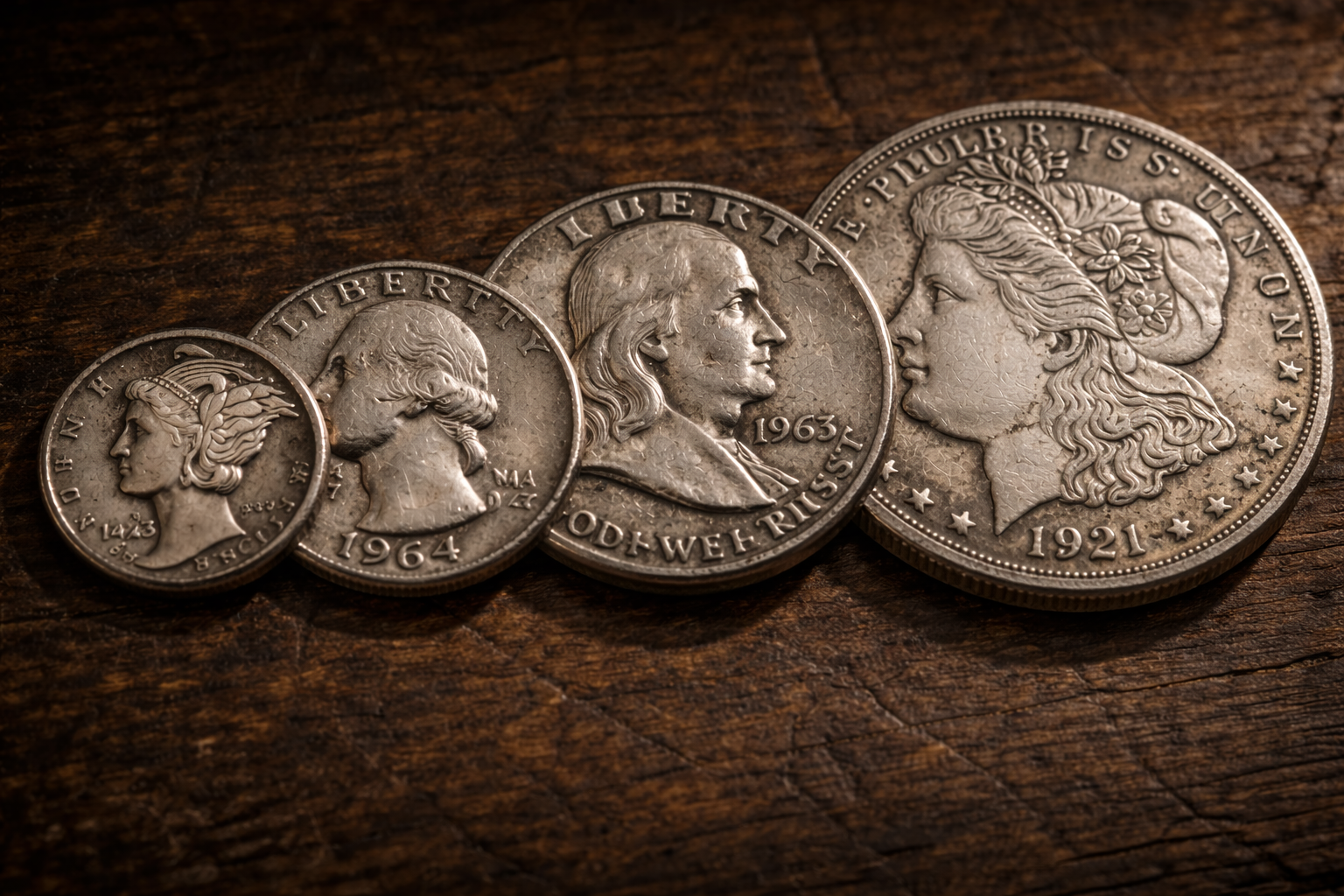
The most widely known silver denominations included the dime, the quarter, the half dollar, and the silver dollar. Each of these coins served a different role in daily commerce.
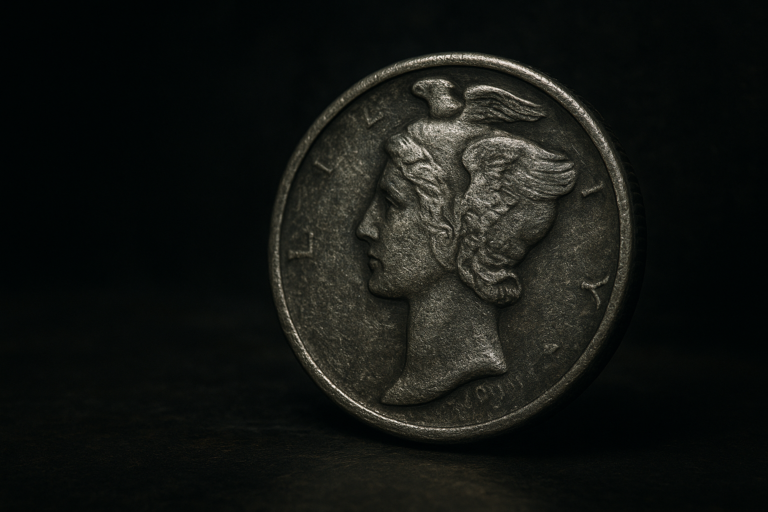
The dime was one of the smallest silver coins in circulation but it was extremely common. Its small size made it useful for smaller purchases, while its silver content ensured it retained value.
The quarter dollar was another heavily used coin. Because it represented twenty five cents, it was convenient for larger purchases and became one of the most recognizable coins in American currency.
The half dollar was widely used throughout the nineteenth and early twentieth centuries. Although it circulated less frequently in modern times, earlier generations relied on it for larger transactions.
Finally the silver dollar represented one of the most iconic coins in American history. Large and heavy, it contained a substantial amount of silver and often featured dramatic artistic designs.
Standard Silver Content in U.S. Coins
| Coin | Silver Content | Years |
|---|---|---|
| Dime | 90% silver | 1796 – 1964 |
| Quarter | 90% silver | 1796 – 1964 |
| Half Dollar | 90% silver then 40% silver | 1794 – 1970 |
| Silver Dollar | 90% silver | 1794 – 1935 |
For many decades ninety percent silver became the standard composition for most American silver coins. The remaining ten percent was usually copper, which strengthened the coin and helped it resist wear during circulation.
Silver Coins in Everyday American Life
In the early and mid twentieth century silver coins were part of everyday life in the United States. People carried them in pockets, stored them in coin purses, and used them constantly in shops and markets.
A worker receiving wages might be paid partly in silver coins. A customer buying groceries could easily receive change that included dimes, quarters, or half dollars made from silver. These coins circulated so frequently that most people rarely thought about the metal content inside them.
Because silver coins were so common, they became part of cultural memory. The sound of silver coins clinking together in a cash register drawer or being counted on a countertop became a familiar part of everyday commerce.
How the U.S. Mint Produced Silver Coins
Producing silver coins required precision and consistency. The United States Mint began by creating metal blanks known as planchets from sheets of silver alloy. These blanks were carefully measured to ensure the correct weight and thickness.
Next the blanks were placed into powerful presses that struck the coin designs using engraved dies. The pressure forced the metal into every small detail of the design, creating the portraits, symbols, and lettering that defined each coin.
Over time the dies gradually wore down and needed to be replaced. This natural process sometimes produced subtle differences between coins struck at different times, which collectors occasionally study today.
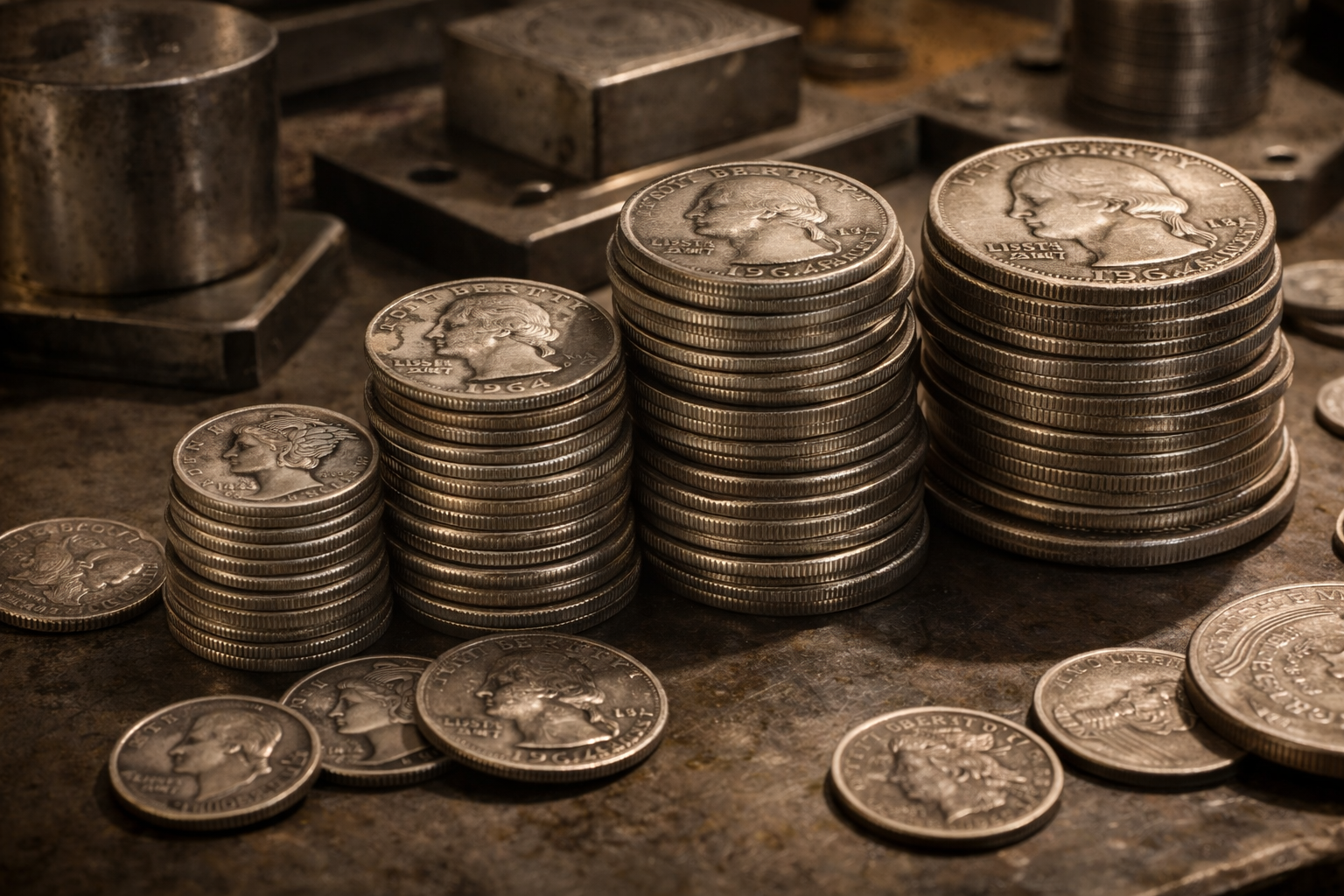
The Coinage Act of 1965
One of the most important turning points in American coin history came in nineteen sixty five. Rising silver prices created a serious challenge for the United States Mint. As the value of silver increased, the metal inside coins began to approach the face value of the coins themselves.
This situation created economic pressure. If the metal in a coin became worth more than the coin’s official value, people might remove the coins from circulation. To prevent this problem, the government passed the Coinage Act of nineteen sixty five.
The new law removed silver from circulating dimes and quarters and reduced the silver content of half dollars. Eventually silver disappeared entirely from most everyday U.S. coins.
Why Silver Disappeared from Circulating Coins
The main reason silver disappeared from circulating coins was economic practicality. Producing coins with large amounts of precious metal became increasingly expensive as global metal prices rose.
By replacing silver with cheaper metals such as copper and nickel, the United States Mint could continue producing coins without risking shortages or economic distortions.
Why Collectors Still Study Silver Coins
Collectors remain fascinated by old American silver coins for many reasons. The metal itself has historical significance, and the designs reflect important artistic traditions within U.S. coinage.
Studying these coins allows historians and collectors to explore how currency evolved over time. Differences in design, minting techniques, and circulation patterns all contribute to a deeper understanding of American economic history.
Silver Coins in the Larger Story of American Money
The story of silver coins is closely connected to the broader history of American money. From the early days of the republic to the economic transformations of the twentieth century, silver coins played a central role in everyday commerce.
Although modern coins rarely contain precious metals, the legacy of silver coinage continues to influence the way collectors and historians study American currency today.
Related HistoraCoin Stories
FAQ
Which U.S. coins were traditionally made of silver
Several denominations historically contained silver, including the dime, quarter, half dollar, and silver dollar.
When did the United States stop using silver in circulating coins
Major changes began with the Coinage Act of nineteen sixty five, which removed silver from dimes and quarters.
Why did the United States remove silver from coins
Rising silver prices made it too expensive to continue producing coins with high precious metal content.
Are silver coins still produced today
Modern circulating coins do not contain silver, although special collector coins made by the U.S. Mint may still use silver.