Roman Coins Explained Simply
Estimated reading time: 15–17 minutes
Roman coins are some of the most familiar artifacts from the ancient world, but their true story goes beyond shiny metal and intricate portraits. They weren’t just currency. They were visual language—symbols of identity, authority, economy, and everyday life. In a world without modern media or mass communication, Roman coinage was one of the most effective ways Romans understood their society, their leaders, and their place within an expansive empire.
This guide breaks down Roman coins in a simple, accessible way so you can appreciate not just what these coins looked like, but what they meant to the people who used them every day.
Quick Takeaways
- Roman coins were both money and message
- Symbols and portraits communicated power and identity
- Coins helped unify a diverse empire
- Everyday use made Roman currency effective
- Understanding Roman coins reveals cultural history
Table of Contents
What Roman Coins Were
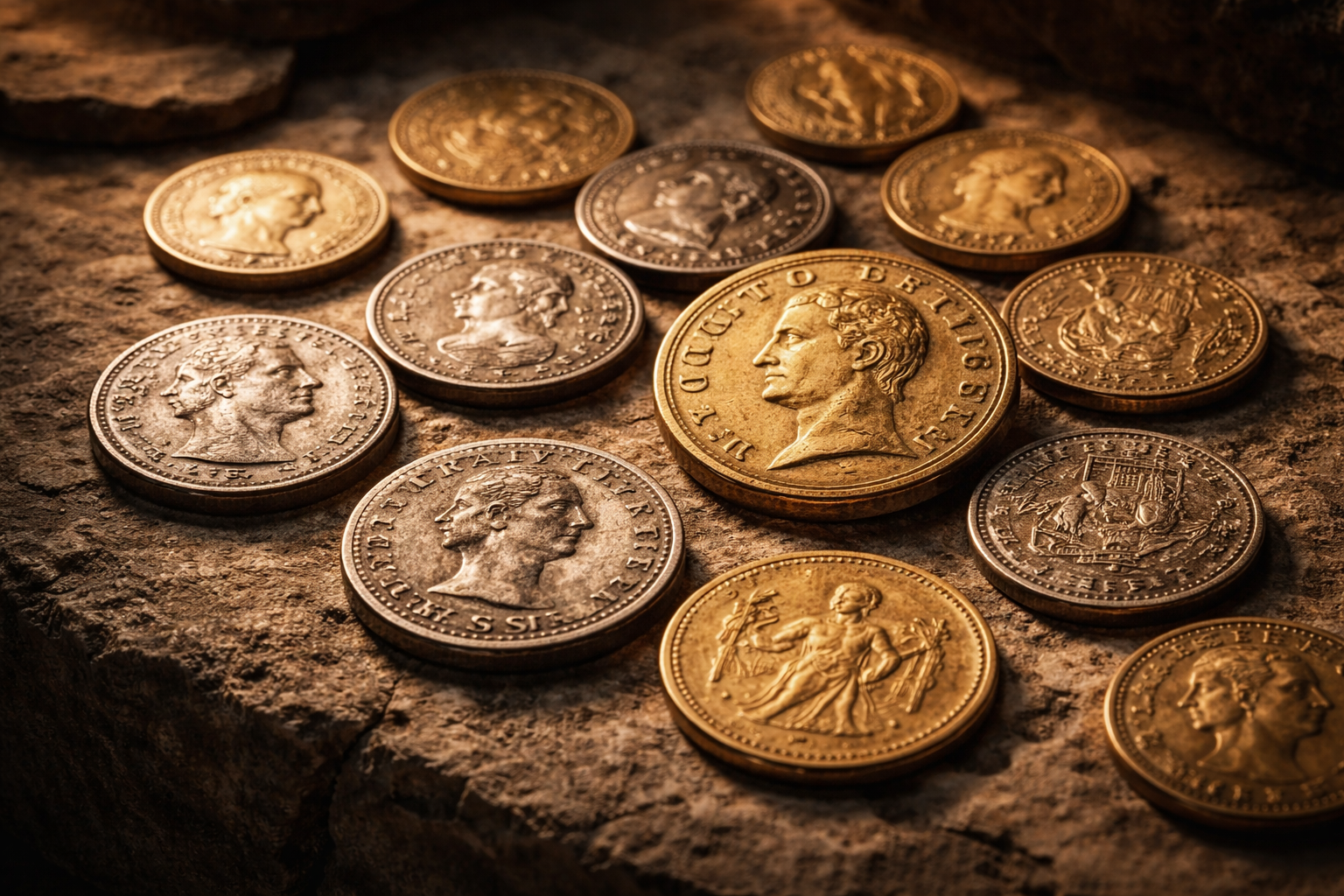
When you hold a Roman coin, you’re holding something that was part of daily life in one of history’s largest empires. These coins were practical—used to buy food, pay workers, and settle debts. But they were also carefully designed messages. They told people who was in power, what values mattered, and how Rome saw itself.
Roman coins existed in several forms—bronze for everyday transactions, silver for larger exchanges, and gold for high-value use or ceremonial purposes. Each type carried similar messages, just expressed with different materials and levels of prestige.
Fact Card | Coins as Message and Medium
Roman coins were both functional currency and a communication tool. In a society without mass printing, coins visually connected citizens to rulers, culture, religion, and collective identity.
Symbols and Power on Roman Coins
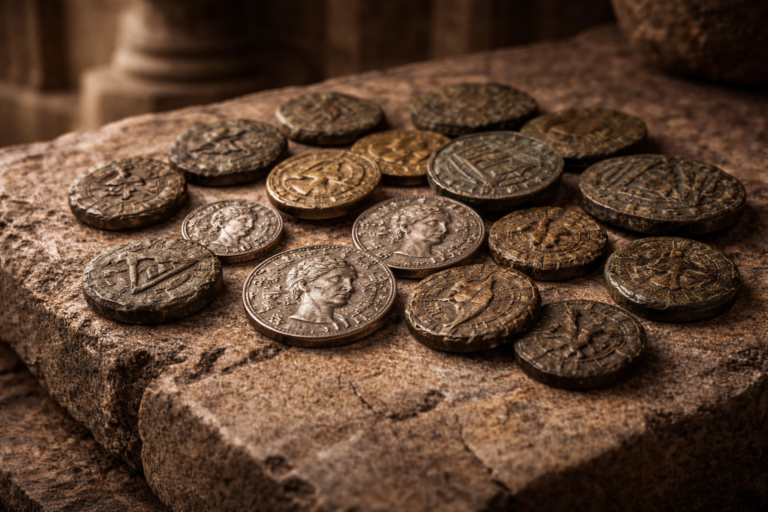
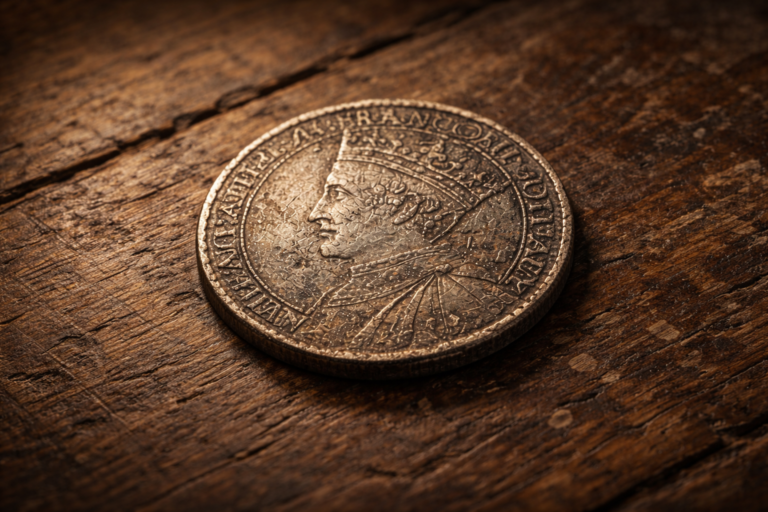
The imagery on Roman coins was no accident. Portraits of emperors, gods, and public symbols carried meaning. A ruler’s face conveyed legitimacy. A deity signified divine favor. Wreaths, eagles, and standards reflected strength, victory, and unity. These designs helped Romans internalize authority and cultural values because they saw them every time they used money.
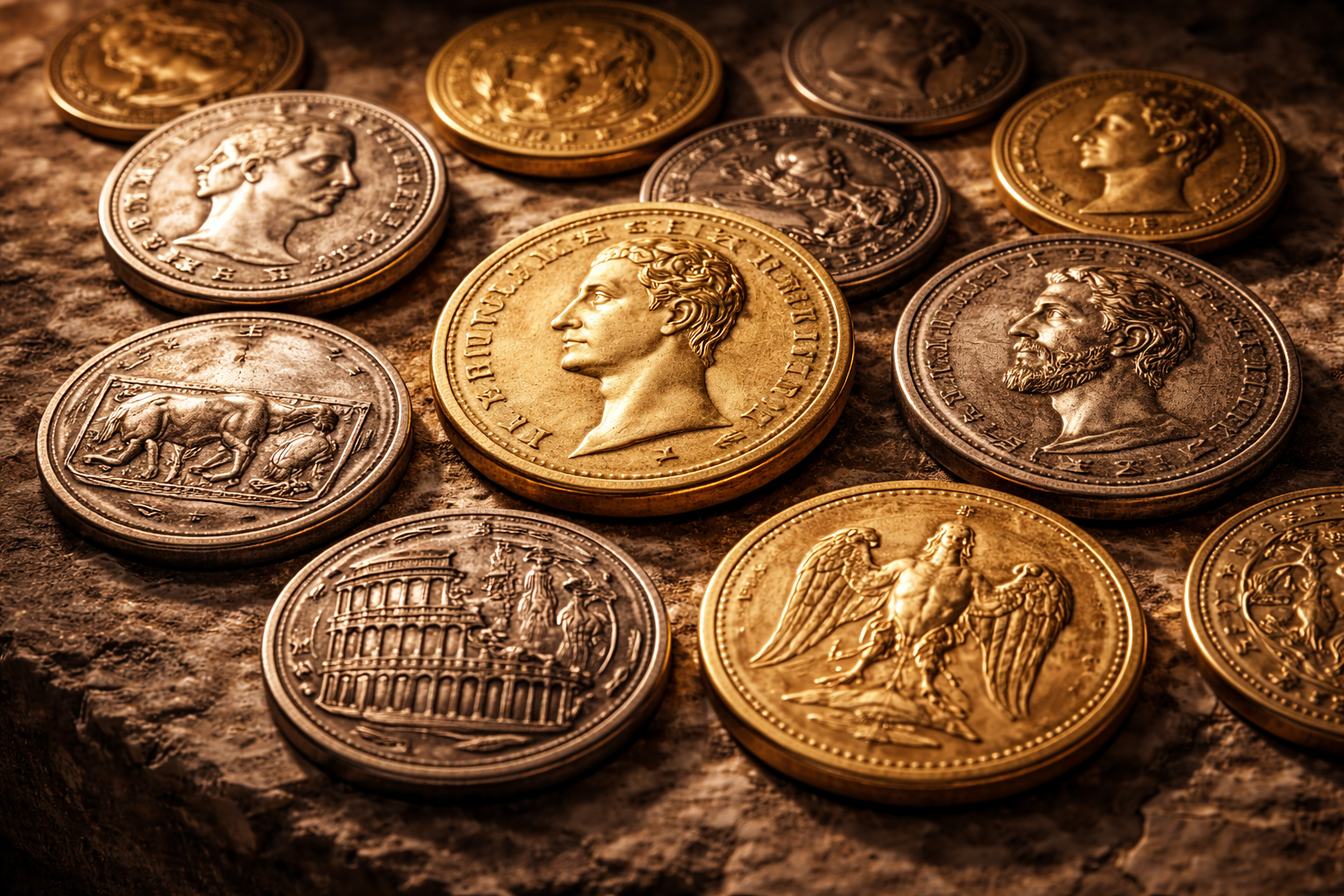
Caption: Symbols and portraits on Roman coins communicated power and identity throughout the empire.
Image credit: HistoraCoin
Roman Coins in Everyday Life
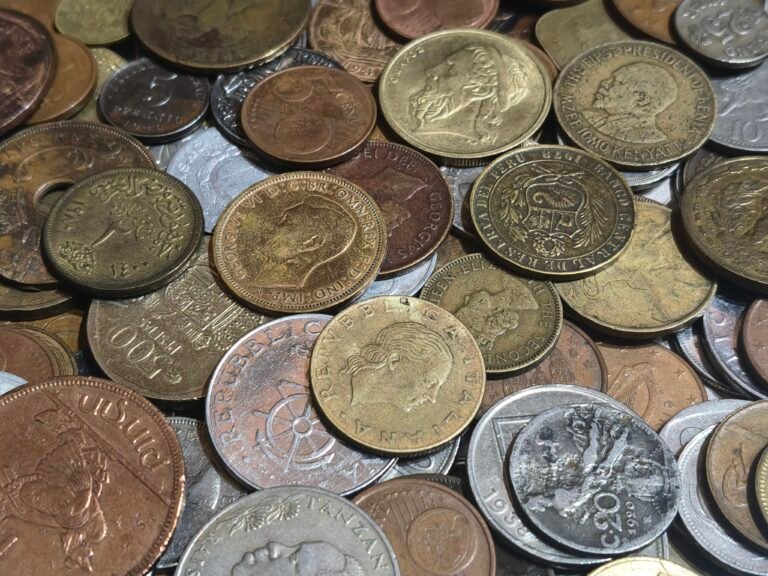
Roman coins didn’t just tell stories at the time of their minting. They were used every day by ordinary people—from bread sellers to soldiers. A farmer selling grain or a merchant buying wine saw the same symbols the senator in the capital did. This common exposure helped unify a very diverse population across regions and classes.
The simple act of using money served a dual purpose: it facilitated trade and reinforced cultural cohesion. Roman coins were practical tools that also carried a shared narrative of identity and belonging.
Comparison Card | Money vs Modern Media
Roman Coins
- Reached virtually everyone daily
- Didn’t require literacy to communicate
- Reinforced authority through repetition
- Was trusted as functional currency
Modern Media
- Reaches people through broadcast and print
- Often requires literacy or access
- Messages can change rapidly
- Driven by technology and platforms
How Roman Coins Influenced the Empire
Roman coinage wasn’t just local. It traveled with armies, traders, and emissaries. Coins minted in Rome were used from Britain to North Africa, from Spain to the Near East. This geographical spread meant Roman coins brought a consistent visual identity everywhere they went.
This consistency helped build a shared sense of belonging to the empire. Whether you lived in a provincial town or the capital, the symbols on Roman coins reminded you of the larger world you were part of.
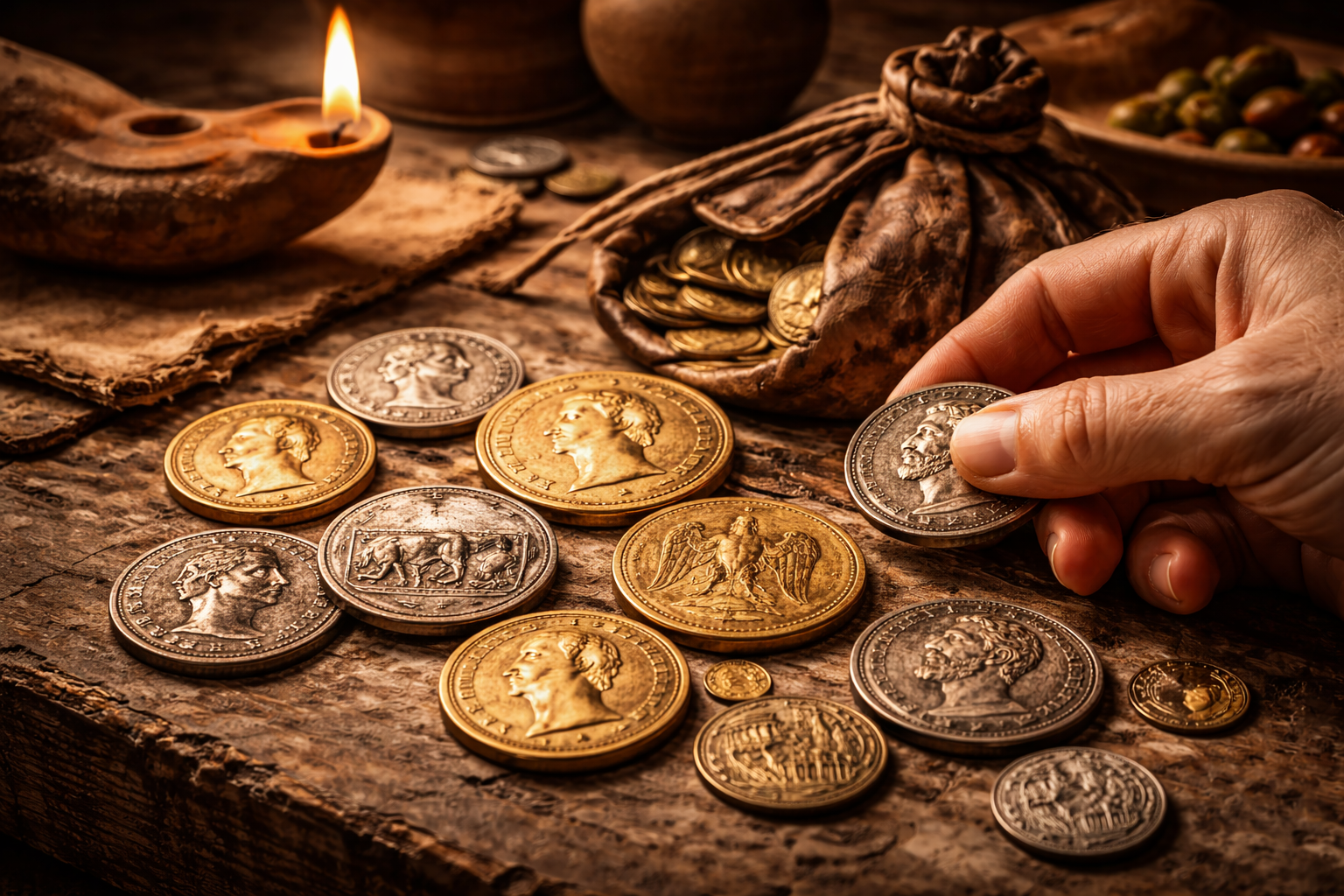
Caption: Roman coins were part of everyday life, circulating across the empire in daily transactions.
Image credit: HistoraCoin
Timeline Insight | Coin Evolution
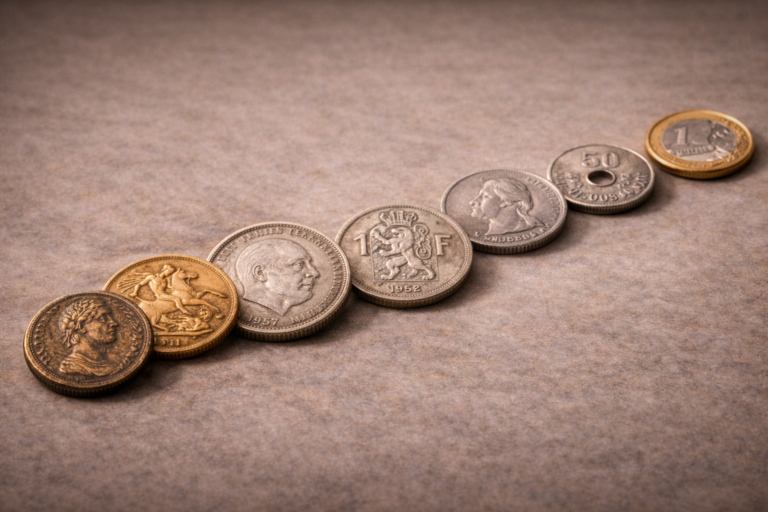
- Republic Era: Portrait-less coins focused on symbols of state
- Empire Era: Emperor portraits became common
- Later Empire: Symbol complexity reflected changing power structures
Quote Highlight
Roman coins weren’t just money—they were everyday reminders of identity, power, and the shared world of the empire.
Sources and Methodology
This article draws on historical mint archives, museum documentation, academic numismatic studies, and comparative analyses of coin circulation across the Roman world. The focus is contextual and educational, aimed at helping readers understand coins as historical artifacts with meaning beyond commerce.
Final Reflection
Roman coins continue to captivate collectors, historians, and curious minds alike. Their power lies not just in metal or artistry, but in what they reveal about identity, authority, and everyday life in the ancient world. When you hold a Roman coin, you’re holding a piece of a story that traveled across time and territory—reminding us that even simple everyday tools can carry profound meaning.
Share this article
Explore more historical coin stories
HistoraCoin explores how currency reflects real human history, focusing on context, design, and cultural meaning.

HistoraCoin Team
HistoraCoin publishes educational, AdSense-safe coin history content that focuses on context, identity, and authority rather than speculation.