South Africa’s Coins of Myth and Memory
Estimated reading time: 17 minutes
South Africa is the kind of place where the land feels like it remembers. Not in a dramatic way, not like a myth shouted from a stage, but in a quieter way that settles into stone and wind. Mountains keep their posture. Coastlines keep their rhythm. Towns keep their scars and their music. Even the light changes mood from one region to another, as if the country is constantly telling you that history is not one story, it is many stories stacked together.
Coins belong in places like this. They are small enough to hide in a pocket, yet stubborn enough to survive what people often cannot. They move through hands that never meet. They pass through eras without asking permission. They outlast uniforms, slogans, and headlines. And if you listen the way you listen to an old room, you can sometimes feel what a coin has carried.
This is not a list and it is not a chase. It is a human walk through South Africa’s coin story, told through memory and myth. Myth in this context does not mean fantasy. It means the emotional shape of a nation, the symbols that gather meaning over time, the moments people remember even when they cannot fully explain why.
In South Africa, coins have carried more than faces and dates. They have carried language, belonging, power, migration, work, loss, and renewal. They have traveled through colonial systems, through the rise of a new national identity, through decades of tension, and into a future still unfolding.
So we start where all coin stories truly begin, not at a mint, not at a government desk, but in the human need for trust.
Table of Contents
- A Land of Crossroads and Quiet Exchanges
- Early Currency and the First Weight of Trust
- Colonial Symbols and the Language of Authority
- The Union Era and a New National Voice
- Metal and Work in a Country Built by Hands
- Languages on Coins and the Question of Belonging
- The Feel of Wear and the Truth of Daily Life
- A Timeline in Metal
- Decades of Tension and the Coins That Kept Moving
- Symbols That Stayed and Symbols That Shifted
- Memory in Modern Coins
- Why These Coins Feel Like Myth and Memory
- FAQ
A Land of Crossroads and Quiet Exchanges
South Africa has always been a crossroads. Oceans meet here. Trade routes brush past. Languages collide. Cultures overlap. The land contains both openness and boundaries, both welcome and warning. In places like this, money is never just a tool. Money becomes a translator. A symbol. A compromise.
When people from different backgrounds meet and need to trade, they need something they can both accept. That is what money is at its simplest. A shared agreement that something small can represent something larger. But the moment you introduce authority, the moment you stamp a symbol on metal, that agreement becomes political, even if nobody speaks the word out loud.
South African coins, across their long evolution, repeatedly return to this tension. Who gets to decide what the metal says. Who feels included by the symbols. Who feels erased.
That is why this story feels like myth and memory. Because a coin carries what a nation wants to be and what a nation has been. Sometimes those two things match. Sometimes they struggle with each other for decades.
Early Currency and the First Weight of Trust
Before coins felt truly local, exchange systems leaned on whatever could be trusted. The earliest chapters of currency in this region connect to movement. Trade across long distances. Goods passed along routes that existed long before modern borders hardened into maps.
Coins from outside could appear, disappear, return again. Sometimes money was not even coin. Sometimes it was something else that carried agreed value. In this early atmosphere, the most important question was not what the coin looked like. The important question was simple.
Can I trust this.
Coins began to matter more as formal structures grew. Mines, ports, towns, and growing economic systems required consistent exchange. The shift toward standardized coinage is always framed as progress, but on the ground it is something more human. It is the need to reduce uncertainty.
A coin becomes a promise you can hold.
And in South Africa, where geography and history built many layers of uncertainty, that promise became deeply meaningful.
Colonial Symbols and the Language of Authority
When colonial power shaped official coinage, symbols followed that power. Portraits, emblems, and formal design language aimed to make authority feel normal. A face on a coin is never just a face. It is a statement about who is supposed to matter.
Yet the irony of colonial coinage is that it tries to impose a clean story on a messy world. Coins are minted with crisp confidence. Life is not crisp. Life is complex. Life is layered. And so the coin becomes both message and contradiction.
In a country shaped by many communities, colonial symbols did not represent everyone. They represented the structure that claimed control. Still, the coins circulated widely because practicality does not wait for justice. People used what existed. They lived with what was given to them, even when it did not reflect their voice.
Over time, those coins gathered wear. And wear is honest. Wear makes a coin less like a statement and more like a witness. A worn colonial coin can carry the trace of countless lives, including lives the symbol was never meant to honor.
This is one reason collectors often find South African coins emotionally powerful. The metal holds tension. The designs can feel official. The surface feels human.
The Union Era and a New National Voice
When South Africa moved through political restructuring, coinage shifted too. Coins are often among the first places a nation tests a new voice. Not always loudly. Sometimes with typography. Sometimes with language. Sometimes with small symbolic adjustments that reveal larger intentions.
A new national voice does not arrive fully formed. It is assembled over time. It negotiates. It argues. It tries on different styles. Coins reflect this gradual process in quiet ways.
Look at coin designs across changing eras and you will notice something subtle. The country’s internal conversation appears in the details. A shift in emphasis. A refinement in motif. A rebalancing of identity.
Coins often tried to present a stable image, even when society was not stable beneath the surface. That is what national symbols do. They are meant to be anchors. Whether they succeed is a different story, but the intention is there.
Metal and Work in a Country Built by Hands
South Africa’s story is inseparable from work. From labor. From the physical building of infrastructure and the extraction of resources. Mines, railways, ports, farms, factories. Much of the country’s modern history is written in the movement of hands and the cost of effort.
Coins moved through those hands. They were counted, saved, spent, and sometimes hidden away. Not as treasure in the cinematic sense, but as careful stability. A small piece of certainty. A way to plan one more day.
Coins also moved across social lines. A coin could travel from a formal setting into a market. From a pay packet into a family table. From a city into a rural pocket. It crossed barriers because money must move, even when people are separated by policy.
That movement created a strange kind of shared experience. Two people might never meet, might never share a conversation, yet might touch the same coin months apart. That is what makes coin history feel intimate. It links strangers through objects.
Languages on Coins and the Question of Belonging
Language is one of the most visible markers of belonging. When a coin carries certain words, it signals who the state is speaking to. It signals what is considered official. It signals what is expected to be understood.
South Africa’s linguistic landscape is rich and complicated. It carries colonial imprints and local resilience. It carries multiple communities and multiple memories. Coins have reflected this complexity in different ways across time.
Sometimes coin inscriptions feel like a compromise. Sometimes they feel like a declaration. Sometimes they feel like a reminder that identity is not only about symbols. It is also about who gets recognized in public space.
Collectors often pause at these details because they reveal something beyond design. They reveal societal structure. They reveal the imagined audience of the coin.
A coin is never speaking to everyone equally. That is why coins become such powerful artifacts. They show you who a nation thought it was, and who it thought it was not.
The Feel of Wear and the Truth of Daily Life
If you ever want to understand how a coin lived, do not only look at the design. Look at what the design has lost.
Wear is a map of contact. It shows where fingers pressed. It shows how the coin rubbed against fabric. It shows how often it was handled, counted, slid across surfaces, dropped, retrieved, and spent again.
In South Africa, worn coins can feel like miniature histories of movement. They carry the dust of cities and the dryness of inland air. They carry the softness that comes from years of use. They carry small scars that look like nothing until you remember they were made by life.
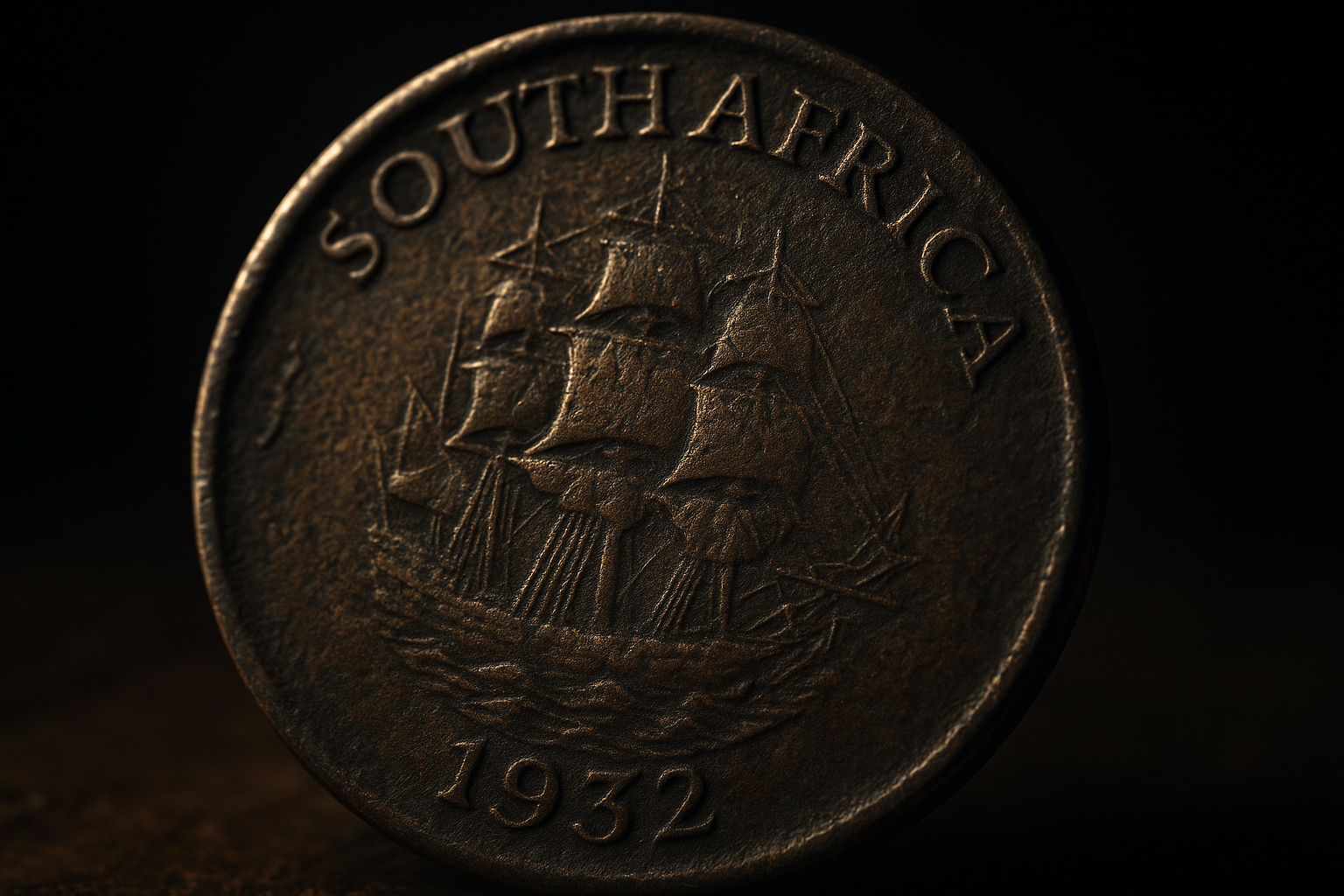
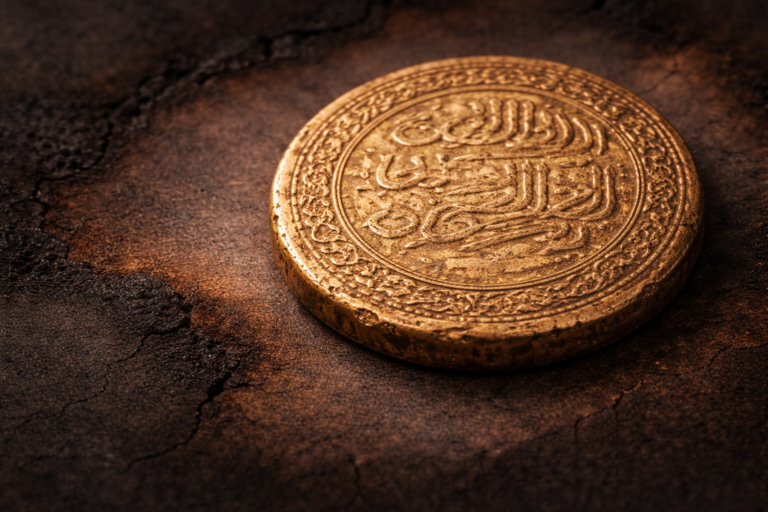
Every worn surface carries a chapter of South Africa’s lived history
Image credit: HistoraCoin.com
Some collectors prefer bright, untouched surfaces. Others prefer coins that look like they have been somewhere. South African coins often appeal to the second kind of collector because the country’s history itself is not smooth. It is textured. It is layered. It is complicated.
A coin that looks lived-in feels honest. It feels like it has earned its place in the story.
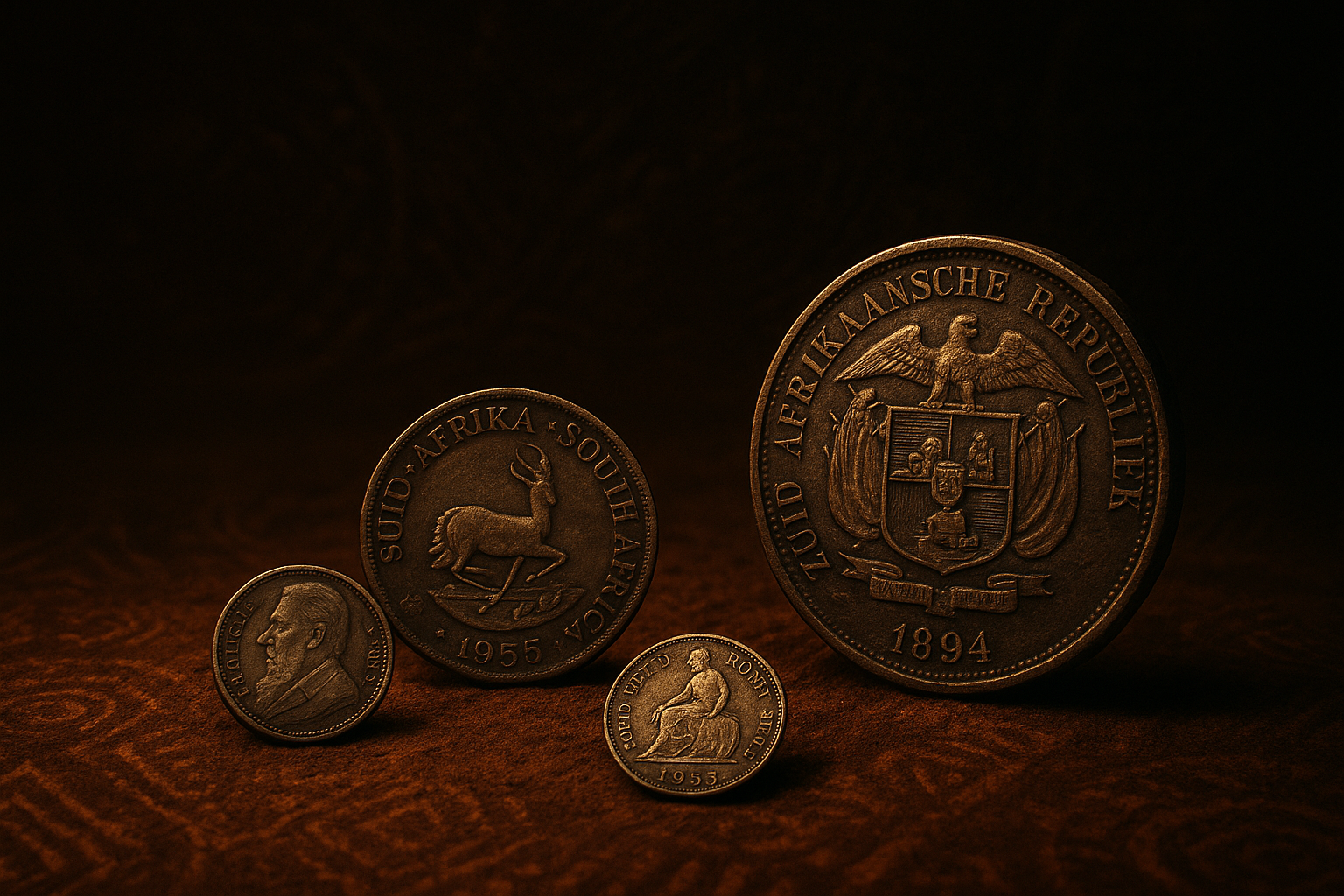
A Timeline in Metal
When you lay South African coins across decades, you can sense a shifting heartbeat. Different eras carry different moods. Some periods feel formal and controlled. Others feel transitional. Some feel eager to present a new image. Others feel like they are trying to hold the center while everything changes around them.
Timeline comparisons do something important. They reveal continuity where you might not expect it. They also reveal transformation in ways that documents often hide behind official language.
A coin timeline is visual truth. It shows you what was chosen to represent the nation at different moments.
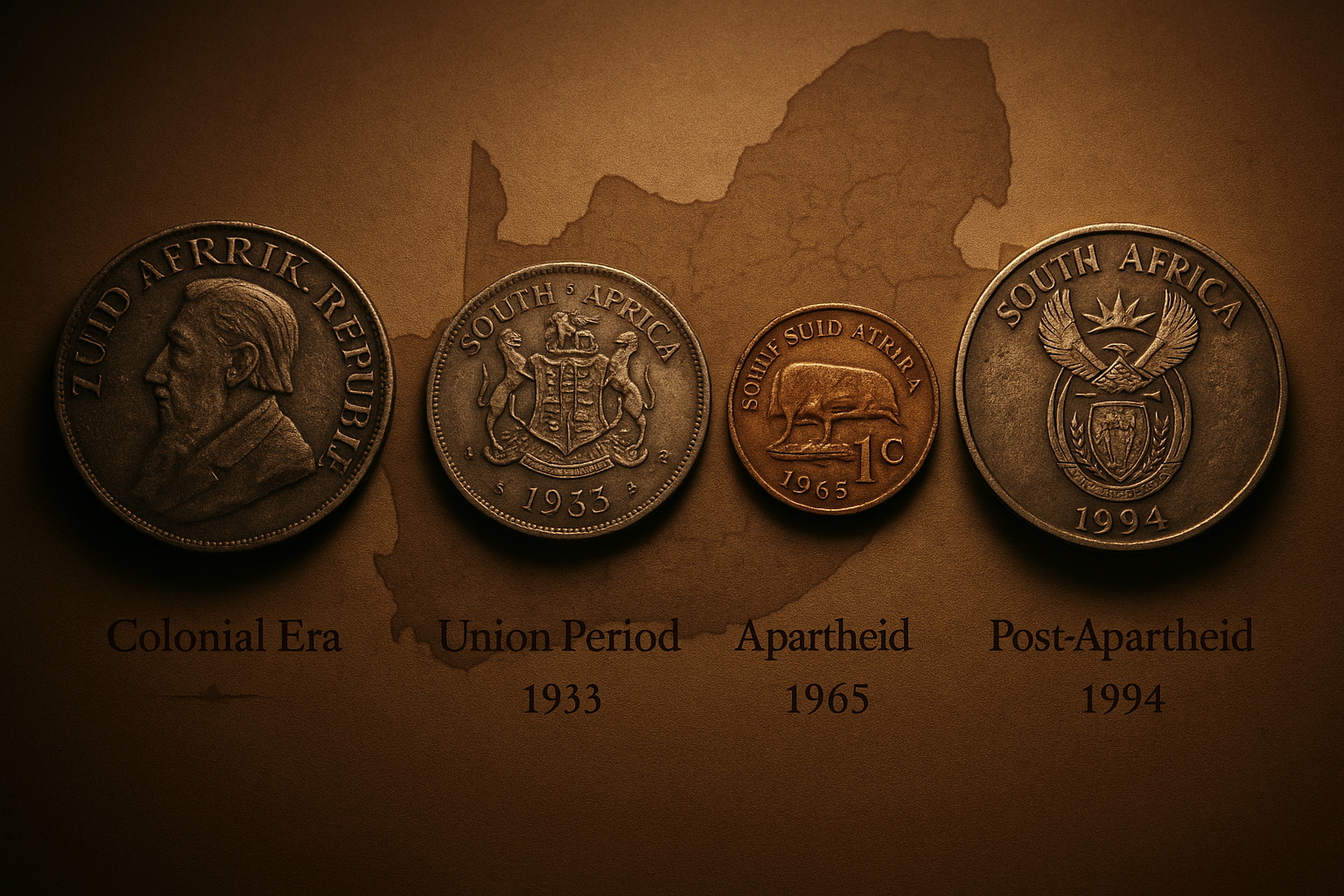
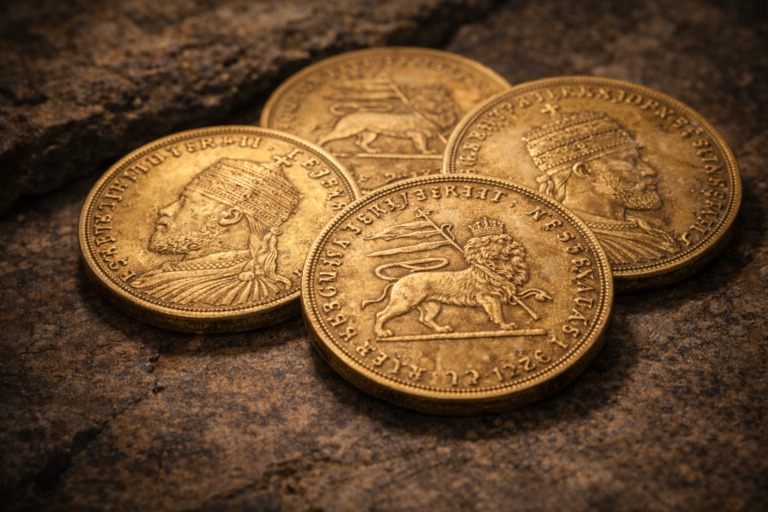
A nation’s journey traced quietly through its changing coinage
Image credit: HistoraCoin.com
In the timeline, you can watch symbols appear, fade, return, and evolve. You can see how design choices try to keep up with the emotional reality of the country. You can also see what is missing. What is avoided. What is emphasized.
Collectors often describe this timeline effect as a kind of quiet dialogue. The coins speak to each other. The newest coin answers the oldest coin. The middle years negotiate with both.
It is history, but it feels like conversation.
Decades of Tension and the Coins That Kept Moving
South Africa’s most intense decades are often told through protests, policies, speeches, and international pressure. Those are essential parts of the story, but they are not the whole story. Daily life continued. People still needed to travel, buy food, send children to school, repair shoes, pay fares, and keep households functioning.
Coins moved through all of that.
A coin does not stop circulating because an era is heavy. It keeps going. It passes from one person to another, often without conversation. It moves in silence.
That silence is what gives coins their special emotional weight. They are present, yet invisible. They witness everything, yet speak in code. They carry an official image, yet they are used by everyone.
In tense decades, coin materials and production choices can shift. Practical needs become stronger than aesthetic desires. Durability matters. Cost-effective production matters. Ease of recognition matters.
But even in practical decisions, symbolism remains. The nation still chooses what to show the public, even on small metal discs. Those choices reveal what the state wants to normalize. They also reveal what the public is expected to accept as everyday.
For collectors, coins from these decades often feel emotionally charged because they carry the contrast between design calm and societal tension. The metal looks steady. The history beneath it was not.
Symbols That Stayed and Symbols That Shifted
Some symbols stay because they are deeply tied to the land. Others stay because removing them would feel like admitting instability. Some symbols shift because the nation changes direction. Others shift because the nation tries to heal.
South Africa’s coin symbolism has experienced both staying and shifting. Certain motifs feel timeless because they connect to geography and heritage. Other motifs reveal political eras more directly.
One of the most human aspects of coin symbolism is that it often tries to compress complexity into something simple. A nation is complicated. A coin must be readable. So the coin chooses a few elements and asks them to represent millions of lives.
That act can never be perfect. That is why coins feel like memory. Memory is selective. Memory highlights certain details and leaves others blurred. Coins do the same.
Collectors who care about story rather than appearance often find this selection process fascinating. They study what is chosen. They study what is omitted. They study how the nation edits itself through design.
Memory in Modern Coins
Modern coins often try to feel neutral. They aim for a design language that looks stable and contemporary. But neutrality is never absolute. Even modern choices carry intention.
Modern South African coinage exists in a country still living with layered memory. The past is not distant. It is close enough to shape family stories, neighborhoods, and language in daily life.
That closeness changes how people look at coins. A coin can feel like a reminder. A coin can feel like a symbol of a new chapter. A coin can feel like a bridge, connecting what was to what is still becoming.
Collectors sometimes talk about modern coins as if they have less soul. That is not always true. Modern coins carry a different kind of soul. The soul of rebuilding. The soul of trying to hold many identities in one shared space.
In South Africa, even the attempt to feel balanced and inclusive carries emotional weight.
Why These Coins Feel Like Myth and Memory
Myth is often imagined as something ancient and distant, but myth can also be modern. Myth is the story a society tells itself about itself. It is the symbolic layer that gives events meaning.
South Africa’s coin story feels mythic because it contains powerful themes. Land and belonging. Movement and separation. Work and survival. Tension and resilience. Loss and renewal.
Memory lives in these themes. It lives in the way people remember coins from childhood. It lives in the way a coin can trigger a family story, a place, a moment of fear or hope. It lives in the way collectors pause at a design detail and feel something they cannot fully explain.
That is what it means for coins to hold myth and memory. They become more than currency. They become carriers of emotional history.
And perhaps that is the most honest thing coins can do. They cannot tell the full story. No coin can. But they can hold a fragment of truth long enough for someone to find it later and listen.
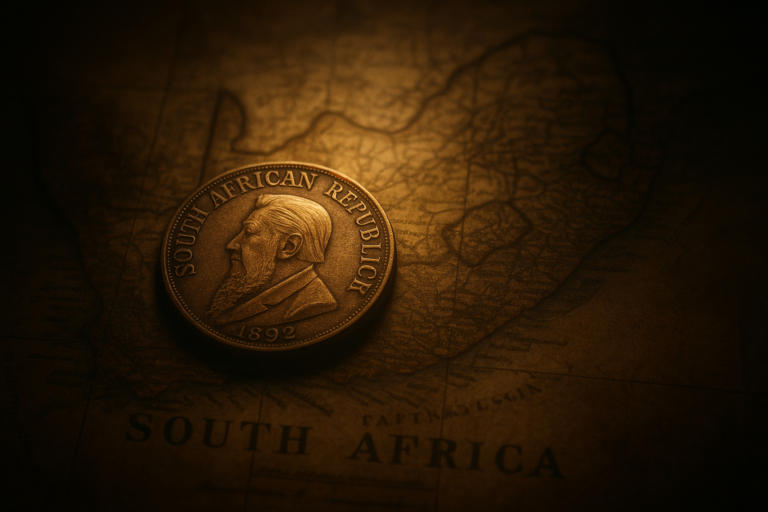
Some coins do not simply circulate they remember
Image credit: HistoraCoin.com
FAQ
Why do South African coins feel emotionally powerful to many collectors
Because they carry layered history and lived experience. The designs often reflect changing eras, while wear and circulation marks reflect daily life across communities.
Do symbols on South African coins always represent everyone equally
Not always. Coins often reflect the priorities of the era in which they were issued. That is part of what makes them meaningful historical artifacts.
What makes a coin feel like memory
Memory is a blend of symbol and experience. Coins carry official imagery, but they also carry personal history through touch, wear, and everyday use.
Is it possible to understand South Africa through its coins
Coins cannot tell the whole story, but they can reveal how different eras tried to represent the nation. When studied across time, they offer a quiet but powerful perspective.
Reality Check
South African coin history is often reduced to a few famous designs or a few dramatic headlines. In reality, the deeper story lives in continuity. Most coins became meaningful because they were used, carried, and trusted in ordinary moments. Their power comes from context, not spectacle.
Final Verdict
South Africa’s coins of myth and memory do not speak in loud declarations. They speak through symbols that endured, through surfaces worn by life, and through the quiet truth that history is carried by people long before it is written by institutions. These coins are small, but their echoes are wide.
Share This Story
If this story resonated with you, feel free to share it with others who appreciate history told through objects that endured.


Explore More on HistoraCoin
Keep Exploring
If you enjoy stories shaped by history and human experience, take your time exploring more coin journeys on HistoraCoin. Each article reveals a different chapter preserved quietly in metal.
About the Author

HistoraCoin Team
The HistoraCoin Team explores the hidden stories behind coins from every era and culture. Our focus is history, symbolism, and the human moments quietly preserved in metal.
For more historical coin stories, visit HistoraCoin.