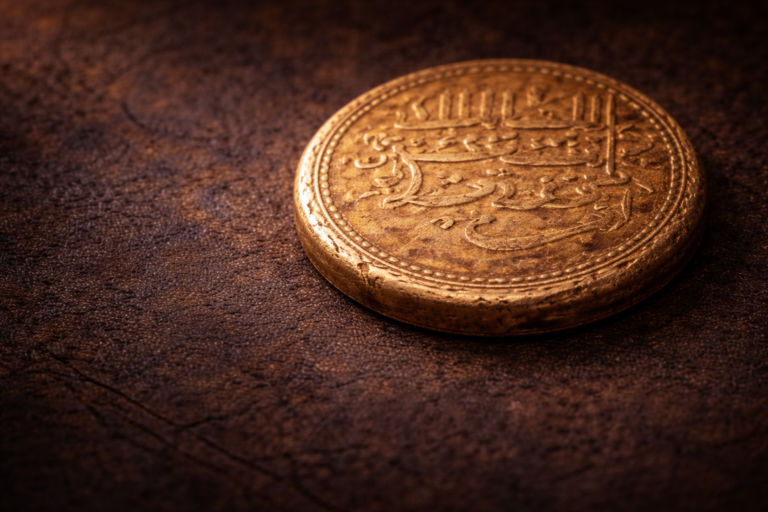
South Africa’s Legendary Coins – The Untold Stories
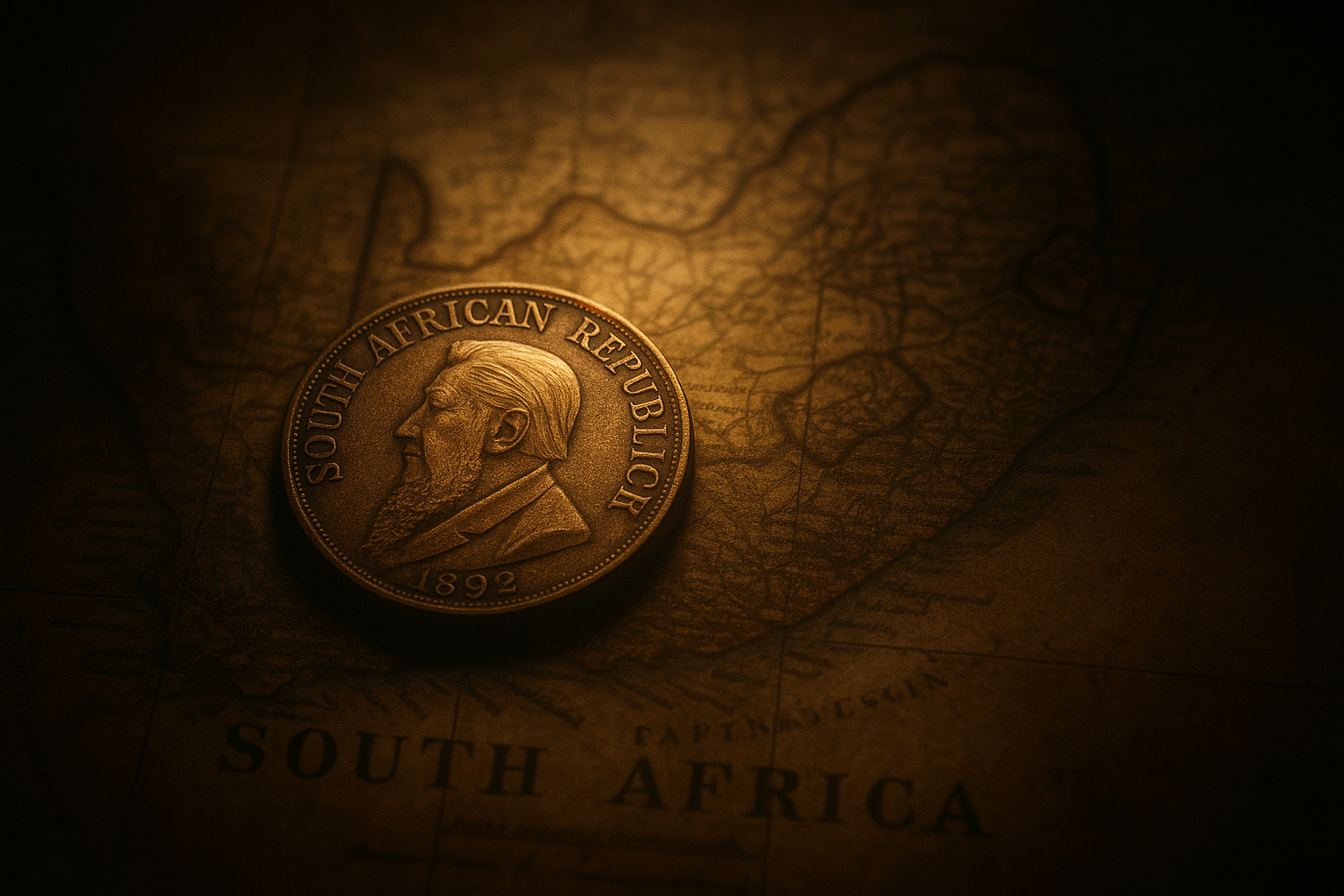
In the early morning light over Johannesburg, Cape Town, Durban, or Bloemfontein, small coins once moved quietly through markets, train stations, and street cafés. They slipped from one hand to another at busy taxi ranks, clinked in metal tills of corner shops, and rattled in the pockets of people crossing wide streets under big South African skies. For decades, these coins did their work without fanfare, then slowly began to disappear.
Long after notes were redesigned and digital payments gained ground, a few of those coins remained – tucked away in drawers, jars, and old wallets. When someone finally rediscovered them, they were no longer just pieces of currency. They had become tiny messengers from another time, carrying the untold stories of South Africa’s changing history.
Estimated reading time: 9–10 minutes
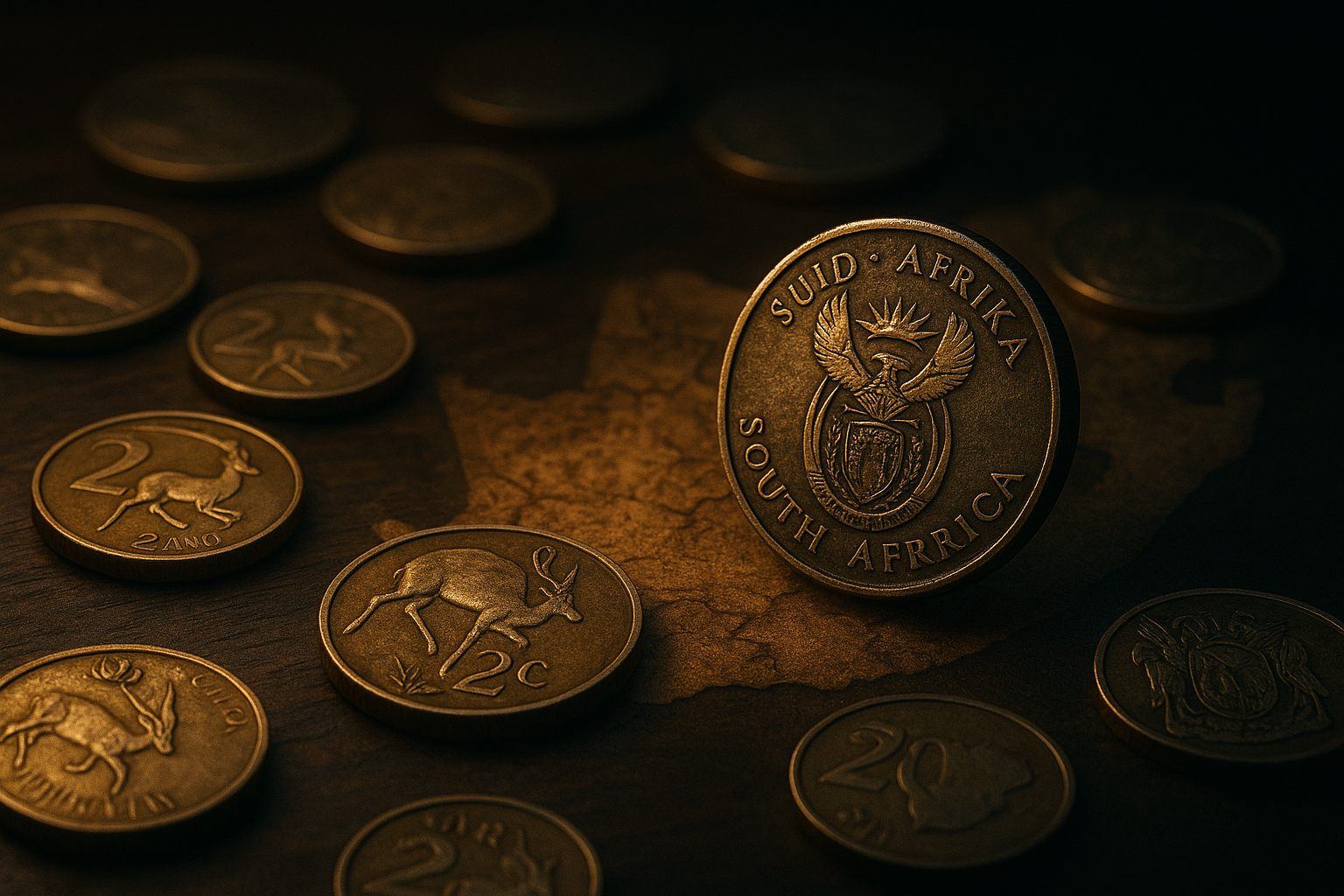
Image credit: HistoraCoin
A Land of Contrasts Written in Metal
South Africa is often described as a land of contrasts – high mountains and open plains, busy cities and quiet rural roads, deep history and constant change. Its coins reflect the same contrasts. Some pieces are bright and modern, others worn and softly coloured by time. Together, they form a metallic archive of the country’s journey through the twentieth and twenty–first centuries.
In older coins, you can feel the weight of earlier eras. Their designs carry symbols chosen to represent unity, strength, and national pride. Newer pieces speak of a country redefining itself, updating its imagery to reflect a broader, more inclusive vision. Side by side, these coins tell a story that cannot be captured in a single date or portrait. Each one holds a thin slice of South Africa’s unfolding identity.
To someone holding them far from the places where they circulated, South African coins may seem exotic or unfamiliar. But to the people who used them every day, they were part of ordinary routines – part of buying bread, paying for a bus ride, or sharing a meal. That tension between the ordinary and the extraordinary is exactly what makes them legendary today.
The Springbok and Other Symbols of Identity
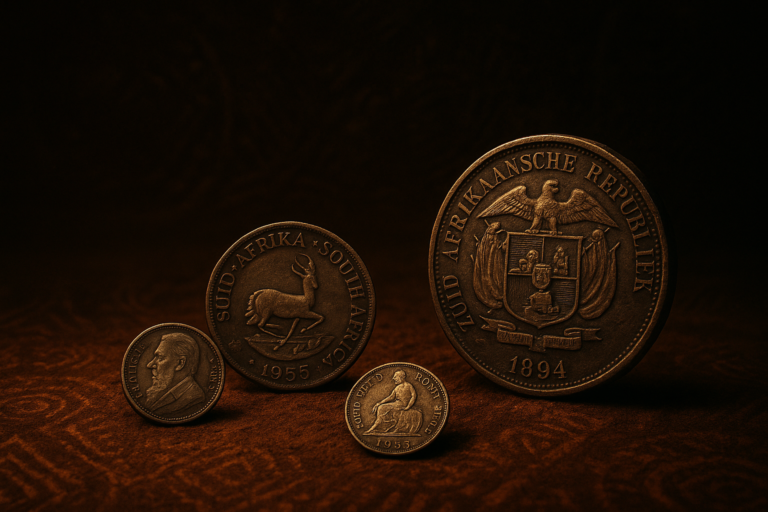
One of the most recognisable images on South African coins is the springbok antelope. Light–footed and elegant, it has long been associated with national teams, open landscapes, and a sense of agile resilience. When the springbok appears on a coin, it brings with it echoes of grasslands, distant horizons, and the feeling of a brisk wind over the highveld.
Alongside the springbok, coats of arms, national mottos, and carefully chosen lettering have all appeared on different series of coins. Each element carries its own set of meanings. Shields hint at protection. Ribbons and banners suggest unity. Stylised plants and animals point to the richness of local nature. Even the way words curve around the rim of a coin can affect how the design feels in the hand.
Over time, these symbols changed. Some older emblems were replaced to reflect new chapters in the country’s story. Fonts grew cleaner, compositions more open, and details were refined to match a more modern style of design. Yet the coins never lost their central function – to act as familiar everyday objects connecting millions of people to the same underlying system.
Today, when collectors and historians look back at older South African coins, they do not see random decoration. They see deliberate choices, made at specific moments in history, about how a nation wanted to present itself to its own citizens and to the world.
Coins in Everyday South African Life
Before digital balances and contactless cards became common, the sound of coins was part of daily life across South Africa. They chimed on café saucers, rattled inside metal cash drawers, and rolled across shop counters polished smooth by years of use. They paid for taxi rides in crowded ranks where conversations mixed in different languages, and for small treats at school tuck shops where children counted carefully before handing them over.
In townships and suburbs, in city centres and rural villages, coins crossed invisible boundaries every day. A piece that began its journey in a coastal city might eventually find itself deep inland, carried by travellers moving for work, study, or family. Another coin might spend almost its whole life in a single neighbourhood, passing between familiar shops and homes where people greeted each other by name.
These coins saw early mornings when bakery doors first opened, and late nights when petrol stations stayed lit while most windows went dark. They heard the hum of conversations about politics, sports, and everyday worries. They lay forgotten on kitchen tables during power cuts and jingled in pockets during celebrations when music flowed from open doors and windows.
None of these moments were recorded anywhere, yet traces of them remain in the smoothness of old coins. Every scratch, patch of wear, and softened edge is proof that they lived active lives before slowly drifting out of circulation.

Image credit: HistoraCoin
Eras of Change Reflected in Coin Designs
South Africa’s coinage has passed through several distinct eras, each shaped by the political climate, economic realities, and artistic preferences of its time. Early designs often followed international trends, using classical motifs and formal lettering. Later issues began to speak with a more local voice, highlighting symbols that felt uniquely South African.
Changes in design were rarely just aesthetic decisions. They usually arrived at key turning points – when new constitutions were adopted, when national symbols were updated, or when authorities wanted to express a different message about the country’s identity. A new coat of arms on the reverse, a different motto, or a fresh approach to typography could all signal that something important had shifted.
Metal composition also evolved. Some coins moved from heavier alloys to lighter ones, reflecting both practical considerations and broader economic factors. A collector handling these pieces can often tell from the colour and feel of the metal roughly which period they belong to, even before checking the date.
Together, these variations turn South African coinage into a visual timeline. Without reading a detailed history, you can follow the country’s path simply by lining up coins from different decades and studying how their faces change. Each new design adds a paragraph to the broader story of South Africa’s transformation.
Roads, Railways, and the Journeys of Coins
If you could trace the path of a single legendary coin across the map of South Africa, the route might surprise you. It could begin in a mint close to an industrial zone, travel to a bank in a central business district, then move quickly into circulation – perhaps through a supermarket till, a petrol station cash drawer, or a market stall stacked with fresh produce.
From there, the coin might board a long–distance bus heading toward the interior, rattling in a pocket as mountains and open plains roll past outside. It might pay for a snack at a roadside shop halfway between cities, then continue its journey in the pocket of a driver who spends long hours on the road. Later, it could end up in a small town where life moves more slowly, paying for bread at a family bakery or a newspaper at a kiosk on the corner.
Railways and airports have their own stories to tell. A coin might sit in a vending machine at a station where commuters hurry past every morning. Another might be left as a small tip on a café table in an airport lounge, then picked up later as the till is counted at closing time. These coins move constantly, crossing provincial lines and social boundaries with equal ease.
Over the years, as newer series appeared, some of these coins began to feel older in the hand. Their designs marked them as products of another time. Eventually, they were pulled from circulation, yet a few slipped out of the system and into private ownership – ready to become legends in the hands of anyone curious enough to look closely.
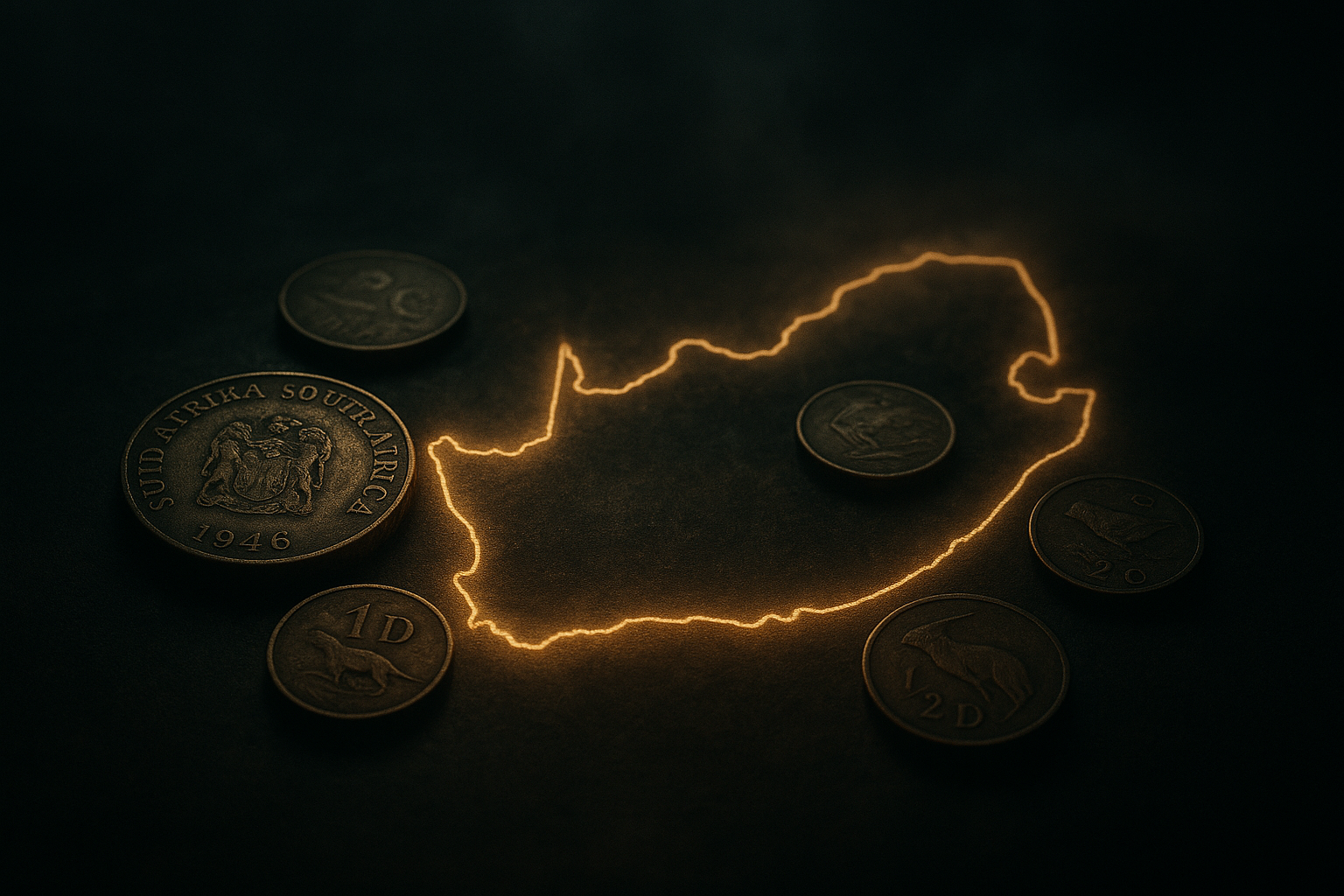
Image credit: HistoraCoin
Forgotten Corners – Where Legendary Coins Hide
Many of South Africa’s legendary coins did not survive in museum cases or formal collections. Instead, they hid in forgotten corners of ordinary homes. They lay in jam jars filled with loose change, in biscuit tins of old belongings, or in small boxes that once held jewellery and now hold memories. Some were left at the back of drawers that nobody opened for years.
A parent might have set a few coins aside during a period of change, intending to explain them to their children later. A grandparent might have kept a piece from their youth as a personal reminder of a particular decade. An emigrant might have taken a handful of coins when leaving the country, keeping them in another land as quiet anchors to the place they once called home.
These coins were never meant to be famous. They did not appear in headlines or exhibitions. Yet when they are rediscovered, they carry a powerful emotional weight. The date on the obverse, the familiar or unfamiliar coat of arms, and the feel of the metal between fingers all combine to pull old memories to the surface.
In that moment, the coin stops being simply “old”. It becomes a link – a direct, tangible connection to a South Africa that existed before smartphones, before certain skylines, before certain realities took shape. That is how legends are born, not from grand announcements, but from quiet rediscoveries.
Through the Eyes of South African Collectors
For dedicated collectors, South Africa’s coins are more than nostalgic objects. They are sources of information and keys to understanding the past. A collector will notice details that others overlook – the thickness of lettering, the position of a date, the subtle differences between two coats of arms that appear almost identical at first glance.
By comparing coins from different years and mints, they reconstruct patterns that stretch across decades. They can tell when a new design was introduced, when a subtle modification was made, or when a particular alloy was replaced. In doing so, they piece together a parallel history – one written not in paragraphs, but in the arrangement of lines and symbols on small discs of metal.
Collectors often share their knowledge in clubs, online forums, and local meetings. They show each other coins that tell especially vivid stories – a piece rescued from a jar that had not been opened since a previous generation, or a coin found in the soil near an old building, still bearing the marks of the time when it was first lost.
Through their patience and curiosity, these collectors keep the legends of South African coins alive. They ensure that each piece is seen not just as an obsolete tool, but as a historical document – one that can still speak, if someone takes the time to listen.
Final Reflection – The Quiet Legends of South Africa
South Africa’s legendary coins did not begin as legends. They began as workhorses of daily life, passed thoughtlessly from hand to hand in busy shops and quiet homes. What changed over time was not their metal, but the way people looked at them. As the years went by and new systems took over, older coins slipped into the background, waiting for a new generation to rediscover them.
Today, when you hold one of these coins in your hand, you hold more than its date and design. You hold echoes of taxi ranks at sunrise, marketplaces under hot midday sun, evenings in front of televisions during important matches, and long conversations over tea and coffee. You hold a fragment of a country’s rhythm, captured in a small circle of metal.
The untold stories of South Africa’s coins are not about numbers or rankings. They are about movement, memory, and resilience. Each piece travelled through countless days before finding a place of rest in a jar, a drawer, or a collection. When we take the time to study them, we honour the lives and moments they passed through.
In a world that increasingly lives on screens, these coins remind us that history can still be held, turned in the light, and felt with our fingertips. They are quiet legends – steady, patient, and always ready to tell their stories to anyone willing to listen.
For more journeys into the stories behind historical coins from around the world, visit HistoraCoin.