The 1943 Copper Cent – A Million Dollar Mistake
⏱️ Estimated Reading Time: 7 minutes
The 1943 Copper Cent – A Million Dollar Mistake
Few coins in history have captured imaginations quite like the 1943 Copper Cent. It’s a coin that shouldn’t exist — born from a wartime mistake, hunted for decades, and valued today in the hundreds of thousands, sometimes even a million dollars. How could a simple penny reach such fame? The story begins in the middle of World War II.
⚙️ The Year the Penny Turned to Steel
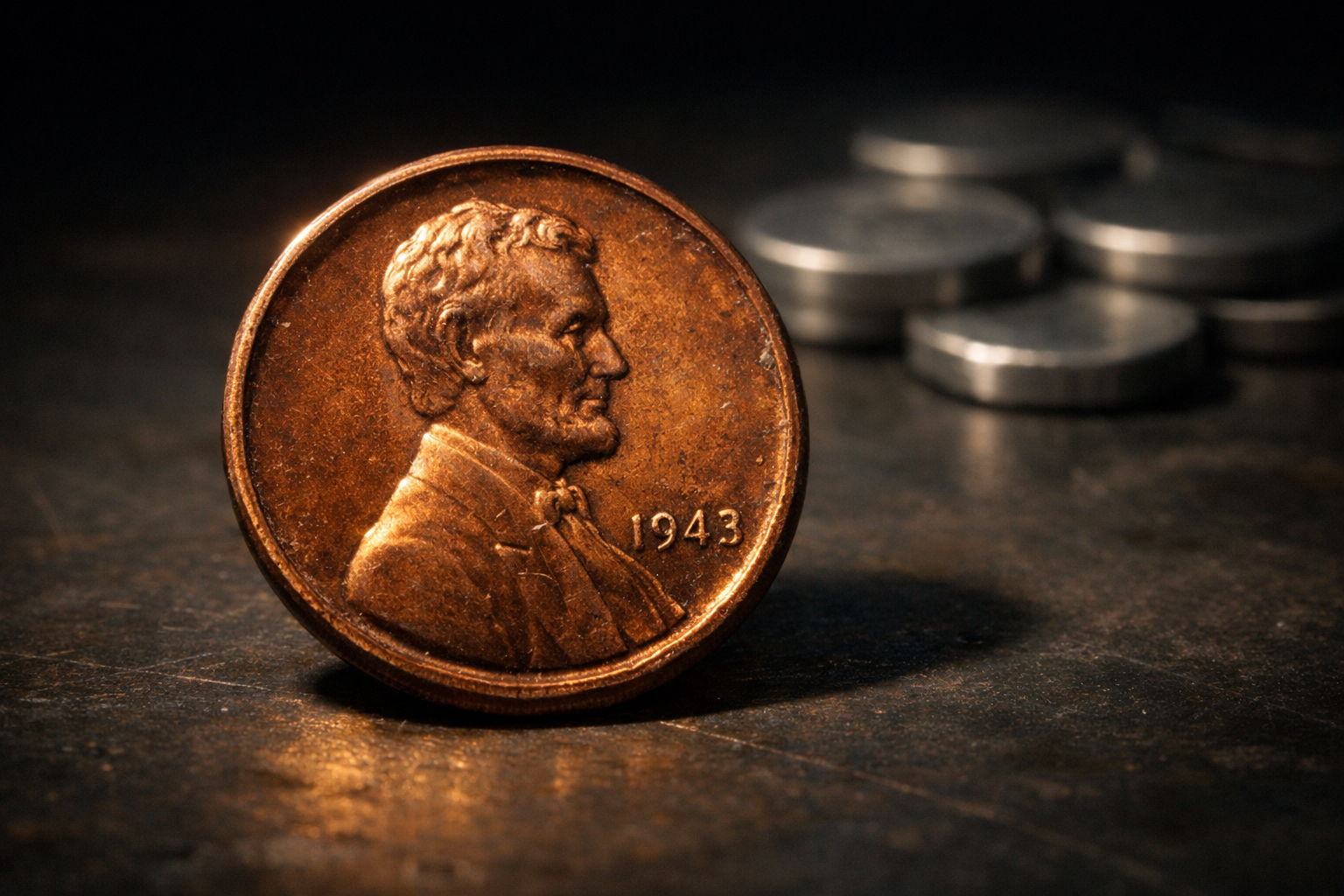
By 1943, the world was at war — and so was the U.S. Mint. Copper, the main ingredient in pennies, was needed for shell casings, wiring, and military equipment. To conserve metal, the Mint decided to strike pennies made of zinc-coated steel instead. They looked silver rather than copper — shiny at first, but prone to rusting quickly.
But in the chaos of wartime production, a handful of leftover copper planchets from 1942 remained in the presses. When the dies were changed for the new year, these copper blanks were struck with the 1943 date — creating one of the rarest minting accidents in American history.
🪙 A Coin That Shouldn’t Exist
The number of genuine 1943 copper cents is estimated to be fewer than 20 pieces across all U.S. mints. Each was produced by accident — a copper blank that somehow escaped detection amid billions of steel coins. They entered circulation unnoticed, vanishing into the pockets of ordinary Americans buying coffee and newspapers.
For years, collectors dismissed reports of “copper 1943 pennies” as hoaxes — until one surfaced in 1947. It was authenticated by the Mint itself, confirming the impossible had truly happened.
💰 From One Cent to One Million
The discovery sparked a nationwide treasure hunt. Schoolchildren and collectors alike began inspecting every penny they found. By the 1960s, confirmed examples sold for thousands of dollars. Today, depending on condition, a genuine 1943 copper cent can sell for over $1,000,000.
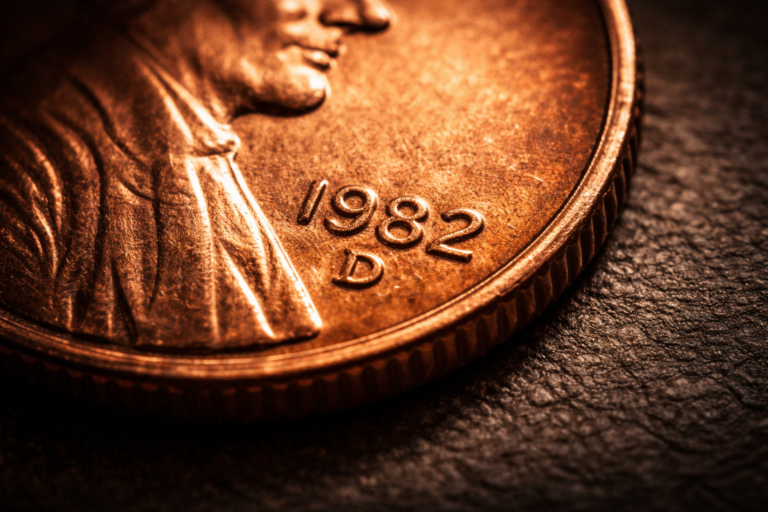
One of the finest known examples, from the Denver Mint (marked “D”), sold for over $1.7 million at auction — making it one of the most valuable U.S. coins ever.
🔍 How to Spot the Real Thing
Because of its fame, the 1943 copper cent has been copied endlessly. Most “copper” 1943 pennies are actually steel coins coated with bronze, or altered 1948 coins with the “8” reshaped into a “3.” A simple magnet test helps: genuine 1943 copper cents are non-magnetic, while the steel fakes will stick immediately.
Weighing is another clue — the real copper coins weigh around 3.11 grams, compared to 2.70 grams for the steel versions.
⚖️ Reality Check
Not every brownish 1943 penny is a treasure. Many are just discolored steel cents, or counterfeits made by coating steel with copper. Authentic examples have been verified by experts like PCGS and NGC — and almost every real one is already known to the numismatic community.
🔥 Final Verdict
The 1943 Copper Cent is more than an error — it’s a symbol of history, chance, and the chaos of war. From forgotten metal to national legend, it reminds us that even a penny can defy the odds and become priceless. A million-dollar mistake — and one of the greatest coin stories ever told.
Visit HistoraCoin.com for more legendary stories from the world of rare coins.