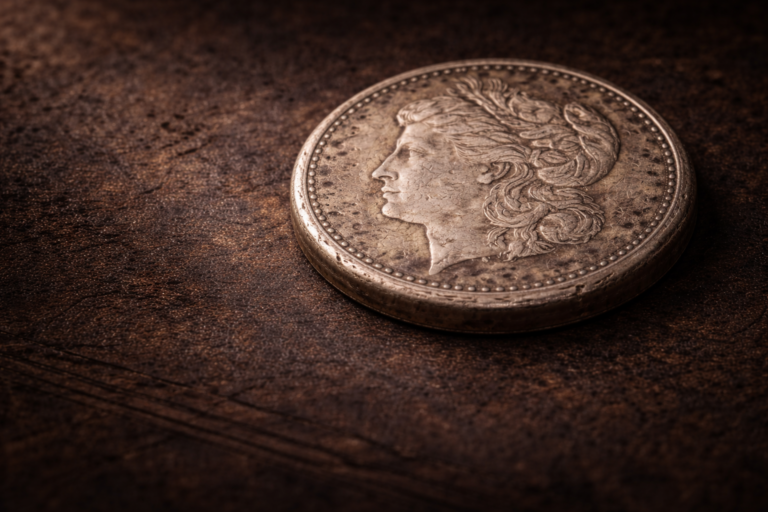
The 1977 U.S. Penny – A Copper Coin with a Big Story

The 1977 U.S. Penny — A Copper Coin with a Big Story
It looks like just one cent… but the 1977 U.S. penny carries a hidden story about copper, costs, and change. In the 1970s, Lincoln cents were still made of 95% copper (about 3.11 g each). As copper prices climbed into the early 1980s, the metal inside a penny nearly cost more than the coin’s face value. That pressure is why, in 1982, the Mint switched to cheaper zinc planchets with only a thin copper coating. If you’re curious about the 1977 U.S. penny value today — and why collectors still like these pre-1982 “real copper” cents — this guide is for you.
Watch the short video: The 1977 U.S. Penny — A Copper Coin with a Big Story.
Why the 1977 Penny Matters
Think of the 1977 Lincoln cent as the calm before a storm. It was part of the last era of U.S. “copper pennies” — everyday coins that actually carried meaningful metal content. A few years later, rising commodity prices forced a national rethink of what a penny should be made of. This little coin is a snapshot of that moment in money history.
Design & Specs
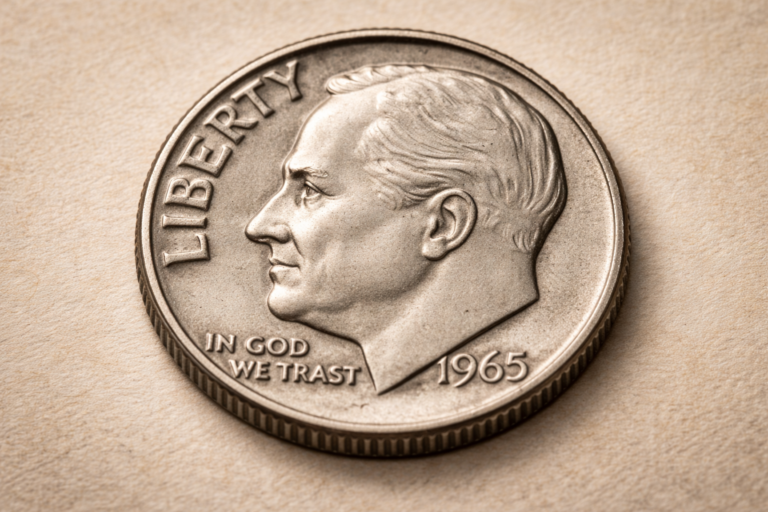
- Obverse: Abraham Lincoln portrait (Victor D. Brenner’s classic design).
- Reverse (1977): Lincoln Memorial with tiny Lincoln statue visible between the columns.
- Metal: 95% copper, 5% tin & zinc (bronze alloy).
- Weight: ~3.11 g (vs. zinc cents since 1982 at ~2.5 g).
- Mints: Philadelphia (no mint mark), Denver (D), San Francisco (S, proof only).
1977 U.S. Penny Value (2025)
Most 1977 pennies are common. Their value depends on grade (wear), eye appeal, and whether they’re a special issue (like proofs) or a notable error.
| Type / Condition | Typical Value | What to Expect |
|---|---|---|
| 1977 (P) — Circulated | $0.02 – $0.10 | Modest premium over face; copper content and nostalgia. |
| 1977 (P) — Uncirculated (BU) | $1 – $8+ | Brighter luster and minimal marks bring higher prices. |
| 1977-D — Circulated | $0.02 – $0.10 | Very common; small premium for nicer examples. |
| 1977-D — Uncirculated (BU) | $1 – $8+ | Red (RD) color and sharp strikes get the best bids. |
| 1977-S — Proof (cameo/deep cameo) | $3 – $15+ | From proof sets; mirror fields and frosted devices add appeal. |
| Notable Mint Errors (off-center, clips, wrong planchet) | $25 – $200+ (wide range) | Value scales with severity, eye appeal, and certification. |
Quick Checks: Is Yours Special?
- Weight: About 3.11 g = correct copper planchet. A clear sign it’s pre-1982 composition.
- Color: “RD” (bright red) uncirculated coins tend to sell for more than brown (BN).
- Strike & Marks: Fewer contact marks and a sharper strike raise the grade — and value.
- Proof vs. Business Strike: Mirror-like fields (1977-S proof) bring premiums.
Copper vs. Zinc — The 1982 Shift
By the early 1980s, copper prices surged. Producing a 95% copper cent was no longer economical. In 1982, the U.S. Mint changed composition to a zinc core with a thin copper plating. That’s why many collectors set aside pre-1982 coins like the 1977 cent — they’re the last full-copper generation of Lincoln cents.
Common Misunderstandings
- “All copper pennies are rare.” Not true — 1977 is common. Rarity comes from condition, proof status, or dramatic errors.
- “Cleaning helps.” It doesn’t. Cleaning can destroy value. Keep original surfaces intact.
- “Any red coin is valuable.” Red helps, but grade and overall eye appeal still decide the price.
Reality Check
Most 1977 pennies are worth only a bit over face value, especially if circulated. The real bumps come from high-grade uncirculated (bright red), certified proofs, or dramatic mint errors. If you’re unsure, compare multiple price guides and consider third-party grading for top candidates.
Final Verdict
The 1977 U.S. penny is more than spare change — it’s a pure copper time capsule from America’s pre-zinc era. While typical examples aren’t rare, they’re a great entry point for new collectors and a nostalgic keep for anyone who loves real copper coins.
FAQs
What is the 1977 U.S. penny value today?
Circulated: about $0.02–$0.10. Uncirculated (BU): roughly $1–$8+. Proof (1977-S): $3–$15+. Dramatic mint errors can be much higher.
Is the 1977 penny made of copper?
Yes. It’s a 95% copper bronze alloy (~3.11 g). The switch to zinc happened in 1982.
Should I clean a 1977 penny before selling?
No. Cleaning usually lowers value. Store it safely and consider grading if it appears high-grade or proof.
This article was compiled by historacoin.com.