The Chinese Cash Coins That Echoed Through Dynasties

Estimated reading time: 12 minutes.
The Chinese Cash Coins That Echoed Through Dynasties
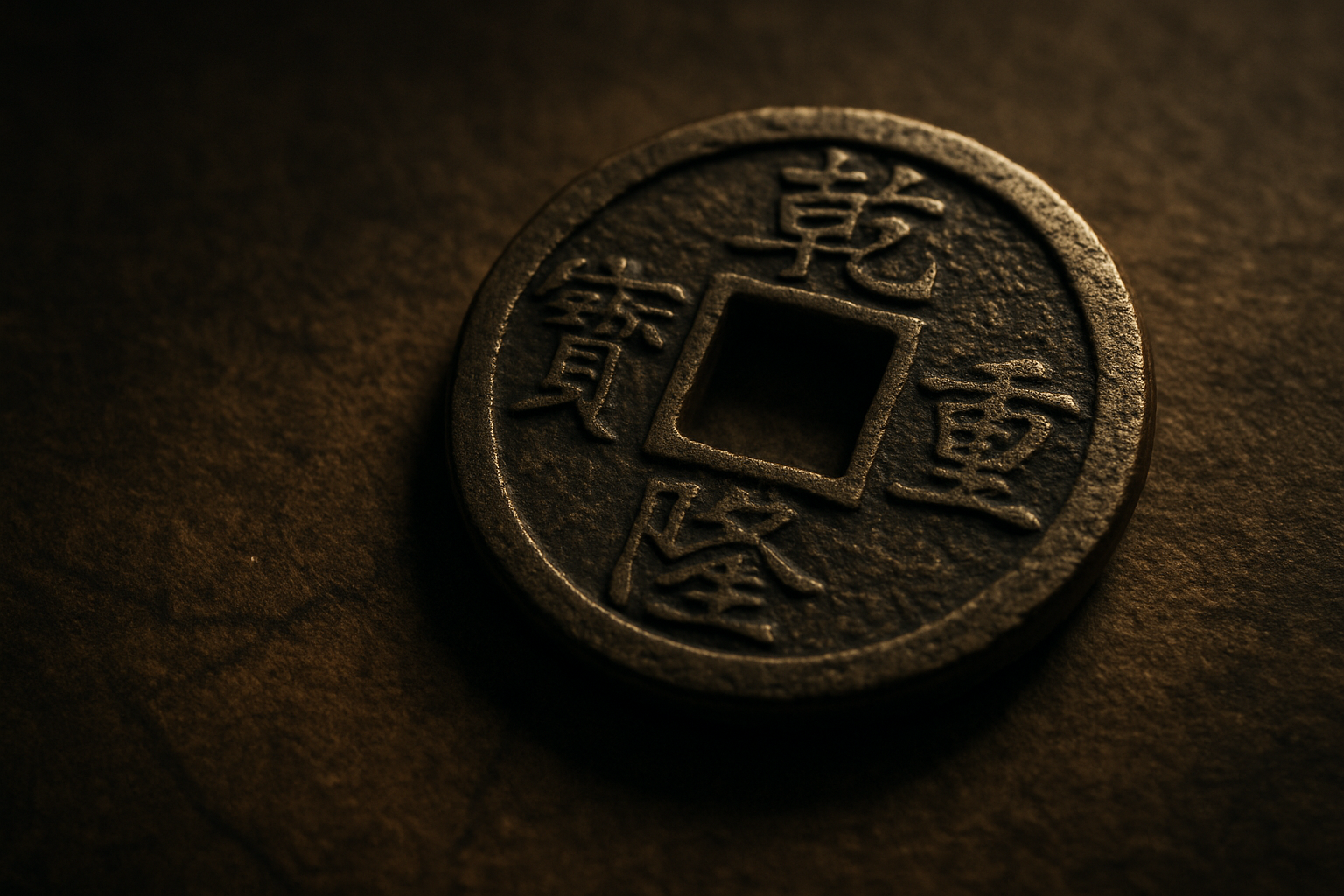
Long before paper notes, digital wallets, or even milled coinage, China relied on a simple yet powerful monetary form that would endure for more than two thousand years. The Chinese cash coin, with its round body and square central hole, became one of the most recognizable and persistent currency designs in human history. It passed through the hands of emperors and peasants alike, surviving wars, reforms, and the rise and fall of entire dynasties.
These coins were not merely tools of exchange. They were symbols of order, philosophy, and continuity. Their shape reflected ancient cosmology, their inscriptions reflected imperial authority, and their material wear recorded centuries of daily life. To study Chinese cash coins is to trace the rhythm of Chinese civilization itself.
This article explores how Chinese cash coins echoed through dynasties, how their design evolved while remaining fundamentally unchanged, and why these humble pieces of metal continue to fascinate historians and collectors today.
Origins of the Cash Coin System
The earliest forms of Chinese coinage emerged during the Zhou period, evolving from bronze objects shaped like tools into standardized round coins. By the Qin dynasty, the concept of a unified cash coin system was firmly established. The state recognized that consistent currency was essential for taxation, military logistics, and centralized power.
When the Han dynasty expanded trade routes and administrative control, cash coins became the backbone of the economy. Their standardized form allowed them to circulate across vast regions, linking distant provinces into a single economic network.
The Meaning Behind the Round Coin and Square Hole
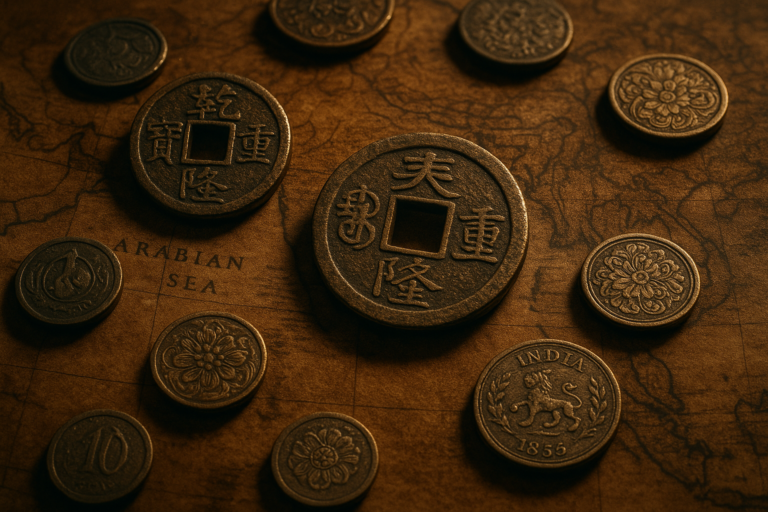
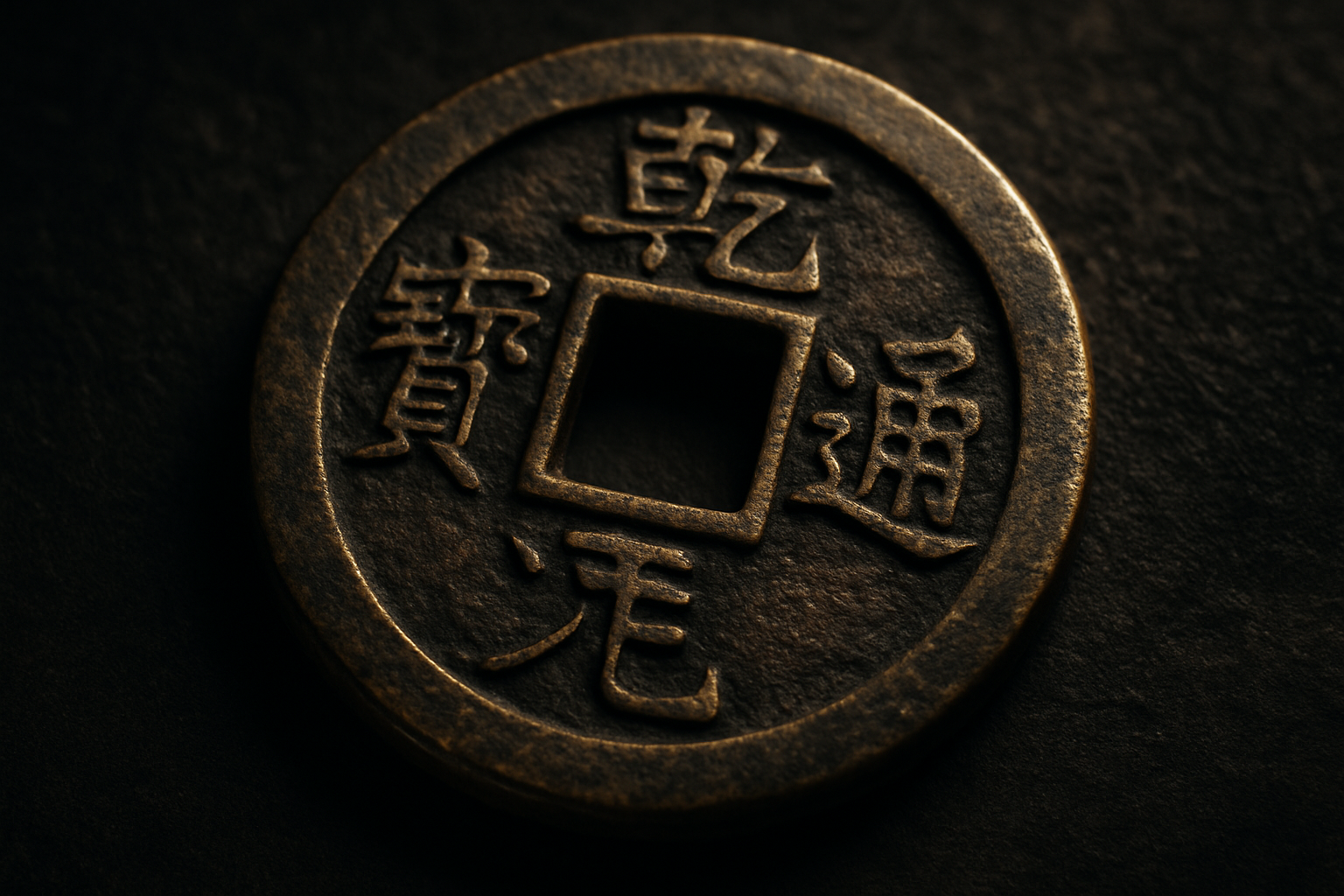
The design of Chinese cash coins was never arbitrary. In traditional Chinese cosmology, the circle represented heaven, while the square symbolized earth. Every coin therefore embodied harmony between cosmic forces. This philosophy transformed everyday currency into a quiet expression of universal order.
The square hole also served a practical purpose. Coins could be strung together on cords, allowing merchants and officials to transport large sums efficiently. A string of coins became a unit of measurement in itself, shaping trade practices for generations.
Cash Coins Across Dynasties
From the Tang and Song dynasties to the Ming and Qing, cash coins adapted to political change while preserving their core identity. Each dynasty introduced new inscriptions, calligraphic styles, and minting practices, yet the familiar round-and-square form remained untouched.
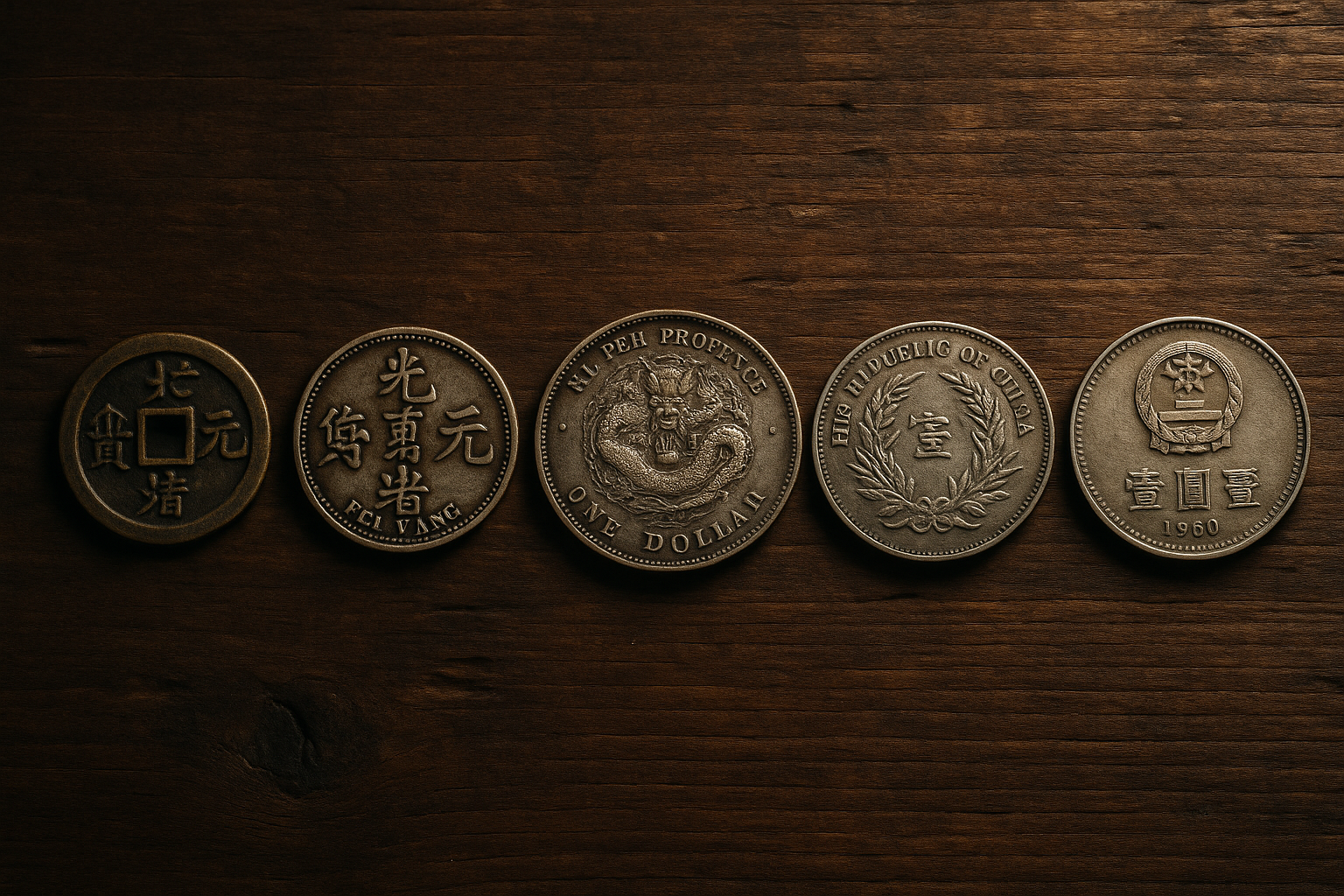
This continuity gave the population a sense of stability even during times of upheaval. A farmer in the Ming dynasty handled coins remarkably similar to those used centuries earlier, reinforcing the idea that the empire itself was enduring and timeless.
Coins in Daily Life and Trade
Cash coins touched every level of society. They paid soldiers, funded temples, and circulated through markets filled with rice, silk, and tea. Even outside China, these coins traveled along trade routes, influencing neighboring economies and appearing in distant archaeological finds.
Over time, the surfaces of these coins wore smooth, bearing silent witness to countless transactions. Each scratch and softened edge represents human interaction, repeated millions of times across centuries.
Why Cash Coins Endured for Centuries
Few monetary systems in history achieved the longevity of Chinese cash coins. Their endurance came from a balance of practicality, symbolism, and state authority. By aligning currency with cultural philosophy, successive governments ensured acceptance and trust among the population.
Even as new forms of money eventually emerged, the legacy of cash coins remained deeply embedded in Chinese culture. Their design influenced later coinage, art, and even language, leaving an imprint far beyond economics.
Frequently Asked Questions
Why do Chinese cash coins have a square hole?
The square hole symbolized earth and allowed coins to be strung together for transport.
How long were cash coins used in China?
Variations of cash coins circulated for over two thousand years, across numerous dynasties.
Reality Check
While cash coins appear simple, they represent one of the most sophisticated long-term currency systems ever created. Their survival was not accidental but the result of careful design and cultural integration.
Final Verdict
Chinese cash coins are more than relics. They are echoes of dynasties, carrying the philosophy, governance, and daily life of imperial China in their enduring form. Few objects tell such a long and continuous story in such a small space.
Explore more historical coin stories on HistoraCoin.

HistoraCoin Team
The HistoraCoin Team researches and documents historical stories behind world coins, uncovering the hidden narratives, artistic decisions, and cultural moments preserved in metal.