The Dutch Guilder – The Coin That Crossed Empires
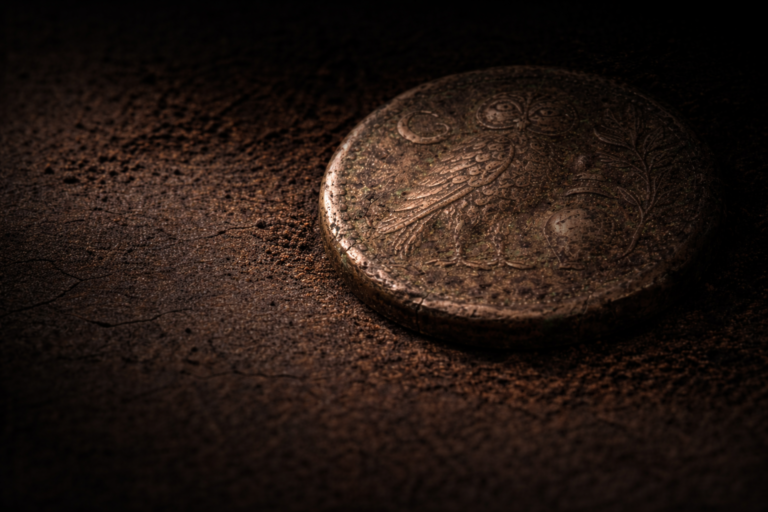
Imagine walking through the canals of Amsterdam or the busy docks of Rotterdam in the early 1900s. In the palm of a sailor, a trader, or a market vendor might lie a simple coin — a guilder. It passed quietly from hand to hand, crossing borders and oceans, carrying a story far bigger than itself. Years later, that same coin may sit forgotten in a drawer — yet its silent journey echoes the rise and fall of empires, the pulse of trade, and the lives of millions.
This is not a collector’s catalogue. It is a journey across time, told from the perspective of metal and memory. The Dutch guilder coin was never flashy. It wasn’t minted in gold (always). But through decades of use, travel, and change — it became a witness to history. In this article, we follow its path from mint to pocket, from port cities to distant shores, and from everyday transactions to the silent legacy it carries today.
Estimated reading time: 9-10 minutes
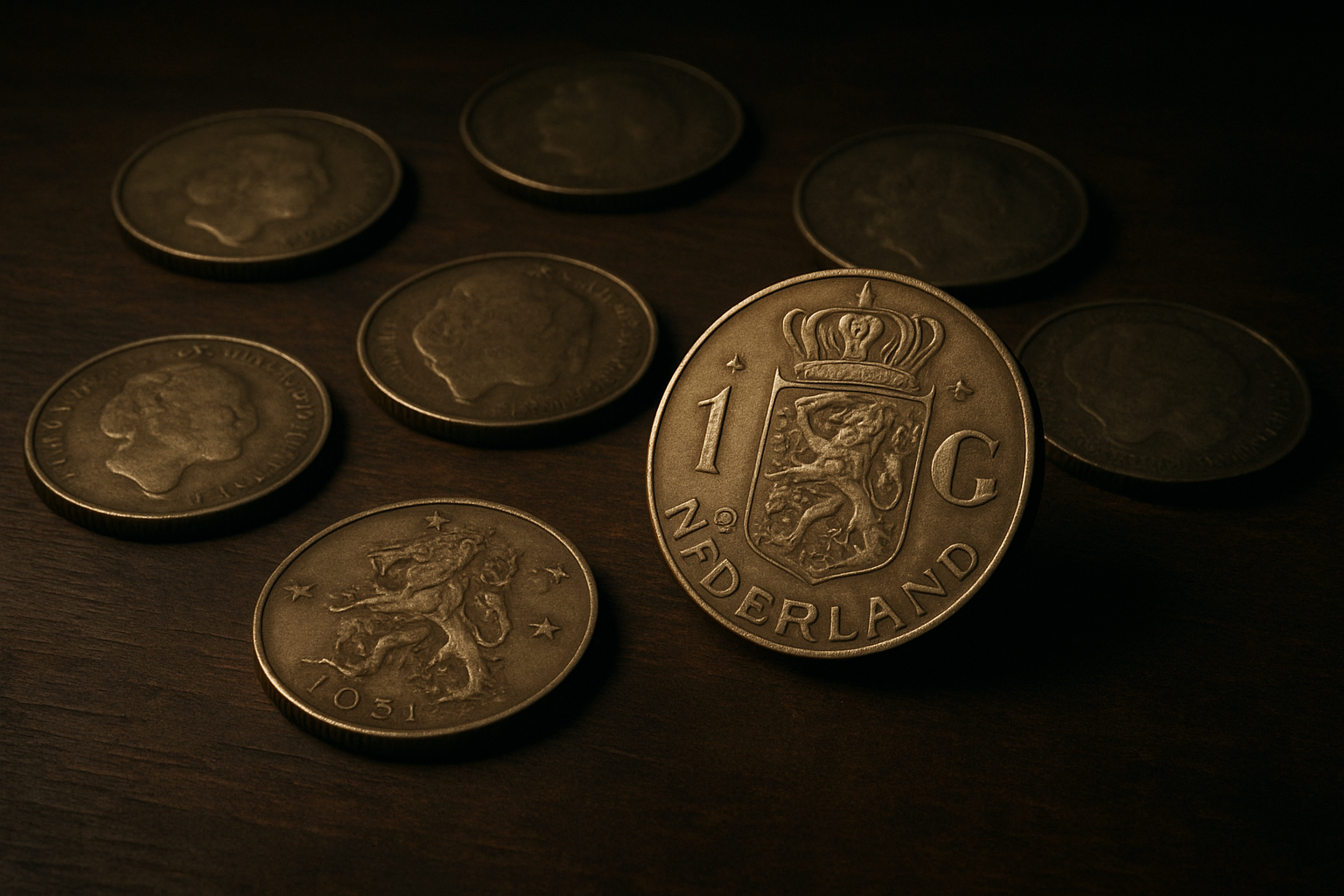
Image credit: HistoraCoin
Metal Across Winds and Borders
The Dutch guilder is not just a coin — it is a metal witness to centuries of change, trade, and human movement. From the quiet mint halls in old Netherlands to the bustling ports of Amsterdam and Rotterdam, guilders left their birthplace and travelled far. Sailors, merchants, immigrant workers — all held them in their hands. Some coins landed in markets in far-flung colonies, others stayed in small shops in European towns. Yet each carried a silent promise: that its journey would survive as long as someone remembered its origin.
From Mint to Market — Early Years of the Guilder
When a guilder left the mint, it was newly struck, crisp, and ready to earn its place in everyday life. It might be packed into rolls destined for markets, shops, and cash drawers. In those early years, the coin’s surface was smooth and sharp; letters clear, edges crisp. It was meant to move — not to be admired.
As it moved, days of clinking in tills and pockets slowly began to shape it. Tiny scratches from coins rubbing against each other, small dents from being dropped onto wooden floors, faint traces from being jostled among keys and other small metal objects — all these details added up. The coin bore these marks like scars, a record of service seldom noticed.
Trade, Travel, and the Dutch Coin in a Global World
The Dutch guilder’s story spans centuries when the Netherlands had a global reach. Through trade routes, colonial expeditions, and merchant voyages, the coin travelled across seas — from Europe to Asia, Africa, the Americas. It changed hands in marketplaces in distant lands, carried in the wallets of travellers and migrants, and sometimes lost or kept as a memento of journeys far from home.
In those crossings, the guilder became more than a national currency. It became a small bridge between cultures — a bit of Dutch heritage carried into foreign streets, foreign shops, foreign languages. When you find an old guilder coin today in a distant country, it carries a silent story of connection — between continents, between lives, across generations.
Everyday Life — Markets, Cafés, Streets
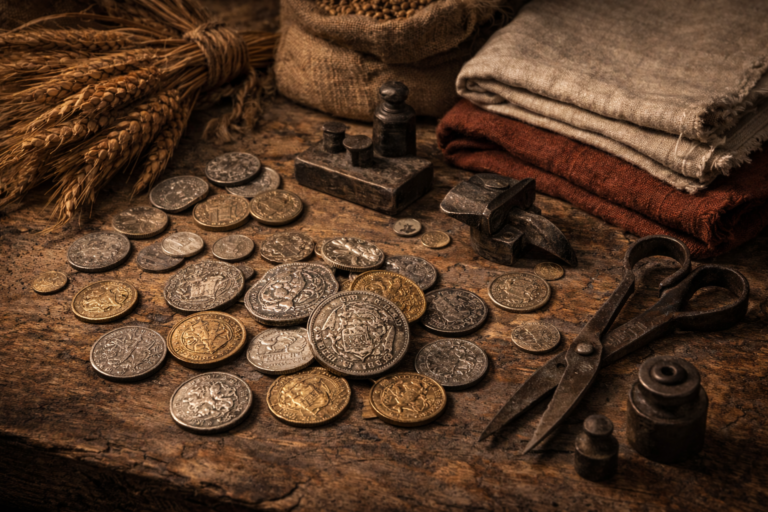
Back in Europe, guilders paid for simple things: a warm loaf of bread, a newspaper at a kiosk, a ticket on a tram, a cup of coffee in a small café, or a late-night snack after theatre. They rattled in coin trays, sat in pockets on busy streets, slid across counters covered with old wood or worn stone. They moved through rain and snow, across cobblestones and city squares, witnessing the rhythm of everyday life.
Over time, some guilders stopped circulating. Shops replaced tills with banknotes, payment habits shifted, new currencies came and went. But some coins escaped destruction, tucked away in jars, drawers, or dusty boxes — waiting silently for someone curious enough to lift them up and look closely.
Design and Symbolism on the Guilder
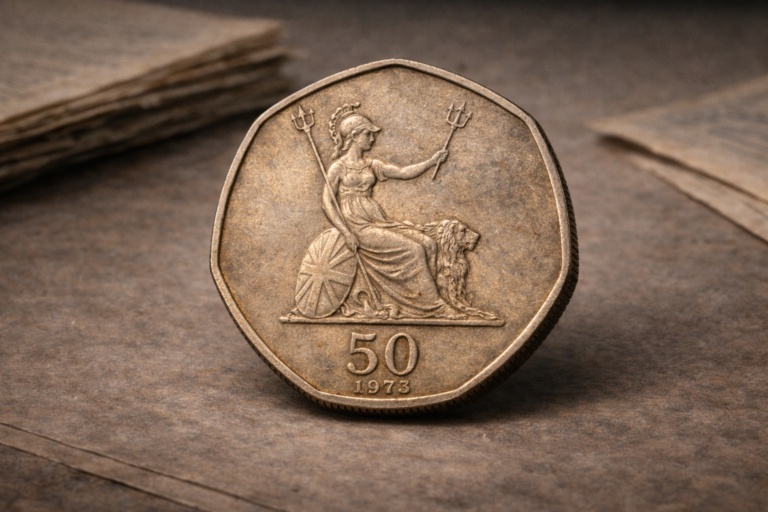
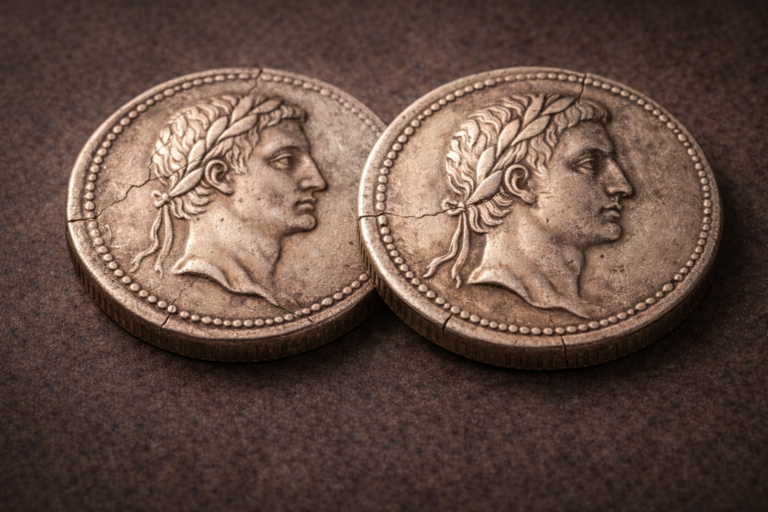
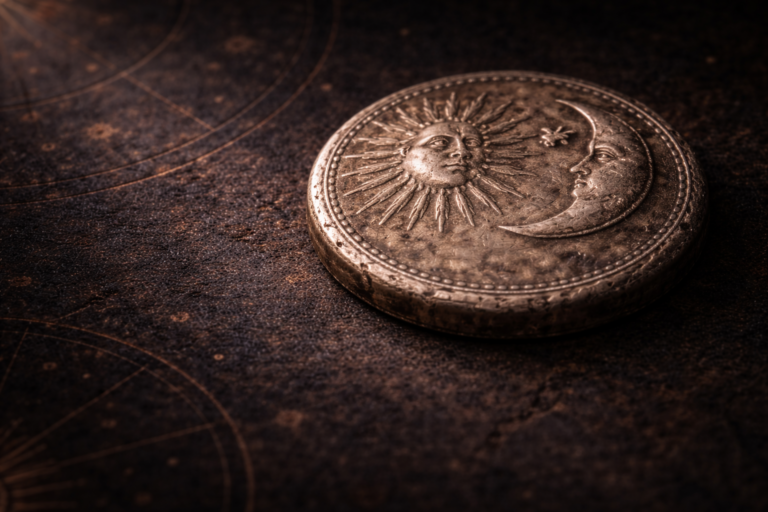
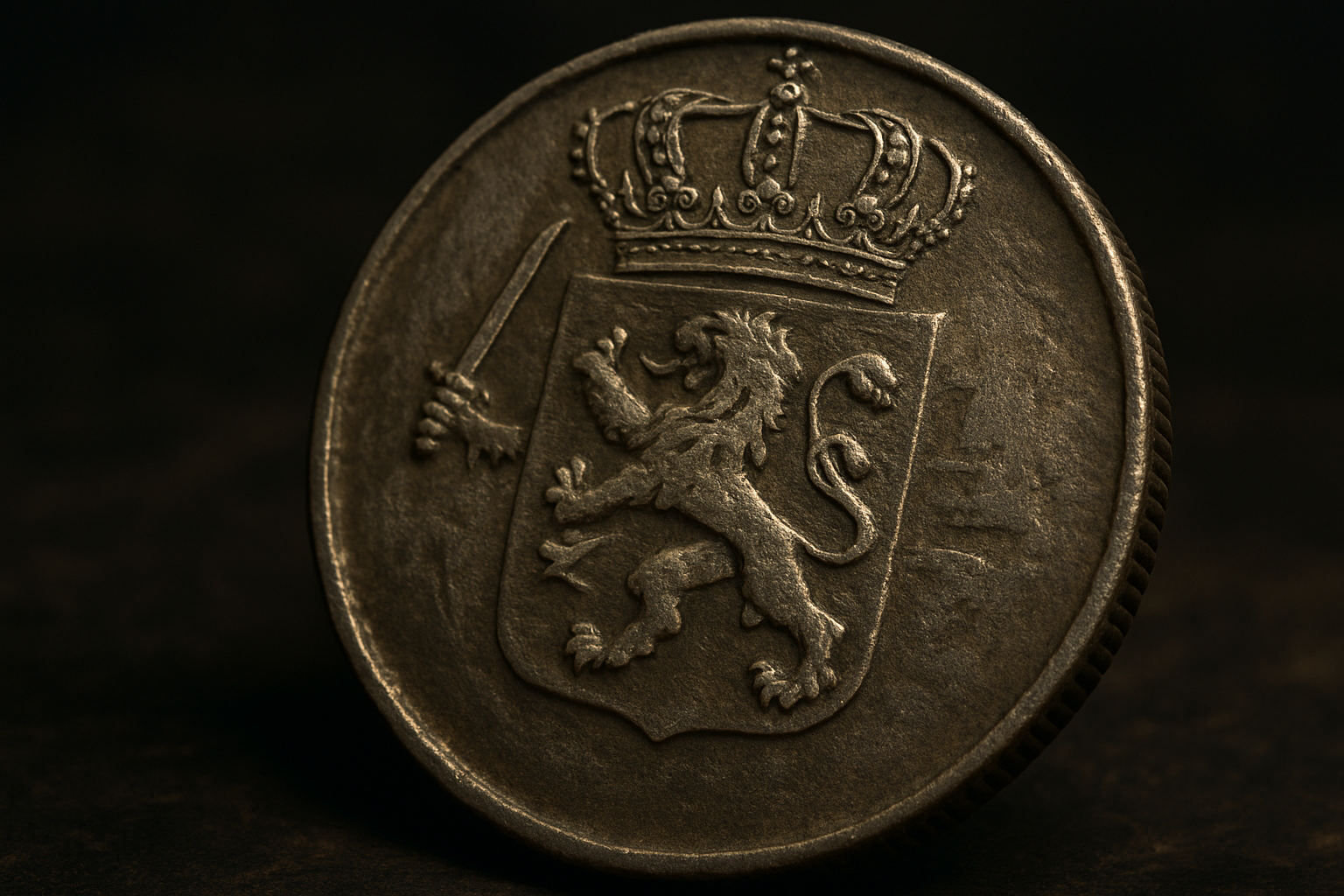
Looking carefully at a guilder coin today, you can see more than worn inscriptions. You can read the choices of an era — how a nation wanted to present its identity in metal. Dates, coat of arms, national symbols, classic European motifs or maritime emblems — each element carried meaning. The shape of letters, the depth of relief, even the sound it made when dropped — all spoke of the values, economy, and memories of its time.
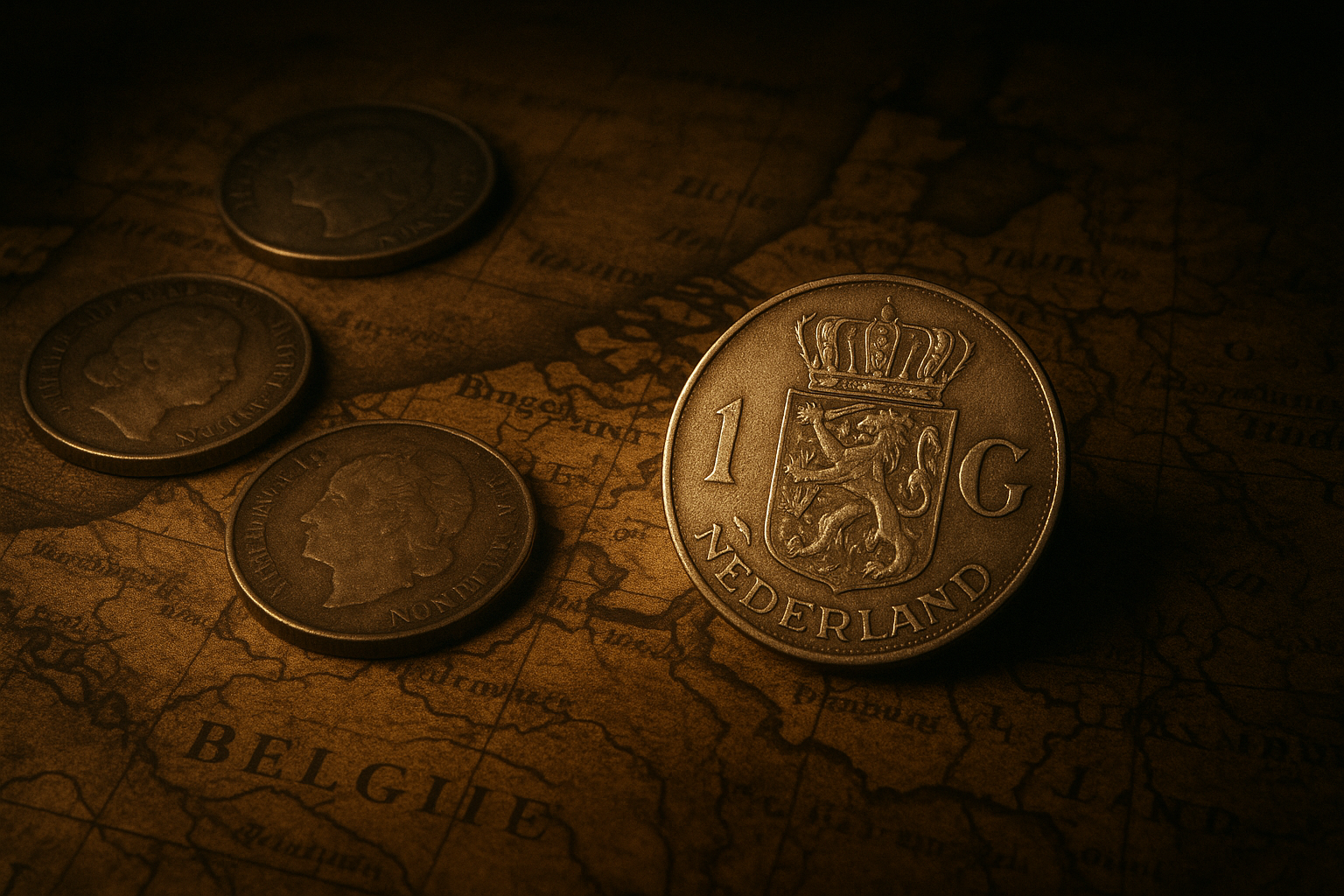
Image credit: HistoraCoin
The Fading Era — From Common Coin to Relic
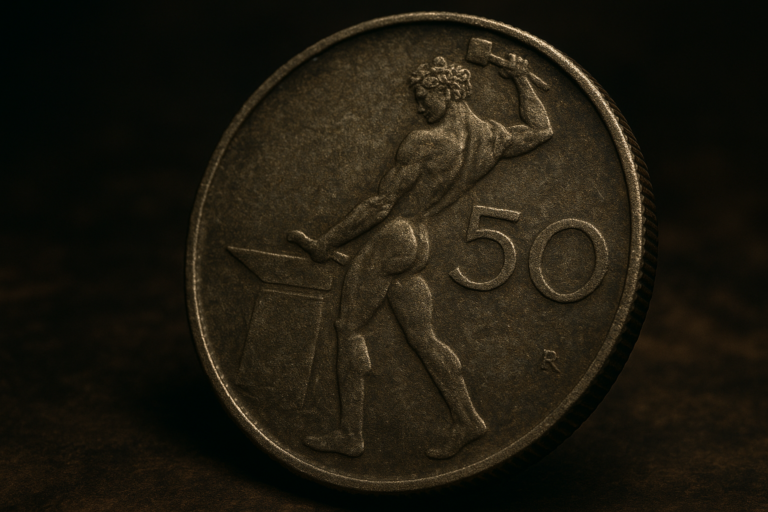
As decades passed and world economies evolved, the guilder gradually lost its old place. Banknotes replaced many denominations, new systems emerged, and metal coins began to fade from daily use. For the 50-cent Gulfier, or older denominations, this shift meant fewer hands passing them on, quieter pockets, and eventually, many coins laid to rest — forgotten, ignored, or tucked away.
Some pieces ended up forgotten in attics, some lost in travel, others melted or recycled with time. A few survived by chance — preserved by collectors, inherited through generations, or simply kept out of circulation. These survivors now carry a different weight: not economic, but emotional and historical.
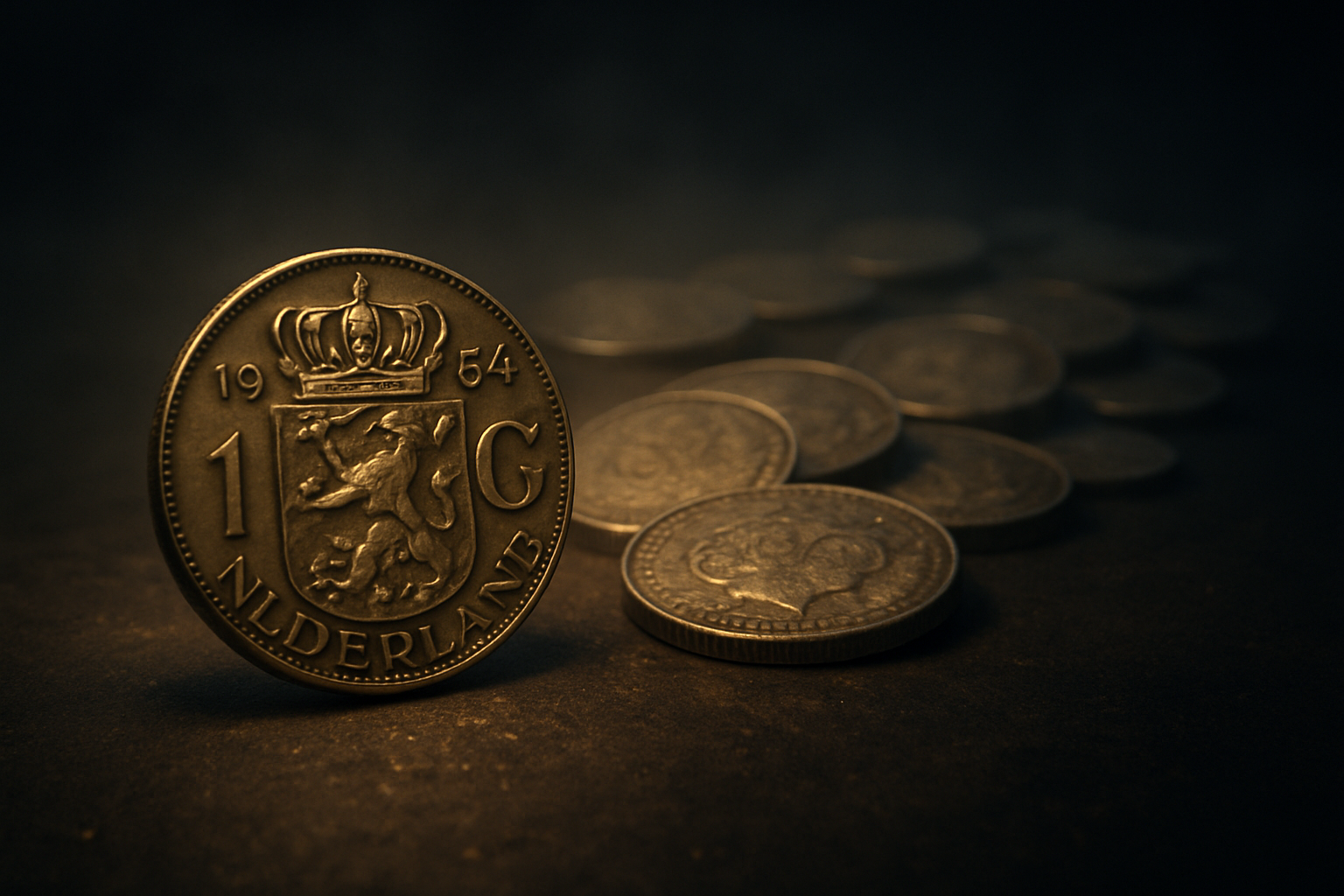
Image credit: HistoraCoin
From Pockets to Memories — The Legacy of a Coin
Holding an old guilder now doesn’t remind you of prices. It reminds you of journeys — across rivers, seas, cities, markets, cultures. It reminds you of shared history, of lives lived under different coins. When you turn a guilder in your fingers, you might imagine the hands that held it, the roads it travelled, the languages it heard, and the moments it witnessed but never recorded.
Final Echo — Holding History in the Palm of Your Hand
The Dutch guilder may no longer buy bread or tram tickets. It may sit quietly in a drawer somewhere, far from the clink of tills and the chatter of markets that once defined its existence. But when you pick it up, you are holding more than a coin. You are holding a fragment of human history — a story of travel, change, identity, and memory.
For more journeys into the stories behind historical coins from around the world, visit HistoraCoin.