The Story of 20th Century Coins: From Empire to Innovation
The Story of 20th Century Coins: Tales in Every Pocket
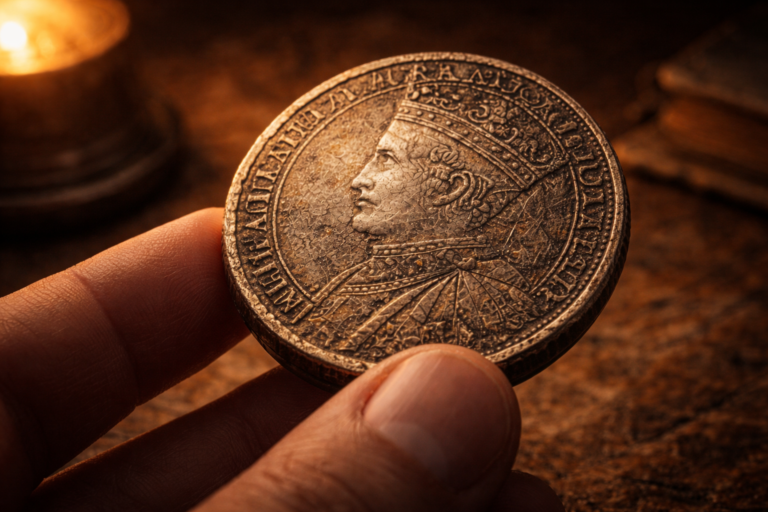
Have you ever held an old coin and wondered, “Who else carried this? What stories has it seen?” For me, that moment came when my grandfather handed me a silver coin from the 1940s. It wasn’t shiny, it wasn’t rare, but he smiled and said: “This little piece of metal outlived empires, war, and hunger.” Since then, I stopped looking at coins as just money—they became tiny storytellers.
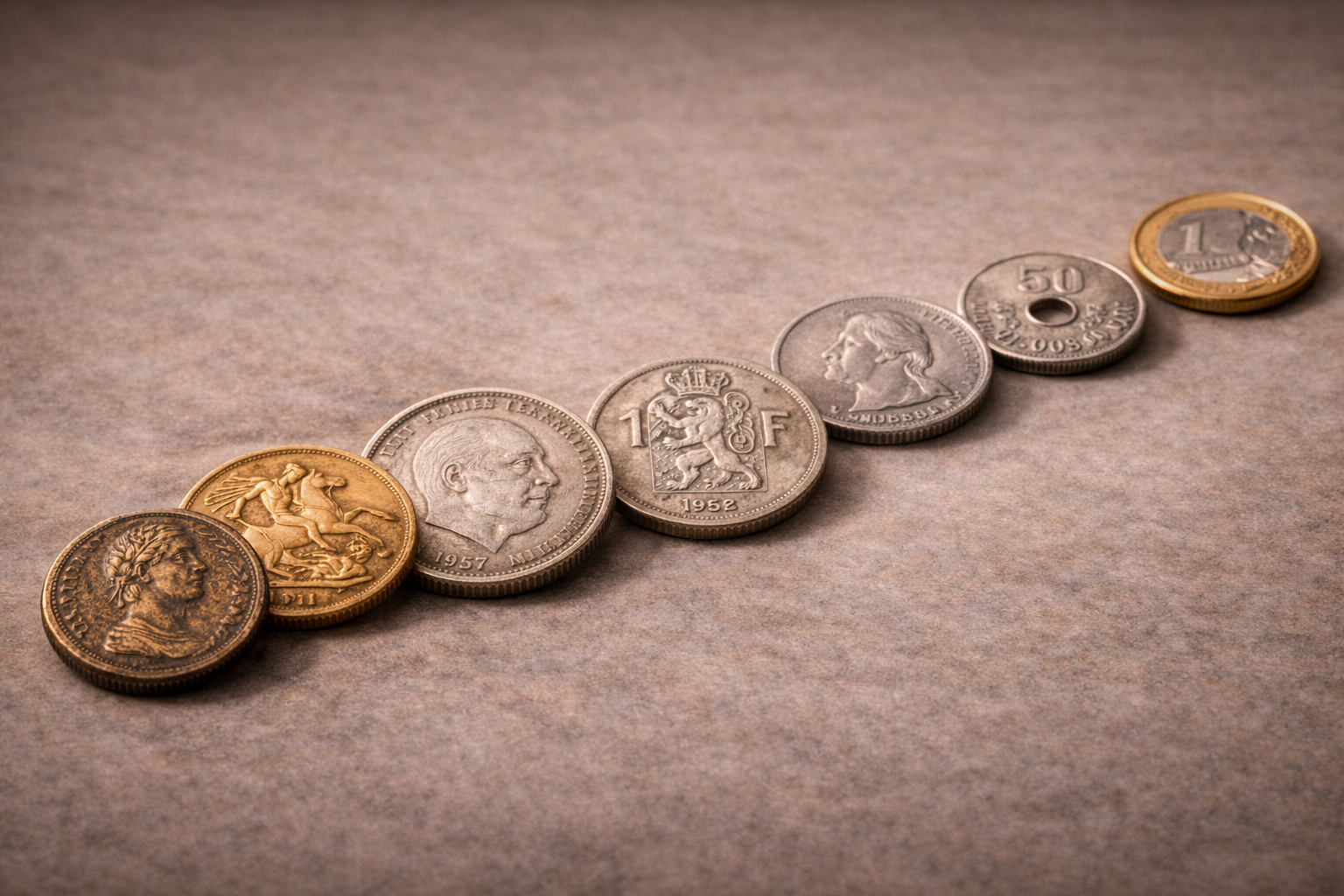
The 20th century was full of drama: two world wars, collapsing empires, new nations, and the birth of modern economies. And coins were there, quietly recording it all. Let’s walk through that century, guided not by dusty books, but by the coins ordinary people kept in their pockets.
Early 1900s: Coins of Empires
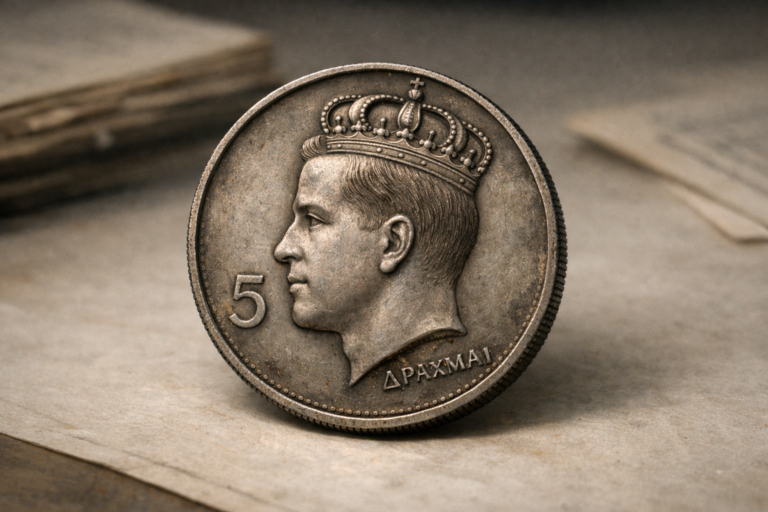
At the dawn of the 20th century, the world still ran on empires. And coins reflected that power. In London, gold sovereigns carried the stern face of Edward VII. In Russia, Tsar Nicholas II looked out proudly from gleaming rubles, unaware of the revolution soon to come.
These coins weren’t just for buying bread. They were tiny pieces of empire. Imagine a farmer in India holding a British rupee—it wasn’t only silver, it was the weight of the crown in his hand.
What Made Them Special?
- Real Value: Coins were tied to gold and silver content.
- Artistic Design: Detailed portraits of monarchs and coats of arms.
- Global Reach: The same coin design circulated across vast colonies.
Collectors today still treasure these coins, not just for their beauty, but because they’re physical proof of a world that no longer exists.
Mid 20th Century: Wars That Changed Coins Forever
By the 1930s and 40s, coins were no longer just about trade—they had become silent witnesses to the world’s darkest and brightest chapters. Two world wars left marks on economies, on people’s lives, and yes, even on the smallest coins.
During World War I, inflation shook nations to the core. In Germany, money lost value so fast that a single loaf of bread could cost millions of marks. Imagine holding a coin in your hand, knowing it wouldn’t even buy you a crust tomorrow. That’s how fragile the world of currency became.
World War II and the Penny That Wasn’t Copper
When World War II came, resources were stretched thinner than ever. Copper, usually used for pennies, was desperately needed for bullets and wires. So in 1943, the U.S. Mint struck pennies from steel coated with zinc. They looked gray instead of red, and people often mistook them for dimes. Today, those steel pennies are prized by collectors as relics of survival.
Britain faced its own challenges. Silver was reduced in coinage to save precious metals for the war effort. Meanwhile, in occupied countries, new coins appeared stamped with symbols of foreign rule. Even pocket change became a reminder of domination.
Coins of Necessity, Not Luxury
I once spoke with an old man at a coin show who carried a small zinc coin from wartime France. He held it gently, like it was something fragile. “It’s not pretty,” he said, “but it fed us.” That coin, worth almost nothing in collectors’ markets, was priceless to him because it held a memory of survival.
These coins weren’t about elegance. They were about necessity. They remind us that even the humblest piece of metal can carry the weight of history.
Key Lessons from Wartime Coinage
- Adaptability: Nations changed metals overnight to save resources.
- Inflation’s Power: Coins can lose value faster than they’re minted.
- Symbols of Occupation: In occupied lands, coins became daily propaganda tools.
Mid-century coins are more than collectors’ items; they’re artifacts of resilience, proof of how humanity adapts when survival is on the line.
Late 20th Century: Modernization and Memory
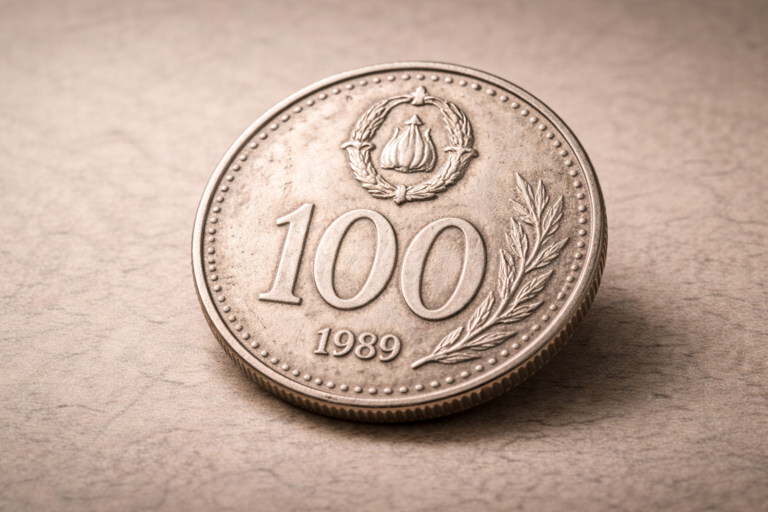
By the 1960s, coins no longer glimmered with silver and gold. The U.S. Coinage Act of 1965 removed silver from dimes and quarters, marking the end of an era. Other nations followed, shifting to cheaper alloys. For everyday people, coins became lighter, simpler, and less “precious” in their feel. But they also became more creative in design and purpose.
Governments began issuing commemorative coins, turning them into small monuments that celebrated achievements and milestones. From Olympic Games to space exploration, coins were suddenly telling stories of hope, pride, and progress. The 1969 commemorative issues for the moon landing, for example, captured a global sense of awe in a tiny disc of metal.
Coins as Symbols, Not Just Currency
By the late 20th century, coins weren’t about their metal value anymore. Instead, they symbolized identity. Newly independent nations minted coins with local heroes, breaking away from colonial imagery. Europe prepared for something even bigger: the Euro, a shared currency for a continent once divided by war.
Coins That Defined the Century
A few coins stand out as legends of the 20th century:
- Walking Liberty Half Dollar (USA, 1916–1947): Considered one of the most beautiful coin designs in American history.
- British 50 Pence (1969): Its seven-sided shape broke traditions and sparked debate.
- Peace Dollar (USA, 1921–1935): A hopeful symbol after the devastation of World War I.
- Euro Coins (1999): A new beginning, uniting countries under one shared currency.
Each of these coins is more than metal—they are time capsules of cultural pride, innovation, and change.
A Collector’s View: Why They Still Matter
For collectors today, 20th century coins are irresistible. They represent diversity, beauty, and history all in one. Some chase the rare wartime pennies; others treasure commemoratives that mark great human achievements.
What makes these coins magical isn’t just rarity or price—it’s the connection they carry. Holding a 1943 steel penny, you can almost feel the urgency of war. Owning a Peace Dollar lets you imagine the relief of a nation longing for peace. Coins are bridges between generations, carrying human stories across time.
Conclusion: A Century Told in Coins
The 20th century was a time of upheaval, invention, and hope. Its coins tell the story in ways textbooks never could. From empire to independence, from silver to steel, from survival to celebration—each coin is a storyteller.
Today, as we swipe cards and trade in digital currencies, the coins of the 20th century remind us of a time when money was tangible, heavy, and deeply tied to human experience. They are more than collectibles—they are history you can hold in your hand.