What Happened to Copper Pennies After 1982
Estimated reading time: 18 minutes
At first glance, nothing seems unusual about modern pennies. They still carry the same portrait, the same color, and the same familiar feel in your hand. But beneath that thin copper surface, something fundamentally changed after 1982.
This was not just a technical adjustment. It was a quiet transformation that reshaped how American coins were made, how they behaved in circulation, and how the government responded to rising material costs. To understand what really happened, you need to look beyond the surface.
What Pennies Were Like Before 1982
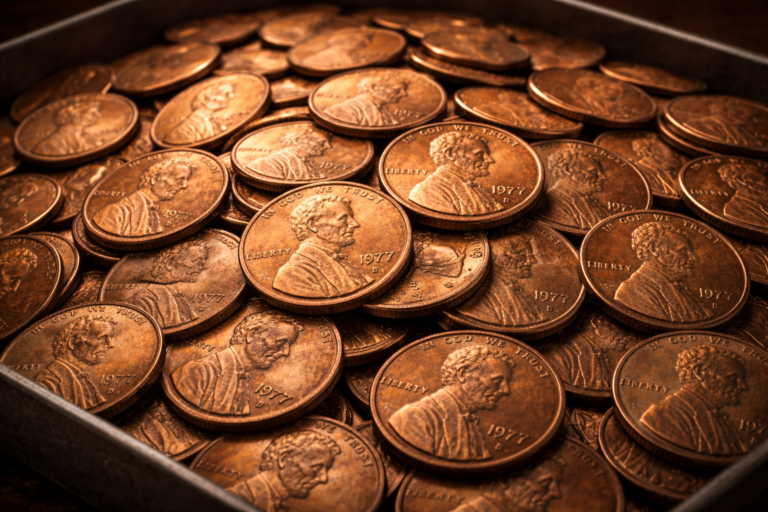
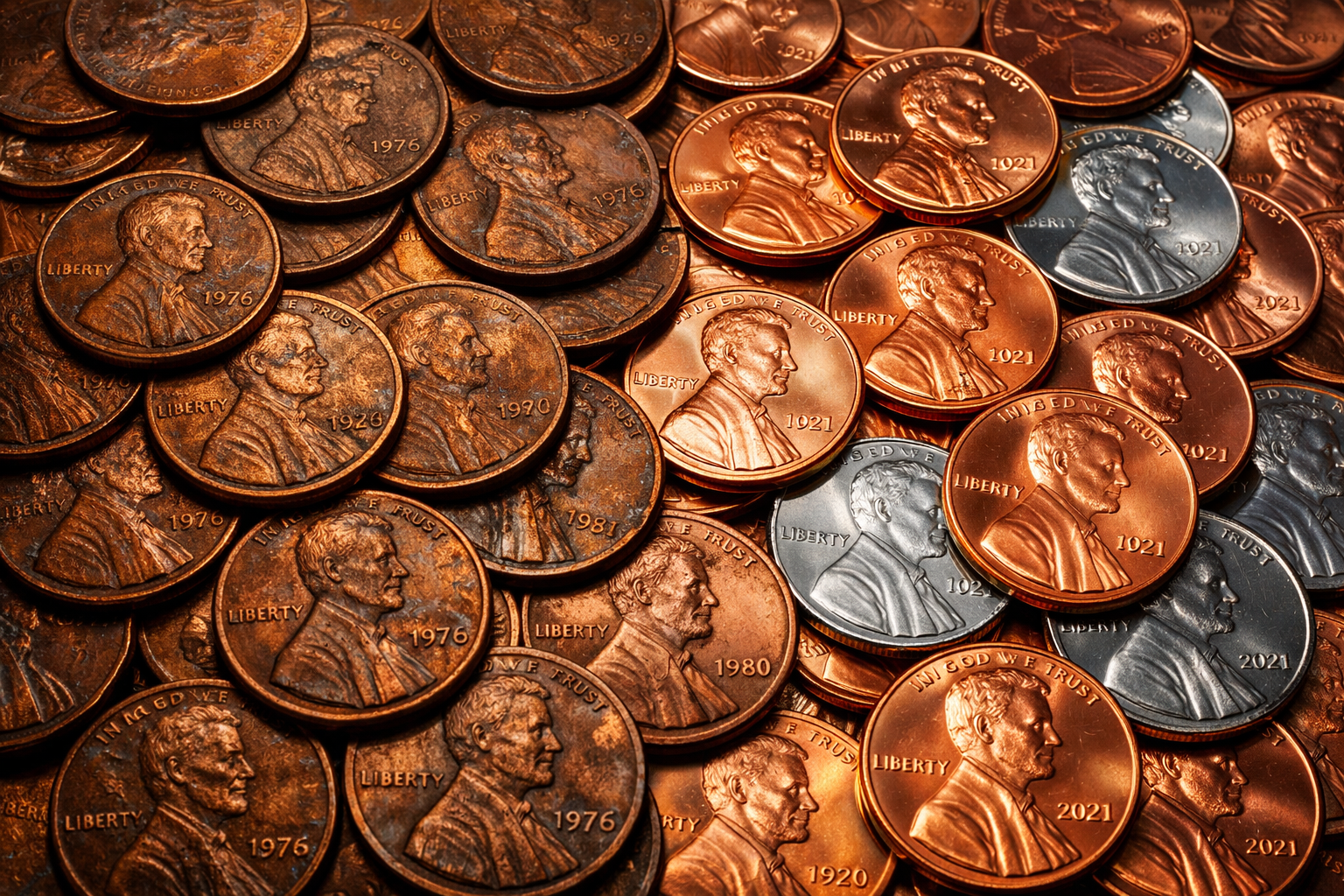
Before the early 1980s, the American penny had a very clear identity. It was a copper coin. Not just in appearance, but in its physical structure. These coins were made of about 95 percent copper, giving them weight, durability, and a distinctive feel.
If you have ever held one of these older coins, you can notice the difference immediately. They feel more solid. They carry a sense of density that modern pennies simply do not have.
This composition was part of a long tradition. As explained in the history of U.S. copper pennies, copper had been central to American coinage for generations.
But by the late twentieth century, that tradition began to face serious challenges.
The Economic Pressure Behind the Change
The biggest reason behind the transformation was not design or aesthetics. It was economics. Copper prices began rising sharply during the 1970s and early 1980s.
This created a dangerous situation. The cost of the metal inside the penny was getting closer to the coin’s actual value. Producing pennies was becoming inefficient and unsustainable.
The U.S. Mint had two options. Either stop producing pennies altogether or find a cheaper material that could replace copper while keeping the coin recognizable.
They chose the second option.
Why 1982 Was a Turning Point
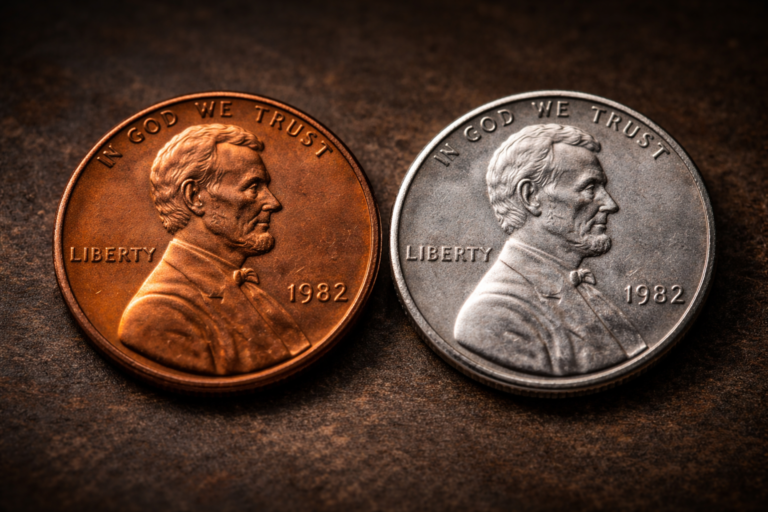
The year 1982 stands out because it was not a clean break. Instead of switching instantly, the Mint produced both copper and zinc pennies during the same year.
This makes 1982 one of the most complex and interesting years in U.S. coin history. It represents a true overlap between two eras.
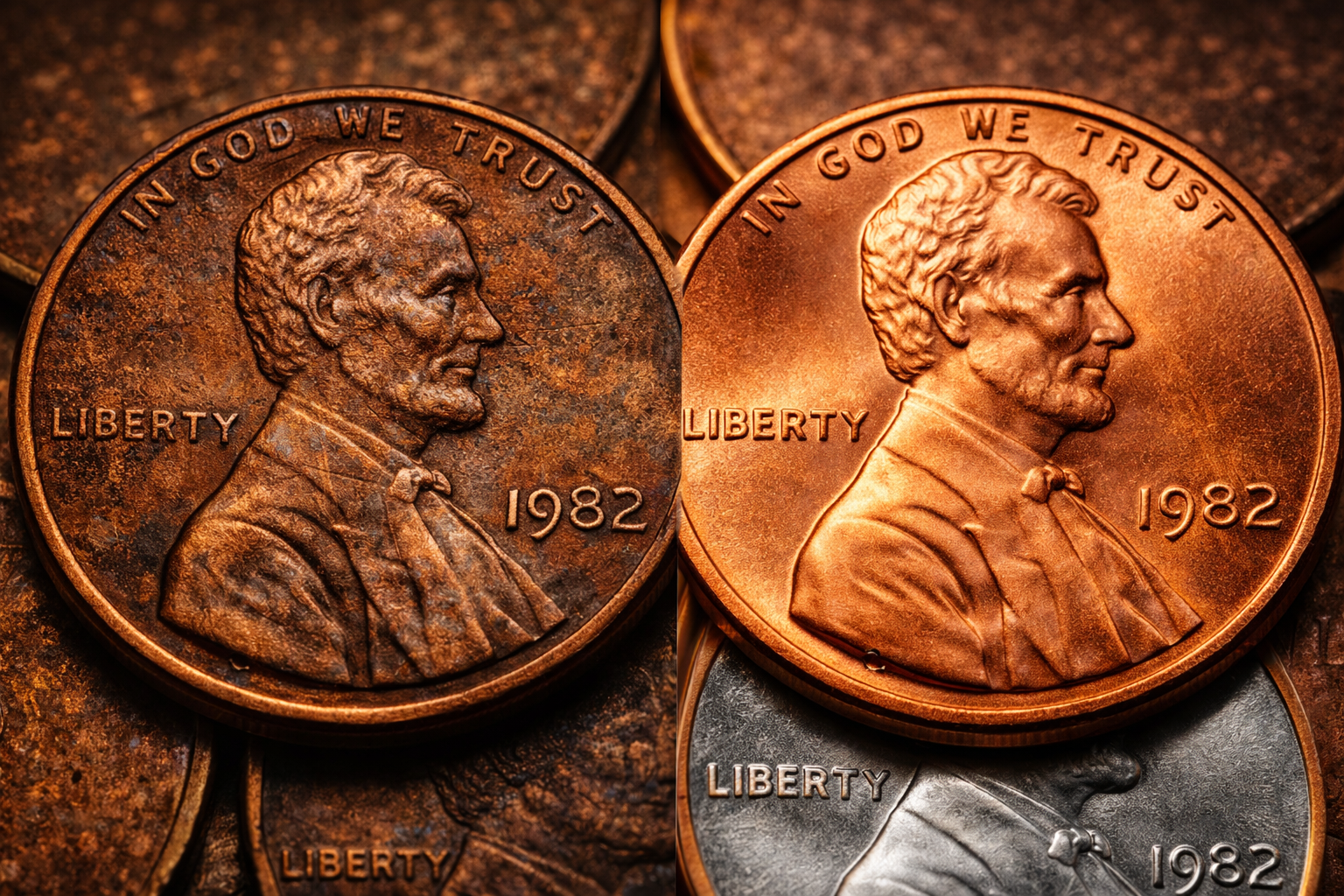
Understanding this moment helps explain why many people today still confuse copper and zinc pennies. If you want to explore that in more detail, you can read how to tell if a penny is copper or zinc.
The New Zinc-Based Penny
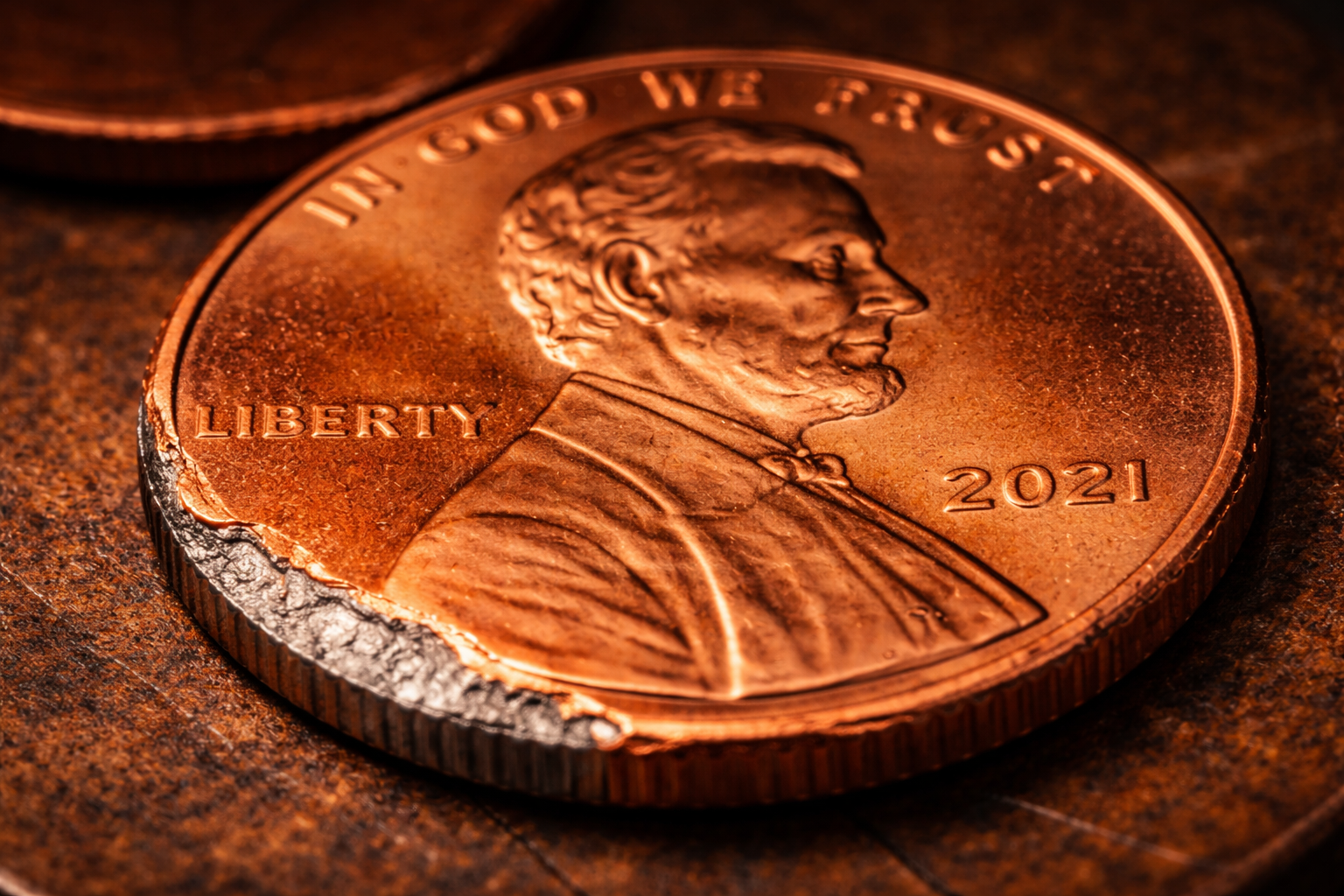
After 1982, the penny changed completely on the inside. Instead of being mostly copper, it became primarily zinc with a thin outer layer of copper.
This allowed the Mint to maintain the traditional look while drastically reducing production costs.
The new structure was simple but effective. A zinc core provided the bulk of the coin, while a thin copper coating preserved its familiar appearance.
Copper vs Zinc Comparison
| Feature | Pre-1982 Penny | Post-1982 Penny |
|---|---|---|
| Core Material | Copper | Zinc |
| Outer Layer | Copper | Copper plating |
| Weight | 3.11 grams | 2.5 grams |
| Durability | Higher | Lower |
How the Change Affected Daily Use
For most people, the transition was invisible. Pennies looked the same, so no one questioned the change.
However, over time, differences became noticeable. Zinc pennies are more vulnerable to damage. When the outer layer wears off, the inner metal can corrode more easily.
This means modern pennies often degrade faster than older copper ones.
Why Pennies Still Look Like Copper
Despite the internal change, the Mint made sure the visual identity stayed the same. The copper coating ensures that pennies still appear identical to older coins.
This design decision avoided confusion and helped maintain continuity in everyday transactions.
In other words, the penny changed without looking like it changed.
Timeline of the Transition
| Year | Event |
|---|---|
| Pre-1982 | Copper-based pennies dominate circulation |
| 1982 | Both copper and zinc pennies produced |
| Post-1982 | Zinc pennies become standard |
FAQ
Are pennies still made of copper
No, modern pennies are mostly zinc with a copper coating.
Why did the change happen in 1982
Because copper became too expensive for coin production.
Do zinc pennies last as long as copper ones
No, they are generally less durable.
Why do modern pennies look the same
Because they are coated with copper to preserve appearance.