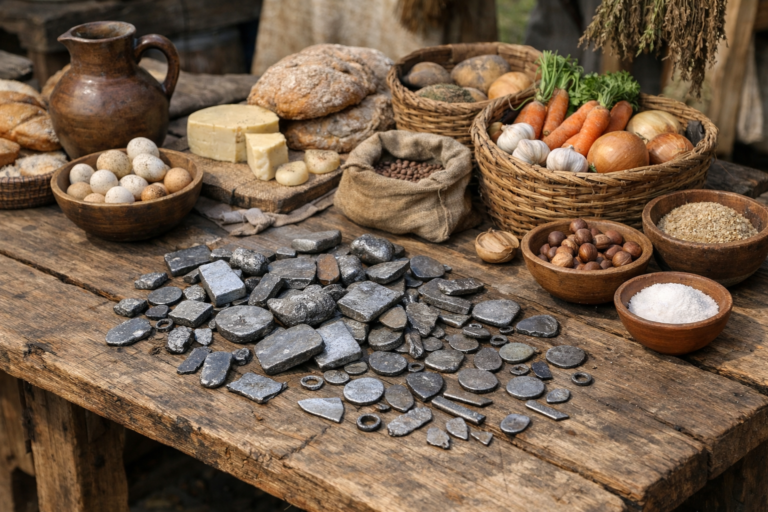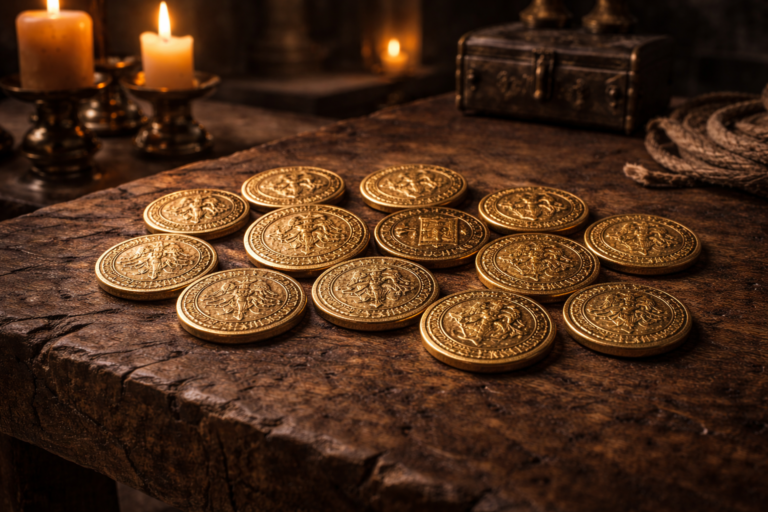
What People Used as Money in Medieval Times
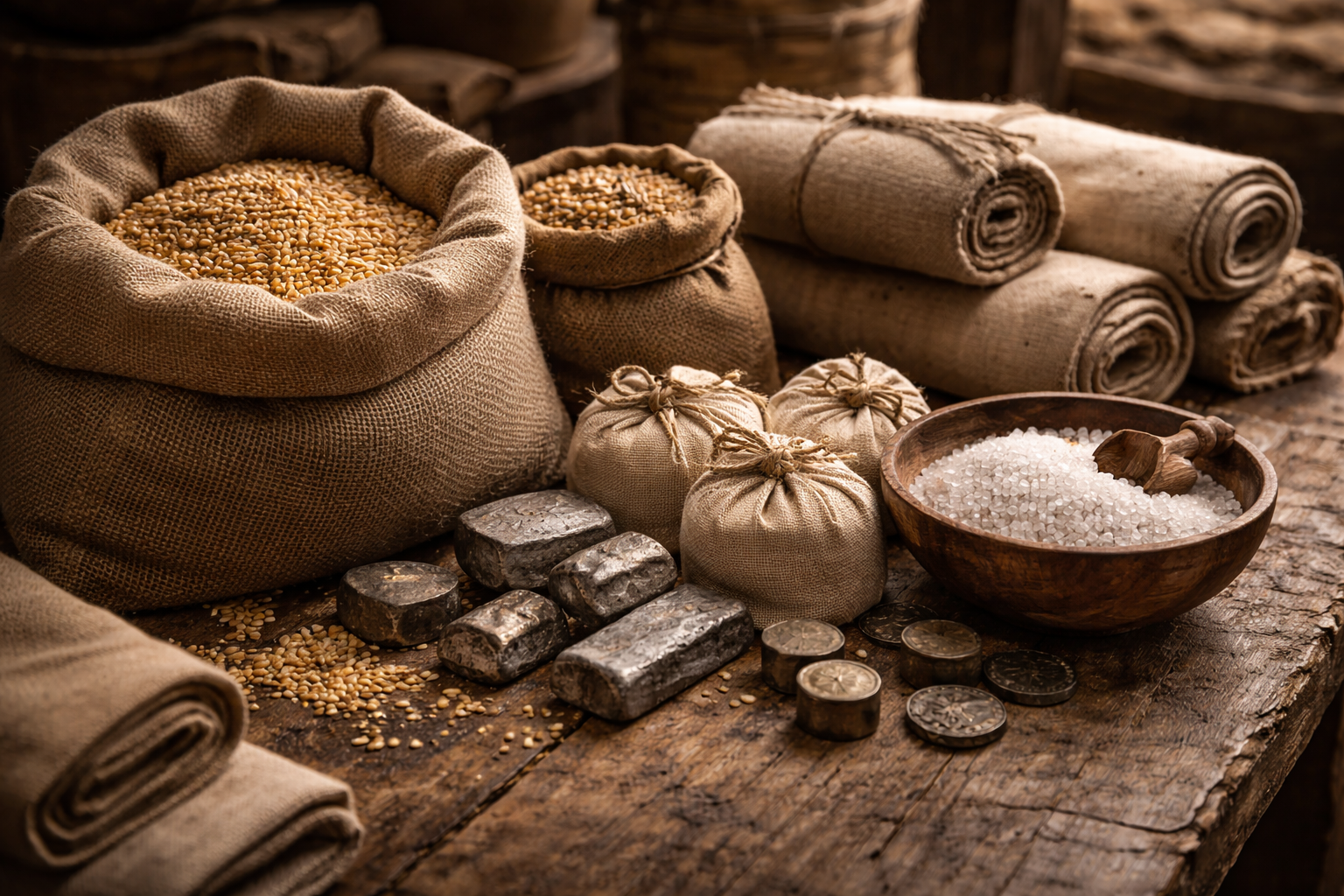
Estimated reading time: 13–15 minutes
When people imagine medieval money, they usually picture silver coins clinking in leather pouches. The reality was far more complicated and far more human.
For most medieval people, coins were only one small part of how exchange worked. Many lived long stretches of their lives without handling money at all. Instead, they relied on goods, favors, memory, and trust.
Understanding what people used as money in medieval times requires letting go of modern expectations. There was no single object that always functioned as currency. Money was flexible, local, and deeply tied to daily life.
What counted as money depended on where you lived, who you traded with, and what you needed at that moment.
Table of Contents
Money Without Coins
In many medieval communities, money was not a physical thing. It was an understanding.
People knew what they owed and what they were owed. These obligations could last months or even years.
A farmer might deliver grain in the spring and receive tools in the autumn. A craftsman might repair a roof knowing payment would come later in food or labor.
This system worked because communities were stable. People lived among the same neighbors for generations. Breaking trust carried serious consequences.
Goods That Replaced Currency
Certain goods naturally took on the role of money. These were items everyone needed and easily recognized.
Grain was one of the most common. It could be measured stored and consumed.
Salt was another. It preserved food and traveled well.
Cloth especially wool functioned as a form of wealth. Textiles required skill and time making them valuable.
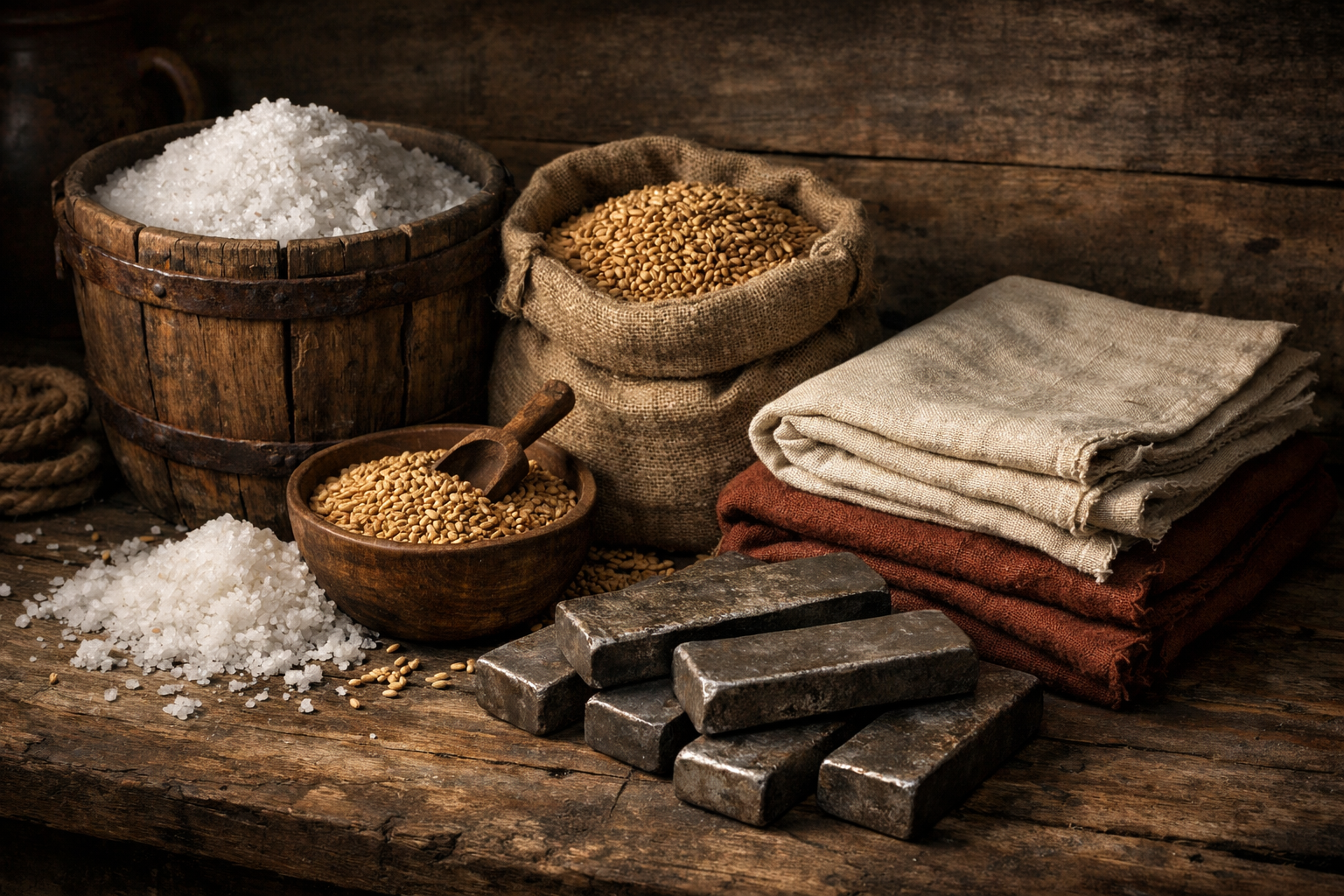
These goods worked as money because they met basic needs. They were useful even if trade stopped.
Unlike coins, they did not depend on rulers or mints. Their value came from daily life itself.
Barter Credit and Obligation
Barter in medieval times was rarely a simple swap. It often involved delayed exchange.
One person would provide something now with the expectation of repayment later. This created informal credit systems.
No paper records were needed. Memory and reputation were enough.
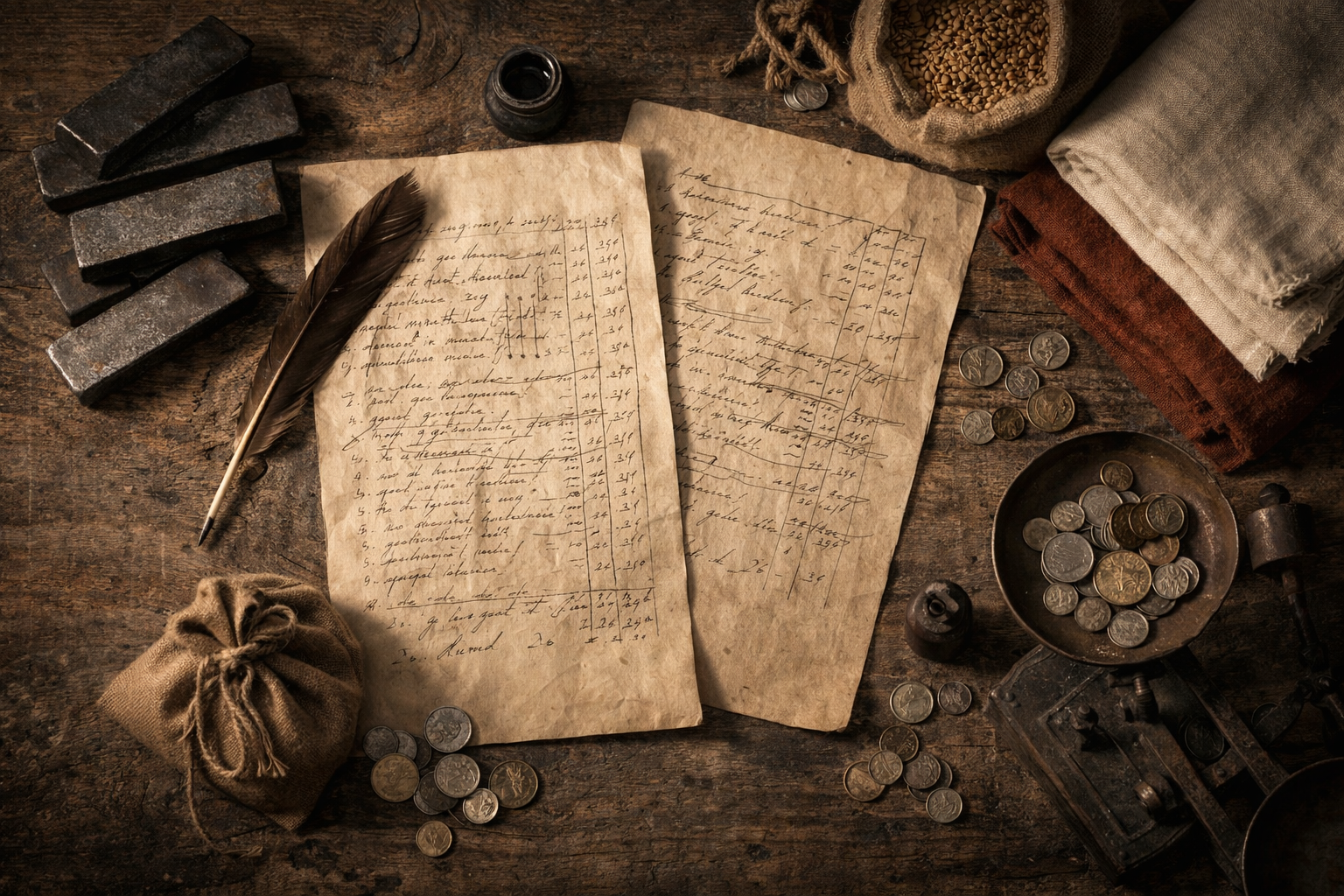
This system was fragile but resilient. It failed only when trust collapsed.
The same logic explains why medieval economies could survive coin shortages. People adapted naturally.
This flexibility is also explored in this broader look at medieval money systems .
When Objects Became Money
Sometimes objects took on monetary value beyond their use.
Metal tools jewelry and even livestock could function as stores of value.
These objects were not standardized. Their worth depended on condition usefulness and local demand.
Money was personal. It reflected real needs not abstract systems.
Why Coins Were Not Enough
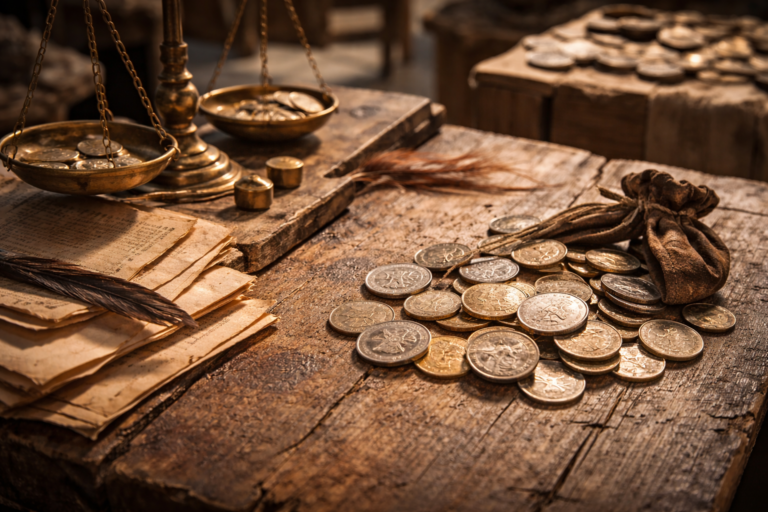
Coins existed but were limited.
They were expensive to produce and tightly controlled.
Many regions suffered from shortages. Others dealt with debased or worn coins.
As a result people relied on alternatives. Not because coins failed completely but because they were insufficient.
Medieval money systems worked because people were flexible not because coins were perfect.
Everyday Exchange in Medieval Life
Most exchanges were small. Bread for labor. Firewood for clothing. Help during harvest for future support.
Money blended into social life. It was never separate from relationships.
This made medieval economies slower but more human.
Money in medieval times was less about objects and more about understanding.
Final Reflection
People in medieval times used many things as money. Coins were only one option.
Goods trust credit and obligation formed systems that worked surprisingly well.
These systems remind us that money has always been a social tool. Not just a physical one.
Frequently Asked Questions
Did medieval people rely mostly on barter?
Yes especially in rural areas. Barter and delayed exchange
Similar Posts
Florentine Florin | The Gold Coin That Powered the Renaissance.
Estimated reading time. 10 to 12 minutes. Imagine walking into a busy European market in the 1400s with a pouch of…
Gold Coins in Medieval Daily Life
Estimated reading time. About 14 minutes. Gold coins in the Middle Ages rarely lived in the “small purchase” world. Yet they…
How Money Worked in the Middle Ages
Estimated reading time: 11–13 minutes Money in the Middle Ages did not behave the way modern money does. It was not…
The Coin That Traveled Without Borders
Estimated reading time. 10 to 13 minutes. Imagine stepping into a crowded port market in the fifteenth century with a pouch…
How Medieval People Paid Without Coins
Estimated reading time. About 15 to 18 minutes. When we imagine the Middle Ages, we often picture heavy purses filled with…
Middle Ages Gold Coins
Estimated reading time. About 16 minutes. Gold coins in the Middle Ages were not “everyday pocket change” for most people. They…