When Coin Designs Change – What It Reveals About Power and Identity
Estimated reading time: 15–17 minutes
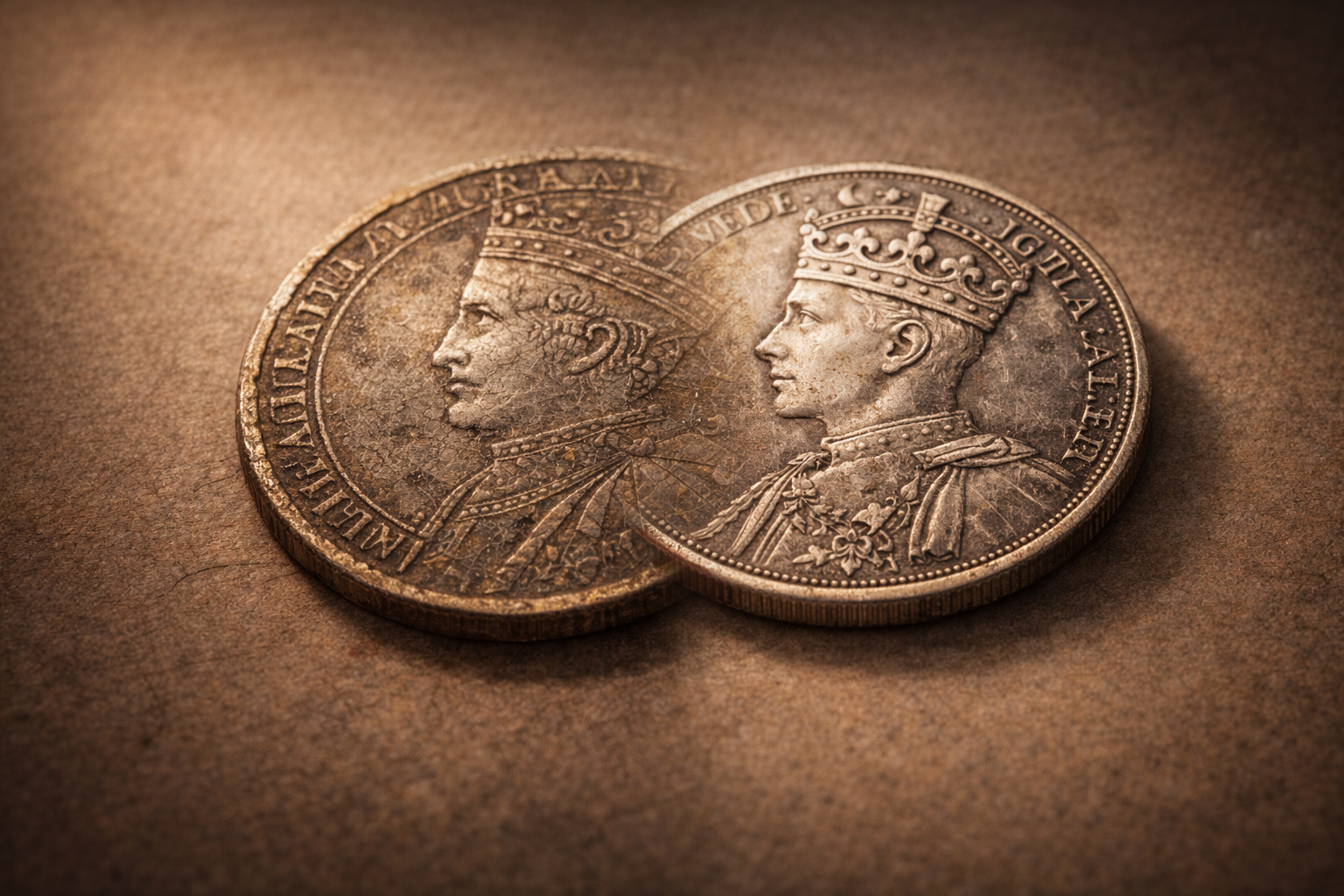
At first glance, a change in coin design might seem like a simple artistic update. A new symbol, a different portrait, or a revised layout can look like a cosmetic choice. But throughout history, coin design changes have almost never been random. When designs shift, something deeper is usually happening behind the scenes. Coins are public messages, and when the message changes, it often reflects shifts in power, identity, and authority.
Coins travel farther and reach more people than most official documents ever could. They move through markets, hands, and generations. Because of that, governments and ruling powers have always treated coin design seriously. A new design was a statement. Sometimes it was subtle. Other times it was bold. Either way, it was meant to be seen.
Quick Takeaways
- Coin design changes are rarely just artistic decisions
- New designs often signal shifts in power or authority
- Symbols on coins communicate identity and legitimacy
- Design transitions help track political and cultural change
- Coins act as public messages in metal form
Table of Contents
- Why Coin Designs Change
- Fact Card | Coins as Authority Signals
- Symbols, Power, and Identity
- Design Changes During Transitions
- Comparison Card | Old Design vs New Design
- Global Patterns in Design Changes
- Timeline Insight | From Old Power to New
- Quote Highlight
- Sources and Methodology
- Final Reflection
Why Coin Designs Change
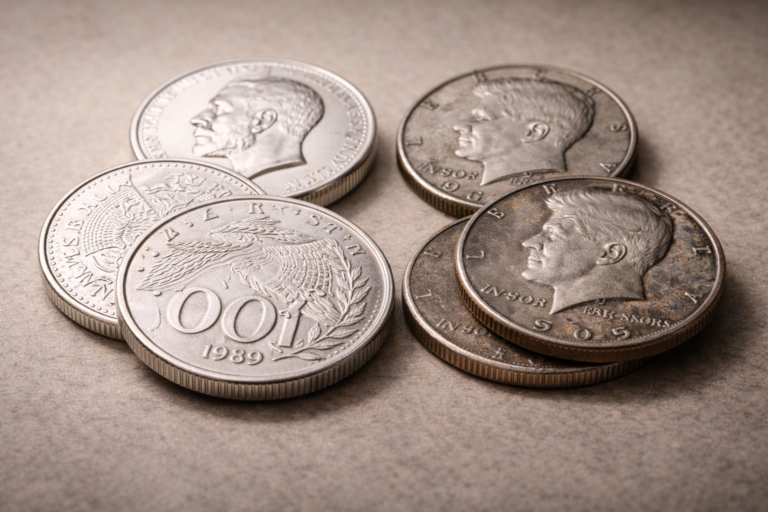
Throughout history, ruling authorities have used coins to reinforce legitimacy. A stable design often signals continuity. A sudden change usually signals transformation. When a new power emerges, one of its first public acts is often to redesign coinage. This sends a clear message: authority has shifted.
Sometimes the change is dramatic, such as replacing a ruler’s image or removing symbols associated with a former regime. Other times it’s more subtle, like adjusting titles, emblems, or inscriptions. Even small changes can carry powerful meaning, especially to people who handled these coins daily.
Coins are unique in this role because they combine function and symbolism. They are trusted objects, and that trust is tied to who appears on them and what they represent.
Fact Card | Coins as Authority Signals
Coin designs have historically served as one of the most direct ways for rulers and governments to project authority. A new design wasn’t just a visual update. It was a declaration of legitimacy, control, and identity.
Symbols, Power, and Identity
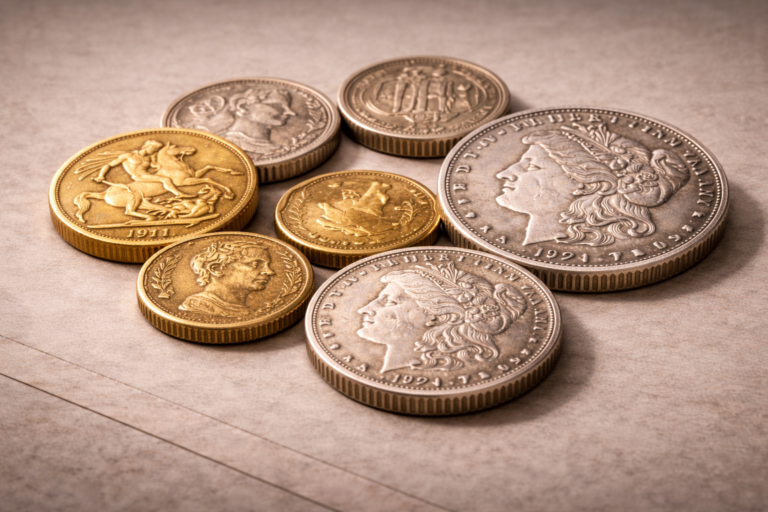
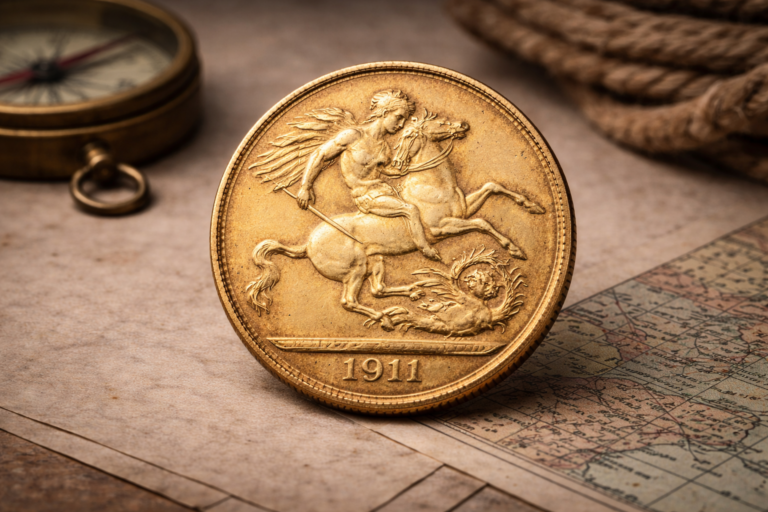
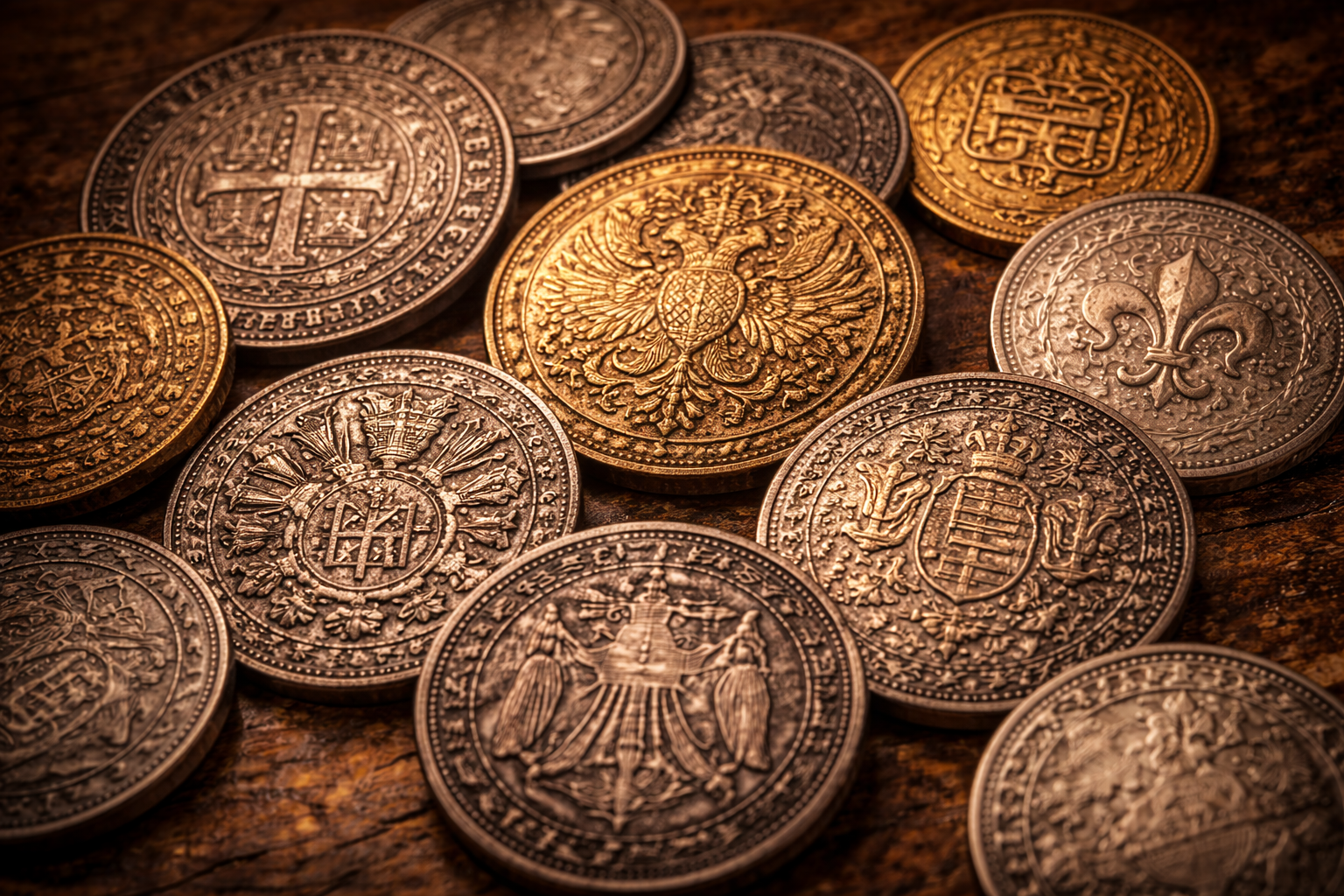
Every symbol on a coin is chosen deliberately. Crests, emblems, animals, religious marks, or abstract motifs all carry meaning. These symbols tell people who holds power and what values that power wants to project.
Portraits, for example, are more than decoration. They humanize authority. They make power visible and familiar. In cultures where portraits were avoided, text and symbolic imagery took on that role instead. Different cultures used different visual languages, but the goal remained the same: recognition and trust.
Caption: Coin symbols were carefully chosen to communicate authority and identity.
Image credit: HistoraCoin
Design Changes During Transitions
Some of the most interesting design changes happen during periods of transition. Revolutions, reforms, independence movements, and shifts in governance often leave clear marks on coinage. Old symbols disappear. New ones take their place.
These changes help historians trace moments when societies redefined themselves. Coins act as timestamps. Even without written records, a change in design can point to a turning point in political or cultural history.
Comparison Card | Old Design vs New Design
Old Design
- Represents previous authority
- Uses established symbols
- Signals continuity
- Feels familiar to the public
New Design
- Introduces new power structures
- Replaces or reinterprets symbols
- Signals change or reform
- Gradually becomes the new normal
Global Patterns in Design Changes
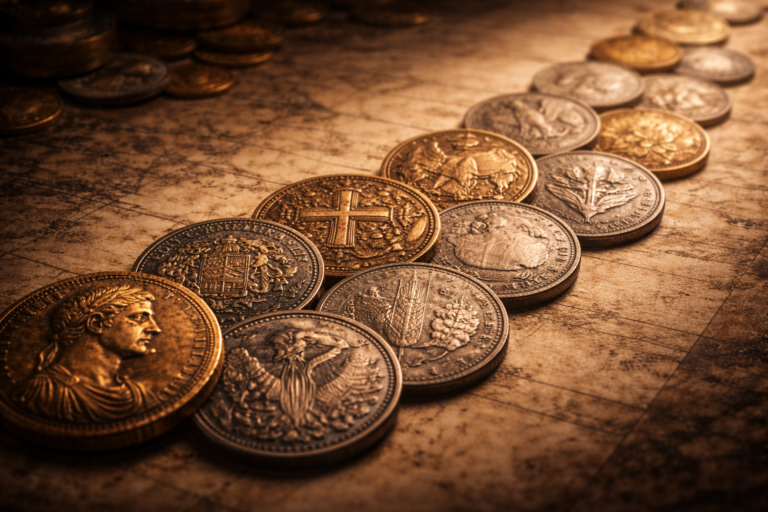
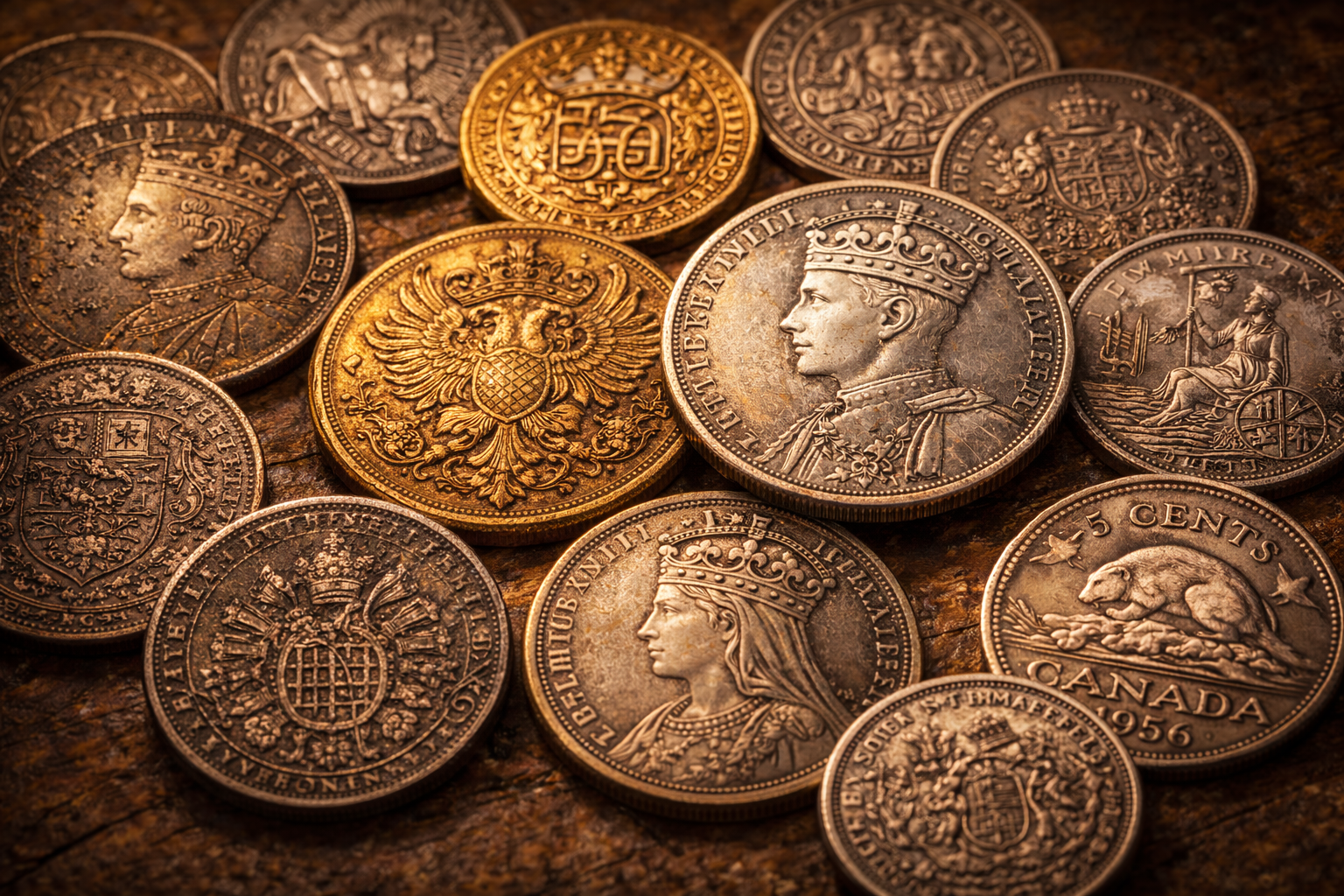
This pattern isn’t limited to one part of the world. Across continents, design changes follow similar logic. When authority changes, coin imagery follows. When identity shifts, symbols evolve.
In Europe, changes often followed new leadership or political restructuring. In Asia, long traditions sometimes absorbed change more gradually. In the Middle East, text-based design changes often reflected shifts in legitimacy or governance. In Africa, coin designs frequently tracked trade influence and regional authority.
Caption: Across regions, coin designs evolved alongside shifts in power and identity.
Image credit: HistoraCoin
Timeline Insight | From Old Power to New
- Before: Established symbols reinforce existing authority
- Transition: Mixed elements appear as power shifts
- After: New designs normalize the new identity
Coins visually document these stages, making them valuable historical markers even centuries later.
Quote Highlight
When coin designs change, they quietly announce who holds power and how a society chooses to see itself.
Sources and Methodology
This article is based on historical mint records, museum collections, academic numismatic research, and comparative analysis of coinage from multiple regions. The focus is interpretive and educational, emphasizing how design choices reflect shifts in power and identity.
Final Reflection
Coin designs are not just decorative choices frozen in metal. They are statements. When they change, they reflect moments when societies redefine authority, identity, and trust. By paying attention to these changes, we gain insight into how power was presented and understood in everyday life.
The next time you notice a shift in coin design, don’t see it as a minor detail. See it as a historical signal. Coins speak quietly, but they speak clearly to those willing to listen.
Explore more historical coin stories
HistoraCoin explores how coins reflect real human history, focusing on context, design, and the forces that shaped everyday currency.

HistoraCoin Team
HistoraCoin publishes educational, AdSense-safe content that examines coins as historical records rather than objects of hype or speculation.