When Coins Stopped Showing Rulers
Estimated reading time: 10–12 minutes
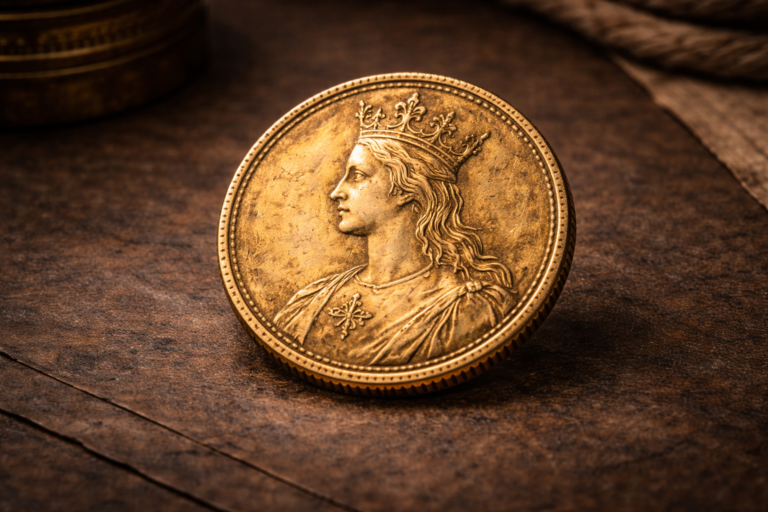
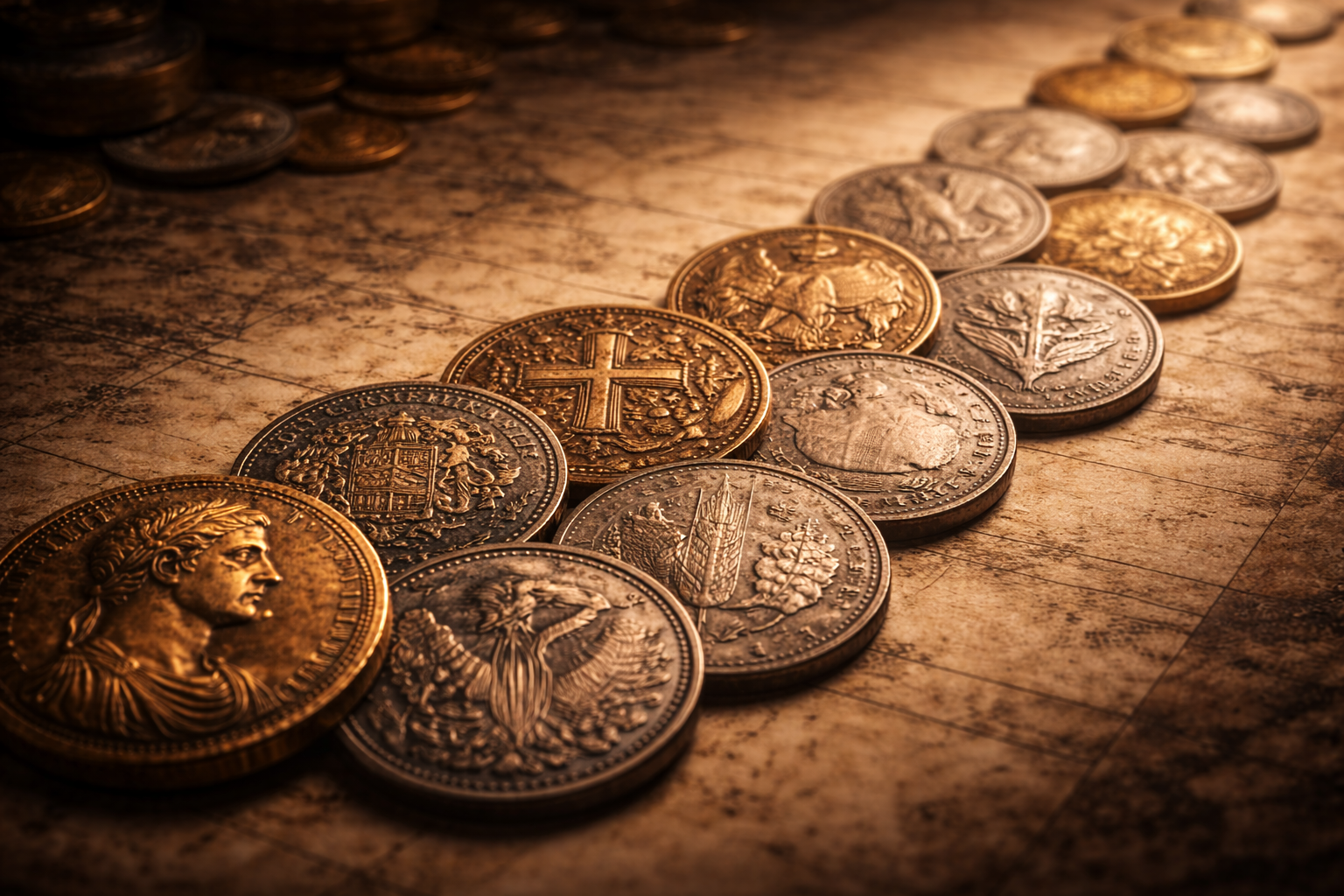
There’s a small moment that happens when you look at an older coin for the first time. Your eyes go straight to the face. The haircut. The profile. The confident expression. The tiny details the engraver had to carve into metal like it was something sacred.
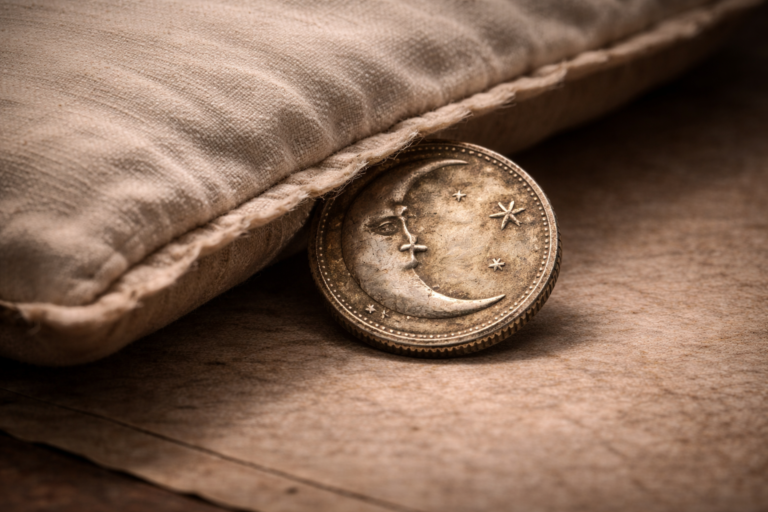
Then you look at many modern coins and feel a different kind of silence. No face. No crown. No ruler staring back. Just a plant, a building, a bird, a geometric emblem, maybe a national symbol that feels… calm.
That shift didn’t happen overnight, and it didn’t happen for one simple reason. It was slow, uneven, and sometimes almost awkward. But it tells a surprisingly big story: the day-to-day money people touched started stepping away from personal rule.
And once you notice that, you start seeing it everywhere. Not as a “design trend,” but as a quiet historical signal. Because when coins stop showing rulers, it usually means something deeper changed in how power wanted to be seen.
Table of Contents
When Faces Meant Power
For a long time, putting a ruler’s face on a coin wasn’t just common. It was almost the whole point. Coins were one of the few objects that moved through every social layer. Rich or poor, city or countryside, educated or not, everyone handled the same money. So if a ruler wanted to be “present” everywhere, the coin was a perfect tool.
A portrait on a coin did a few jobs at once. It told you who was in charge. It made that authority feel stable. It quietly reminded you that the system had a center, and that center had a human name and a human face. Even when people didn’t love the ruler, the portrait still worked as a message: this is the order of things.
There’s also a practical side people forget. In many eras, coins were a form of authentication. If you recognized the official face and the official symbols, you felt safer accepting the coin. That recognition was part of trust. Not perfect trust, but enough for daily life.
And maybe the most interesting part is the emotional one. Faces create familiarity. When a coin always shows the same portrait year after year, it can feel like the nation itself is steady, even if politics behind the scenes are messy. That’s why portrait coins lasted so long. They weren’t only about honoring someone. They were about keeping people calm.
But portraits also come with a risk. A face is personal. And once society starts feeling uncomfortable with personal power, a portrait stops being reassuring. It starts being heavy.
The Moment Portraits Felt Uncomfortable
This is where the story gets subtle. Because most societies didn’t wake up one morning and decide, “No more rulers on coins.” It happened in stages. Sometimes with hesitation.
Portraits can become uncomfortable for a few reasons. The obvious one is political change: a monarchy ends, a new system arrives, a revolution happens, a regime collapses. Suddenly, that face isn’t neutral anymore. It’s a reminder of conflict.
But there are quieter reasons too. Even without a dramatic collapse, societies evolve. The public becomes more politically aware. Institutions become more important than individuals. Or leaders simply want to avoid feeding personality cults.
And here’s something that sounds simple but matters a lot: a face invites judgment. People read emotions into it. They attach opinions to it. They interpret it as approval or propaganda. A landscape or a plant doesn’t trigger the same reaction.
Once a society is divided, portrait coins can feel like a daily argument. Imagine using a coin every day that shows a figure you don’t trust, or a symbol you associate with the “other side.” Even if the coin still spends, the emotional friction grows.
That’s why many transitions didn’t remove faces instantly. They softened them first. Smaller portraits. Less dramatic styling. Less authority in the expression. More “official” and less personal. It’s like the design is trying to keep continuity while gently lowering the temperature.
This is usually the phase where design becomes a balancing act: keep money familiar, but reduce the feeling of personal rule.
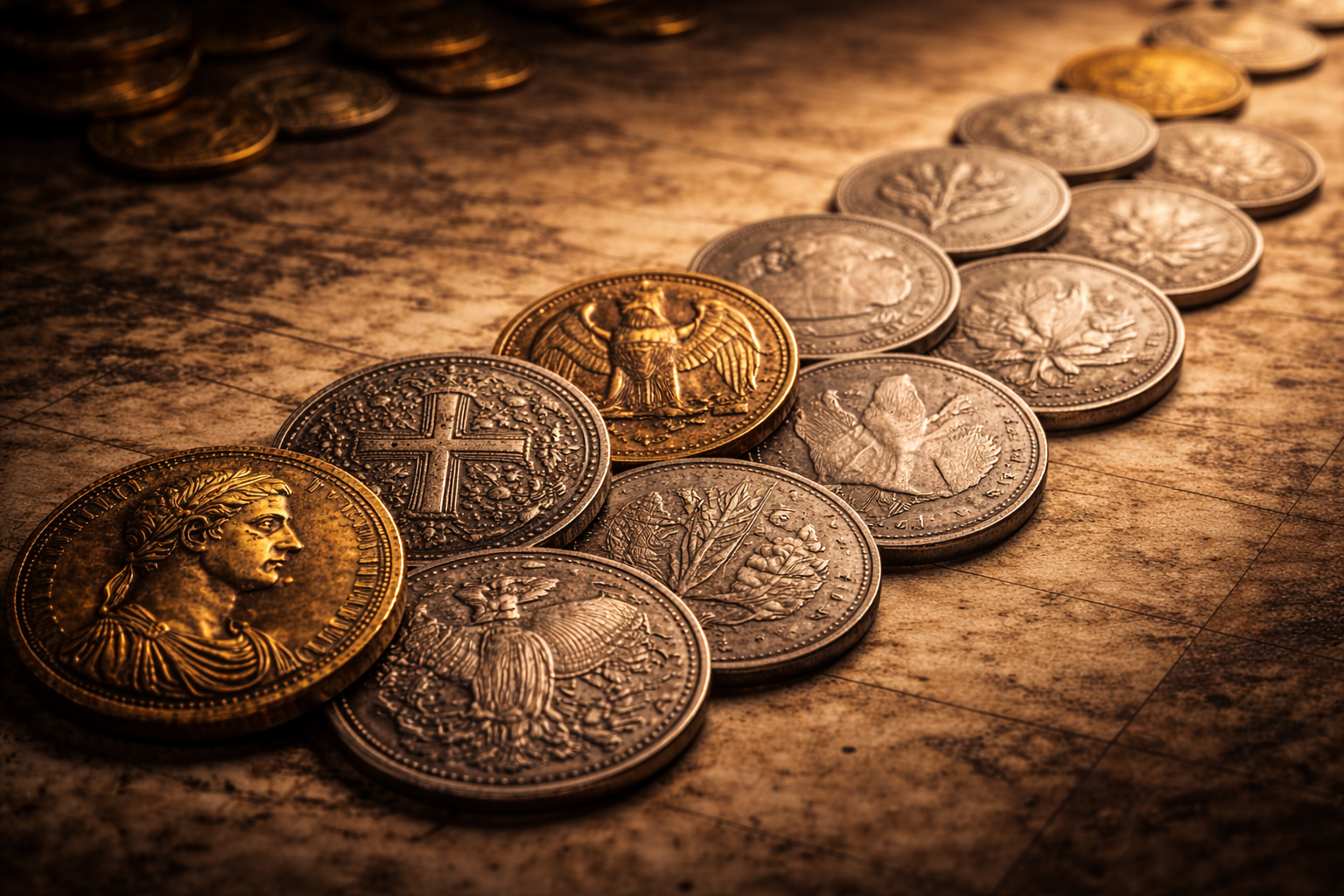
When you see this kind of transition in coin designs, it’s usually not a random artistic choice. It’s a sign that the “face of authority” was being renegotiated. Not always publicly. Sometimes not even openly. But design can show what speeches avoid.
Removing the Ruler Without Removing Authority
Here’s the part that surprises people: removing a ruler’s portrait doesn’t mean a nation removed authority. It usually means authority changed its style.
Older systems often relied on personal legitimacy. The ruler’s identity was the system. Modern systems tend to rely more on institutions: the state, the constitution, the central bank, the public narrative. In that world, authority doesn’t need a face to feel real. It needs stability.
So as societies modernized, many governments discovered they could communicate legitimacy in other ways. Instead of a portrait, they could use:
- an emblem that represents the state
- a shield that suggests continuity
- a national animal or plant
- architecture that signals permanence
- symbols that feel “shared” rather than personal
Think of it like moving from “the king’s voice” to “the country’s voice.” The coin stops saying, “I rule,” and starts saying, “We exist.”
That shift also makes money feel less political in everyday life, which is exactly what many societies want. Most people don’t want to argue with their pocket change. They want it to work.
And there’s a trust advantage too. A state symbol is easier to keep consistent over time than a living person. Portraits require updates. New rulers. New leadership. New faces. That can create frequent visual disruption. Institutional symbols last longer. They keep the currency visually stable even when leaders change.
In a way, removing the portrait can be a sign of maturity. Not always, but often. It suggests the system wants to be trusted for its structure, not for a single personality.
Neutral Symbols Replace Personal Power
Once portraits begin to fade, something else moves in to take their place. And the pattern is consistent: coins start choosing symbols that feel neutral, calm, and widely acceptable.
Neutral doesn’t mean meaningless. It just means less likely to ignite division. A plant can carry heritage without carrying political tension. A landmark can represent pride without representing a living regime. A bird can symbolize freedom without needing a leader’s face to validate it.
This is the “quiet genius” of modern coin design. It can still communicate identity, history, and continuity, but it does it in a way that feels less like propaganda.
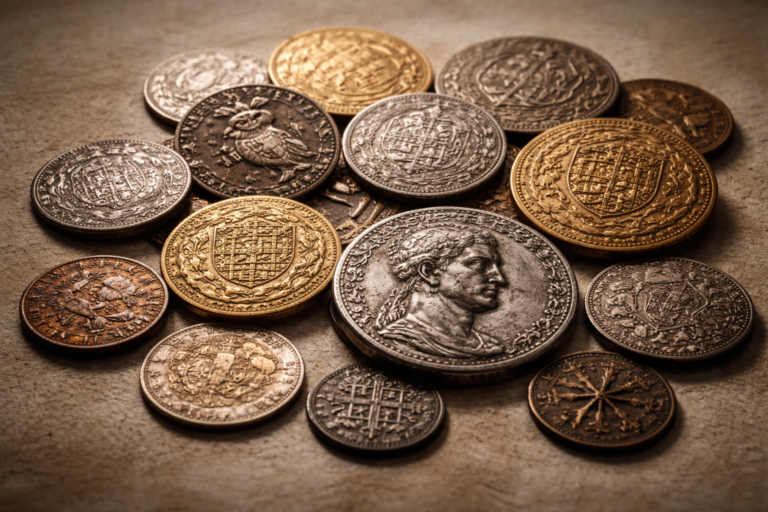
Some countries choose symbols that are almost universally liked: nature, art, geometry, shared achievements. Others choose symbols that signal deep roots: ancient motifs, traditional patterns, long-standing emblems. Either way, the goal is similar: keep the coin emotionally safe for everyday use.
This is especially important in modern societies where public opinion is louder and faster. When people can criticize leadership openly, putting a leader’s face on every coin can feel provocative. Neutral symbols avoid that problem.

Once you start noticing this, you’ll see how carefully many modern coins are designed to be “agreeable.” Not boring, just stable. Not empty, just shared.
Everyday Coins After the Portrait Era
So what actually changes in daily life after portraits fade away? Sometimes it’s subtle. People don’t always talk about it. But it has real effects.
First, money feels less like a daily reminder of leadership. That might sound small, but it changes the mood of public life. Coins become more about belonging than about obedience.
Second, the design space opens up. Without a portrait taking the center, designers can build stories differently: a series of cultural images, national themes, heritage motifs, or symbols that connect people to place.
Third, the coin starts behaving more like a tiny museum label. It points to something beyond the leader: nature, architecture, culture, shared values, shared memory.
And fourth, the coin becomes easier to keep consistent across political transitions. Leaders can change. Governments can change. Elections can change. But if the coin’s identity is rooted in broader symbols, the currency doesn’t visually “shake” every time politics shifts.
There’s a calmness in that. And calmness is valuable. People don’t always say it, but they feel it when their daily objects stop demanding attention.
A coin without a ruler’s portrait can still feel powerful. It just moves the focus from “who rules” to “what lasts.”
That doesn’t mean portraits are “bad.” They’re historically meaningful and often beautifully engraved. It just means that in many modern contexts, societies prefer money to feel like a shared tool, not a personal statement.
What Disappearing Faces Tell Us About Society
This is the part that makes the whole topic feel bigger than design. When faces disappear from coins, it usually reflects a deeper shift in what people expect from power.
In older eras, power often needed a body. A person. A visible authority. Portraits made that authority tangible. You could hold it. You could recognize it.
In more modern systems, power is often supposed to feel less personal, even if it’s still very real. People want rules, institutions, and stability more than personal dominance. So the coin adapts. It moves from person to symbol.
And symbols can do something faces can’t: they can include more people. A ruler’s portrait centers one story. A national symbol can suggest many stories at once. That’s why coins often shift toward shared imagery when societies become more complex.
Disappearing faces also tell us something about public psychology:
- people want daily life to feel less politically charged
- they prefer stability over personality
- they trust systems when those systems feel consistent
- they accept identity faster when it appears in everyday objects
This is why coin design can be a better “mood detector” than official history. History explains what happened. Coins often show what felt acceptable afterward.
Sometimes the shift away from portraits is linked to a clear political change. Sometimes it’s linked to a slow cultural evolution. Sometimes it’s simply a choice to reduce tension and keep money neutral.
But in every case, the coin is doing what coins have always done: helping a society move forward without stopping daily life.
If you want a simple takeaway: when a coin stops showing rulers, it often means the country wants authority to feel less like a person and more like a shared structure.
And that’s why this topic keeps growing the longer you sit with it. Because it’s not only about what’s on the coin. It’s about what a nation thinks people can live with, accept, and carry every day.
Coins change slowly. But slow change can be the most honest kind. It doesn’t chase applause. It settles into life.
Final Reflection
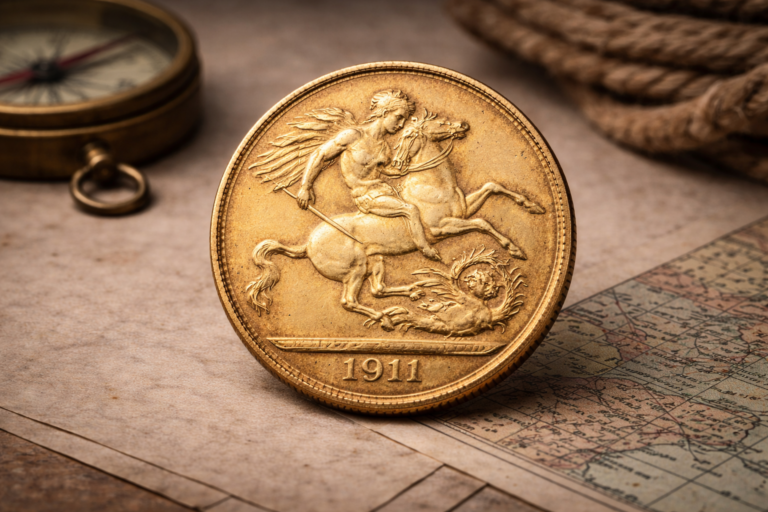
The next time you hold a coin with a ruler’s portrait, look at it for a moment longer than usual. Not with judgment, just with curiosity. That face once did a job in the world.
Then look at a coin with no face at all. And notice what replaces it: a symbol, a plant, a landmark, an emblem that feels calm and shared.
Somewhere between those two designs is a turning point. Not always a dramatic one, not always easy to date, but real.
Because when money stops centering personal power, it’s often a sign that society wants something different from authority. Something that can survive change without needing a new face every time.