Why Coins Still Shape Trust in a Digital World
Estimated reading time: 20–24 minutes
In a world where money is increasingly invisible, something curious remains true. People still trust coins. Even as payments become digital, contactless, and abstract, the idea of money is still deeply shaped by the physical coin.
This is not nostalgia. It is psychology. Coins helped teach humanity what trust feels like, and that lesson never disappeared.
Quick Takeaways
- Trust in money is rooted in human psychology
- Coins helped define how trust works
- Digital money still relies on symbolic foundations
- Visibility and familiarity build confidence
- Modern systems inherit ancient trust patterns
What Trust in Money Really Means
Trust in money has never been about metal, paper, or code. It has always been about shared belief. People accept money because they believe others will accept it too.
Coins made this belief tangible. They gave trust a physical form. Holding a coin made the idea of value feel real and stable.
Trust Before Technology
Long before banks or digital systems, coins created trust through consistency. Their weight, design, and symbols rarely changed. This stability reassured people.
In uncertain times, familiarity matters. Coins provided that familiarity. They looked the same yesterday and today.
Fact Card | Trust Before Technology
Early monetary trust depended on repetition, visibility, and shared cultural meaning rather than complex systems.
Why Coins Became Symbols of Trust
Coins were not trusted only because of authority. They were trusted because they felt permanent. Their physical presence created confidence.
Even when rulers changed, coins often retained familiar symbols. This continuity mattered more than official declarations.

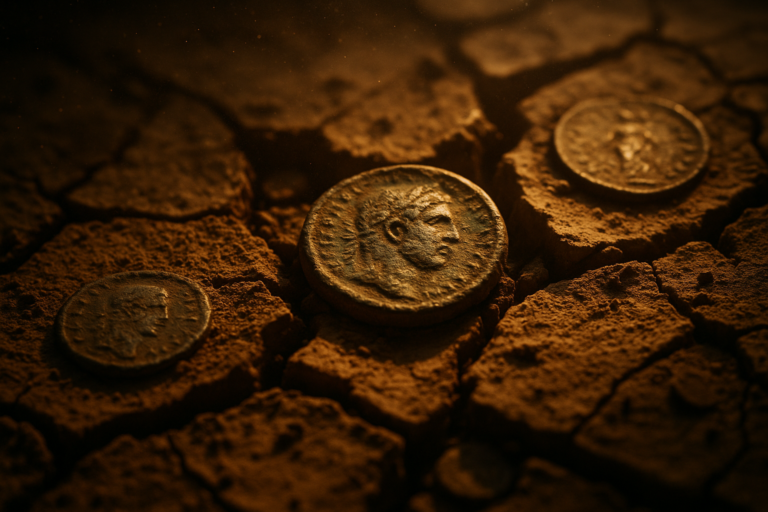
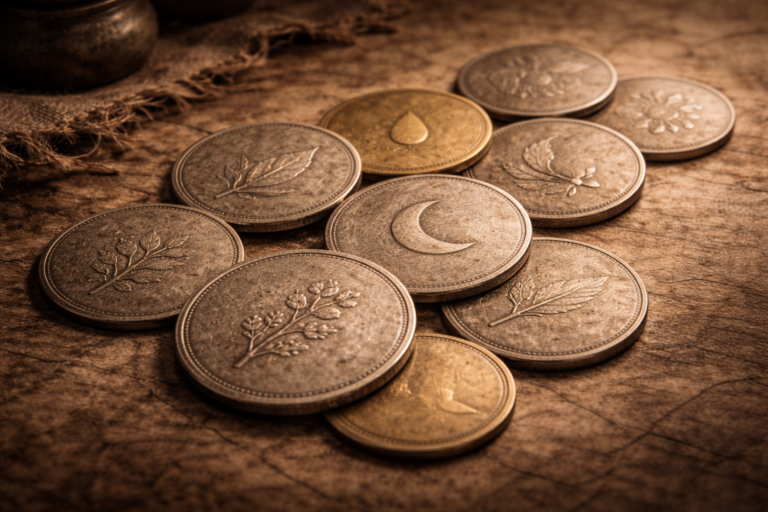
Caption: Physical coins shaped trust long before digital money appeared.
Image credit: HistoraCoin
The Shift to Digital Money
Digital money removed the physical element of trust. Transactions became invisible. Numbers replaced objects.
Yet people still describe money using physical language. They speak of saving, holding, or losing money. These habits reveal how deeply coins shaped understanding.
Comparison | Physical Trust vs Digital Trust
- Physical money offers visibility and familiarity
- Digital money relies on systems and interfaces
- Coins built trust through presence
- Digital trust is built through experience and repetition
How History Shapes Modern Confidence
Modern financial systems often appear complex and abstract, yet confidence in them is still shaped by deeply human instincts. People trust what feels familiar. They trust what feels stable. Coins established these expectations long before digital systems existed.
Even today, design choices in digital payment platforms borrow from physical money. Icons, confirmation sounds, and visual balances exist to recreate a sense of control that coins once provided naturally.
Timeline Insight | From Metal to Code
The journey from metal coins to digital code was gradual. Each step removed physical elements while attempting to preserve trust. Paper replaced metal. Screens replaced paper. Yet the underlying expectation never changed.
People still want reassurance. They still want visibility. They still want confirmation that value exists. Coins taught humanity to expect these signals.
Trust in money survives every technological shift because it is built on human habit, not technology.
The Symbolic Connection That Never Disappeared
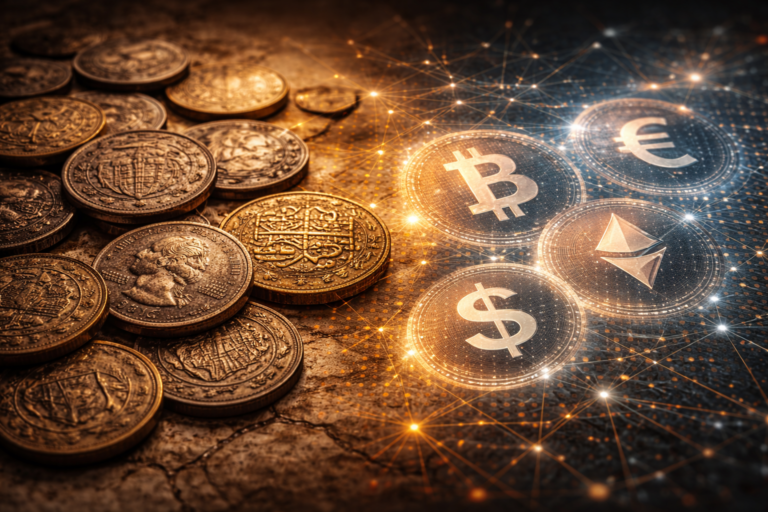
Even in digital environments, symbols matter. Logos, interfaces, and confirmation visuals act as modern equivalents of ancient coin imagery.
These elements reassure users in the same way familiar symbols on coins once did. The medium changed. The language of trust did not.
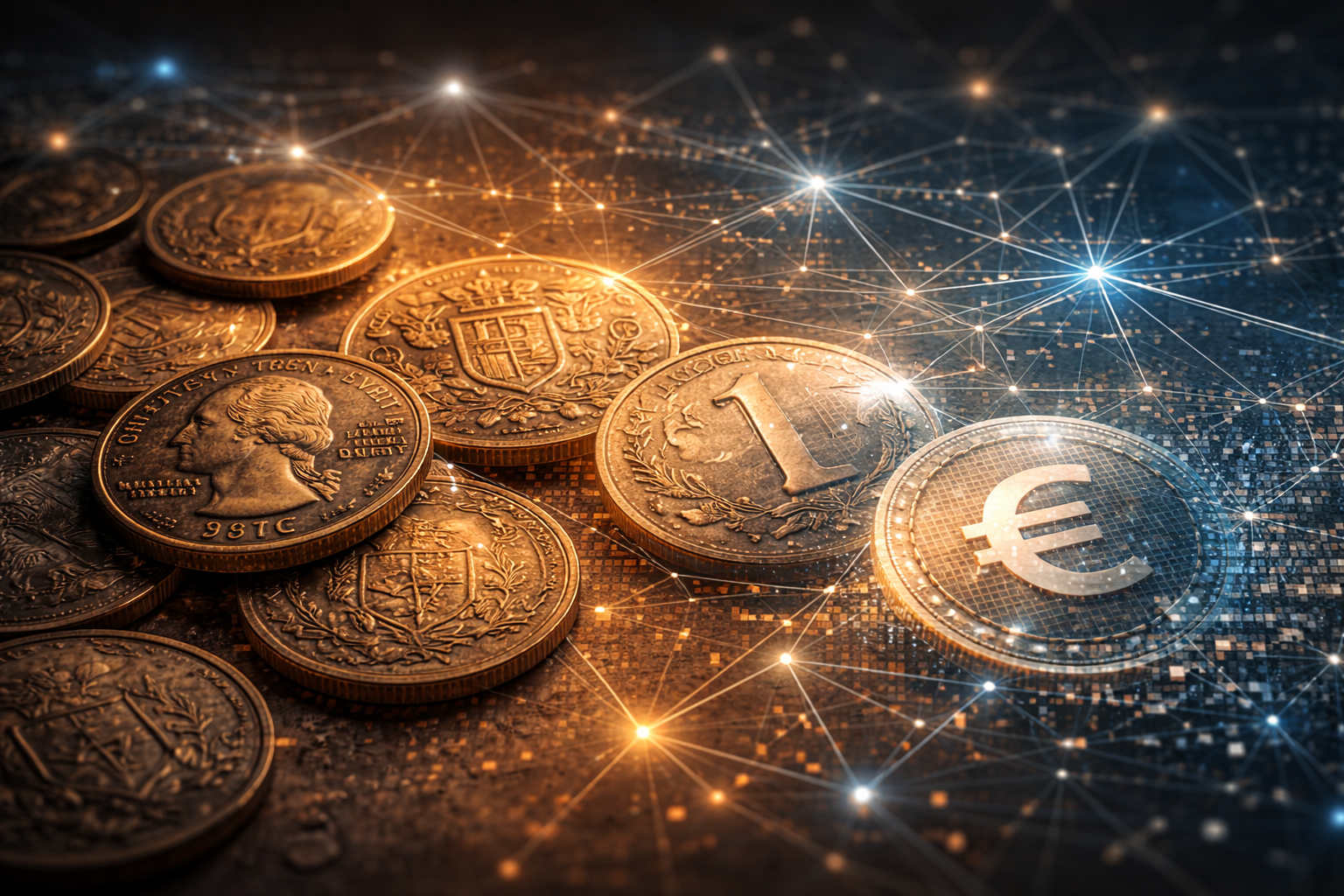
Caption: Digital trust systems still rely on symbolic reassurance.
Image credit: HistoraCoin
Methodology and Research Approach
This article applies a cultural and historical research approach rather than a financial or technological analysis. The focus is on trust formation, symbolic continuity, and documented historical patterns.
Insights are drawn from comparative monetary history, behavioral studies related to trust, and analysis of material culture. No speculative or investment-based perspectives are included.
By examining how trust was established historically, this article aims to explain why digital systems continue to rely on principles first shaped by physical coins.
People Also Ask
Why do people still trust money without seeing it?
Trust is learned through repetition, familiarity, and shared belief,
patterns originally shaped by physical coins.
Did coins really influence modern digital trust?
Yes. Coins established expectations about stability,
visibility, and reassurance that modern systems still follow.
Is digital money less trustworthy than coins?
Not necessarily.
Digital money relies on different signals,
but the psychological foundations of trust remain the same.
Final Reflection
Coins still shape trust in a digital world because trust itself is human. Technology evolves. Habits endure.
By understanding how coins taught humanity to trust money, we gain insight into why modern systems succeed or fail. The past continues to guide the present.
Continue Exploring Coin History