Why Does the U.S. Still Use Pennies
Estimated reading time: 20 minutes
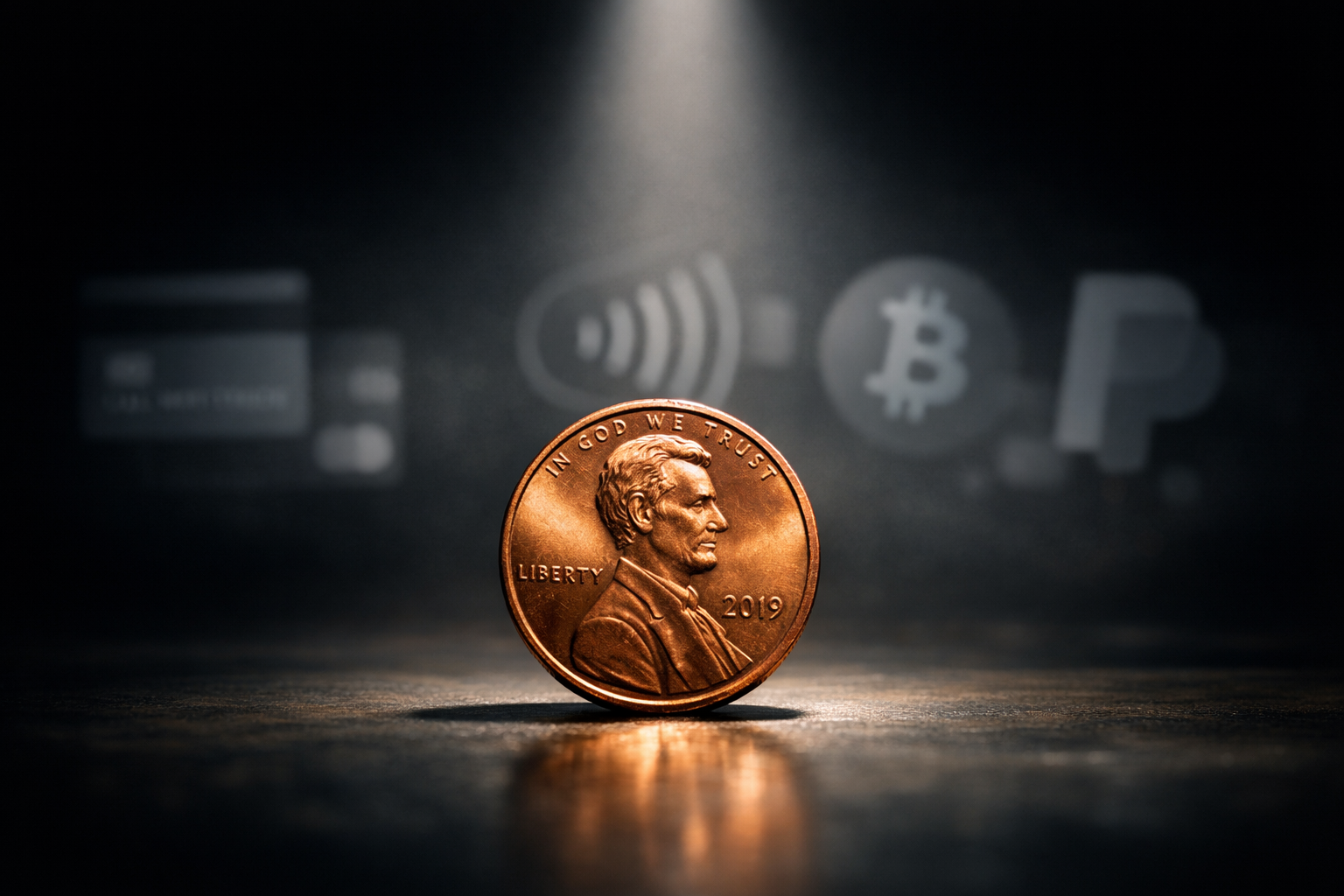
At a time when digital payments dominate everyday life, one small coin continues to survive. The penny. It is used less, often ignored, and sometimes even left behind. Yet it still exists. Still produced. Still circulating.
So the real question is not just why pennies exist, but why they continue to exist despite everything working against them. Rising costs. Changing habits. And a growing debate about whether they still matter at all.
Why This Question Keeps Appearing
People keep asking why the United States still uses pennies because everything suggests they are becoming less relevant. Usage is declining. Digital payments are rising. And discussions about removing them appear regularly.
This question is directly connected to the growing belief that pennies may disappear. As explained in why people think pennies are being discontinued, the idea is not based on a single event but on a series of changes happening over time.
The penny has not been removed. But its role has clearly changed.
The Role of Pennies in Pricing
One of the biggest reasons the penny still exists is pricing. Many prices end in values like .99 or .95. These small differences rely on the existence of the penny.
This is not just a coincidence. It is a psychological pricing strategy. A price of 4.99 feels lower than 5.00, even though the difference is small.
Without the penny, this system would need to change. Prices would likely be rounded, which could alter how people perceive value.
This alone is a strong reason why removing the penny is not a simple decision.
What Happens Without Pennies
If pennies were removed, cash transactions would need to be rounded. This means totals would adjust to the nearest five cents.
Some argue this would simplify transactions. Others worry it could lead to consistent price increases.
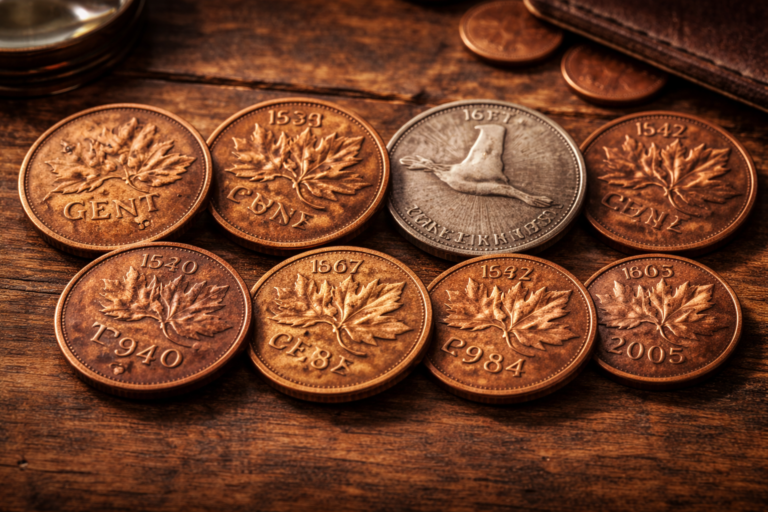
Countries like Canada have already adopted this system. Cash payments are rounded, while digital payments remain exact.
This shows that removing small coins is possible, but it requires careful balance.
Cost vs Value Problem
Another major issue is cost. Producing a penny costs more than its face value. This creates a financial problem for the government.
This issue has existed for years and is tied to the shift explained in why the U.S. Mint stopped using copper pennies.
Even after switching to zinc, production costs remain high compared to the coin’s value.
This is one of the strongest arguments used by those who want to remove the penny.
Importance for Cash Users
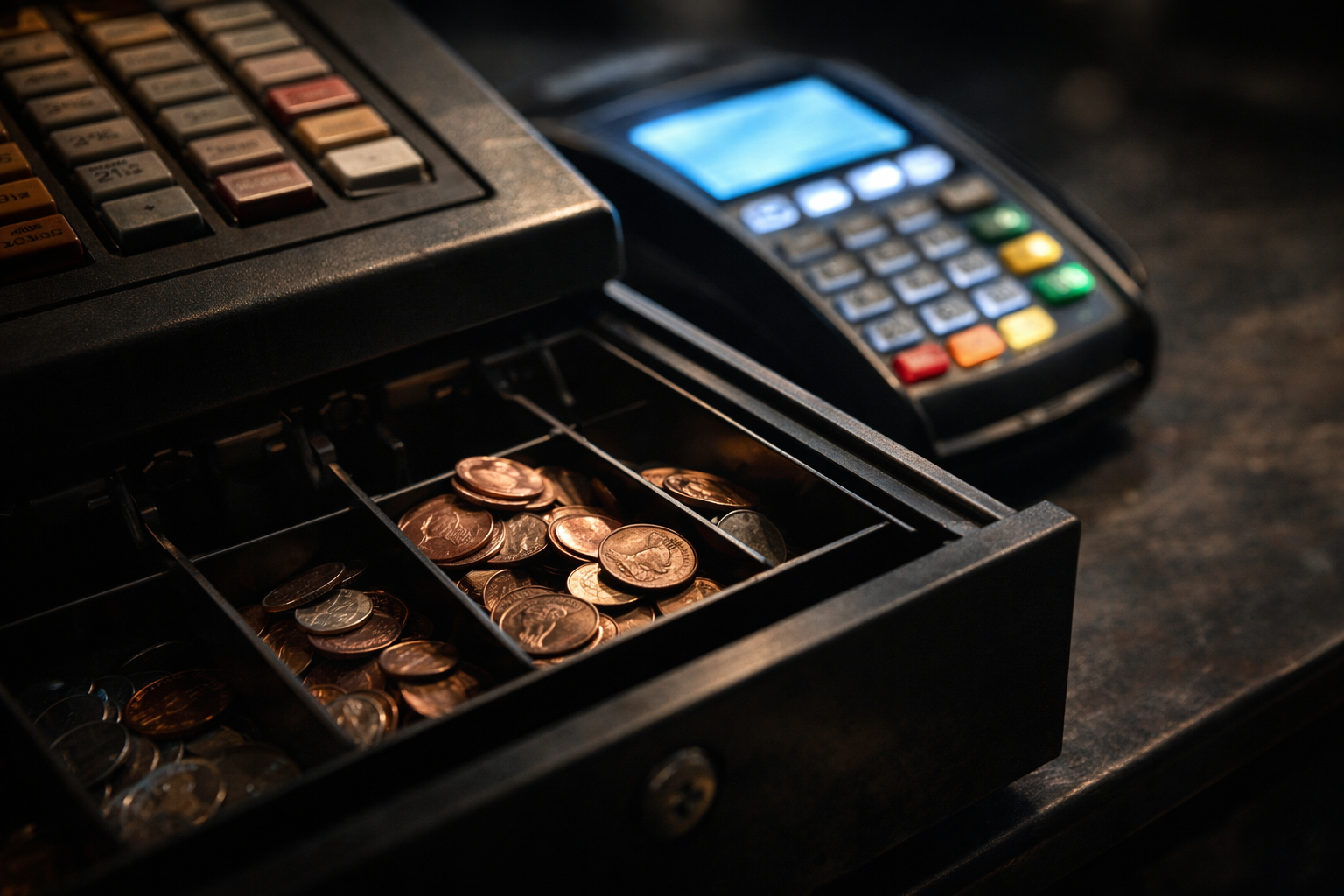
Despite all the arguments against it, the penny still plays a role for people who rely on cash. Not everyone uses digital payments.
For small transactions, exact change still matters. Removing the penny could affect how these transactions work.
This is especially important in communities where cash is still the primary method of payment.
So while the penny may seem unnecessary to some, it still serves a purpose for others.
The Power of Tradition
There is also a cultural side to the penny. It has existed for generations. People recognize it instantly. It is part of everyday life.
Removing it would not just be a financial decision. It would also be a cultural change.
This connection to tradition is one reason why the penny continues to exist, even when practical arguments suggest otherwise.
Countries That Removed Small Coins
| Country | Change |
|---|---|
| Canada | Stopped producing pennies |
| Australia | Removed smallest coins |
| New Zealand | Eliminated low-value coins |
These examples show that change is possible. But each country had to adjust its system carefully.
The United States may follow a similar path in the future, but it has not made that decision yet.

What Will Happen Next
The future of the penny remains uncertain. It is still being used, but its importance is declining.
Digital payments will continue to grow. Cash usage will continue to change. And the debate about the penny will continue.
To understand how the penny reached this point, it helps to explore what happened after 1982 and how its composition evolved.
The story of the penny is not over. But it is clearly entering a new phase.
FAQ
Why does the U.S. still use pennies
Because they still play a role in pricing, cash transactions, and tradition.
Are pennies still necessary
They are less necessary today, but not completely irrelevant.
Do other countries use similar coins
Some do, but many have removed their smallest denominations.
Will the U.S. remove pennies soon
There is no official decision yet.