Why Pre-1982 U.S. Pennies Are Made of Copper – The Hidden Story Behind American Cents
Estimated reading time: 18 minutes
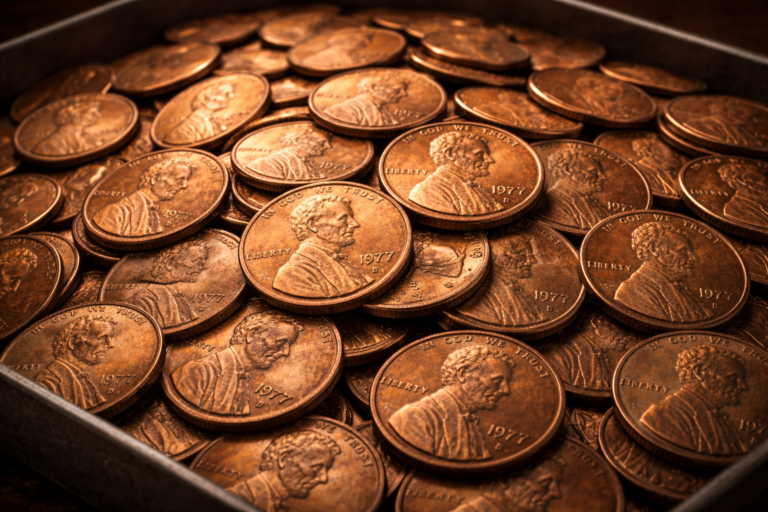
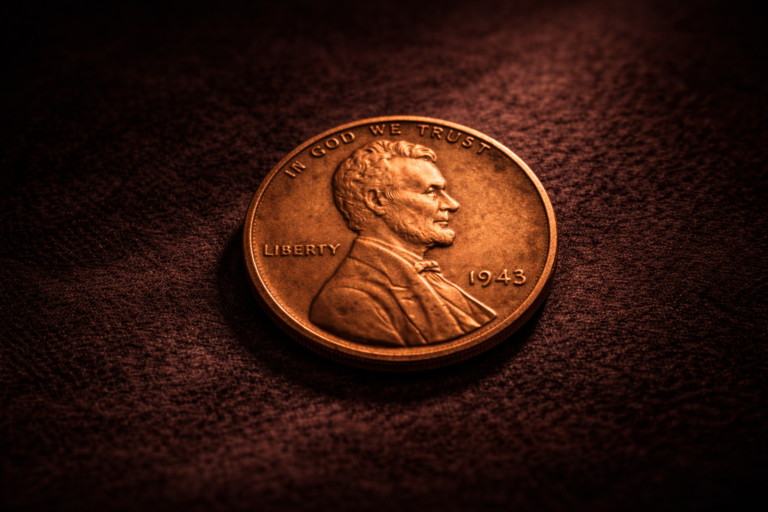
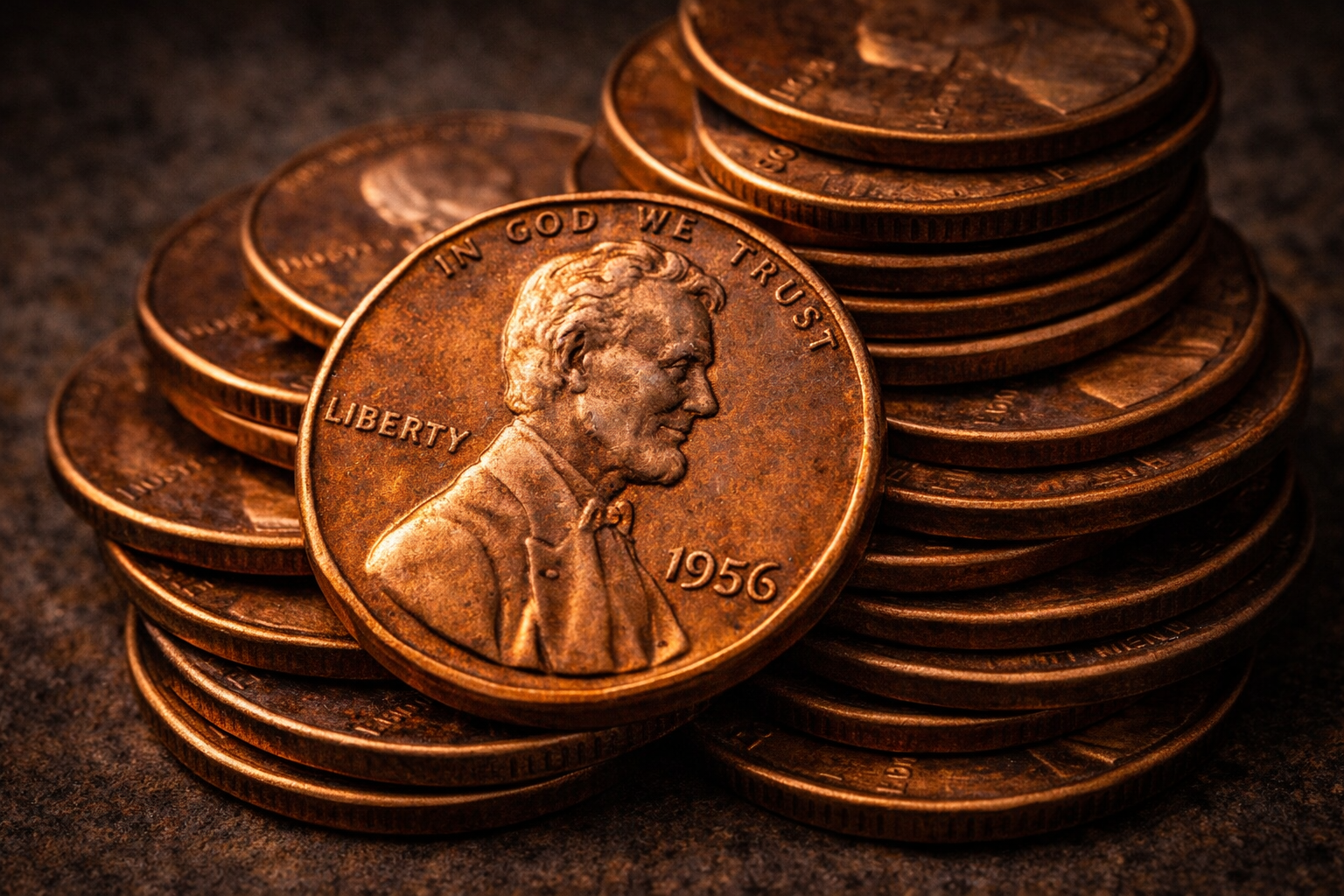
At first glance, a U.S. penny looks like the simplest coin ever created. Small, lightweight, and often overlooked, it has passed through countless hands without much attention. But if you look closely at pennies minted before 1982, you will notice something different. They feel heavier. They sound different when dropped. And most importantly, they are made mostly of copper.
This was not an accident. For decades, copper played a central role in American coinage, shaping not only how coins looked but how they were valued and used. The story behind pre-1982 pennies is not just about metal. It is about economics, history, and the moment when everyday money quietly changed forever.
The Origins of the Lincoln Penny
The Lincoln penny was first introduced in 1909 to mark the centennial of Abraham Lincoln’s birth. It was the first regular U.S. coin to feature a real historical figure rather than a symbolic representation of Liberty. This marked a turning point in American coin design.
From the beginning, the penny was made primarily from copper. This decision was not just about appearance. Copper had already been used in smaller denominations for decades, and it offered a balance between durability, cost, and availability.
As the coin entered circulation, it quickly became one of the most widely used coins in the country. It was part of everyday life, used in small purchases, public transport, and basic transactions.
Why Copper Was Used in Pennies
Copper was chosen for several practical reasons. First, it was relatively abundant and easy to work with. This made it suitable for large-scale coin production. Second, copper had a distinctive color that made pennies easy to recognize.
Another important factor was durability. Pure metals can be too soft or too brittle, but copper alloys provided the right balance. Coins needed to survive years of circulation without losing their shape or design.
There was also a deeper historical reason. Copper had long been associated with lower denominations in many monetary systems. Using copper for pennies created continuity with earlier coinage traditions.
Composition of Pre-1982 Pennies
Before 1982, most U.S. pennies were made from an alloy consisting of approximately 95 percent copper and 5 percent tin and zinc. This composition gave the coin its classic reddish-brown appearance and its noticeable weight.
A typical pre-1982 penny weighs about 3.11 grams. This weight difference is one of the easiest ways to distinguish it from later coins.
This composition remained largely unchanged for decades, making copper pennies one of the most stable forms of American coinage in terms of material.
Copper Pennies in Everyday Life
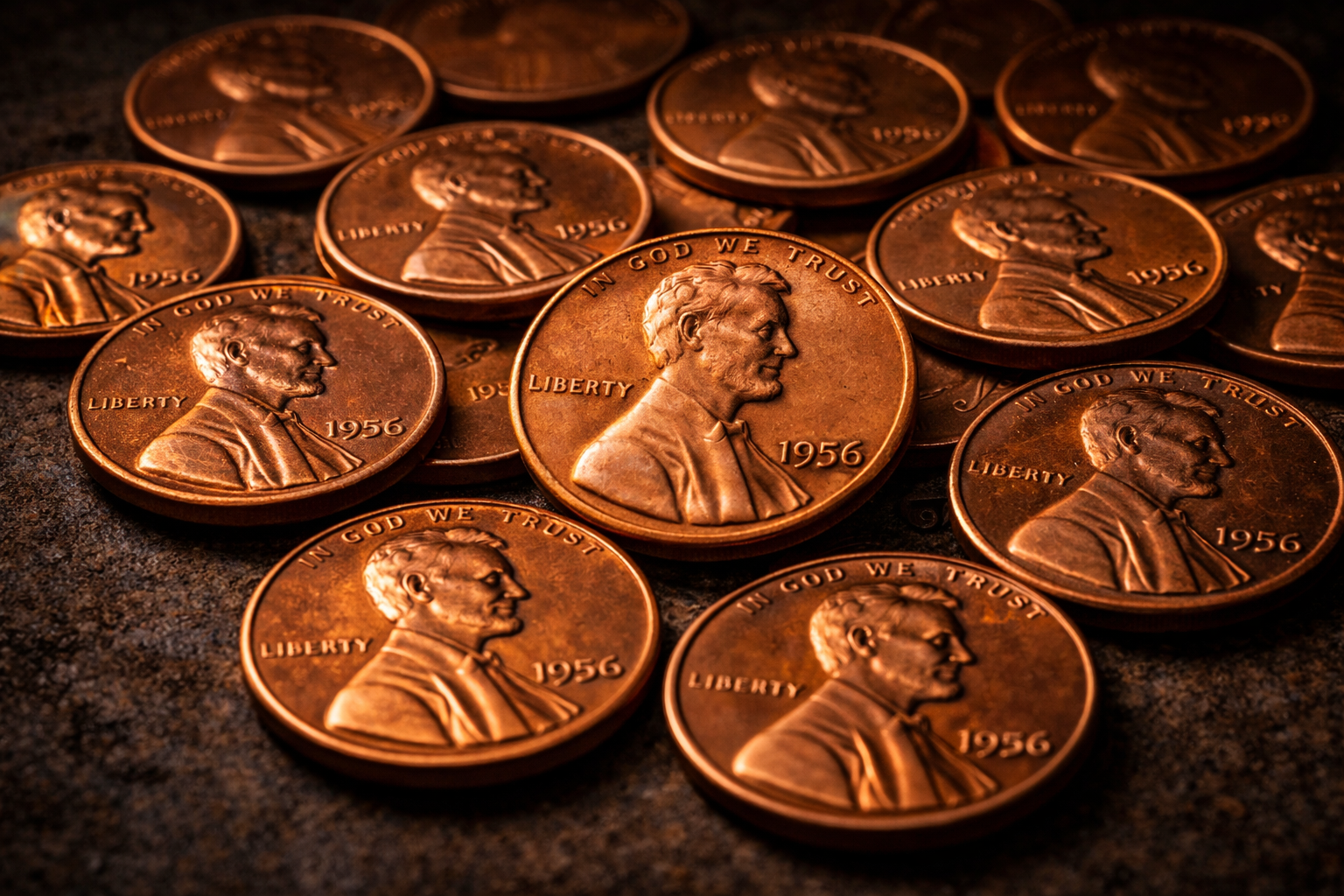
For much of the twentieth century, copper pennies were everywhere. They were used in vending machines, parking meters, and small transactions in shops and markets. People rarely thought about the material inside the coin, but it was always there, quietly carrying real metal value.
Children collected pennies in jars. Store owners counted them at the end of the day. Banks processed them in massive quantities. The penny was more than just currency. It was part of daily routine.
Over time, these coins developed a worn look that reflected their journey through countless hands. Each mark and scratch told a story of circulation and use.
Economic Pressure on Copper
By the late 1970s, something began to change. The global price of copper started rising steadily. As the price increased, the cost of producing pennies also increased.
At a certain point, the metal inside the penny began approaching the face value of the coin itself. This created a serious economic problem. Producing coins at a loss was not sustainable.
The situation was similar to what happened with silver coins earlier in American history. When the intrinsic value of a coin becomes too high, people begin to remove it from circulation.
This pressure forced the government to reconsider how pennies were made.
The 1982 Transition Explained
In 1982, the United States Mint introduced a major change in penny composition. Instead of using mostly copper, new pennies were made from a zinc core with a thin copper coating.
This change reduced production costs significantly while maintaining the familiar appearance of the coin. At first glance, the new pennies looked almost identical to the older ones.
However, the internal structure was completely different. The weight dropped to around 2.5 grams, making the new coins noticeably lighter.
Interestingly, 1982 itself became a transitional year, with both copper and zinc pennies produced. This makes that year particularly important in the history of U.S. coinage.
Copper vs Zinc Pennies
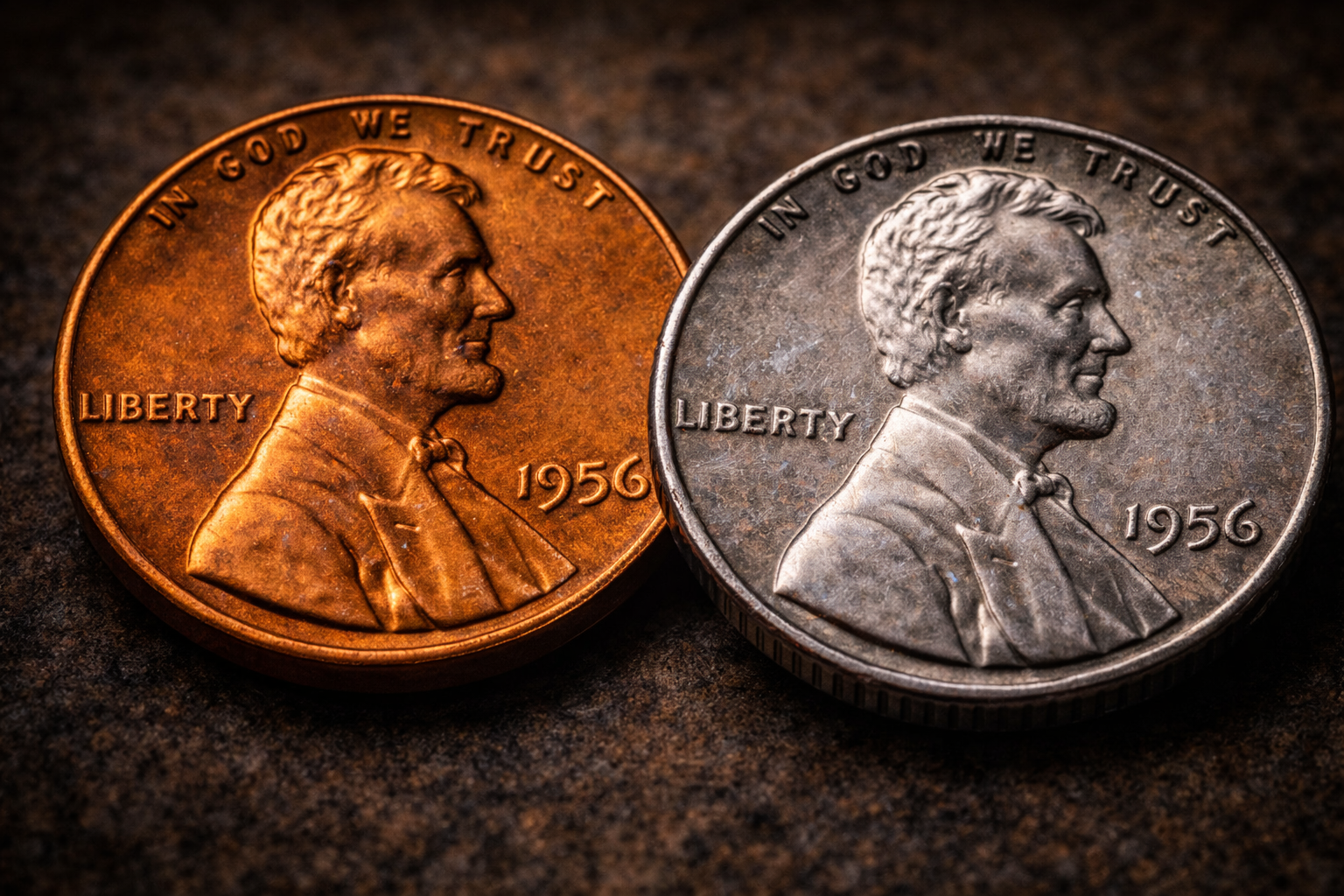
Although copper and zinc pennies may look similar, there are clear differences between them. Copper pennies tend to have a deeper color and a slightly different texture.
Zinc pennies, on the other hand, are lighter and often show signs of wear differently. Over time, the thin copper coating can reveal the zinc core underneath.
These differences become more noticeable when coins are examined closely or compared side by side.
How to Identify a Copper Penny
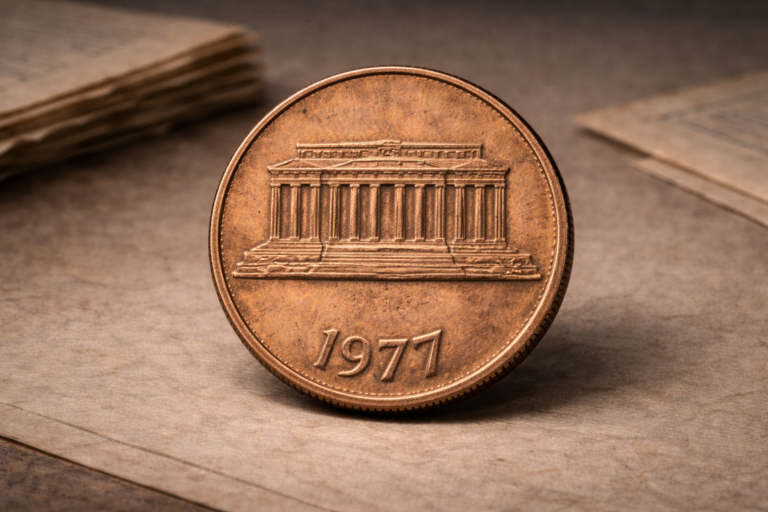
One of the easiest ways to identify a copper penny is by checking the date. Pennies minted before 1982 are usually made of copper.
Another method is weighing the coin. Copper pennies weigh around 3.11 grams, while zinc pennies are lighter.
Visual inspection can also help. Copper coins often have a warmer, richer tone compared to newer coins.
If you are interested in identifying other historical coins, you can also explore our guide to how to identify old U.S. silver coins.
Comparison Table
| Feature | Pre-1982 Copper Penny | Post-1982 Zinc Penny |
|---|---|---|
| Composition | 95 percent copper | Zinc core with copper coating |
| Weight | 3.11 grams | 2.5 grams |
| Color | Rich reddish tone | Lighter appearance |
| Durability | Strong alloy | More prone to surface wear |
Related HistoraCoin Stories
FAQ
Why were pennies made of copper before 1982
Copper was durable, widely available, and suitable for low-denomination coins, making it ideal for penny production.
What changed in 1982
The composition changed to a zinc core with a thin copper coating to reduce production costs.
How can I tell if my penny is copper
Check the date and weight. Pre-1982 pennies are usually heavier and made of copper.
Are copper pennies still used today
They are still found in circulation, but new pennies are no longer made from solid copper.