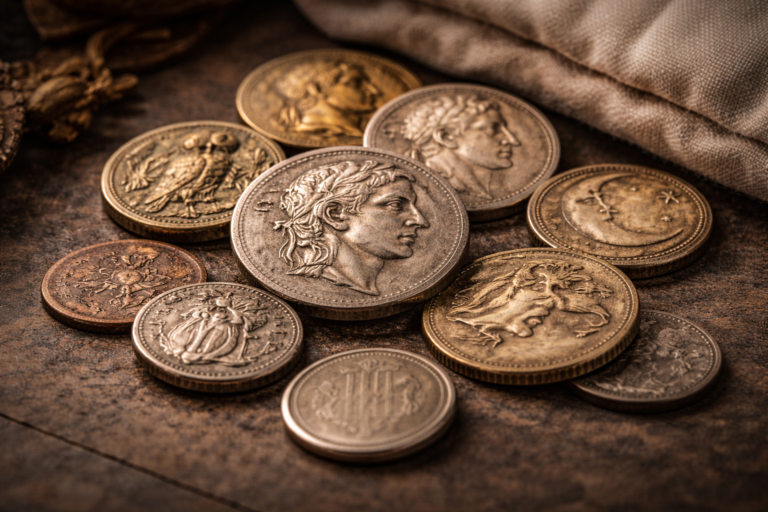
Why Some Coins Feel Cold and Others Feel Familiar
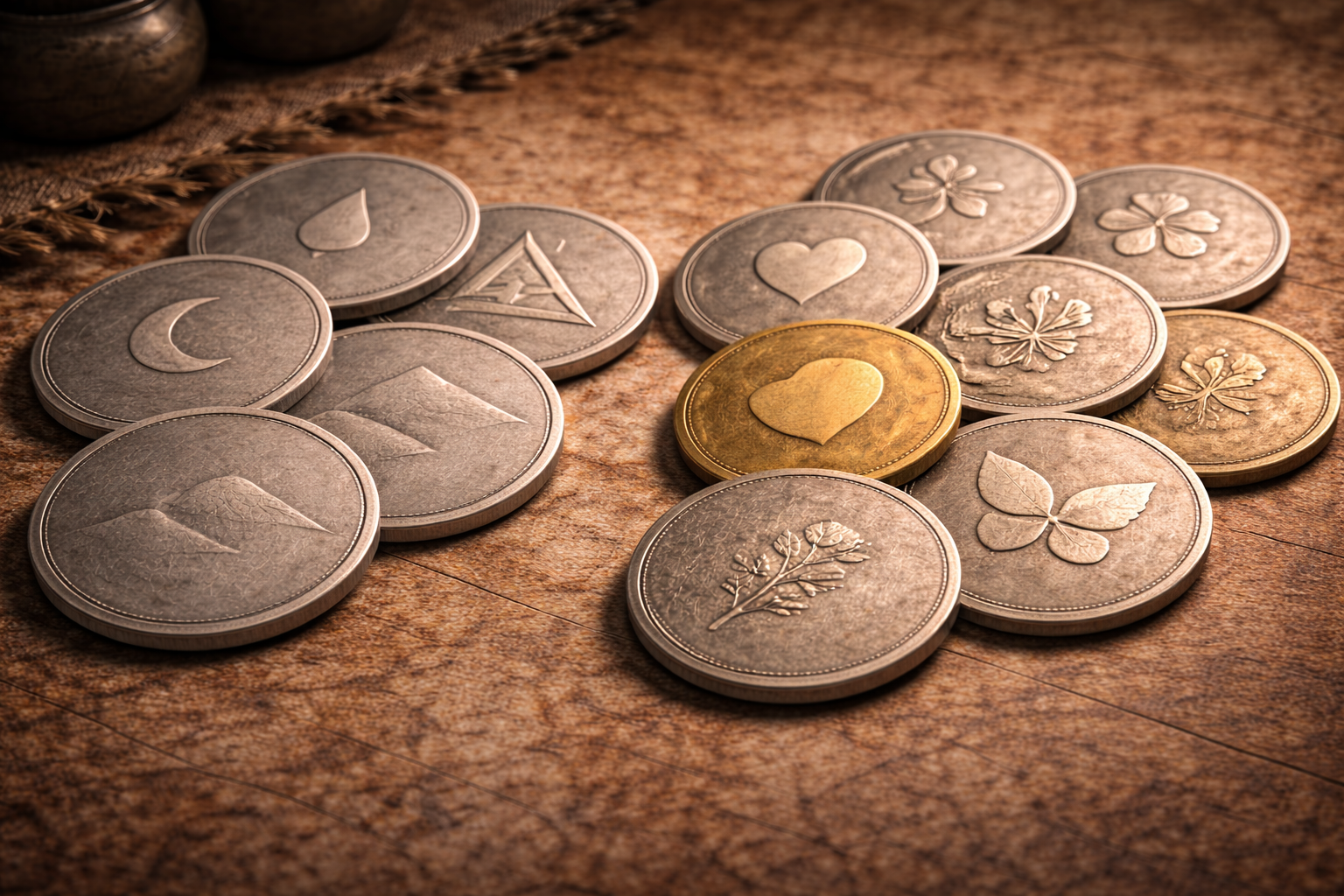
Estimated reading time: 10–12 minutes
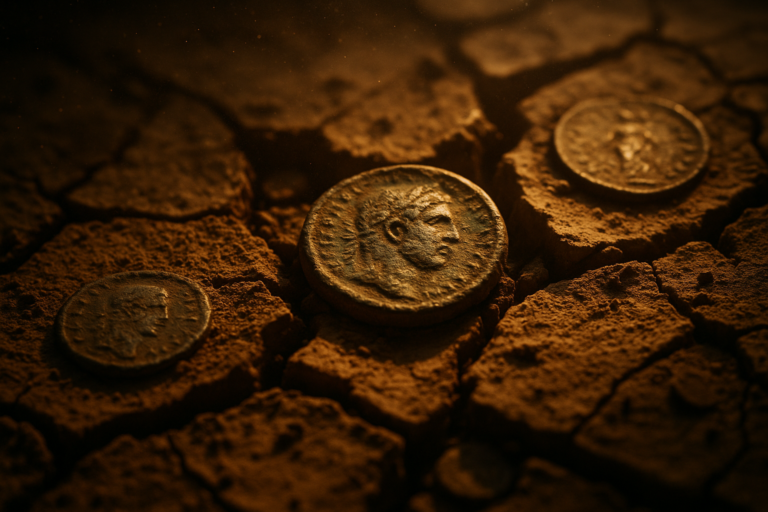
It’s a strange thing to admit, but it’s true. Some coins feel cold. Not “cold” because of metal temperature, but cold in a deeper way. They feel distant. Unfriendly. Almost like they were designed by a machine that never met a human hand.
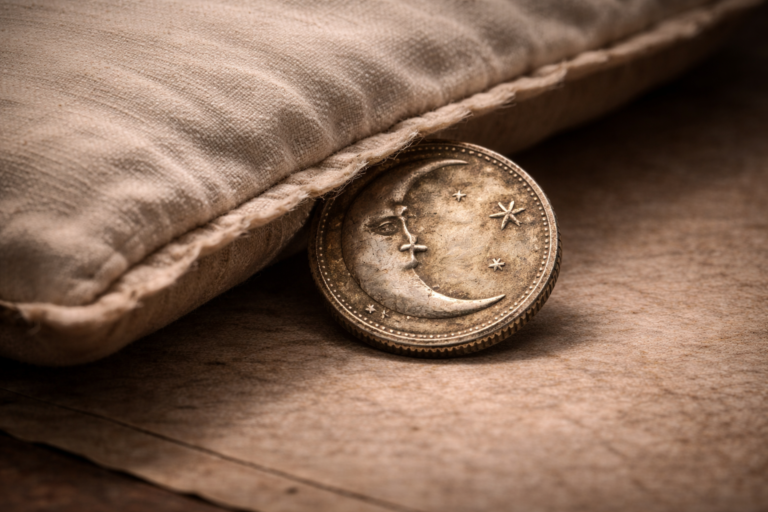
And then there are coins that feel familiar the moment you touch them. They feel approachable. Comfortable. Like they belong to daily life without effort. Even if the coin is from another place, something about it feels easy to accept.
Most people never stop to ask why. Coins are small. Ordinary. Repetitive. But design still works on us, even when we don’t notice. The shape of a line, the weight of empty space, the kind of symbol chosen, the softness of a curve, the mood of the layout all of it quietly shapes emotion.
Once you see that, coins become more than money. They become tiny psychological objects. And the difference between “cold” and “familiar” starts to look like a story about society itself.
Table of Contents
First Impressions Matter More Than We Think
People like to believe they are logical about money. A coin is worth what it represents, and design is just decoration. But our brains don’t work like that. We read objects emotionally before we read them logically.
First impressions are fast. They happen in the background. They happen through small signals: does the object look friendly, balanced, easy to read, familiar, safe? Or does it look harsh, rigid, sterile, and distant?
Coins are special because they repeat. You see them and touch them over and over. That repetition amplifies the emotional effect. If a coin feels awkward, you feel it every day. If a coin feels comfortable, it becomes part of routine.
And routine is powerful. Routine shapes trust. Trust shapes acceptance. This is one reason design matters even for the smallest objects.
A coin also lives close to the body. It sits in pockets, hands, wallets, and counters. Objects that live close to the body tend to carry emotional meaning faster than objects that stay far away. So if a coin feels cold, it can create subtle discomfort. If it feels familiar, it can create subtle confidence.
None of this requires a person to consciously think, “I dislike this coin.” The emotion is lighter than that. It’s more like atmosphere. But atmosphere is how daily life feels, and daily life is where money lives.
What Makes a Coin Feel Cold
Cold design usually comes from the removal of emotional cues. The coin becomes too clean, too sharp, too empty, too perfect, or too controlled. It can look like it was designed to be efficient, not to be lived with.
That can happen through several design features:
- hard geometry that feels rigid rather than organic
- sharp lines that create tension in the eye
- minimal symbolism with no warmth or cultural texture
- too much empty space that feels sterile instead of calm
- aggressive symmetry that feels controlled rather than balanced
Cold design is not always a mistake. Sometimes it’s intentional. Some eras prefer modern, clean imagery because it signals progress, order, or institutional strength. But what signals strength can also signal distance.
A “cold” coin often feels like it belongs to a system rather than to people. It feels official in a strict way, not in a comforting way.
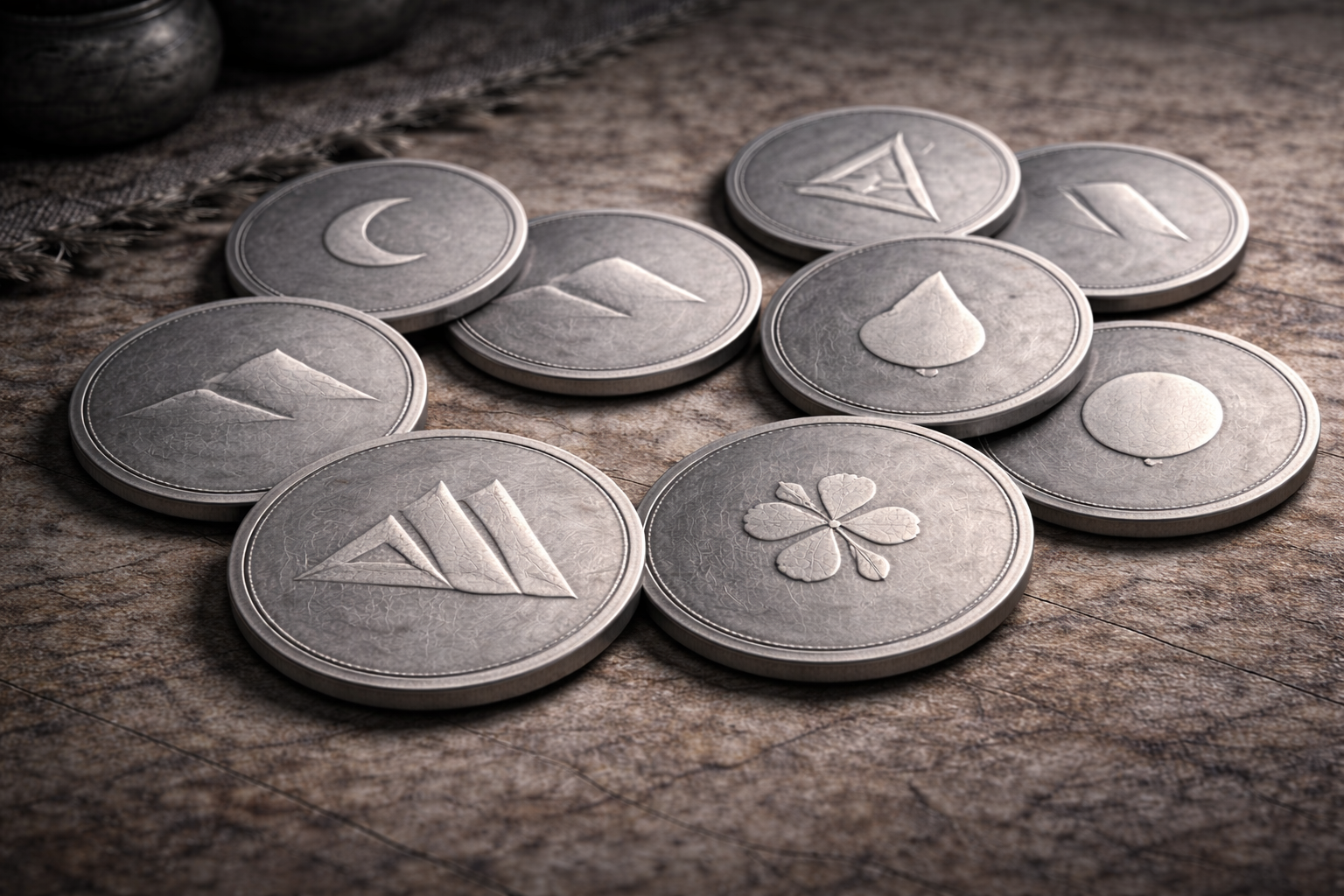
There’s also a cultural layer here. When a coin feels cold, it can reflect a moment when society valued neutrality, efficiency, or modernity more than warmth. That’s not automatically bad. It just creates a different emotional atmosphere.
Coldness can also come from symbolism that feels too abstract. Abstract symbols can be powerful, but they can also feel disconnected from daily life. A person might not feel “represented” by a geometric emblem, even if it stands for the nation.
In a way, cold coins can make you feel like a visitor in your own currency. The coin still works, but it doesn’t greet you. It doesn’t invite you in. It simply exists.
Familiarity Built Through Repetition
Familiarity is one of the strongest forces in everyday design. A coin can feel unfamiliar at first, but repetition can soften that feeling. Over time, people stop noticing the sharp edges and start accepting the object as normal.
This is why governments care about stability in coin design. A stable design becomes part of public memory. People learn it without trying. It becomes a background symbol of daily life.
Familiarity also creates trust. Not logical trust, but emotional trust. You trust what your brain recognizes quickly. You trust what feels routine. That’s why a design that is too experimental can feel uncomfortable for longer.
But familiarity isn’t only about time. It’s also about what the coin shows. Coins that use common human-friendly symbols become familiar faster: plants, animals, landmarks, patterns that feel cultural rather than technical.
Even the way a symbol is drawn matters. A soft, organic engraving can feel welcoming. A hard, sterile engraving can feel cold.
Repetition turns design into memory. And memory turns design into comfort. That’s one of the quiet ways coins shape how a society feels about itself.
Design Choices That Create Comfort
So what makes a coin feel familiar and comforting? Usually it’s the presence of small cues that feel human. The coin doesn’t need to be emotional in a dramatic way. It just needs to feel approachable.
Comfort often comes from:
- rounded shapes that reduce visual tension
- organic motifs like plants or animals
- landmarks that connect identity to place
- balanced composition that feels calm rather than strict
- texture and detail that feels crafted rather than manufactured
Comfort also comes from symbolism that feels shared. A plant is not “for one group.” A landmark is not “for one ideology.” These symbols allow people to see themselves in the coin without needing to agree on politics.
Many familiar-feeling coins also have a sense of visual rhythm. The design leads the eye gently rather than forcing it. Even if the coin is simple, it feels intentional. That intention can feel like care.
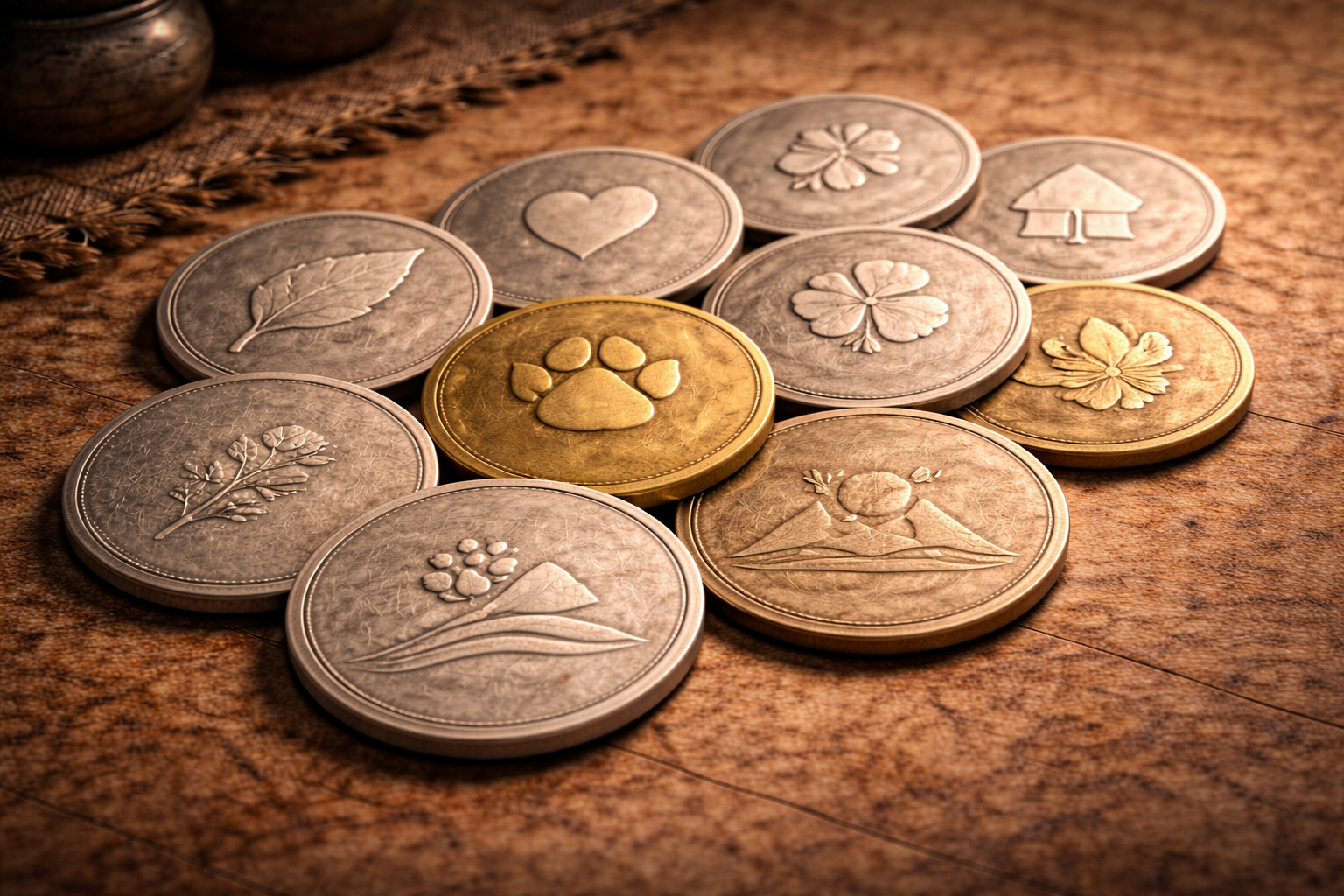
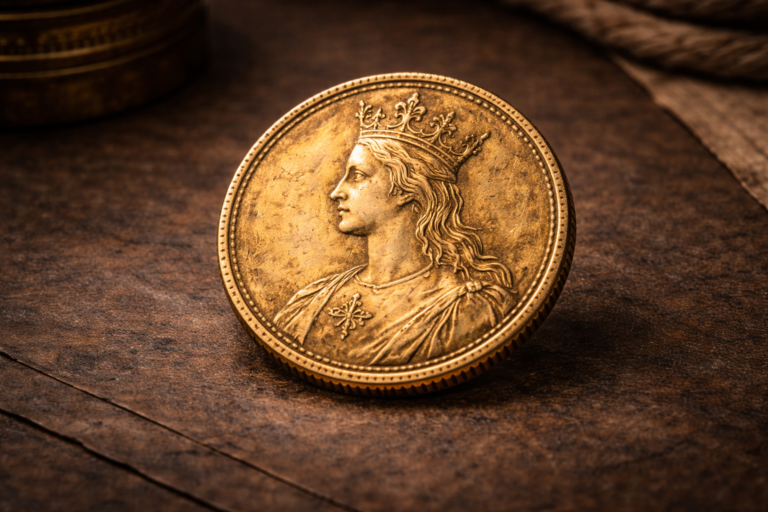
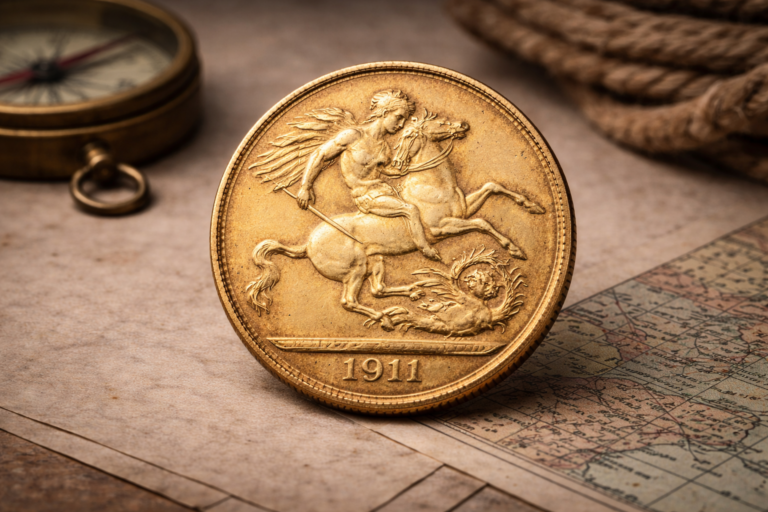
This is also why some older coins feel more familiar than newer ones even to people who never lived in that era. Traditional motifs and crafted engraving can feel warmer because they carry human fingerprints.
A familiar coin doesn’t always look impressive. It looks livable. And livable design is what most people want from everyday objects.
Why Neutral Coins Often Feel Safer
Neutral design can sometimes feel cold, but it can also feel safe. Safety is another emotional layer coins can carry.
Neutral coins avoid symbols that could divide. They avoid faces that people could judge. They avoid messages that could feel political. That avoidance can create a calm atmosphere.
In modern society, where people have different identities and opinions living side by side, calm matters. A coin that feels neutral can feel like shared space. And shared space can feel safe.
This is why many modern coins choose symbols that feel universally acceptable. They want the coin to belong to everyone, not to a specific narrative.
A coin can feel safe when it avoids telling you what to believe and focuses on what you can share.
Safety, comfort, and familiarity are connected, but not identical. A coin can feel safe and still feel cold if it becomes too sterile. A coin can feel warm and still feel political if the symbol is controversial.
The best everyday designs often find a balance. Calm without emptiness. Neutral without sterility. Identity without confrontation.
Emotional Memory and Everyday Money
Coins don’t just carry symbols. They carry experiences. People remember where they were when they used certain coins. They associate coins with childhood, travel, work, family, small purchases, daily routines.
That emotional memory attaches itself to design. A coin becomes familiar not only because you’ve seen it many times, but because you’ve lived with it in real moments.
This is also why coins can trigger nostalgia. A simple coin design can bring back an entire era in someone’s mind. It’s not the coin itself, it’s what the coin touched in their life.
Cold coins can struggle here. If a design feels too sterile, it can feel harder to attach memory to it. It can still become routine, but it may not become beloved.
Familiar coins invite memory more easily. They feel like they belong to everyday stories. And everyday stories are what most people are made of.
The difference between cold and familiar is often the difference between “designed for a system” and “designed for a life.”
If you think about it that way, coin design becomes more than an artistic decision. It becomes a small emotional policy, repeated millions of times in daily hands.
Final Reflection
Some coins feel cold because they remove too many human cues. They become strict, sterile, and distant. Others feel familiar because they hold warmth in small ways: softer forms, shared symbols, crafted detail, a calm balance.
Both types tell a story. Cold coins can reflect modernity, institutional strength, or a desire to stay neutral. Familiar coins can reflect heritage, shared identity, and designs made to live comfortably in daily life.
The next time you hold a coin, notice how it feels before you even analyze it. That first emotional reaction is not random. It’s the coin quietly doing its job as a designed object in a human world.