Why the United States Stopped Using Silver Coins in 1965
Estimated reading time: 18 minutes
For much of American history, silver coins were a normal part of everyday life. Dimes, quarters, and half dollars contained real silver, and people used them constantly in daily transactions. These coins were not rare collectibles at the time. They were simply the money that moved through the economy every day.
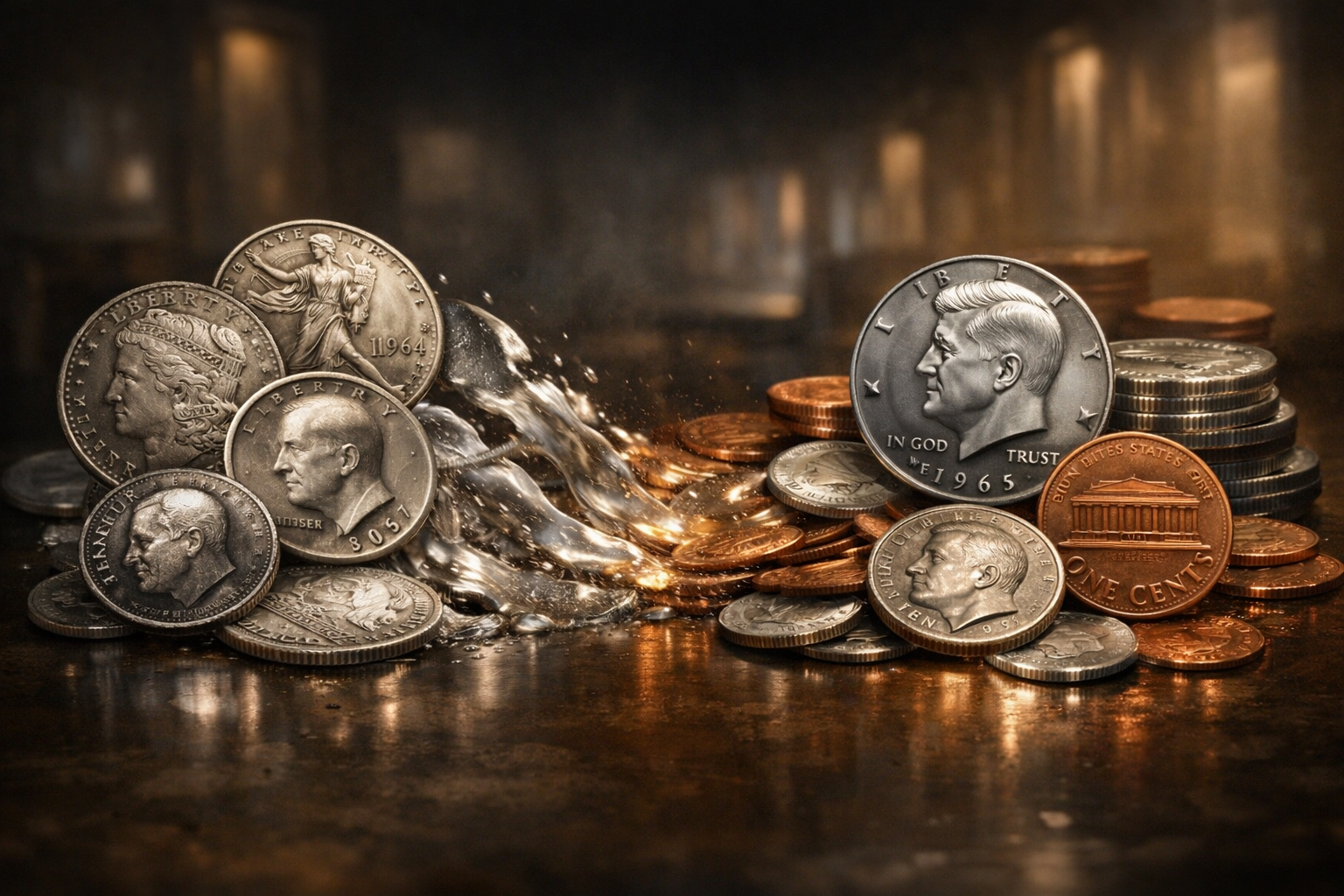
However, by the mid twentieth century the United States faced a growing problem. The price of silver was rising rapidly, and the metal inside many coins was beginning to approach the official value of the coins themselves. This economic pressure eventually led to one of the most important changes in American coinage history. In the nineteen sixties the United States removed silver from most circulating coins, permanently changing the composition of American money.
- Silver Coins in the United States Before 1965
- Silver Content of Early American Coins
- The Coin Shortage of the Early 1960s
- Rising Silver Prices and Economic Pressure
- The Coinage Act of 1965
- The Transition to Clad Coinage
- What Happened to Silver Coins in Circulation
- Why Silver Coins Remain Important Today
- Silver Coins in the Broader Story of American Money
- Related HistoraCoin Stories
- FAQ
Silver Coins in the United States Before 1965
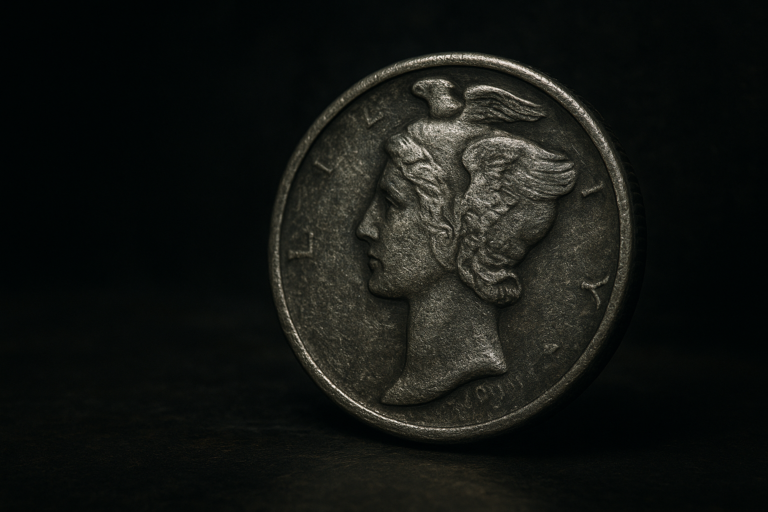
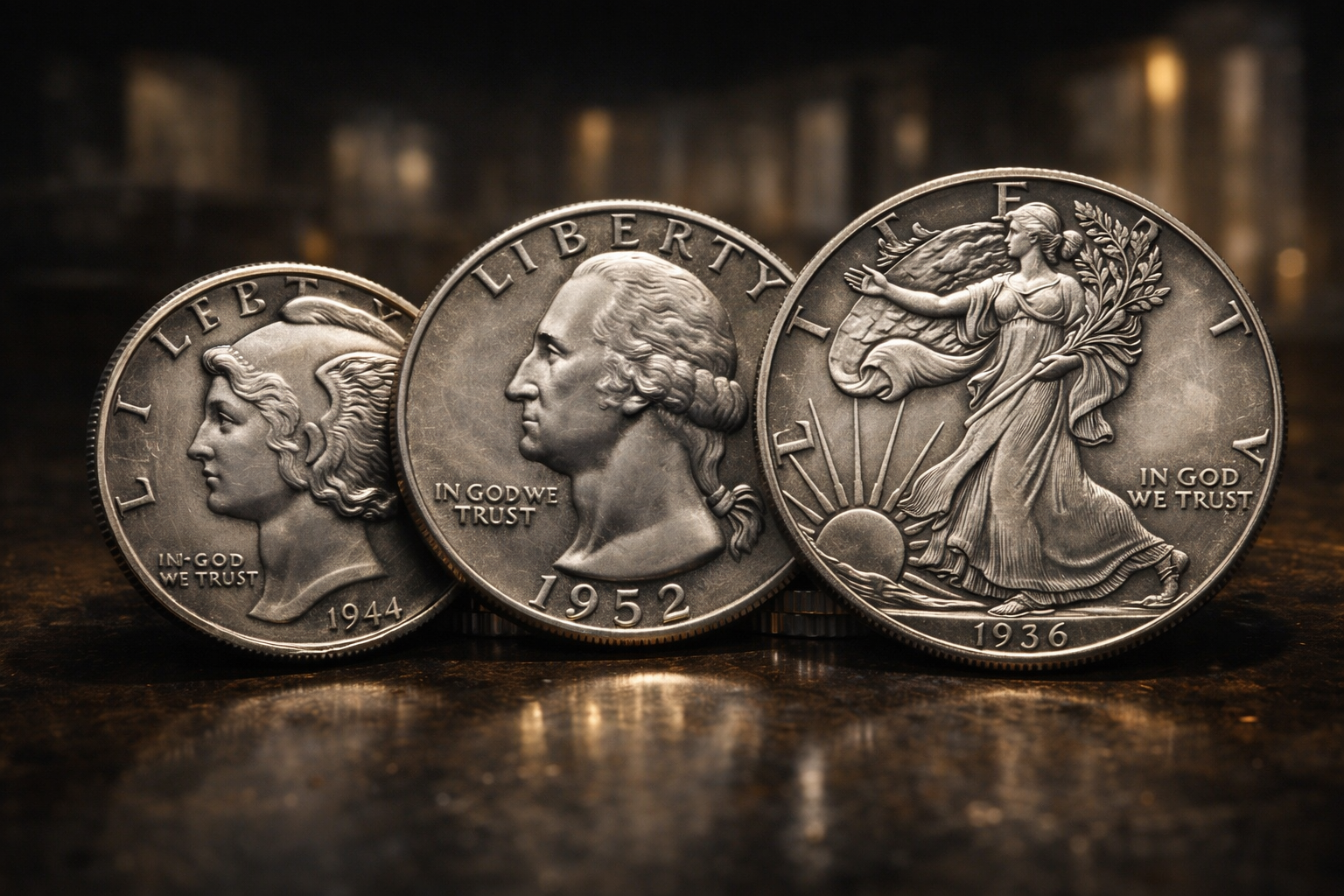
Silver was one of the most important metals in early American currency. From the founding of the United States, silver coins formed a major part of the national monetary system. Coins such as the dime, quarter, and half dollar were traditionally struck from a silver alloy containing ninety percent silver and ten percent copper.
This standard composition remained largely unchanged for more than a century. Generations of Americans grew accustomed to coins that contained precious metal. These coins circulated widely across the country and played a crucial role in everyday commerce.
For many decades people rarely questioned the metal content of their coins. Silver coins were simply part of the monetary system, and their value was trusted because the metal itself carried intrinsic worth.
Silver Content of Early American Coins
| Coin | Silver Content | Years |
|---|---|---|
| Dime | 90 percent silver | 1796 to 1964 |
| Quarter | 90 percent silver | 1796 to 1964 |
| Half Dollar | 90 percent silver until 1964 | 1794 to 1964 |
| Kennedy Half Dollar | 40 percent silver | 1965 to 1970 |
For most of American history this ninety percent silver standard remained stable. The remaining ten percent copper strengthened the coin and helped it resist wear during circulation.
This composition created coins that were both durable and valuable. The presence of silver gave the coins intrinsic worth, while the copper ensured they could survive constant handling.
The Coin Shortage of the Early 1960s
During the early nineteen sixties the United States experienced a serious coin shortage. Businesses and banks across the country began reporting difficulties obtaining enough coins for everyday transactions.
Several factors contributed to this shortage. One major reason was the growing demand for coins as the population increased and economic activity expanded. More transactions required more coins in circulation.
At the same time many people began saving silver coins instead of spending them. As the value of silver rose, individuals realized that the metal inside the coins could eventually become more valuable than the coins themselves.
This behavior removed large numbers of coins from circulation. When people stored coins in jars or collections instead of spending them, the supply of circulating coins decreased dramatically.
Rising Silver Prices and Economic Pressure
The rising price of silver created another serious challenge for the United States Mint. As global demand for silver increased, the cost of producing silver coins rose significantly.
By the early nineteen sixties the situation had become increasingly unsustainable. If the price of silver continued to rise, the metal inside coins would eventually exceed the official value of the coins themselves.
This would create a powerful incentive for people to melt coins for their metal content. Governments around the world had faced similar problems throughout history when precious metal coins became too valuable.
To prevent this outcome the United States government began exploring alternatives to traditional silver coinage.
The Coinage Act of 1965
In nineteen sixty five the United States passed the Coinage Act, a law that dramatically changed the composition of American coins. The legislation removed silver from circulating dimes and quarters and introduced a new metal structure known as clad coinage.
Clad coins were constructed using layers of copper and nickel instead of silver. This allowed the Mint to produce coins at a much lower cost while maintaining a similar appearance to earlier silver coins.
The half dollar initially retained some silver content after the law was passed, but even that reduced level eventually disappeared as economic conditions continued to change.
The Coinage Act of nineteen sixty five therefore marked a turning point in the history of American currency. For the first time in generations everyday coins no longer contained precious metal.
The Transition to Clad Coinage
Transitioning from silver coins to clad coins required careful planning. The government needed to introduce new coins without disrupting daily commerce or undermining public confidence in the currency.
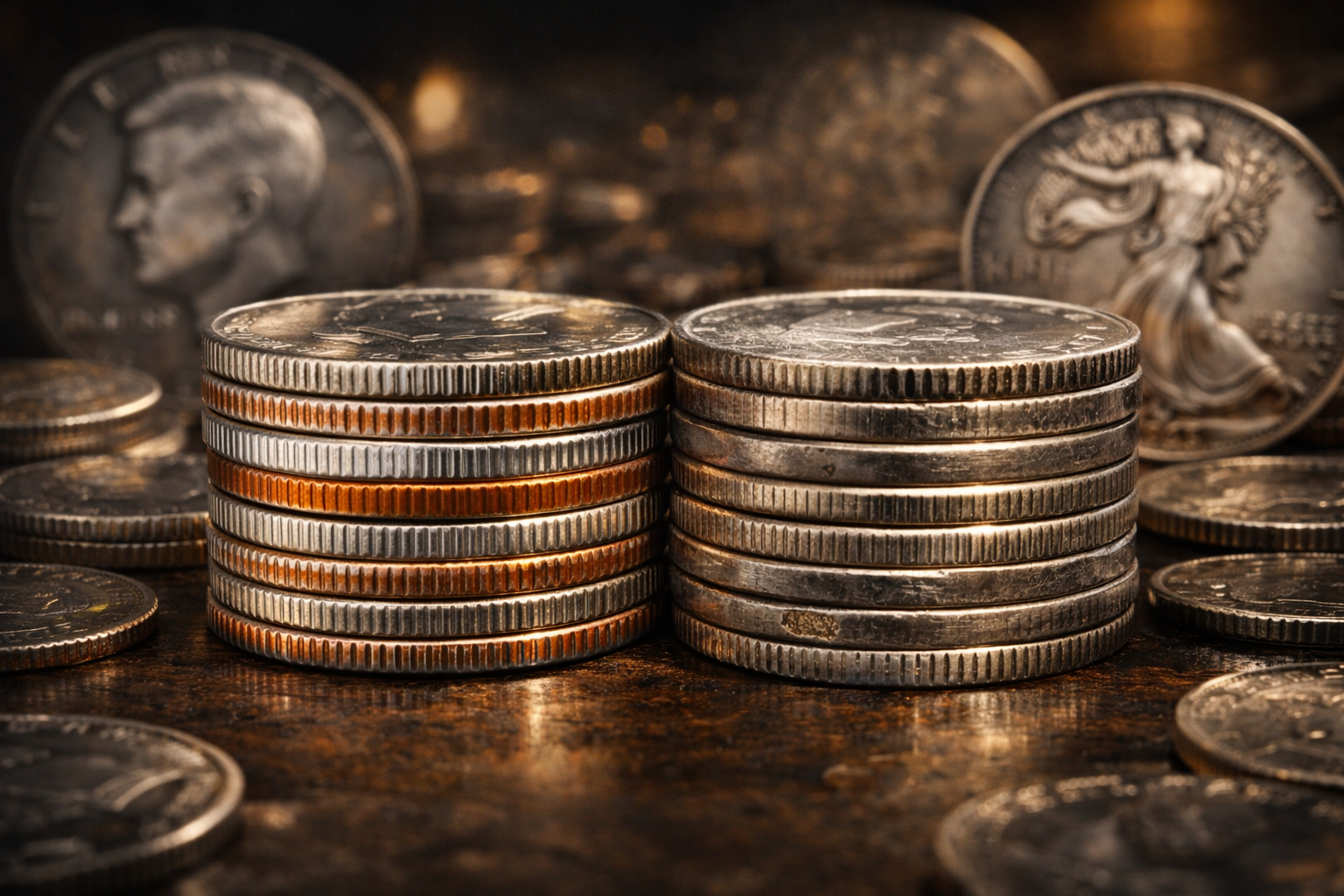
The new coins used a layered structure with a copper core sandwiched between outer layers of copper and nickel. This composition produced a durable coin that visually resembled earlier silver coins while eliminating the high cost of precious metal.
Although the new coins looked similar to older ones, collectors and attentive observers quickly noticed differences. One of the most obvious indicators was the edge of the coin, where the copper layer became visible.
What Happened to Silver Coins in Circulation
Once the transition to clad coinage began, silver coins gradually disappeared from circulation. Many people continued to save them because of their precious metal content.
Over time banks and businesses began returning silver coins to the Federal Reserve system, where they were eventually removed from circulation. Some coins entered private collections, while others remained stored as historical artifacts.
Today it is increasingly rare to encounter a genuine silver coin in everyday circulation. Most have been preserved by collectors or retained by individuals who recognize their historical significance.
Why Silver Coins Remain Important Today
Although silver coins are no longer part of everyday transactions, they remain extremely important to collectors and historians. These coins represent a long tradition of precious metal coinage that shaped American money for more than a century.
Collectors often study silver coins to understand how designs evolved, how minting technology improved, and how economic conditions influenced currency production.
If you want to explore this subject further, you can read our guide to old U.S. coins made of silver, which explains the history and types of silver coins used throughout American history.
Silver Coins in the Broader Story of American Money
The story of silver coins is deeply connected to the broader evolution of American currency. For more than a century silver coins represented a tangible link between money and precious metals.
When the United States removed silver from circulating coins, it marked the beginning of a new era in which coinage relied primarily on industrial metals rather than precious ones.
Despite this change, the legacy of silver coins remains an important part of American numismatic history.
Related HistoraCoin Stories
FAQ
When did the United States stop using silver in most coins
Major changes occurred in nineteen sixty five when the Coinage Act removed silver from circulating dimes and quarters.
Why were silver coins removed from circulation
Rising silver prices and coin shortages made it difficult to continue producing coins containing large amounts of precious metal.
Did any coins still contain silver after 1965
The Kennedy half dollar retained some silver content for a short period before eventually transitioning to clad composition.
Are silver coins still produced today
Modern circulating coins do not contain silver, although the United States Mint occasionally produces special collector coins made from silver.