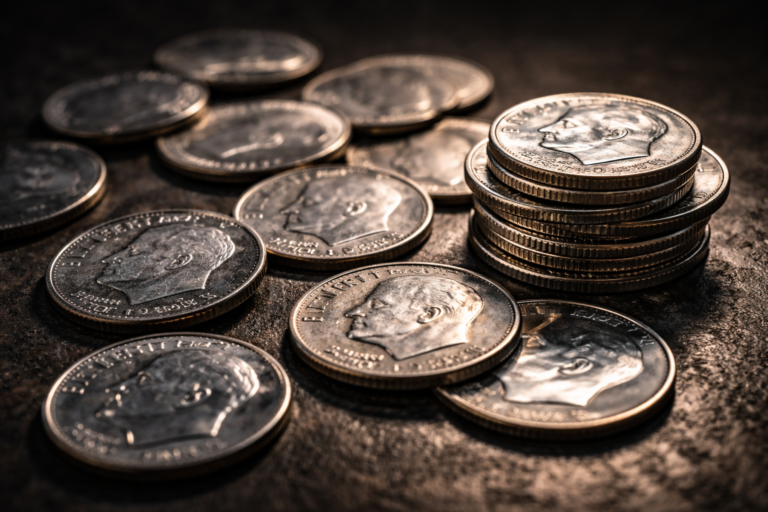
Why U.S. Dimes Stopped Being Made of Silver

Estimated reading time: 23 minutes
For most of American history, dimes were not just coins. They were small pieces of real silver. Every transaction carried actual metal value, not just a printed number. But in 1965, that changed completely.
The removal of silver from dimes was not a design update. It was a response to a growing crisis. Rising metal prices, disappearing coins, and economic pressure forced the government to make one of the most important decisions in U.S. coin history.
The Era of Silver Dimes
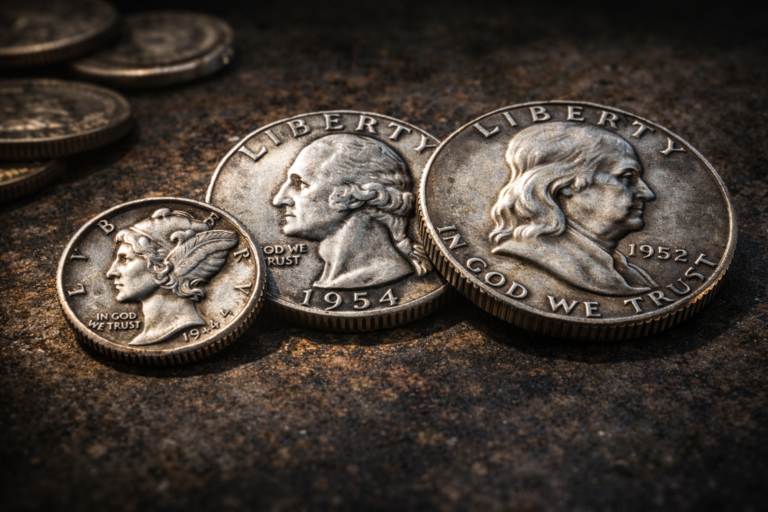
Before 1965, all U.S. dimes were made of silver. This was not unusual at the time. Many coins contained precious metals, and their value was tied directly to the metal they contained.
These coins were part of a long tradition. As explained in which dimes are made of silver, every dime minted before 1965 followed this standard composition.
This system worked well for decades. People trusted coins because they had real intrinsic value.
Why Silver Was Used in Coins
Silver was used because it provided stability. It had recognized value, was durable, and could be divided into consistent weights.
Coins were not just tokens. They represented real material worth. This made them reliable in both domestic and international trade.
For a long time, this system supported economic growth without major issues.
The Silver Crisis of the 1960s
By the early 1960s, things began to change. Silver demand increased globally. Industrial use expanded. Prices started rising quickly.
This created a serious problem for coin production. The metal inside the coin was becoming too valuable.
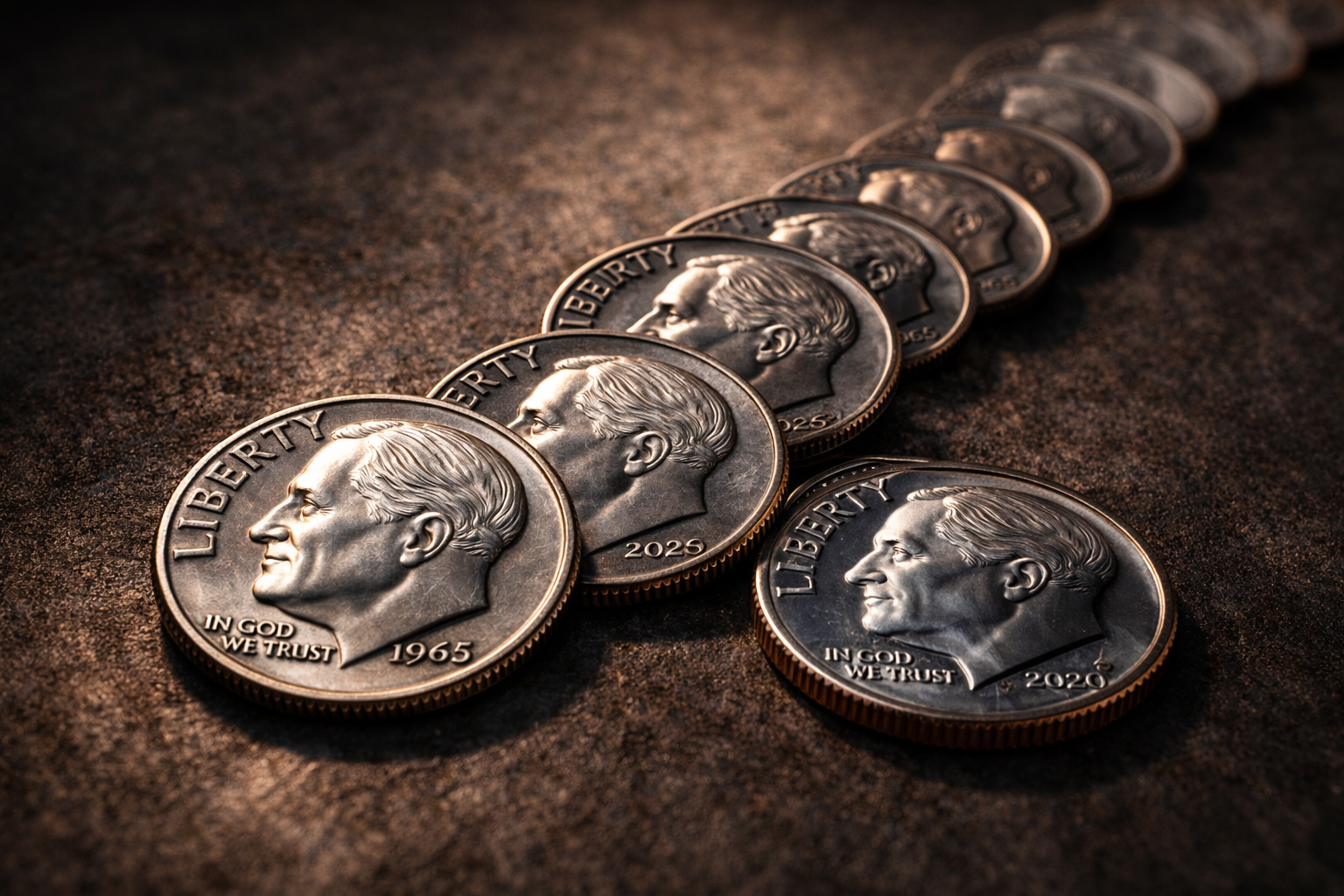
At this point, the system became unstable. Coins were no longer just currency. They were becoming valuable as raw material.
Why People Started Hoarding Coins
As silver prices rose, people began to notice something important. The metal inside the coin could be worth more than the coin itself.
This led to hoarding. People started saving silver coins instead of spending them.
When coins stop circulating, the entire system is affected. Businesses struggle to make change. Banks experience shortages.
This was one of the biggest triggers behind the government’s decision.
The Coinage Act of 1965
To solve the problem, the U.S. government passed the Coinage Act of 1965. This law removed silver from circulating dimes and quarters.
It was a major shift. For the first time, everyday coins no longer contained precious metal.
Instead, the government introduced a new system based on cheaper materials.
The Shift to Clad Coins
After 1965, dimes were made using a layered structure known as clad composition. This included a copper core with outer layers of nickel.
This design maintained the appearance of the coin while reducing production costs.
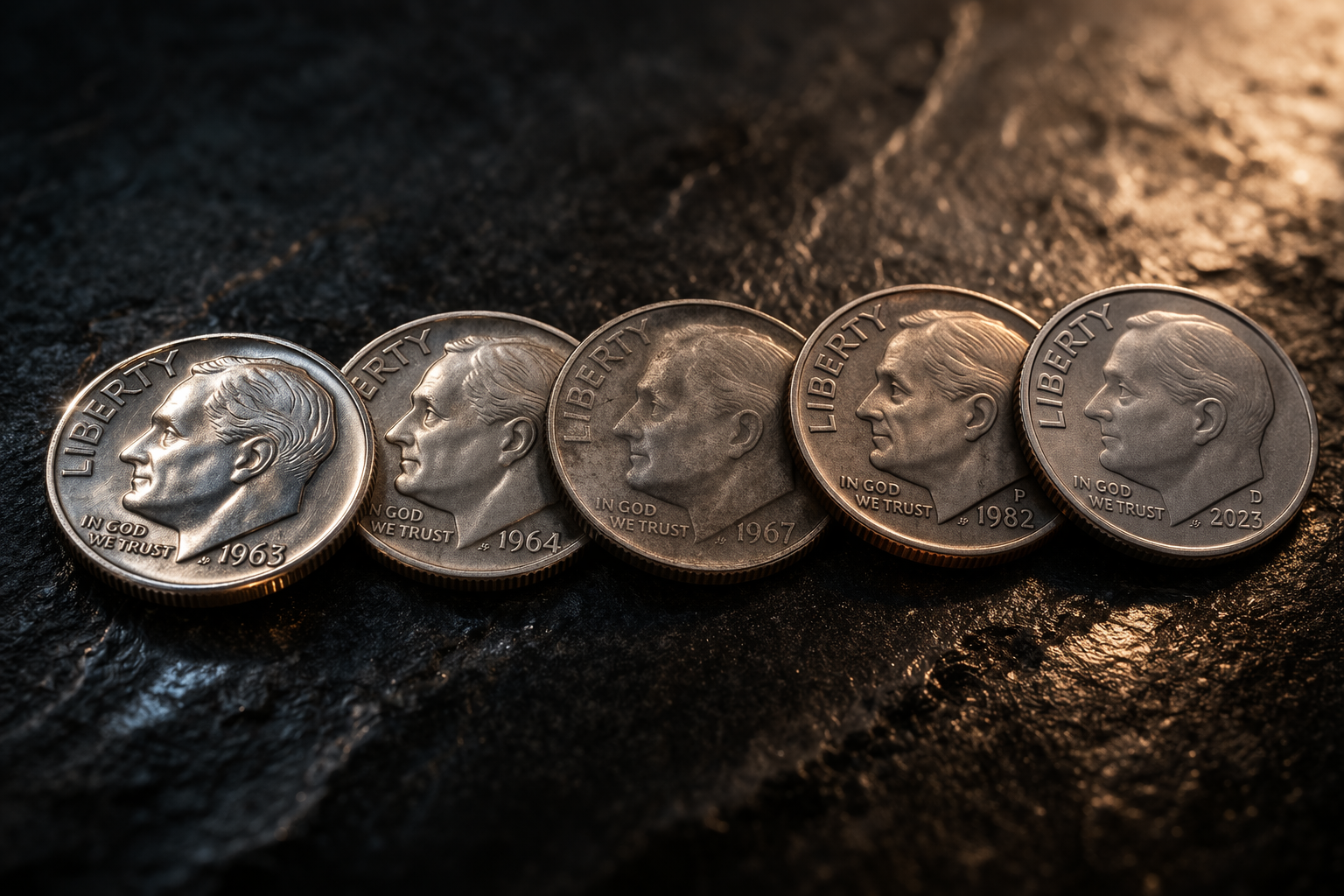
The goal was not to improve the coin. It was to preserve the system.
Silver vs Clad Dimes
| Feature | Silver Dime | Clad Dime |
|---|---|---|
| Material | 90 percent silver | Copper and nickel |
| Intrinsic Value | High | Low |
| Production Cost | High | Lower |
| Circulation Behavior | Hoarded | Widely used |
Impact on Everyday Life
For most people, the transition was invisible. Coins looked the same. Transactions continued as usual.
But behind the scenes, everything had changed. Coins no longer carried intrinsic value. They became symbolic currency.
This marked a shift toward modern monetary systems.
A Pattern Across U.S. Coins
The removal of silver from dimes was not an isolated event. It was part of a larger pattern.
As seen in how coin composition changed over time, similar changes happened with other coins.
In each case, rising material costs forced a transition to cheaper alternatives.
This shows how economic pressure shapes the physical form of money.
FAQ
Why did U.S. dimes stop being made of silver
Because rising silver prices made them too expensive to produce.
What year did dimes stop being silver
1965 was the transition year.
Are silver dimes still legal tender
Yes, but they are rarely found in circulation.
What replaced silver in dimes
A copper core with nickel outer layers.