Why the U.S. Mint Stopped Using Solid Copper Pennies
Estimated reading time: 20 minutes
For decades, the American penny was a copper coin. It had weight, durability, and a sense of permanence that people rarely questioned. But behind the scenes, something was changing. The cost of keeping that tradition alive was slowly becoming too high.
When the U.S. Mint finally stopped using solid copper pennies, it was not a random decision. It was the result of economic pressure, rising metal prices, and a difficult balance between tradition and practicality. To understand why this happened, you have to look deeper than the coin itself.
The Role of Copper in Early U.S. Coins
Copper has been part of American coinage since the earliest days of the United States. The first cents were made entirely of copper, and they were much larger than the coins we use today.
These early coins were not just about value. They were about identity. A young nation needed a reliable and recognizable currency, and copper provided exactly that.
As explained in the history of U.S. copper pennies, this material became deeply connected to everyday transactions.
Over time, even as designs evolved, copper remained the core of the penny’s identity.
Why Copper Became the Standard
Copper offered several advantages. It was relatively affordable, easy to mint, and durable enough for daily use. This made it ideal for small denomination coins.
More importantly, it created consistency. People trusted coins that looked and felt the same year after year.
For a long time, there was no reason to change this system. It worked efficiently, and it supported the needs of a growing economy.
Economic Pressure in the 1970s
By the late twentieth century, global markets began to shift. Industrial demand for copper increased, driving prices higher.
This created a serious problem for coin production. The material that once made pennies practical was becoming too expensive.
The U.S. Mint was facing a situation where the cost of raw materials could no longer be ignored.
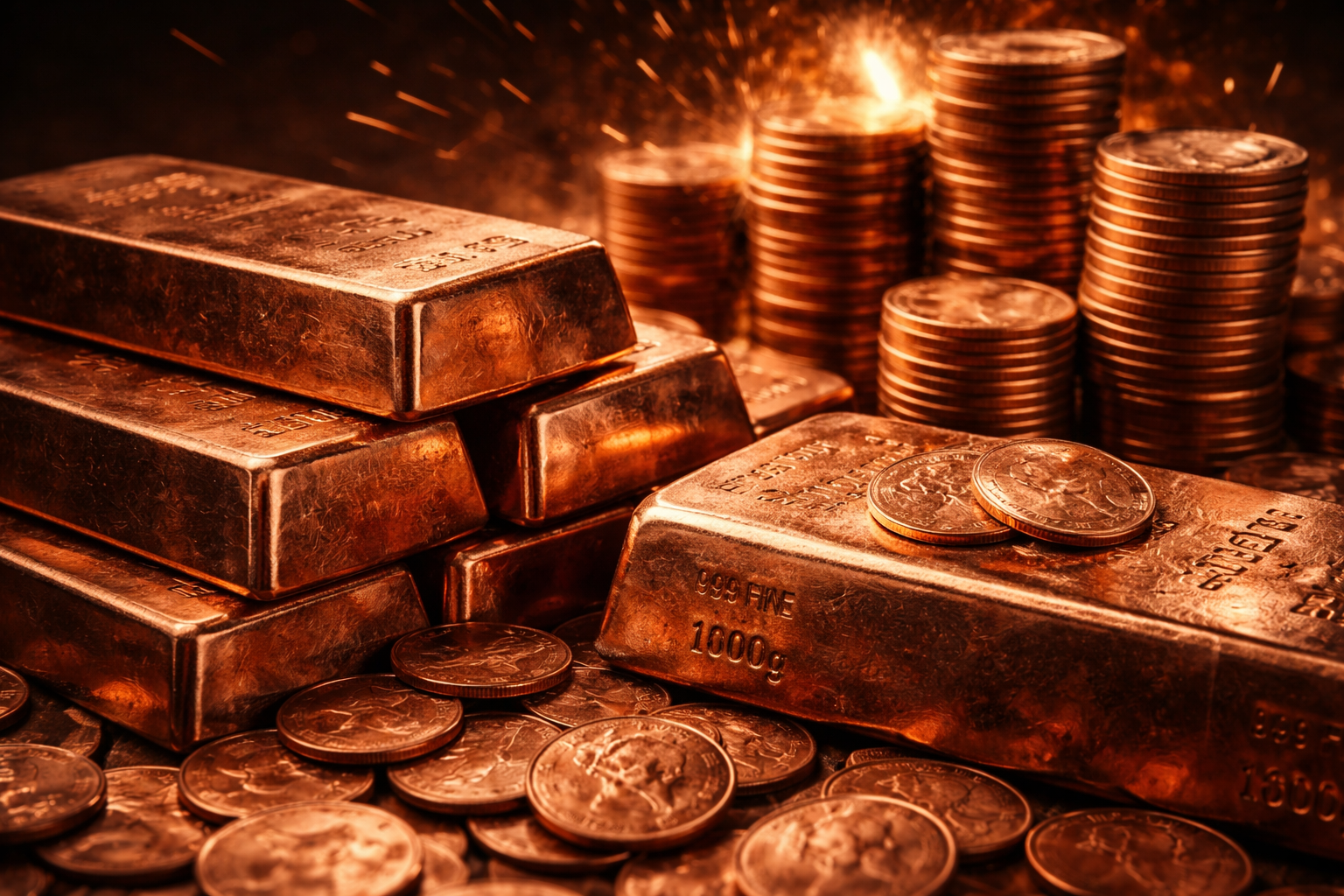
This pressure did not appear overnight. It built slowly over years, eventually forcing the government to reconsider how coins were made.
When Coins Cost More Than Their Value
At a certain point, the situation became unsustainable. Producing a penny using mostly copper was costing almost as much as the coin’s face value.
In some cases, it even approached the point where the metal itself was worth more than the coin.
This created a serious economic imbalance. The government could not continue producing coins at a loss indefinitely.
This moment was the real turning point. It was no longer about tradition. It was about survival.
The Decision to Change Composition
Faced with rising costs, the U.S. Mint made a strategic decision. Instead of eliminating the penny, they chose to change its internal composition.
This led to the introduction of zinc-based pennies with a thin copper coating.
The transition was not abrupt. As explained in what happened to copper pennies after 1982, both copper and zinc coins were produced during the same year.
This allowed the Mint to test and implement the change without disrupting circulation.
Copper vs Zinc Economics
| Factor | Copper Penny | Zinc Penny |
|---|---|---|
| Material Cost | High | Low |
| Production Efficiency | Declining | Improved |
| Weight | 3.11 grams | 2.5 grams |
| Durability | Stronger | Weaker |
This change was not about making a better coin. It was about making a sustainable one.
Impact on Coin Quality and Durability
The new zinc-based pennies behaved differently. They were lighter and more prone to damage.
If the outer copper layer wears off, the inner zinc core becomes exposed. This can lead to corrosion and visible deterioration.
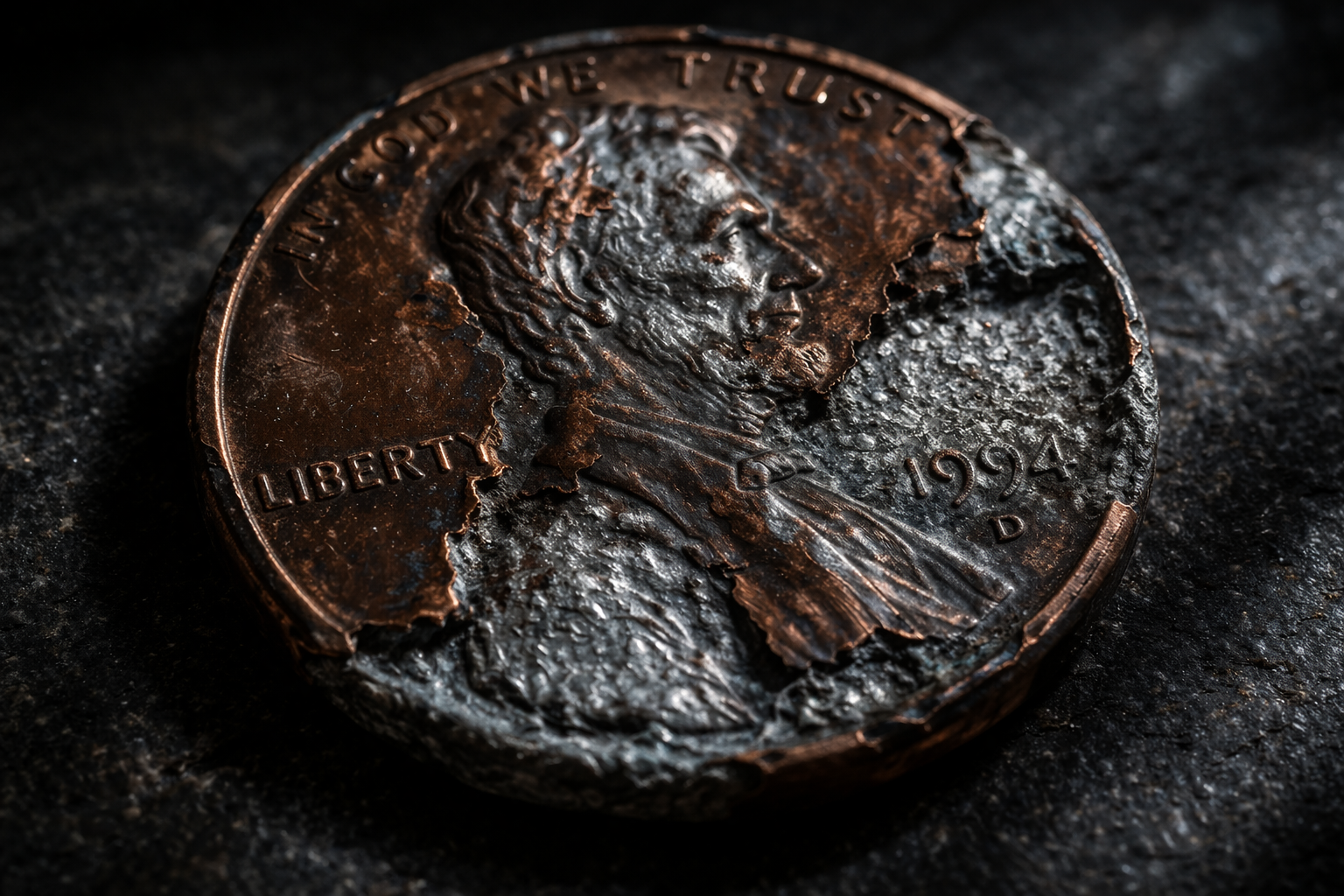
This is one of the biggest differences between older and modern pennies.
You can explore how to recognize these differences in how to tell if a penny is copper or zinc.
Public Perception and Trust
One of the most interesting aspects of this change is how little the public noticed it. The appearance of the penny remained the same.
This was intentional. The Mint preserved the copper color to maintain trust and familiarity.
People continued using pennies without questioning their composition. The identity of the coin stayed intact, even though its structure had changed completely.
Timeline of the Transition
| Year | Event |
|---|---|
| Pre-1982 | Solid copper pennies dominate circulation |
| 1982 | Introduction of zinc-based pennies |
| Post-1982 | Zinc pennies become standard |
FAQ
Why did the U.S. Mint stop using copper pennies
Because rising copper prices made production too expensive.
Are modern pennies made of copper
No, they are mostly zinc with a thin copper coating.
Did people notice the change
Most people did not notice because the appearance stayed the same.
Is the 1982 penny important
Yes, it marks the transition between copper and zinc coins.