Why Some Coins Feel Rare but Were Made for Everyday Use
Estimated reading time: 15–17 minutes
Almost every collector has felt it at some point. You’re holding a coin that looks old, unfamiliar, or different from modern designs, and your first instinct is to slow down and think, “This must be rare.” That feeling is completely natural. But history tells a different story. Many coins that feel rare today were actually made to be used every single day. They passed through countless hands, bought ordinary goods, and lived very public lives. What changed wasn’t the coin itself. What changed was our distance from the world that once understood it.
Quick Takeaways
- Feeling rare does not mean a coin was produced in small numbers
- Unfamiliar designs often reflect cultural distance, not scarcity
- Heavy wear usually points to everyday circulation
- Context explains more than first impressions
- Most “mysterious” coins were once completely ordinary
Coins Were Made for Daily Life
Coins were created to solve practical problems. They made trade easier, standardized value, and helped societies function smoothly. Governments did not design coins to confuse future generations. They designed them to be instantly recognizable to people who needed them every day. A coin that worked well had to be familiar, trusted, and widely accepted.
Across the world, the goal was the same. In Europe, coins moved through markets and towns. In Asia, long-standing monetary systems emphasized balance and continuity. In the Middle East, inscriptions communicated authority and legitimacy. In Africa, coinage often followed trade routes and regional influence. In every case, coins were tools first, symbols second.
Fact Card | Why Coins Feel Rare Today
Coins often feel rare because their original environment no longer exists. Languages change. Borders disappear. Monetary systems evolve. When the everyday context vanishes, the object feels unfamiliar, and unfamiliarity easily turns into perceived rarity.
Perception Changes Over Time
A coin that circulated freely centuries ago may now appear only occasionally in modern collections. That shift in visibility creates an illusion. People assume that limited exposure today means limited production in the past. In reality, many everyday coins survived precisely because they were used so widely. They were stored, saved, forgotten, and rediscovered.
Time doesn’t reduce the number of coins instantly. It redistributes them. Some end up in collections. Some are lost. Some remain in circulation longer than expected. What remains visible today is not a perfect reflection of historical output.
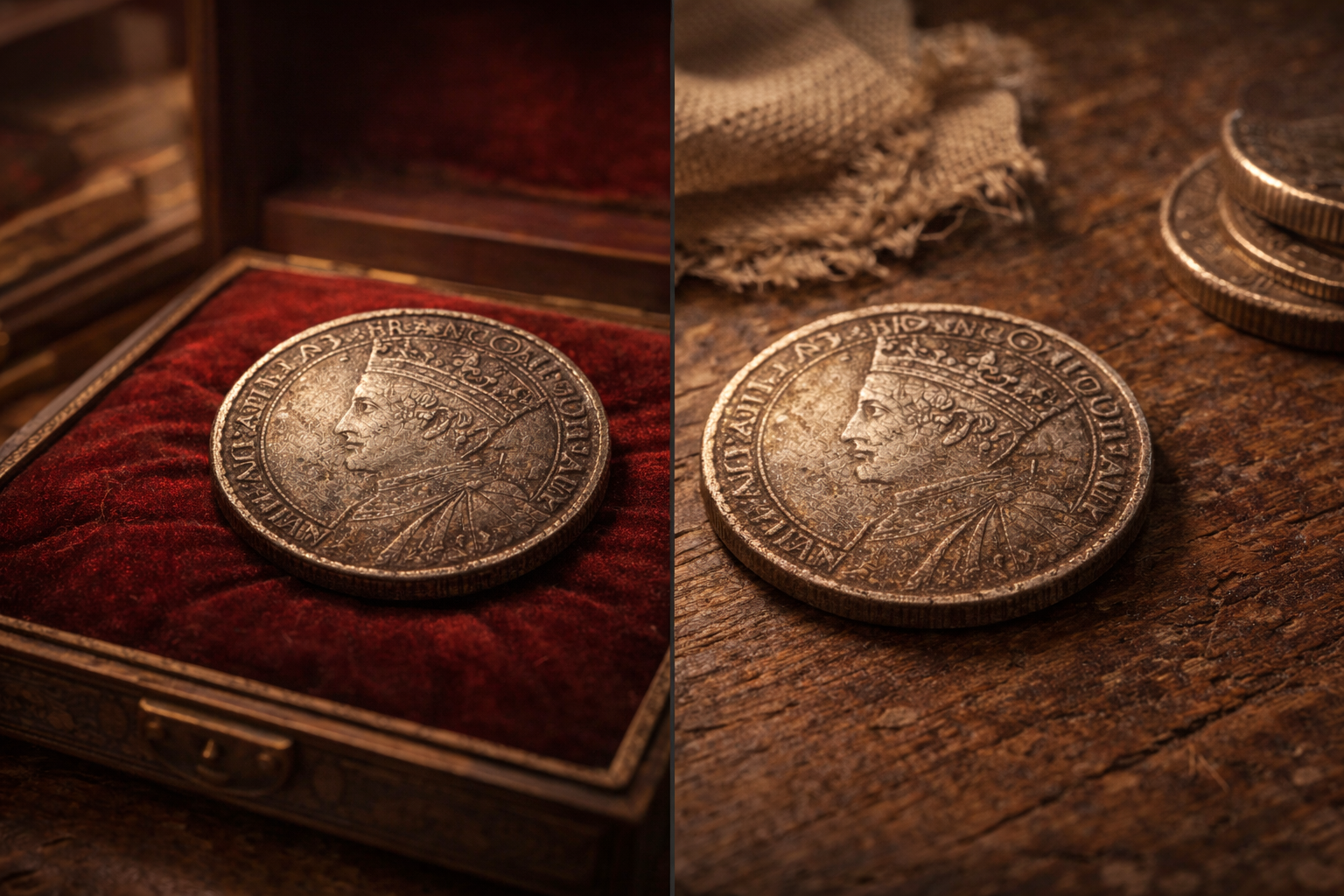
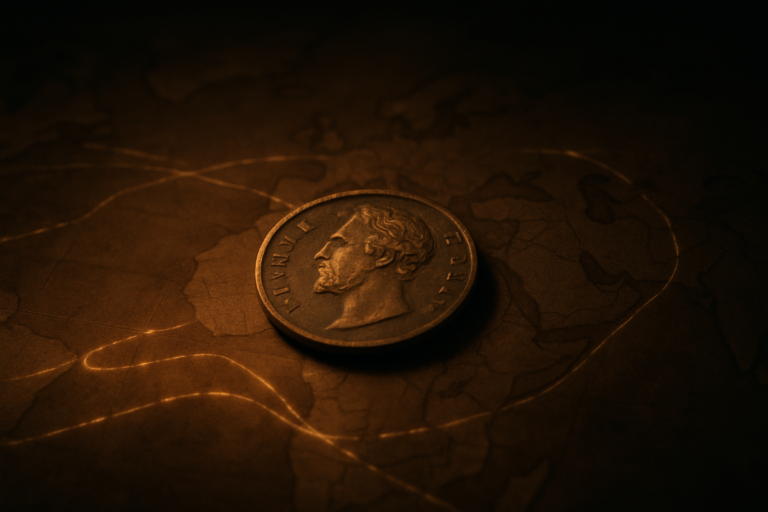
Caption: A coin can feel rare today even if it once circulated everywhere.
Image credit: HistoraCoin
Wear Is a Clue, Not a Flaw
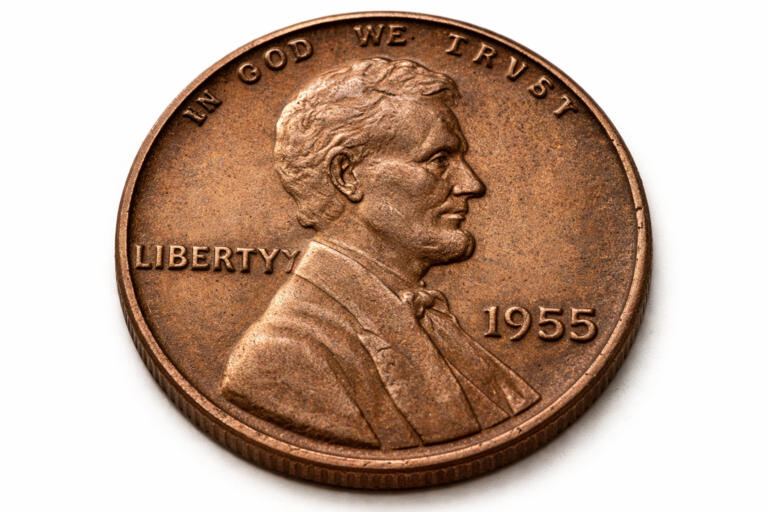
One of the strongest indicators of everyday use is wear. Coins that show smooth edges, softened details, and surface marks usually lived active lives. They moved through pockets, hands, and transactions repeatedly. That kind of wear rarely happens to something that was produced in small numbers.
Collectors sometimes see wear and assume age alone creates rarity. Historically, wear tells a different story. It tells you the coin worked. It did its job. It stayed in circulation long enough to earn its scars.
Perception vs Historical Reality
- Design looks unfamiliar
- Language is no longer common
- Coin is rarely discussed today
- Produced for mass circulation
- Used daily by ordinary people
- Designed for function, not uniqueness
The Pattern Appears Worldwide
This phenomenon isn’t limited to one region. Across continents, the same misunderstanding appears again and again. Coins that once moved freely across markets now feel rare simply because modern observers are disconnected from the systems that produced them.
In Europe, coins from former states or empires often feel unusual today. In Asia, older monetary designs can feel unfamiliar to modern eyes. In the Middle East, inscription-based designs may feel abstract to people used to portraits. In Africa, coins tied to trade networks can feel disconnected from local history. The pattern is consistent. The misunderstanding comes from distance, not scarcity.
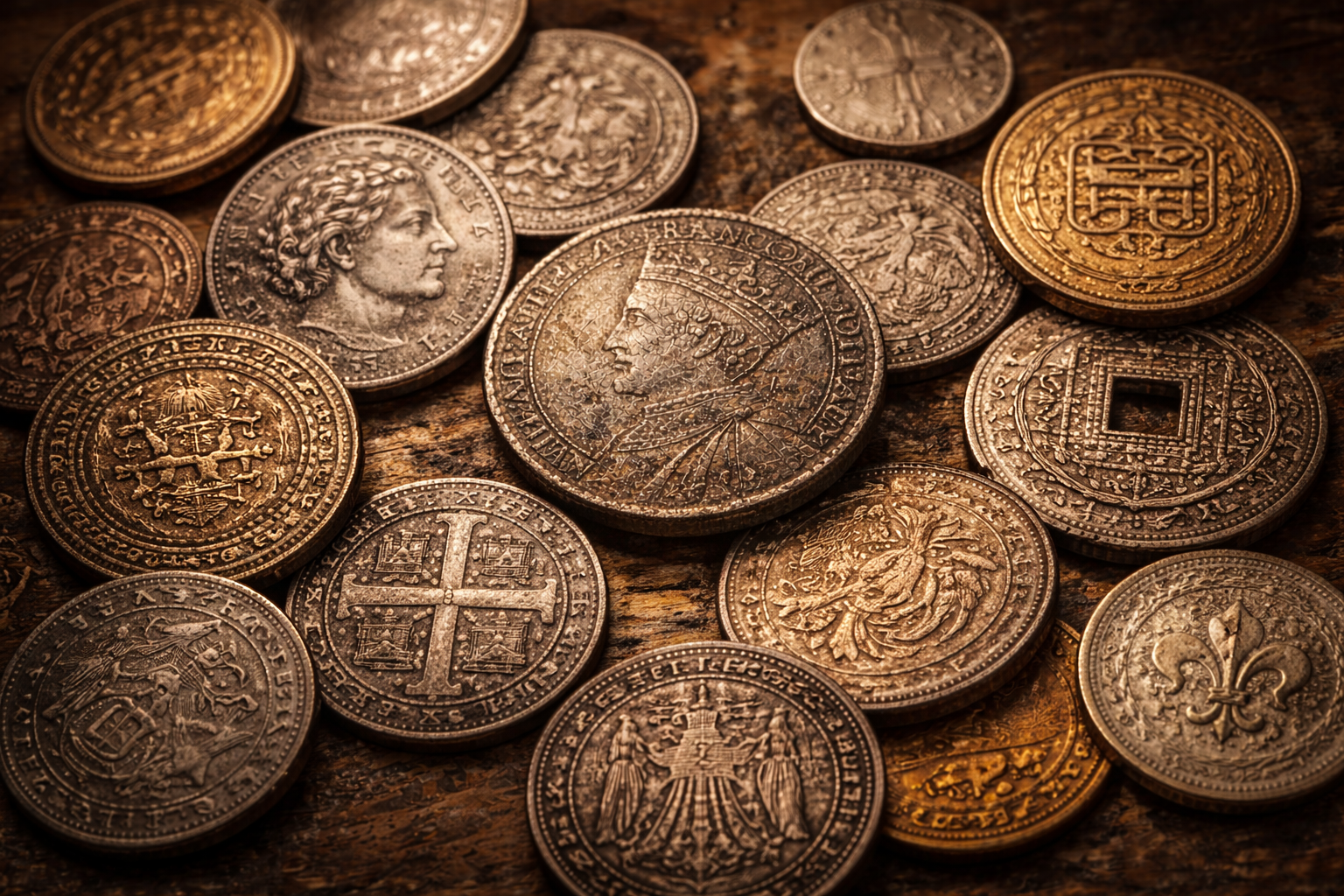
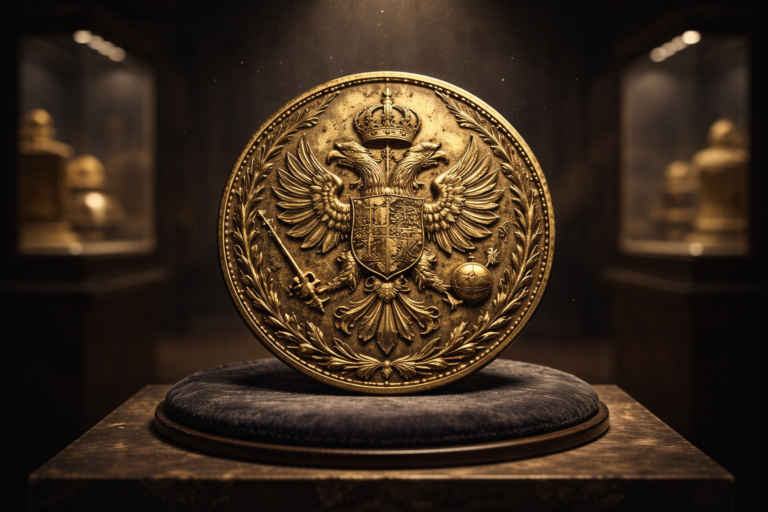
Caption: Everyday coins followed similar patterns across cultures and regions.
Image credit: HistoraCoin
Timeline Insight | From Everyday Object to Historical Artifact
- Then: Coin used daily for trade and payment
- Later: Coin saved, lost, or forgotten
- Now: Coin rediscovered without original context
The transformation from everyday object to “rare-feeling” artifact is a natural result of time, not a reflection of original production.
A Quote-Ready Perspective
Many coins feel rare today not because they were made in small numbers, but because the everyday world that once understood them no longer exists.
How to Read Coins Without Assumptions
The healthiest approach to collecting is context-first thinking. Before assuming rarity, ask historical questions. What was happening when this coin was made? Who used it? How long did it circulate? What does its wear suggest? These questions slow the process down, but they also lead to clearer answers.
When you read coins this way, the anxiety around “missing something special” disappears. You stop chasing impressions and start appreciating evidence. That shift doesn’t reduce enjoyment. It deepens it.
Sources and Methodology
This article draws on historical mint records, museum archives, academic numismatic research, and observation of original coins from a private historical collection spanning multiple regions. The focus remains educational and contextual rather than speculative.
Final Reflection
Coins don’t change their past just because our perspective changes. Many pieces that feel rare today were once so common that no one gave them a second thought. They bought food, paid wages, and passed quietly through daily life. Understanding that reality doesn’t make them less interesting. It makes them more honest.
When we let coins speak through history instead of assumption, they stop feeling like puzzles and start feeling like what they truly are: witnesses to everyday human life.

HistoraCoin Team
HistoraCoin publishes educational, AdSense-safe content that explores coins as historical records, focusing on context, design, and human decisions rather than modern hype.