Silver in Historical Coinage | How Mints Used and Identified Silver
Estimated reading time: 12 minutes.
If you hold an old coin and wonder whether it is solid silver or only silver on the surface, you are not alone. That curiosity is older than modern collecting. For centuries, people cared about what a coin was made of because metal was part of trust. A coin was not only a symbol. It was also a promise made by the issuing authority.
This article is written from a historical and educational perspective. It is not a testing guide. It does not tell you to perform household experiments. Instead, it explains how silver worked in real monetary systems, how mints recorded and controlled metal, why plating appeared, and how historians and museums interpret silver coinage today. By the end, you will understand the difference between solid silver and plated coinage as a matter of history, technology, and policy.
Table of Contents
- What silver meant in historical money
- Solid silver and plated coinage are not the same story
- Why silver became a standard metal
- Purity standards and why they changed over time
- How mints controlled silver in practice
- Marks, inscriptions, and what they could mean
- Why plated coins appeared in different eras
- Coated, clad, and plated concepts in simple terms
- How historians describe the look and behavior of silver
- Famous transitions away from silver coinage
- How museums and researchers identify materials
- A safe way to think about identification
- Frequently asked questions
What silver meant in historical money
To understand silver coins, it helps to start with a simple truth. For much of world history, money was a relationship between people and authority. A government or ruler issued a coin and declared it acceptable for payments, taxes, and trade. But that declaration needed reinforcement. Metal provided reinforcement because it carried a widely recognized value in many societies.
Silver sat in a practical middle position. Gold was too scarce for small purchases. Copper and bronze were ideal for minor transactions but did not carry the same international prestige. Silver became the bridge. It was widely valued, easier to divide into smaller denominations, and suitable for day to day exchange as economies grew.
In many places, silver coins became the backbone of commerce. They paid wages. They settled debts. They traveled across borders. And because they traveled, people cared about whether the silver was honest. That concern existed long before modern collecting. It was a constant theme in economic history.
Solid silver and plated coinage are not the same story
When people say a coin is “real silver,” they often mean a coin made primarily of silver, not just a silver appearance. Historically, that distinction mattered for a reason. A solid silver coin was supposed to be consistent in weight and purity within the system that issued it. Its metal content supported trust.
Plated coinage is a different phenomenon. Sometimes it appears as deception, such as counterfeiters trying to imitate higher quality coins. Sometimes it appears as an official cost saving solution during shortages. Sometimes it appears as a modern industrial method for producing durable coins with a desired look.
So the first historical lesson is this. Solid silver and plated coinage are not simply two versions of the same thing. They can represent different intentions, different technologies, and different political moments.
Why silver became a standard metal
Silver became important because it solved several problems at once. It was valuable enough to represent meaningful purchasing power, but not so valuable that only elites could use it. It could be minted into coins that were portable. It could be tested and verified with the technology available in many eras. And it had cultural prestige.
In medieval and early modern Europe, silver often dominated monetary systems. In parts of the Islamic world, silver played a major role in trade alongside gold. In the Americas, silver from major mines reshaped global commerce. A silver coin could become a familiar object across oceans. That global role increased the need for standards.
Standards are where the real history begins. Because once silver coins become common, the temptation to reduce purity increases. Governments face expenses. Wars happen. Supplies change. A state might quietly lower purity while keeping the same face value. That is not only economics. It is politics. It is about how a government manages trust.
Purity standards and why they changed over time
Different countries and eras used different silver standards. Some systems aimed for high purity. Others used silver alloys that included copper for durability. A very pure silver coin can be softer. Alloying can improve strength and reduce wear in circulation. That is why historical silver coins often contain a portion of copper even when they are clearly considered silver coinage.
Standards also changed because governments changed. A new ruler could reform coinage to show authority. A new state could introduce a new standard to unify regions. During crises, a government might alter coinage to stretch resources. Over long periods, coinage becomes a record of stability and instability.
This is one reason modern readers get confused. A coin can be “silver coinage” historically even if it is not pure silver. In many systems, “silver” describes the category and the role in the monetary system, not necessarily a modern expectation of purity. Understanding that distinction prevents misunderstandings.
How mints controlled silver in practice
When we imagine a mint, we often imagine machines and presses. Historically, mints were also laboratories, accounting offices, and security operations. A mint had to receive metal, refine it or prepare it, measure it, alloy it if needed, and strike it into a consistent product. That required measurement.
Two measurements mattered most. Weight and fineness. Weight is straightforward. Fineness describes how much of the metal is silver versus other metals. Different eras used different ways to express fineness, but the principle was the same. If a mint could not control fineness, people would notice. Coins would behave differently. They would wear differently. They would look different. And the public would lose confidence.
Mints also depended on assaying. Assaying is the process of analyzing metal to determine its composition. In many historical systems, assayers were highly trusted officials. They worked under rules and oversight. Some states used public “trial of the pyx” style ceremonies or formal reviews to audit coinage. The point was not spectacle. The point was reassurance.
In other words, historical mints had their own forms of quality control. They did not call it modern quality assurance, but that is what it was. When a coin is described as silver, that description usually rests on documented standards, not on casual appearance.
Marks, inscriptions, and what they could mean
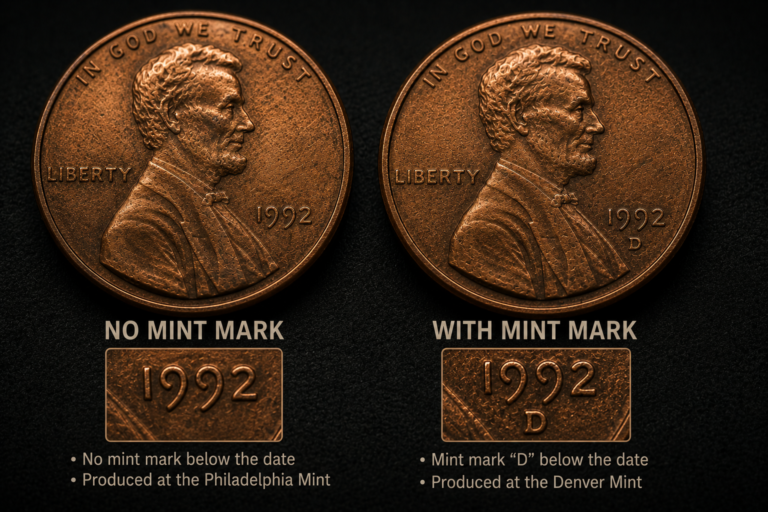
Many coins carry inscriptions that reflect authority and identity. Names of rulers. Religious phrases. National mottos. Dates. Mint marks. All of these are primarily political and administrative. They are not direct statements of metal content.
However, some coinage traditions include indications that can help historians interpret the monetary standard. For example, some systems used denomination names that historically implied silver. Some used symbols associated with specific reforms. Some had mint marks tied to specific periods of known standards.
It is important to be careful here. A mark on a coin is not automatically a metal certificate. Coins were designed for circulation, not for modern laboratory expectations. That is why historical research uses multiple sources. Documents. Mint records. Known standards. And when needed, scientific analysis performed by professionals in museum contexts.
Why plated coins appeared in different eras
Plated coins appear in history for several reasons, and not all of them are the same. Understanding those reasons prevents oversimplification.
One reason is counterfeiting. If a society uses silver coins widely, counterfeiters will attempt to imitate them. A common method in some periods was to use a base metal core and add a silver colored surface. The goal was to create the appearance of a silver coin during quick transactions. These counterfeit pieces are part of economic history because they reveal where trust was vulnerable.
A second reason is official experimentation or emergency measures. During shortages, governments sometimes altered coinage materials. Some states introduced lower silver content coins, or coins with a different structure, in order to maintain circulation. The decision might be controversial, but it can be historically understandable. A government needed coinage to keep commerce moving.
A third reason is modern industrial technology. In more recent periods, “silver looking” coins may be created through industrial processes that aim for durability and consistency rather than intrinsic metal. These coins exist in a world where money is a token backed by law, not by precious metal. The surface appearance can be a design choice rather than a promise of silver.
So when you see a coin that looks silver, the historical question is not only “what is it made of.” The deeper question is “what system produced it and what did it mean in that system.”
Coated, clad, and plated concepts in simple terms
People often use the word “plated” for any coin that has a surface layer. Historically, several structures exist, and they can be easy to confuse. This section explains the idea in simple terms without turning it into a testing manual.
A solid silver coin is a coin where the overall metal is primarily silver alloy, consistent through the thickness. An intentionally plated coin has a base core and a surface layer applied. A clad coin typically uses layered metals bonded together in an industrial process, often as sheets before striking. In modern coinage, clad structures became common as governments moved away from precious metals.
For historical interpretation, what matters is not only the structure but also intent and context. Was the structure official and documented. Was it a counterfeit. Was it created during transition away from precious metal standards. These questions guide responsible historical writing.
How historians describe the look and behavior of silver
Even without performing any experiments, historians can describe how silver coins often behave visually and chemically over time. Not as a guarantee for every example, but as a pattern.
Silver tends to tone. Toning is a natural surface change that can produce gray, darker, or sometimes colorful hues depending on storage conditions. This is not “damage” in the historical sense. It is a normal interaction between metal and environment across long time spans. Many older silver coins show a kind of quiet, matte aging that differs from bright new surfaces.
Silver alloys can also show wear in a distinctive way. Because silver is relatively soft compared to some base metals, high points may smooth over time. Lettering can fade gradually with circulation. The coin’s overall look can become gentle rather than sharp. Again, these are broad observations, not a rule for every coin.
Plated surfaces, in contrast, may age differently depending on the method used. A surface layer can wear or reveal a different tone beneath if the coin circulated heavily. In counterfeit traditions, the surface might not match the aging logic of the core. Historians and conservators pay attention to that visual logic. Not to create drama. To interpret artifacts honestly.
Famous transitions away from silver coinage
Many countries eventually reduced or removed silver from circulating coins. This shift did not happen overnight. It happened because economies changed, metal prices changed, and the role of coinage changed.
In several nations, mid twentieth century reforms replaced silver coins with base metal or layered alternatives. The reasons were practical. Silver became too valuable for mass circulation relative to face value in many systems, and governments wanted stable coin supply. Coins had to remain available for daily commerce, and relying on precious metal could create shortages.
These transitions created a common modern confusion. Older coinage from earlier decades can be associated with silver standards, while later coins that look similar might be made differently. The designs can remain similar while materials change. This is not a trick. It is a policy shift. It is exactly the kind of shift historians track through mint records and official announcements.
Understanding the history of these transitions helps you interpret why “silver looking” is not the same as “silver coinage” in the old sense. Appearance can be continuity. Material can be reform. Both can be true at once.
How museums and researchers identify materials
Museums treat coins as cultural objects. Their goal is preservation, documentation, and accurate interpretation. When a museum needs to confirm metal composition, it typically relies on professional, non destructive methods and careful documentation.
Researchers may use techniques such as X ray fluorescence to estimate composition, or other conservation approaches depending on the institution and the coin’s condition. The important point is the philosophy. Professional identification aims to protect the object while learning from it. It is cautious, documented, and repeatable.
Museums also cross check science with history. A test result is more meaningful when paired with known mint standards and period records. If a coin is supposed to match a known standard, researchers interpret the result within that framework. If the result differs, they investigate reasons such as wear, surface contamination, unusual production, or historical anomalies.
This approach is a good model for educational thinking. Do not rely on one signal. Use context. Use evidence. Use history.
A safe way to think about identification
If you want to understand whether a coin belongs to a historical silver standard, the safest educational path is to begin with the coin’s identity rather than the coin’s surface. What is the coin. Where was it issued. What year. What denomination. What was the official standard in that time and place.
This method keeps the conversation historical. It moves away from quick assumptions based on appearance. It also keeps your research aligned with how historians actually work. First identify the object in its system. Then interpret its materials as part of that system.
If your goal is learning, this approach is powerful. It turns a simple question into a doorway. You learn about mint reforms. You learn about economic policy. You learn why countries moved away from precious metal, and how they tried to maintain trust during transitions.
In other words, “is it solid silver or only on the surface” can be reframed as a better question. What did this coin represent in its time. That question is always historically valuable, regardless of metal.
Frequently asked questions
Does a silver colored coin always contain silver
No. Many coins are designed to look bright or silvery while using other metals. In modern systems, appearance is often a design choice rather than a statement of precious metal. Historical interpretation depends on the coin’s identity and the standards of its issuing system.
Why did some governments reduce silver content in circulating coins
As economies changed, precious metal became impractical for mass circulation in many countries. Governments wanted stable coin supply, predictable production, and materials that supported long term circulation without creating shortages. This shift is a major theme in modern monetary history.
Were plated coins always counterfeit
Not always. Plating can appear in counterfeit traditions, but layered structures can also appear in official modern coinage. The key historical question is context. Who issued the coin, when, and under what rules.
How did historical mints ensure silver standards
Mints relied on assaying, measurement, oversight, and official standards. Different eras used different systems, but the goal was consistent. To maintain public trust by controlling weight and fineness as defined by law or policy.
What is the best historical way to learn about a coin’s material
Start with identification. Country, date, denomination, and mint. Then study the documented standards for that coin in that era. This approach reflects how historians and museums build reliable interpretations.
Follow HistoraCoin on every platform, because the next story will shock you.