Why People Keep Asking About Old Coins

Estimated reading time. About 12 to 15 minutes.
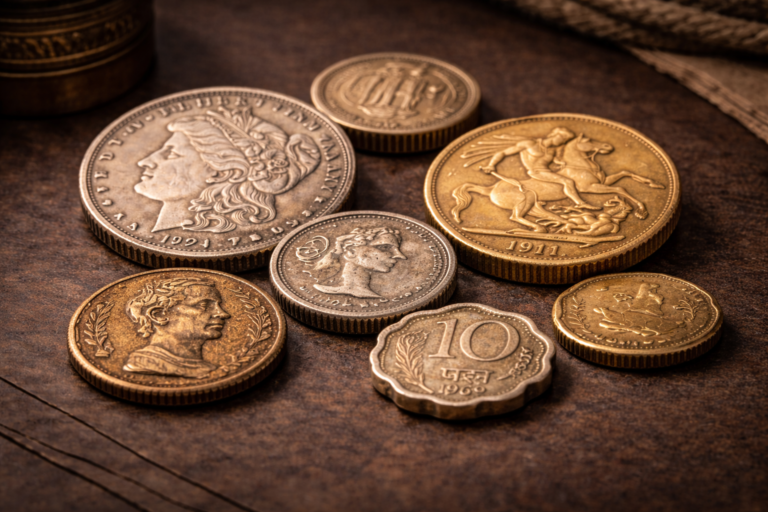
Almost everyone who encounters an old coin asks the same question. Why does this piece still matter. It no longer circulates, it no longer serves daily trade, yet it continues to attract attention.
This curiosity is not accidental. Old coins carry something modern money does not. They hold memory, identity, and a sense of continuity that makes people stop, look closer, and ask questions.
Old coins as silent witnesses.
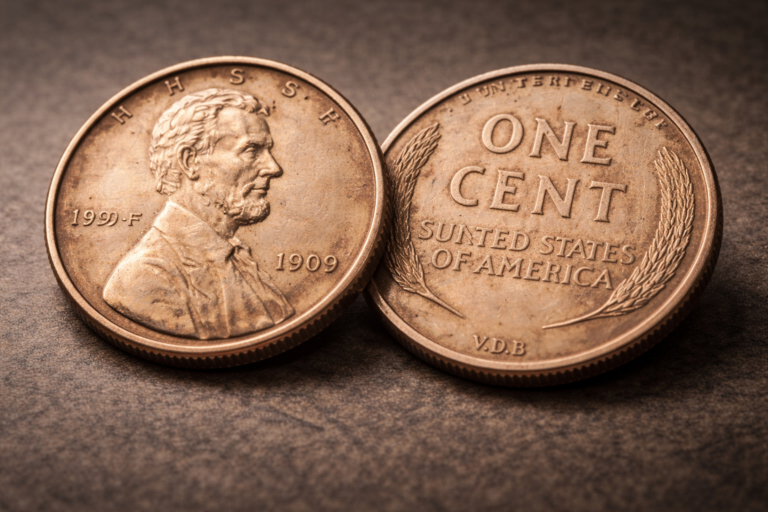
An old coin is one of the few objects that can move unchanged across generations. Buildings collapse, documents decay, tools break, but coins often survive with their form intact.
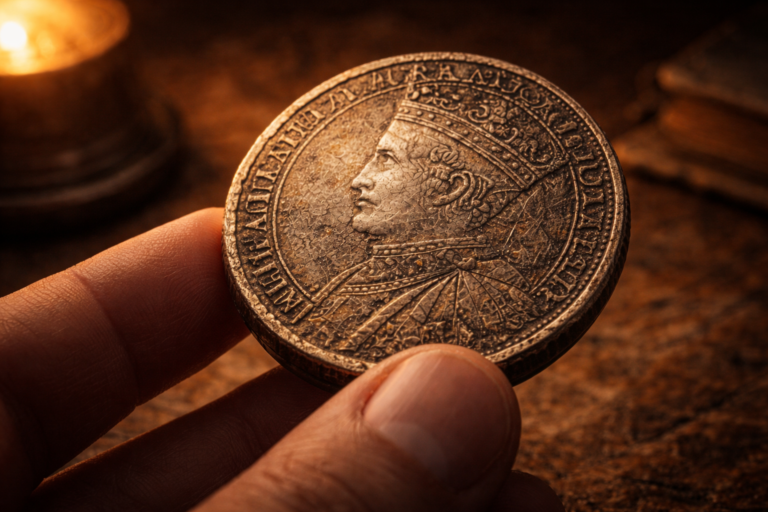
When people see an old coin, they are not just seeing metal. They are seeing something that passed through unknown hands, markets, and moments in history. This makes the object feel alive in a quiet way.
That sense of witnessing time is powerful. It explains why even people with no interest in collecting still feel drawn to old coins.
Why age increases attention.
Age adds meaning. A coin from decades or centuries ago feels different from a modern one because it has outlived its original purpose.
Once a coin stops circulating, it begins a new role. It becomes a reference point. People compare it to the present. They ask how life worked when this coin was new.
This shift from utility to symbol is central to human curiosity. Objects that survive change become anchors for memory.

Recognition and familiarity.
People are drawn to old coins because they recognize parts of them. Faces, symbols, numbers, and words often feel familiar even when the context is not.
This recognition creates a bridge between past and present. A person may not know the full story behind a coin, but the ability to recognize elements makes them want to know more.
This same mechanism explains why questions about specific historical coins continue to appear, such as who was represented on early American coinage and what those images were meant to communicate.
That curiosity connects directly to earlier discussions about how societies used coins to express identity and trust, such as the exploration of who was on the 1793 penny.
Old coins and personal discovery.
Many people first encounter old coins unexpectedly. They appear in drawers, boxes, inherited collections, or forgotten containers.
This personal discovery adds emotional weight. The coin feels chosen rather than found. It invites questions not only about history, but about personal connection.
People often ask about old coins because they want to place the object within a story. Understanding the past gives meaning to the present moment of discovery.
Comparison across time.
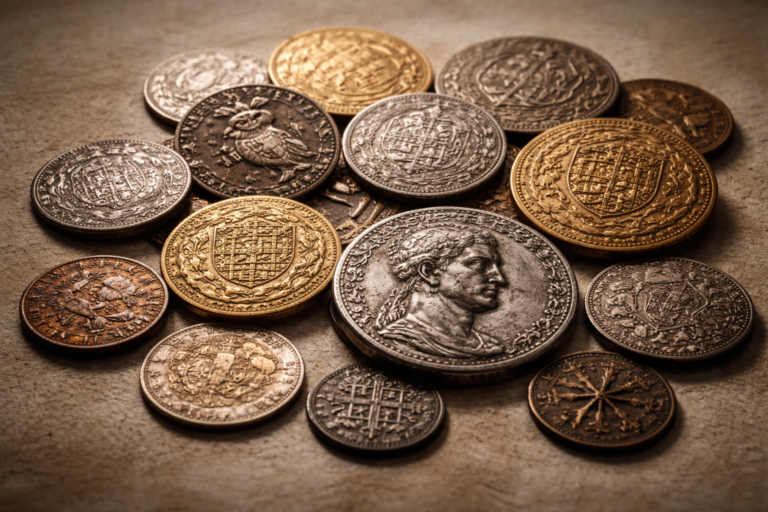
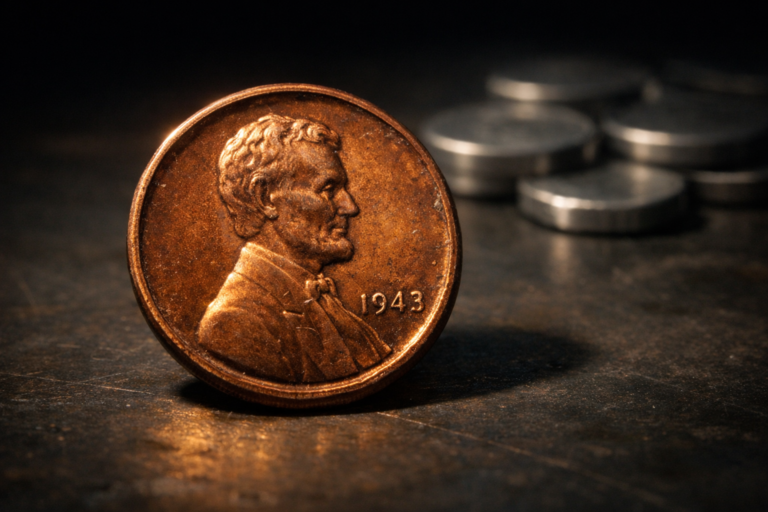
Old coins naturally invite comparison. People compare size, design, material, and symbolism to modern coins.
These comparisons raise questions. Why does this coin look different. Why is the design more detailed. Why does it feel heavier or simpler.
Through comparison, people begin to understand how money reflects the values of its time.

Curiosity without intention.
It is important to note that most questions about old coins are not driven by financial motives.
People ask because they want to understand, not because they want to calculate. Curiosity comes first.
This is why old coins appear so often in educational discussions. They offer a tangible way to explore history, culture, and human behavior.
Why questions never stop.
As long as coins survive from the past, people will continue to ask about them.
Each generation sees old coins differently. What was once ordinary becomes rare. What was once common becomes unfamiliar.
This constant shift keeps curiosity alive. Old coins never settle into silence. They continue to ask questions of us.
Final reflection.
People keep asking about old coins because these objects sit at the intersection of time, identity, and memory.
They are small, durable, and honest witnesses to change.
In a world where much disappears quickly, old coins remain. And as long as they remain, questions will follow.
FAQ.
Why do old coins attract so much curiosity.
Because they survive across generations and connect people directly to the past through a tangible object.
Do people ask about old coins mainly for financial reasons.
No. Most questions are driven by curiosity, personal discovery, and interest in history rather than monetary value.
Why does wear increase interest.
Wear shows use and time, making the coin feel authentic and lived through history.
Are old coins important for education.
Yes. They provide a simple and accessible way to explore history, culture, and social change.
Will people always ask about old coins.
As long as coins from the past survive, curiosity about them will continue.